
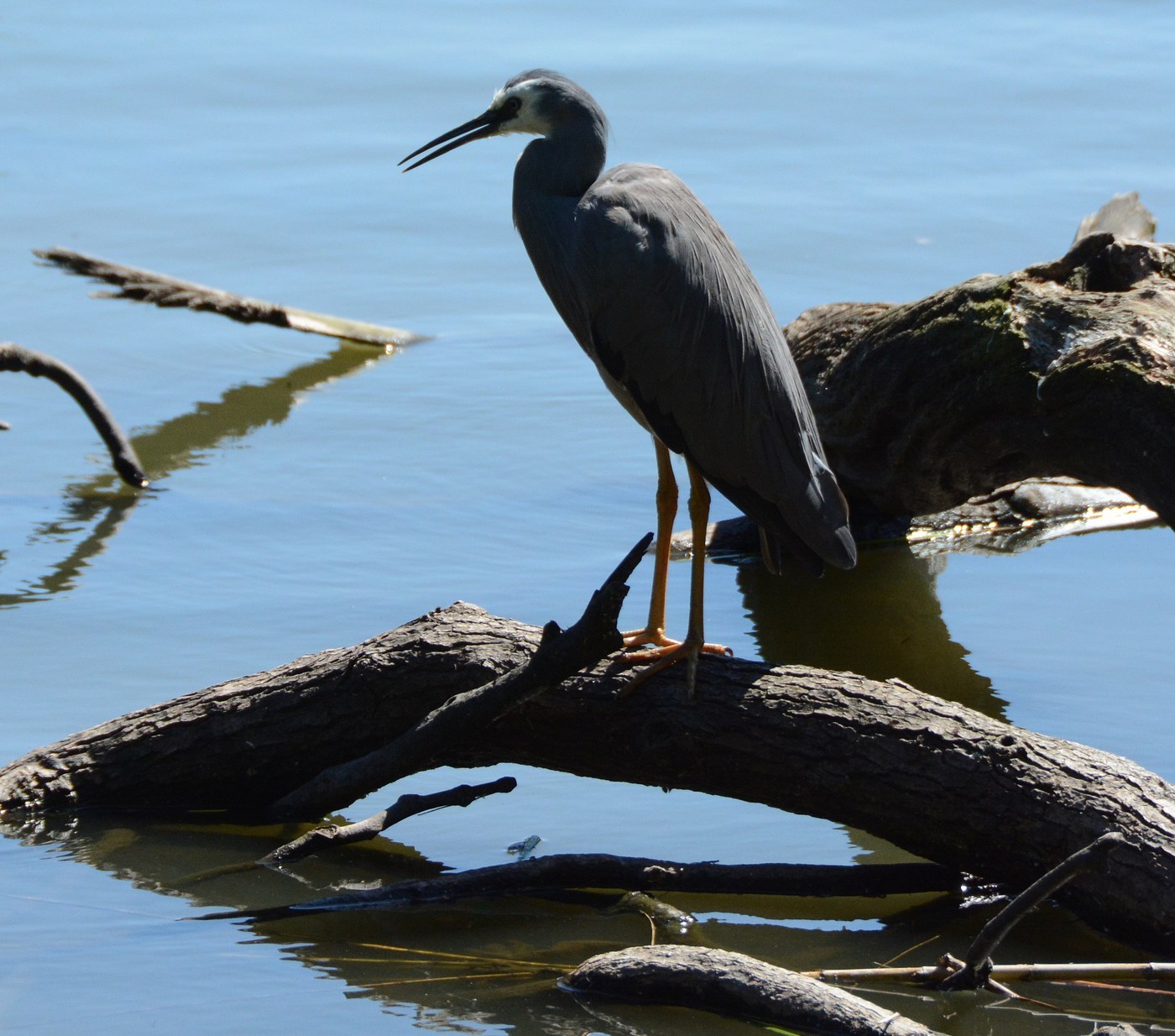
White-faced Heron
Egretta novaehollandiae
The most common and widespread heron across Australia and New Zealand, easily told by its pale grey body and clean white face.
- Size
- 60-70 cm (24-28 in) long, 106 cm wingspan
- Habitat
- wetlands, farmland, coasts, and urban parks across Australia, New Zealand, and nearby islands
- Type
- wading-bird
Spotted a bird like this?
Identify any bird from a photo, free.
Overview
The White-faced Heron is a medium-sized, elegant heron with soft blue-grey plumage overall and a distinctive white face and throat that give the species its name. The bill and legs are dark, and breeding adults grow fine, wispy plumes on the back and lower neck.
It is by far the most commonly encountered heron across its range, equally at home on tidal mudflats, farm dams, urban parklands, and roadside ditches, making it a familiar sight to most Australians and New Zealanders.
How to identify it
Key field marks
- Overall soft blue-grey plumage
- Clean white face contrasting with the grey neck and body
- Dark bill and yellow-green to dark legs
- Slim build with wispy breeding plumes
Similar species
The Pacific Reef-Heron (dark morph) can look superficially similar but lacks the clean white face and is restricted to rocky coasts. No other common Australasian heron shares the combination of grey body and white face.
Habitat & range
Habitat
This adaptable species uses almost any wetland habitat, from coastal mudflats and mangroves to farm dams, flooded paddocks, urban parks, and even suburban lawns after rain.
Range and migration
It is widespread across Australia and New Zealand (where it self-introduced in the 20th century), and also occurs on various nearby Pacific islands and Indonesia. Most populations are resident, with some local dispersal in response to drought or flooding.
Behavior & voice
Behavior
White-faced Herons forage actively, walking steadily through shallow water or across open ground, and are often seen alone or in small loose groups, including foraging on wet lawns and sports fields far from water.
Voice
A harsh, guttural croak, given mainly in flight or when disturbed.
Feeding
A generalist feeder, it takes small fish, insects, crustaceans, frogs, and even small lizards and mice from wetlands, pasture, and urban ground.
Nesting and breeding
Nests are stick platforms built high in trees, often away from water; clutches typically number 3-5 pale blue-green eggs.
Frequently asked questions
Is the White-faced Heron common?
Yes, it is the most widespread and commonly seen heron in Australia and New Zealand, found in a huge range of habitats.
How do you identify a White-faced Heron?
Look for its soft blue-grey body plumage combined with a distinctive clean white face and throat.
Where do White-faced Herons feed?
Almost anywhere with damp ground, including wetlands, farm dams, tidal flats, and even suburban lawns.
What does a White-faced Heron eat?
A varied diet of small fish, insects, crustaceans, frogs, and small vertebrates.
White-faced Heron guides
In-depth guides for identifying, finding, and understanding White-faced Heron.
Other birds you may enjoy
Demoiselle Crane
85-100 cm (33-39 in) long, 155-180 cm wingspan
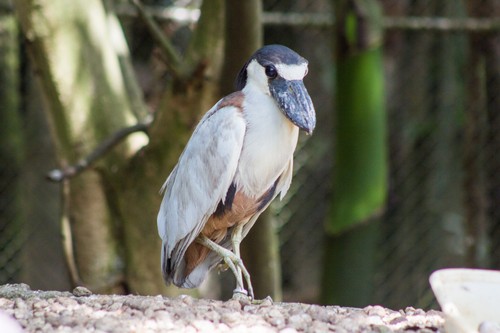
Boat-billed Heron
41-56 cm (16-22 in) long
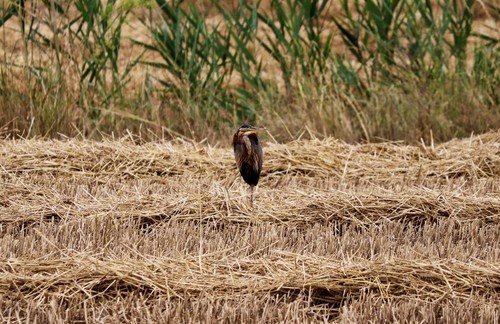
Purple Heron
78-90 cm (31-35 in) long, 120-152 cm wingspan
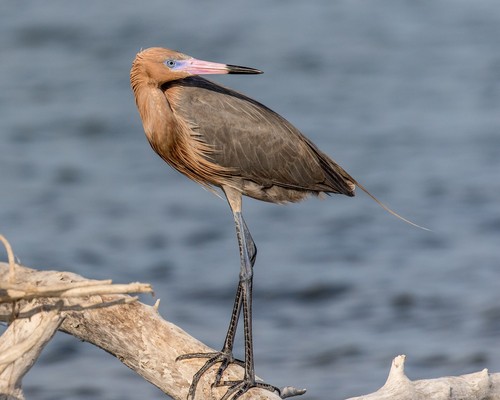
Reddish Egret
68-82 cm (27-32 in) long, 116-125 cm wingspan
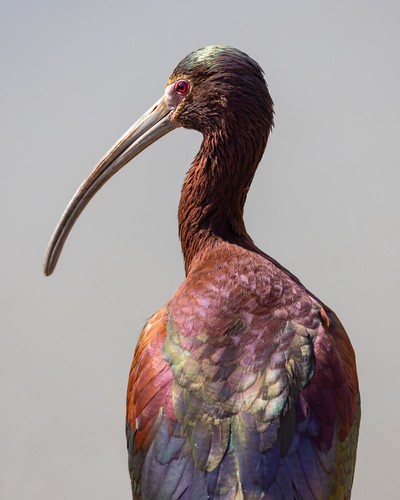
White-faced Ibis
46-56 cm (18-22 in) long, 88-93 cm wingspan
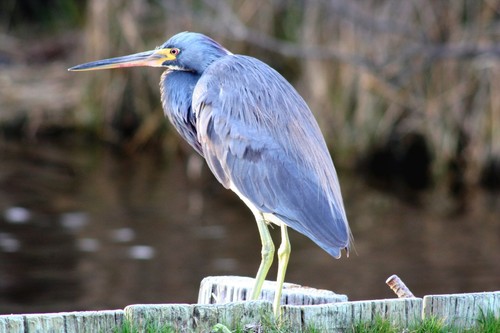
Tricolored Heron
61-76 cm (24-30 in) long, about 96 cm wingspan
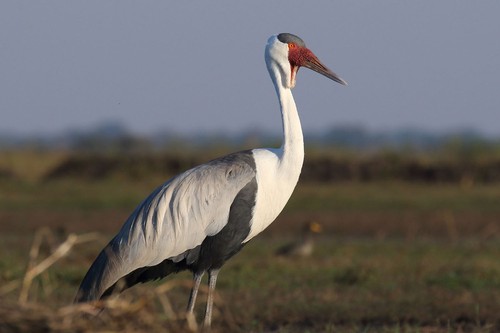
Wattled Crane
120-175 cm (47-69 in) tall, one of the tallest cranes, wingspan up to about 230 cm (7.5 ft)
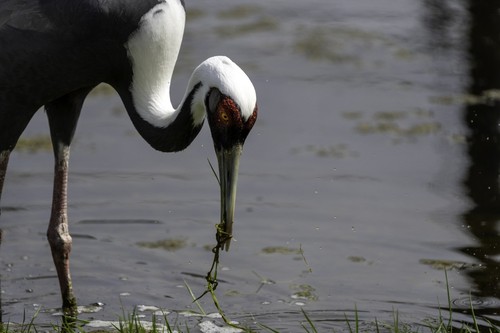
White-naped Crane
112-125 cm (44-49 in) long, 195-210 cm wingspan
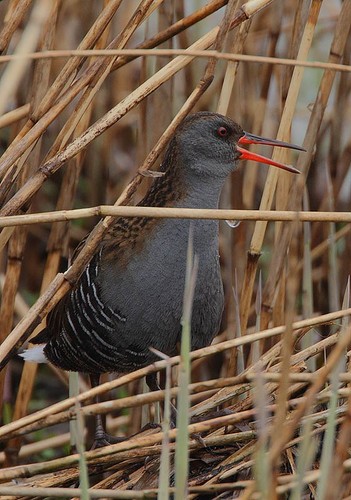
Water Rail
23-28 cm (9-11 in) long, wingspan 38-45 cm
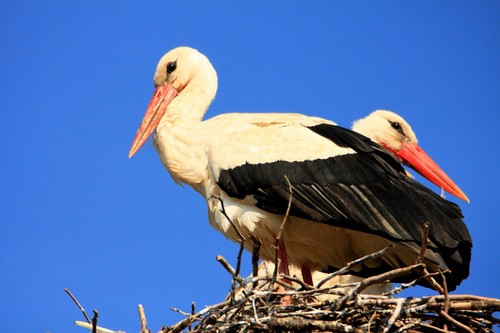
White Stork
100-125 cm (39-49 in) long, 155-215 cm wingspan
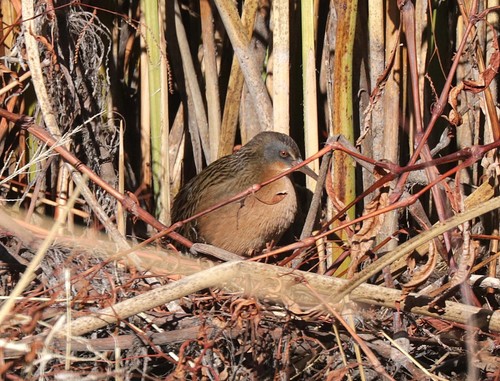
Virginia Rail
20-27 cm (8-11 in) long, wingspan 32-38 cm
Wattled Jacana
17-23 cm (7-9 in) long