
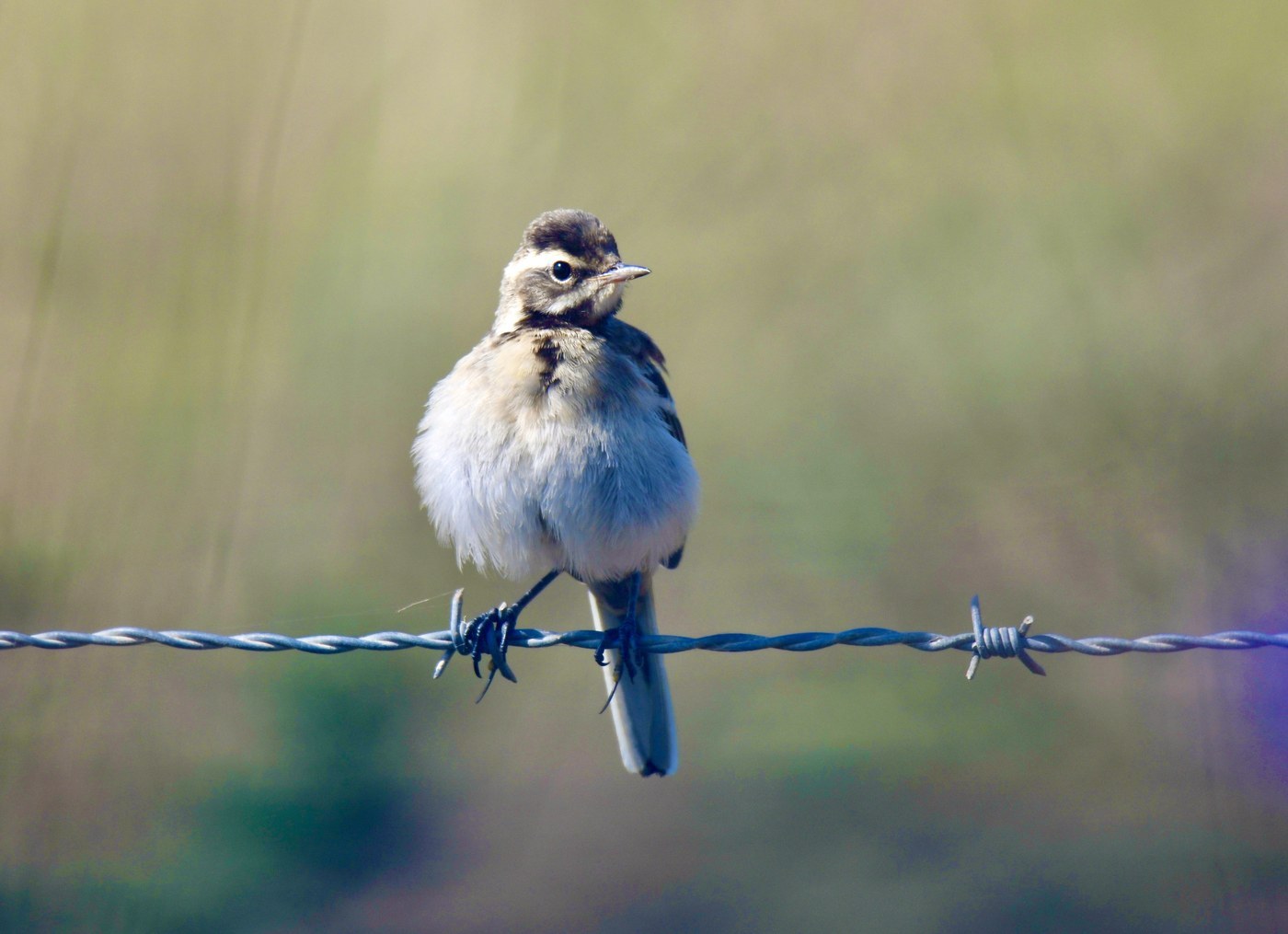
Western Yellow Wagtail
Motacilla flava
A slender, bright yellow-bellied wagtail of wet grasslands and farmland, often seen darting around the feet of grazing cattle to snap up disturbed insects.
- Size
- 15-16.5 cm (6-6.5 in) long, 23-27 cm wingspan
- Habitat
- wet grassland, farmland, and marshes, often near grazing livestock
- Type
- songbird
Spotted a bird like this?
Identify any bird from a photo, free.
Overview
The Western Yellow Wagtail is a slim, brightly coloured wagtail with olive-green upperparts and vivid yellow underparts, noticeably shorter-tailed than its relative, the Grey Wagtail. Head pattern varies considerably across the many geographic forms of this species, ranging from blue-grey headed birds to black-headed and white-headed forms across its wide range, though breeding males across most forms share the same bright yellow underparts.
Females and non-breeding birds are duller, with more olive tones and less vivid yellow, but retain the characteristic short-tailed, ground-loving jizz shared by the species.
It is a classic bird of open farmland, often seen running actively around the feet of grazing cattle and horses, snapping up insects disturbed by the animals' movement.
How to identify it
Key field marks
- Olive-green upperparts and bright yellow underparts
- Shorter tail relative to body size than Grey Wagtail
- Head colour variable by subspecies/form (blue-grey, yellow, or black depending on population)
- Slim build with a habit of running quickly across open ground
- Frequently associates with grazing livestock
Similar species
- Grey Wagtail: longer tail, blue-grey (not olive-green) back, and typically found along fast-flowing streams rather than wet grassland or farmland.
- White/Pied Wagtail: black, white, and grey plumage without any yellow, and a longer tail relative to body size.
- Various Yellow Wagtail subspecies/forms can differ subtly in head pattern, requiring careful attention to head colour and range for form-level identification.
Habitat & range
Western Yellow Wagtails breed across much of Europe and western Asia, favouring wet grassland, damp meadows, farmland, and marshes, particularly areas grazed by livestock, which stir up insects that the wagtails readily exploit.
They are long-distance migrants, wintering in sub-Saharan Africa, and the species has declined in parts of western Europe linked to agricultural intensification and loss of damp, insect-rich grassland habitat.
During migration, Yellow Wagtails can occur in a wide range of open habitats, including coastal areas and stubble fields, sometimes forming loose flocks.
Behavior & voice
Voice
The call is a distinctive, sharp, upslurred "tswee-eep" or "tsleep," frequently given in flight. The song is a simple, brief extension of the call notes, not especially elaborate.
Feeding
Western Yellow Wagtails feed almost entirely on insects, caught by quick pursuit across open ground, and are notably drawn to the feet of grazing cattle, horses, and sometimes farm machinery, which disturb insects from grass and soil.
Nesting and breeding
The nest is a cup of grass built on the ground, well hidden among grass or crop vegetation in wet meadows or farmland. Clutches typically contain four to six eggs.
Frequently asked questions
How do you identify a Western Yellow Wagtail?
Look for a slim wagtail with olive-green upperparts, bright yellow underparts, and a relatively short tail, often seen running around grazing livestock in wet grassland or farmland.
How is Yellow Wagtail different from Grey Wagtail?
Yellow Wagtail has an olive-green back and a shorter tail, favouring wet grassland and farmland, while Grey Wagtail has a blue-grey back, a much longer tail, and favours fast-flowing streams.
Why does the Yellow Wagtail follow cattle?
It forages around grazing livestock because their movement disturbs insects in the grass, providing an easy source of food for the wagtail.
Where do Western Yellow Wagtails spend the winter?
They are long-distance migrants that winter in sub-Saharan Africa, returning to European and western Asian breeding grounds in spring.
Why has the Yellow Wagtail declined in parts of Europe?
Agricultural intensification and the loss of damp, insect-rich grassland habitat have contributed to population declines in parts of western Europe.
Western Yellow Wagtail guides
In-depth guides for identifying, finding, and understanding Western Yellow Wagtail.
Other birds you may enjoy
Black Redstart
13-14.5 cm (5.1-5.7 in) long, 23-26 cm wingspan
Black-throated Sparrow
12-14 cm (4.7-5.5 in) long, about 19-20 cm (7.5-8 in) wingspan
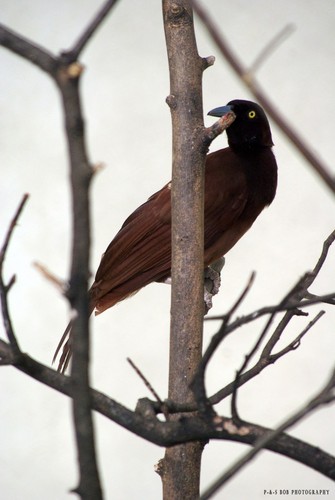
Greater Bird-of-paradise
Body about 43 cm; males with additional flank plumes up to 50 cm and long tail wires
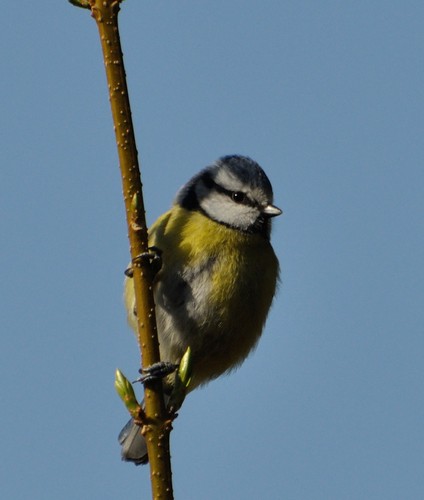
Blue Tit
11-12 cm (4.3-4.7 in) long, 17-20 cm wingspan
Red-billed Quelea
11.5–13 cm long, wingspan about 20–22 cm
White-plumed Antbird
13-14 cm (5-5.5 in) long
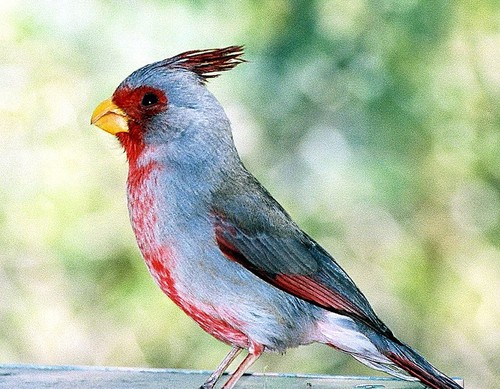
Pyrrhuloxia
19-22 cm (7.5-8.7 in) long, 30 cm wingspan
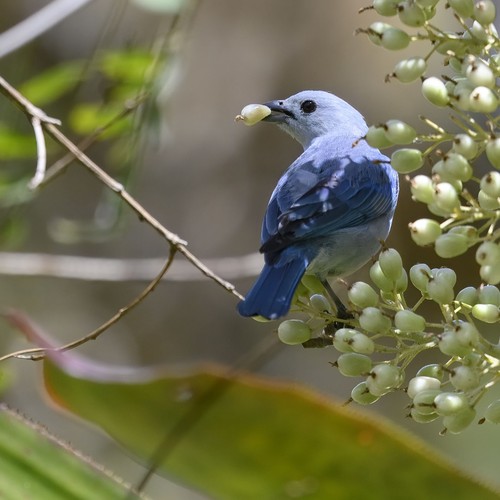
Blue-gray Tanager
16-18 cm (6-7 in) long
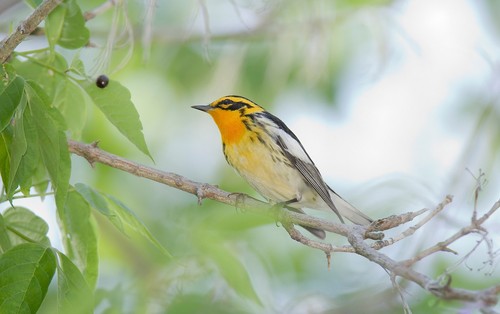
Blackburnian Warbler
11-13 cm (4.3-5.1 in) long, 20-22 cm wingspan
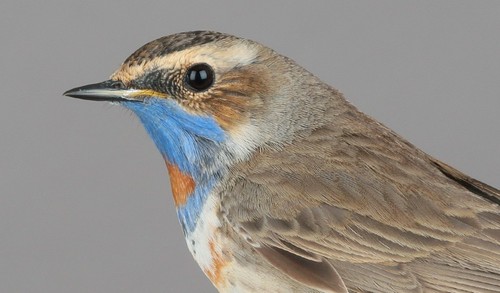
Bluethroat
13-14 cm (5.1-5.5 in) long, 20-22 cm wingspan
Eurasian Nuthatch
12-14.5 cm (4.7-5.7 in) long, 22.5-27 cm wingspan
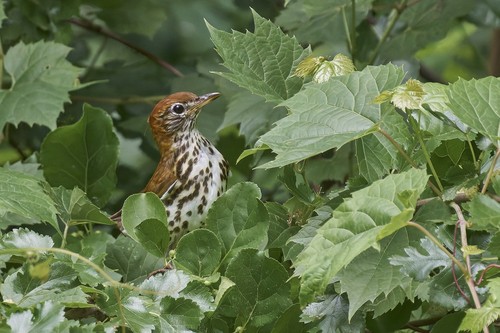
Wood Thrush
19-21 cm (7.5-8.3 in) long, about 33 cm (13 in) wingspan