
Western Yellow Wagtail Identification Guide
A slender, tail-wagging ground bird with bright yellow underparts and a head pattern that varies by subspecies across its Old World range.
Read the full Western Yellow Wagtail encyclopedia entry →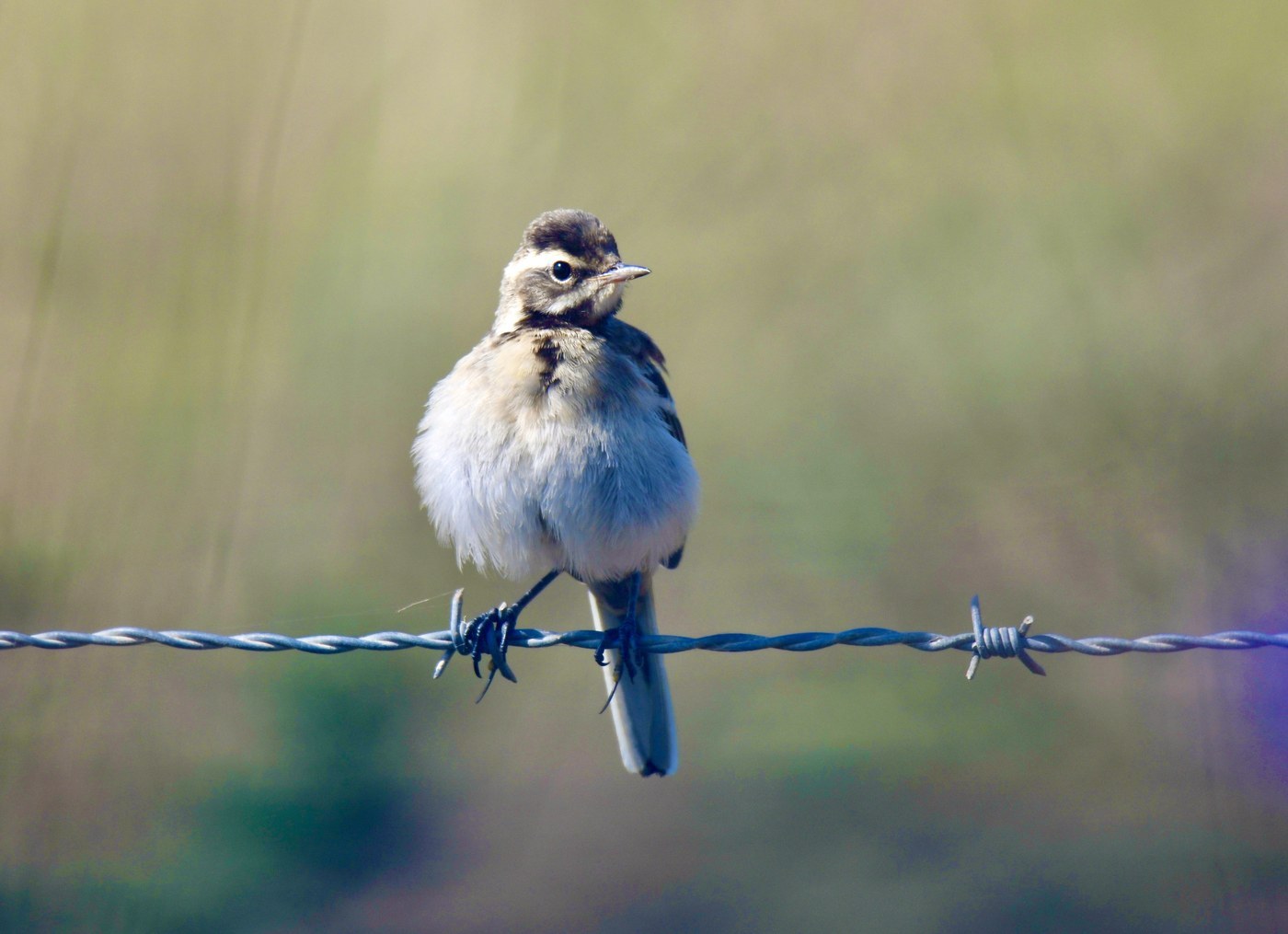
Key Field Marks
- Small, slim, long-tailed songbird, about 16-17 cm (6.3-6.7 in), that constantly pumps and wags its tail while walking.
- Breeding males show bright yellow underparts and an olive-green back; head color is variable among subspecies, ranging from blue-gray to black to gray, often with a pale supercilium (or none, depending on race).
- Females and nonbreeding birds are duller: olive-brown above and pale yellow washed with buff below, with a plainer face.
- Legs are dark; the bill is thin, straight, and dark, typical of a wagtail built for picking insects off the ground.
Separating It From Similar Species
- Eastern Yellow Wagtail: Now treated as a separate species; extremely similar in plumage. Best distinguished by flight call (Eastern gives a buzzier, more disyllabic note) and breeding range, since Western breeds in Europe/western Asia while Eastern breeds farther east into Siberia and Alaska.
- Citrine Wagtail: Breeding males have an entirely solid yellow head, unlike any Western Yellow Wagtail subspecies, which always show some gray, olive, or black on the crown/ear coverts.
- White Wagtail: Has black, white, and gray plumage with no yellow at all, and a different overall pattern, so confusion is unlikely except in poor light.
Habitat, Range & Season
- Breeds in wet meadows, grasslands, marshy edges, and agricultural fields across Europe and western Asia.
- Winters in sub-Saharan Africa, arriving on the wintering grounds from around September through April.
- A very rare but regular vagrant to western Alaska and casually farther south in North America, usually detected in spring or fall migration.
Voice
- Flight call is a sharp, clean "tsweep" or "tswee-ip," given frequently as flocks move overhead - useful for distinguishing it from the buzzier call of Eastern Yellow Wagtail.
- Song is a simple, repetitive series of thin, chipping notes delivered from the ground or a low perch.
Behavior
- Forages by walking and running briskly on open ground, frequently pumping its tail up and down.
- Often associates with grazing livestock, catching insects flushed by the animals' movement.
- Highly gregarious on migration and in winter, forming large communal roosts in reedbeds.
Frequently asked questions
How do you separate Western Yellow Wagtail from Eastern Yellow Wagtail?
The two are nearly identical in plumage; the flight call is the most reliable difference (Western gives a clean "tsweep," Eastern a buzzier note), and their breeding ranges are largely separate.
Why does the head color of Western Yellow Wagtail vary so much?
The species includes many subspecies across Europe and western Asia that differ mainly in male head pattern (blue-gray, black, or gray with or without a supercilium), while the yellow underparts remain fairly constant.
Is Western Yellow Wagtail ever seen in North America?
It is a very rare vagrant, occurring mainly in western Alaska during migration.
What habitat should I search for Western Yellow Wagtail?
Look in wet meadows, marshy grassland, and farmland, especially near grazing animals, during the breeding season in Europe and western Asia or on wintering grounds in sub-Saharan Africa.