
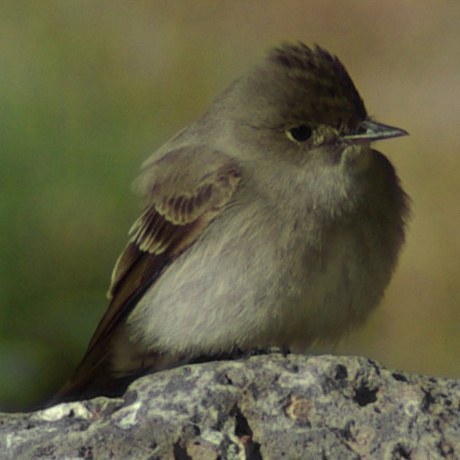
Western Wood-Pewee
Contopus sordidulus
A drab, grayish-olive flycatcher of western woodlands best identified by its harsh, nasal 'peeer' call given from an exposed perch.
- Size
- 14-16 cm (5.5-6.3 in) long, 26 cm wingspan
- Habitat
- open coniferous and mixed woodlands, forest edges, and riparian groves across western North America
- Type
- songbird
Spotted a bird like this?
Identify any bird from a photo, free.
Overview
The Western Wood-Pewee is a plain, medium-sized flycatcher of open western woodlands, showing dusky grayish-olive upperparts, a subtly darker vested breast, and indistinct wing bars, with no eye-ring bold enough to be a useful field mark. Its unremarkable plumage makes voice the most reliable way to identify it, particularly its harsh, descending, nasal call.
Often seen perched upright and motionless on a bare branch at the edge of a clearing before sallying out after insects, this species is a common summer breeder in coniferous and mixed forests throughout much of the western United States and Canada.
How to identify it
Key Field Marks
- Dusky grayish-olive upperparts with a darker, vested appearance across the breast
- Indistinct, dingy wing bars and no obvious eye-ring
- Relatively long wings extending well past the tail base at rest
- Upright posture on an exposed perch, often at the top of a dead branch
Similar Species
- Eastern Wood-Pewee is nearly identical in appearance; the two are best separated by range and voice, with limited range overlap in the Great Plains.
- Empidonax flycatchers are generally smaller with more prominent eye-rings and bolder wing bars.
- Its harsh, burry peeer call is diagnostic and quite different from the clear, whistled song of the Eastern Wood-Pewee.
Habitat & range
Western Wood-Pewees breed across a wide range of wooded habitats in western North America, from Alaska south through the western United States into Mexico and Central America, favoring open coniferous and mixed forests, forest edges, and riparian woodlands with clearings for foraging.
The species migrates to winter in South America, primarily in the Andean foothills and Amazon basin.
Behavior & voice
Voice
Gives a harsh, nasal, slightly descending peeer or pee-yee call, quite different from the clear whistle of the Eastern Wood-Pewee, and repeats it persistently through the day.
Feeding
Sallies from an exposed perch to catch flying insects in mid-air, typically returning to the same or a nearby perch after each foray, a hunting style known as "hawking."
Nesting
Builds a shallow, well-camouflaged cup nest of grass and plant fibers, saddled on a horizontal branch and often decorated with lichen on the exterior to blend with the bark.
Frequently asked questions
How do I identify a Western Wood-Pewee?
Look for a plain grayish-olive flycatcher with indistinct wing bars, no bold eye-ring, and an upright posture on exposed perches; its harsh, nasal 'peeer' call is the most reliable identification clue.
How is the Western Wood-Pewee different from the Eastern Wood-Pewee?
The two species look nearly identical and are best separated by range and voice, since the Western's call is a harsher, more nasal 'peeer' compared to the Eastern's clearer whistle.
Where do Western Wood-Pewees breed?
They breed in open coniferous and mixed woodlands across western North America, from Alaska south through the western U.S. into Mexico and Central America.
Where do Western Wood-Pewees spend the winter?
They migrate to South America, wintering mainly in the Andean foothills and Amazon basin.
Western Wood-Pewee guides
In-depth guides for identifying, finding, and understanding Western Wood-Pewee.
Other birds you may enjoy
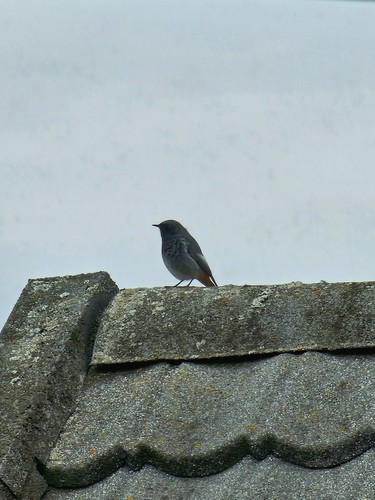
Black Redstart
13-14.5 cm (5.1-5.7 in) long, 23-26 cm wingspan
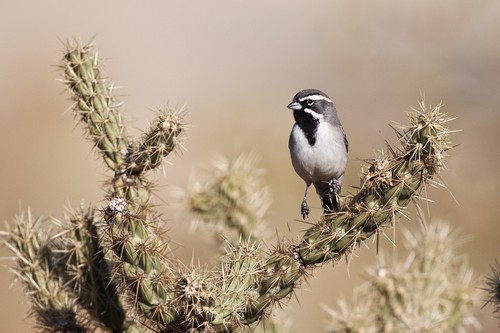
Black-throated Sparrow
12-14 cm (4.7-5.5 in) long, about 19-20 cm (7.5-8 in) wingspan
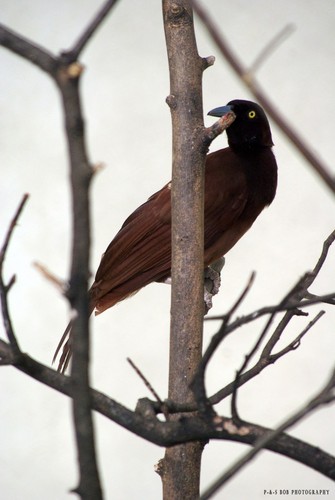
Greater Bird-of-paradise
Body about 43 cm; males with additional flank plumes up to 50 cm and long tail wires
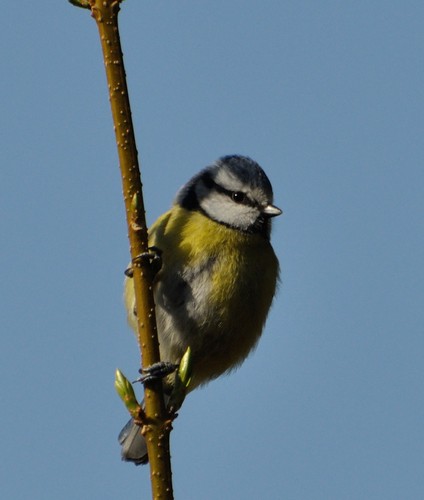
Blue Tit
11-12 cm (4.3-4.7 in) long, 17-20 cm wingspan
Red-billed Quelea
11.5–13 cm long, wingspan about 20–22 cm
White-plumed Antbird
13-14 cm (5-5.5 in) long
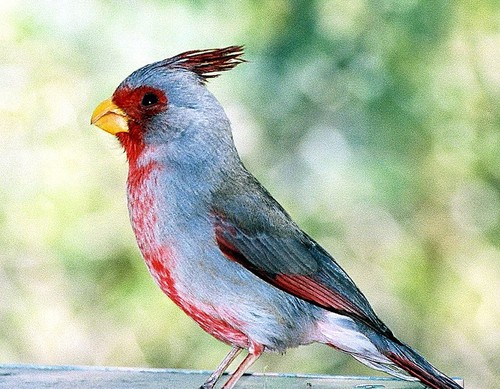
Pyrrhuloxia
19-22 cm (7.5-8.7 in) long, 30 cm wingspan
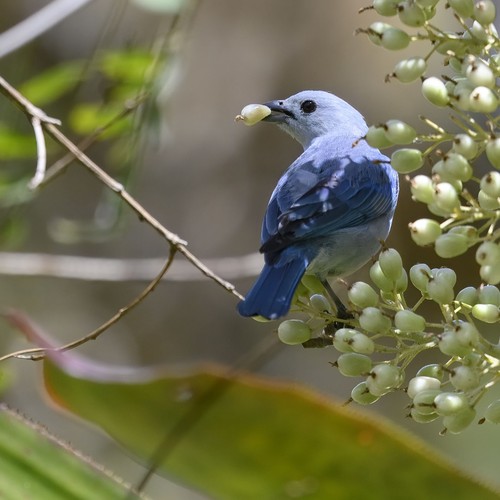
Blue-gray Tanager
16-18 cm (6-7 in) long
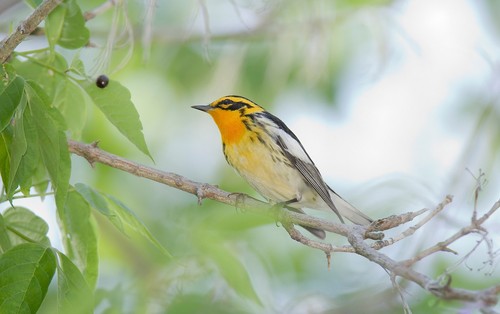
Blackburnian Warbler
11-13 cm (4.3-5.1 in) long, 20-22 cm wingspan
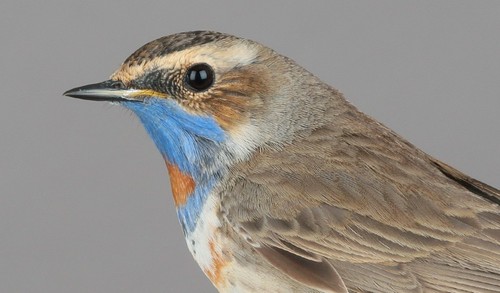
Bluethroat
13-14 cm (5.1-5.5 in) long, 20-22 cm wingspan
Eurasian Nuthatch
12-14.5 cm (4.7-5.7 in) long, 22.5-27 cm wingspan
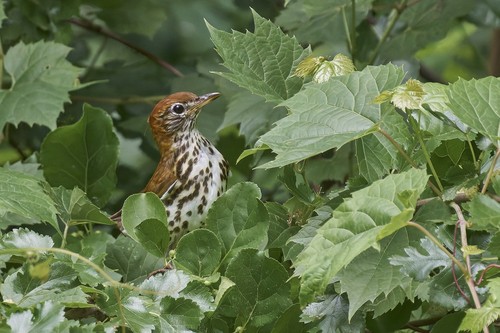
Wood Thrush
19-21 cm (7.5-8.3 in) long, about 33 cm (13 in) wingspan