
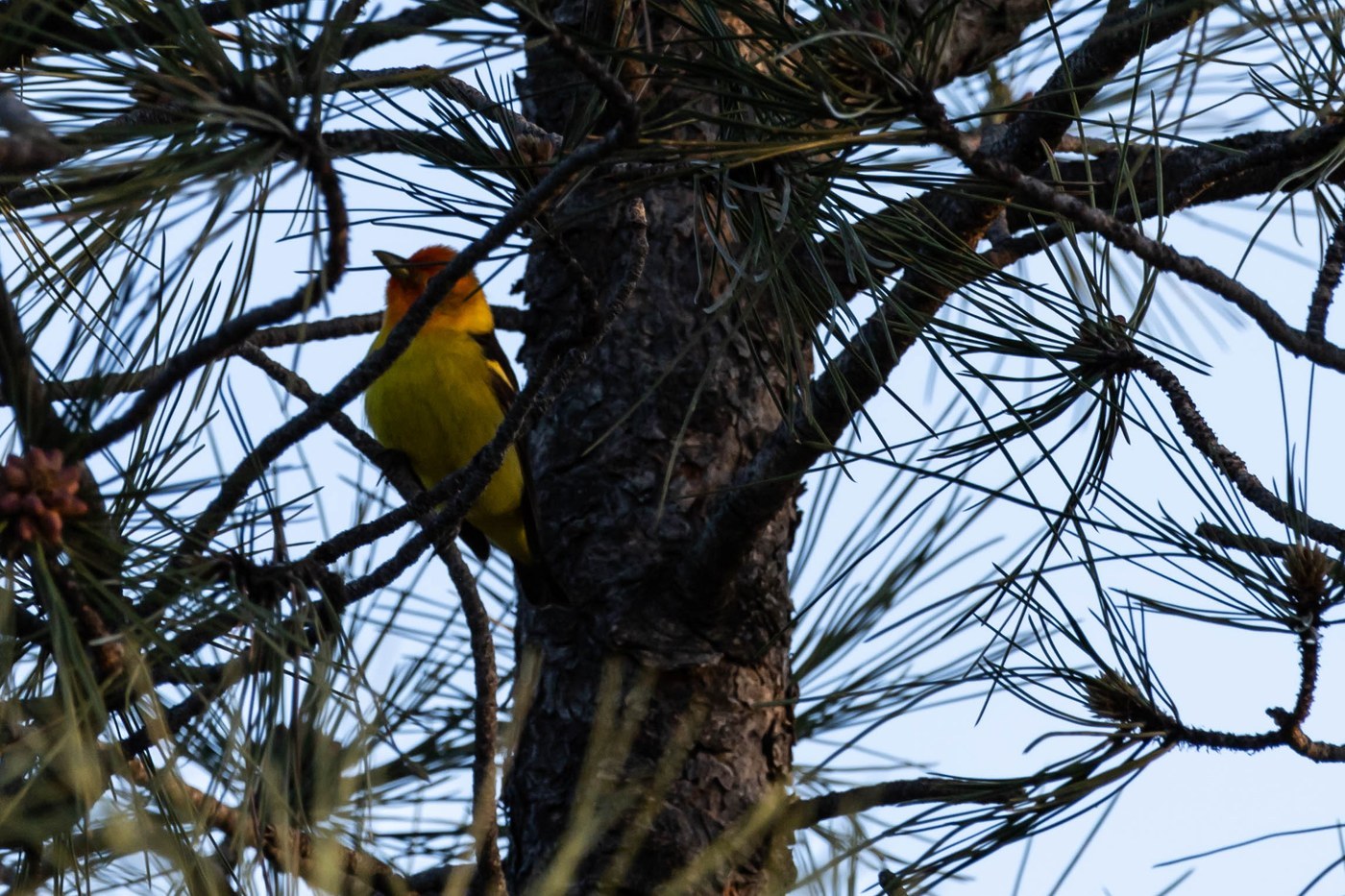
Western Tanager
Piranga ludoviciana
A vivid yellow-and-black tanager of western coniferous forests, with breeding males showing a striking orange-red head produced from a diet-derived pigment.
- Size
- 16-18 cm (6.3-7.1 in) long, 28-30 cm wingspan
- Habitat
- coniferous and mixed montane forests of the west
- Type
- songbird
Spotted a bird like this?
Identify any bird from a photo, free.
Overview
The Western Tanager is a brightly colored songbird of coniferous and mixed forests across the mountainous American West. Adult males combine a bright yellow body with black wings, back, and tail, set off by a strikingly orange-red head, a color unusual among North American birds because it is produced from a rare pigment, rhodoxanthin, likely obtained from insect prey rather than synthesized by the bird itself. Females and immature birds are more subdued, olive-yellow overall with dark gray-olive wings showing two pale wingbars.
Western Tanagers breed farther north than any other tanager species in North America, reaching well into the boreal forests of northwestern Canada and even into southern Alaska, an unusually high latitude for this largely tropical bird family.
How to identify it
Key Field Marks
- Adult male: bright yellow body, black wings, back, and tail, orange-red head
- Female/immature: olive-yellow overall, gray-olive wings with two pale (whitish to yellowish) wingbars
- Stout, pale bill
- Non-breeding male loses much of the red head color, becoming mostly yellow with a hint of orange
Similar Species
- Scarlet Tanager male lacks the orange-red head and yellow body, being entirely scarlet with black wings.
- American Goldfinch male is smaller with an all-black cap (not a full orange-red head) and a much smaller bill.
- Female Western Tanagers can resemble female orioles but are stockier with a heavier bill and prominent wingbars.
Habitat & range
Habitat
Breeds in coniferous and mixed montane forests, including pine, fir, and aspen woodlands, typically at moderate to high elevations in the mountainous West.
Range
Breeds from Alaska and western Canada south through the western United States to northern Mexico, reaching farther north than any other North American tanager. Winters mainly in Mexico and Central America.
Migration
A long-distance migrant; birds pass through lowland and desert areas during migration, often stopping at feeders and fruiting trees far from their forest breeding habitat.
Behavior & voice
Behavior
Western Tanagers forage in the forest canopy, gleaning insects from foliage and sallying out to catch flying prey; during migration they can turn up in a wide variety of habitats, including backyards, well outside their breeding range.
Voice
The song is a burry, robin-like series of phrases similar to the Scarlet Tanager's; the distinctive call is a dry, rising "pit-er-ick."
Feeding
Feeds on insects such as wasps, beetles, and caterpillars, along with fruit, and will visit backyard feeders offering fruit, suet, or sugar water during migration.
Nesting & Breeding
The female builds a loose cup nest of twigs and grass, typically placed on a horizontal conifer branch away from the trunk. She incubates 3-5 eggs alone.
Frequently asked questions
Why is the male Western Tanager's head orange-red?
The red pigment, rhodoxanthin, is unusual because the tanager cannot produce it itself and is thought to obtain it from insects in its diet that have fed on plants containing the pigment.
How far north does the Western Tanager breed?
It breeds farther north than any other North American tanager, reaching into the boreal forests of northwestern Canada and even southern Alaska.
How can you tell a Western Tanager from a Scarlet Tanager?
Western Tanager males have a bright yellow body with an orange-red head, while Scarlet Tanager males are entirely scarlet-red with black wings and no yellow.
What does a female Western Tanager look like?
Females are olive-yellow overall with gray-olive wings and two pale wingbars, lacking the male's black wings and orange-red head.
Western Tanager guides
In-depth guides for identifying, finding, and understanding Western Tanager.
Other birds you may enjoy
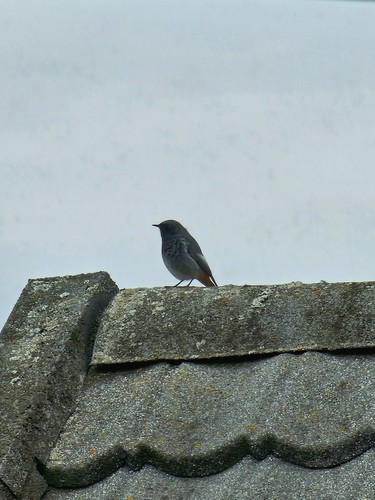
Black Redstart
13-14.5 cm (5.1-5.7 in) long, 23-26 cm wingspan
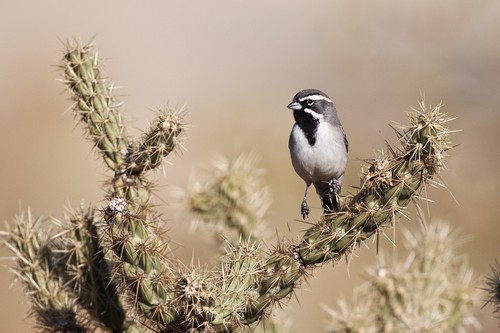
Black-throated Sparrow
12-14 cm (4.7-5.5 in) long, about 19-20 cm (7.5-8 in) wingspan
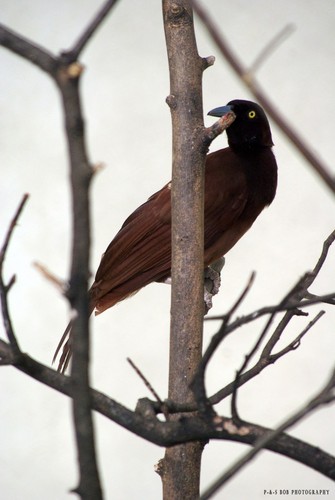
Greater Bird-of-paradise
Body about 43 cm; males with additional flank plumes up to 50 cm and long tail wires
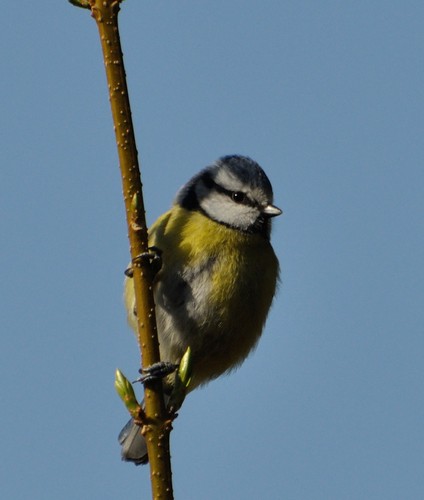
Blue Tit
11-12 cm (4.3-4.7 in) long, 17-20 cm wingspan
Red-billed Quelea
11.5–13 cm long, wingspan about 20–22 cm
White-plumed Antbird
13-14 cm (5-5.5 in) long
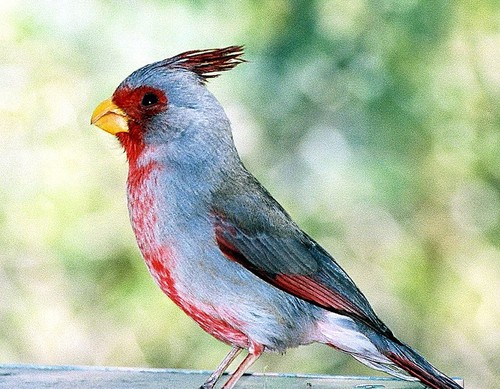
Pyrrhuloxia
19-22 cm (7.5-8.7 in) long, 30 cm wingspan
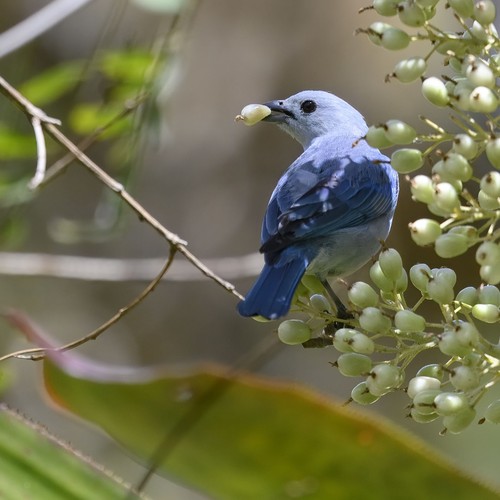
Blue-gray Tanager
16-18 cm (6-7 in) long
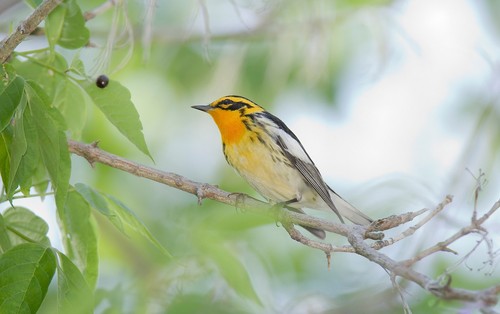
Blackburnian Warbler
11-13 cm (4.3-5.1 in) long, 20-22 cm wingspan
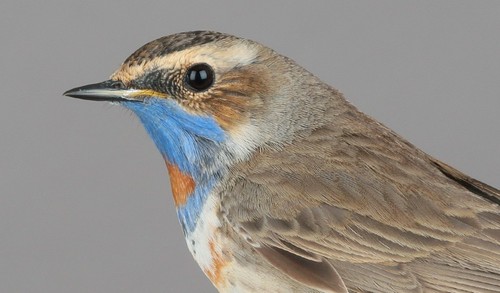
Bluethroat
13-14 cm (5.1-5.5 in) long, 20-22 cm wingspan
Eurasian Nuthatch
12-14.5 cm (4.7-5.7 in) long, 22.5-27 cm wingspan
Wood Thrush
19-21 cm (7.5-8.3 in) long, about 33 cm (13 in) wingspan