
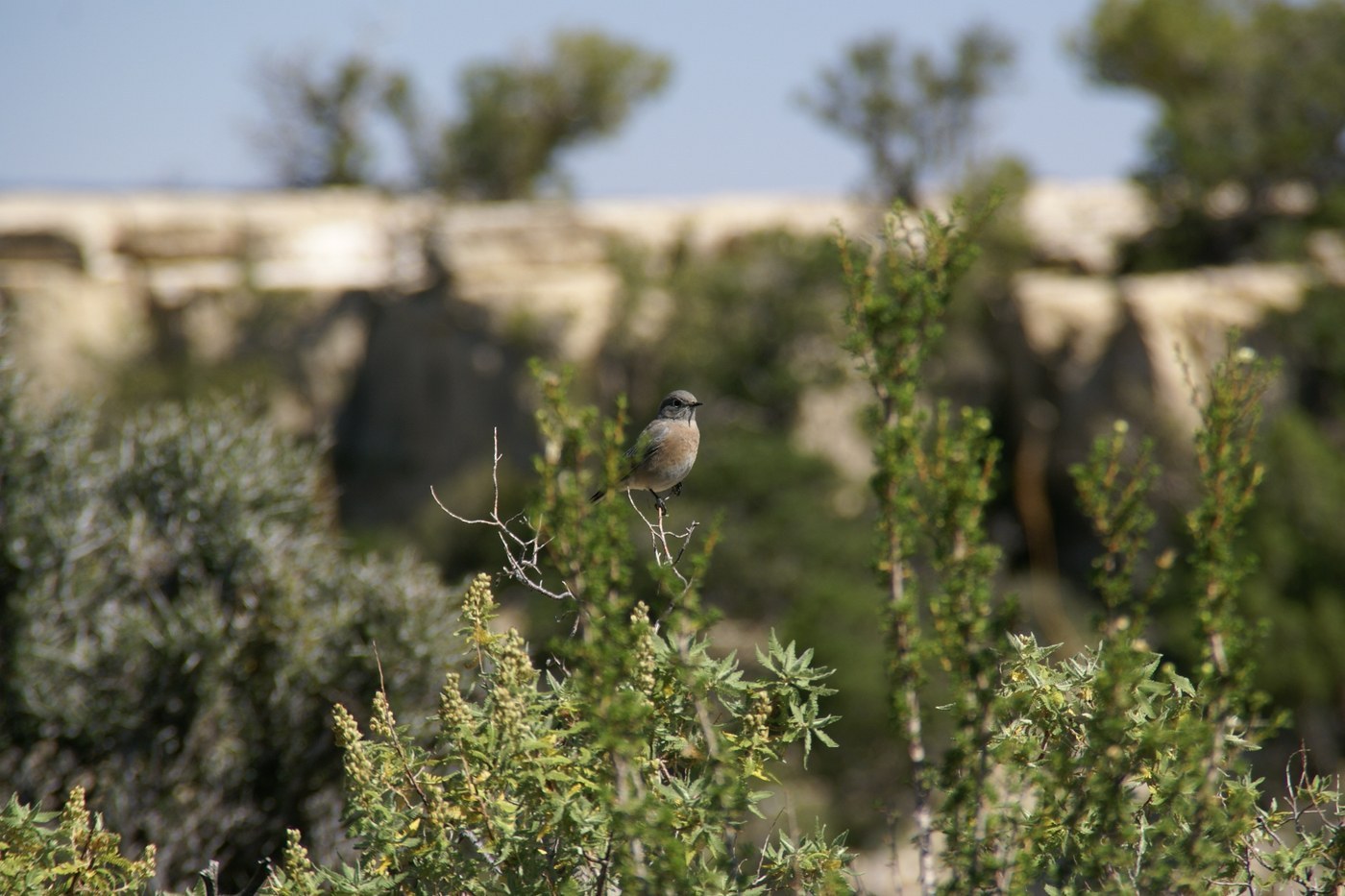
Western Bluebird
Sialia mexicana
A vivid blue thrush of the West with a blue (not orange) throat, chestnut breast and shoulders, and often a chestnut patch on the back.
- Size
- 16-18 cm (6.3-7 in) long, 32-36 cm (12.5-14 in) wingspan
- Habitat
- open woodlands, orchards, and grasslands with scattered trees in the western U.S.
- Type
- songbird
Spotted a bird like this?
Identify any bird from a photo, free.
Overview
The Western Bluebird is a small thrush of open woodlands and grasslands across the western United States, closely related to the Eastern Bluebird but distinguishable by its plumage pattern. Males have deep blue on the head, wings, and tail, a chestnut-orange breast and flanks, and often a chestnut patch across the upper back, with the throat remaining blue rather than orange. Females are duller, with grayish-brown upperparts washed with blue on the wings and tail, and a muted orange breast.
This species is often found in loose flocks, especially in winter, and readily uses nest boxes, benefiting from conservation programs similar to those that helped Eastern Bluebird populations recover.
How to identify it
Key Field Marks
- Male: blue head, wings, and tail; blue throat (not orange); chestnut breast, flanks, and often a chestnut back patch
- Female: duller grayish-brown with blue-washed wings and tail, pale orange breast
- Compact, thrush-like body with an upright perching posture
- Often perches on fence lines, wires, or low tree branches
Similar Species
- Eastern Bluebird: male has an orange (not blue) throat and lacks the chestnut back patch; ranges are largely separate with little overlap.
- Mountain Bluebird: male is entirely sky blue without any chestnut or orange tones; found in more open, treeless habitat, often at higher elevations or more northern latitudes.
- Lazuli Bunting (male): also blue with an orange breast, but much smaller, with white wing bars and a stubby conical seed-eating bill.
Habitat & range
Habitat
Western Bluebirds favor open woodlands, especially oak and pine woodlands, as well as orchards, burned or logged forest openings, and grasslands with scattered trees for nesting and perching.
Range
They are resident or short-distance migrants across the western United States, from the Pacific coast to the Rocky Mountains, and south into parts of Mexico.
Migration
Some populations, especially at higher elevations, migrate to lower elevations or move south in winter, while others remain resident year-round; wintering birds often gather in loose flocks and forage together.
Behavior & voice
Behavior
Western Bluebirds often forage from a perch, watching the ground and dropping down to catch insects, and outside the breeding season they commonly form small flocks, sometimes mixing with Mountain Bluebirds where ranges overlap.
Voice
The song is a soft, low, warbled series of notes, quieter and less musical than the Eastern Bluebird's song; calls include a short, low "few" or "mew" note.
Feeding
Insects such as beetles, grasshoppers, and caterpillars make up much of the diet during the breeding season, while berries and fruit, including mistletoe berries, become important in fall and winter.
Nesting & Breeding
Western Bluebirds nest in cavities, including old woodpecker holes and nest boxes, and are sometimes cooperative breeders, with helper birds (often offspring from a previous brood) assisting in raising young. They typically lay 4-6 pale blue eggs.
Frequently asked questions
How do you tell a Western Bluebird from an Eastern Bluebird?
Male Western Bluebirds have a blue throat (rather than orange) and often show a chestnut patch on the upper back, while male Eastern Bluebirds have an orange throat and lack the chestnut back patch; the two species' ranges barely overlap.
Do Western Bluebirds use nest boxes?
Yes, they readily use nest boxes as secondary cavity nesters, and nest box programs in parts of the West have supported local populations similarly to Eastern Bluebird conservation efforts.
Do Western Bluebirds migrate?
Migration varies by population; birds at higher elevations often move to lower elevations or migrate short distances south in winter, while other populations are year-round residents.
What is unusual about Western Bluebird breeding behavior?
Some Western Bluebird pairs practice cooperative breeding, where young from an earlier brood or unrelated helpers assist in feeding and defending a later nest of chicks.
What do Western Bluebirds eat?
They eat mainly insects during the breeding season and shift to berries and fruit, including mistletoe berries, during fall and winter.
Western Bluebird guides
In-depth guides for identifying, finding, and understanding Western Bluebird.
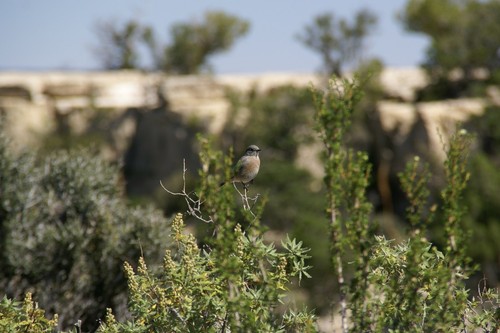
Western Bluebird identified by the community
Real birds identified with Bird Identifier.
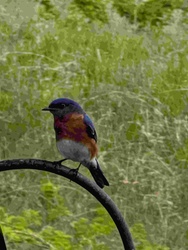
Other birds you may enjoy
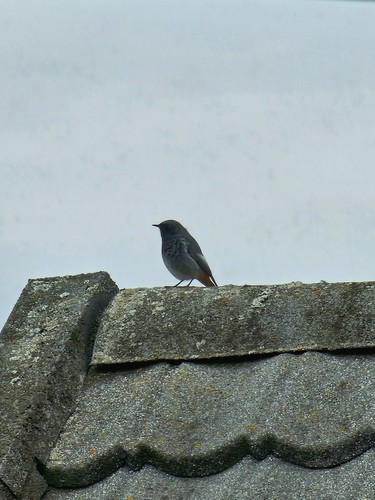
Black Redstart
13-14.5 cm (5.1-5.7 in) long, 23-26 cm wingspan
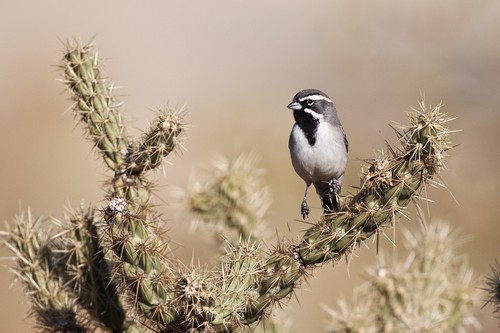
Black-throated Sparrow
12-14 cm (4.7-5.5 in) long, about 19-20 cm (7.5-8 in) wingspan
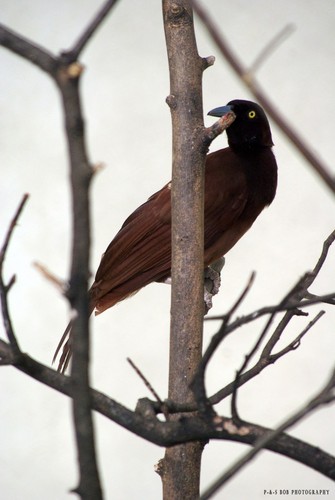
Greater Bird-of-paradise
Body about 43 cm; males with additional flank plumes up to 50 cm and long tail wires
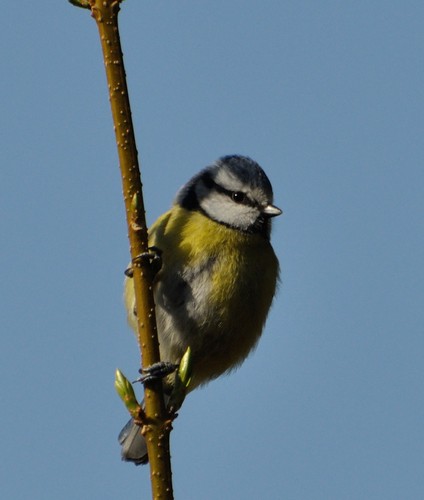
Blue Tit
11-12 cm (4.3-4.7 in) long, 17-20 cm wingspan
Red-billed Quelea
11.5–13 cm long, wingspan about 20–22 cm
White-plumed Antbird
13-14 cm (5-5.5 in) long
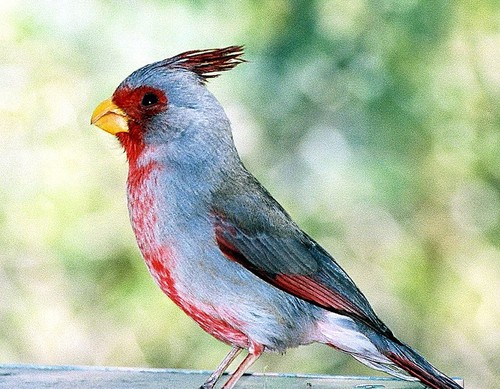
Pyrrhuloxia
19-22 cm (7.5-8.7 in) long, 30 cm wingspan
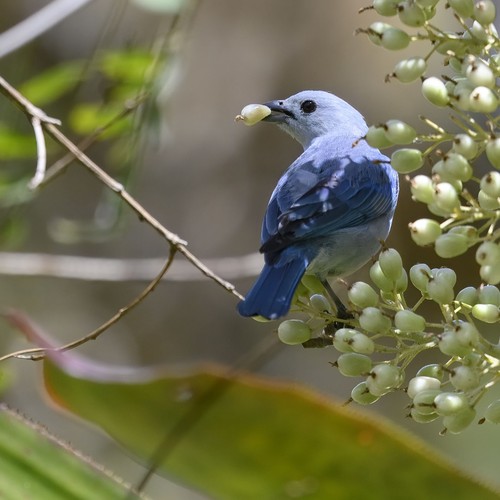
Blue-gray Tanager
16-18 cm (6-7 in) long
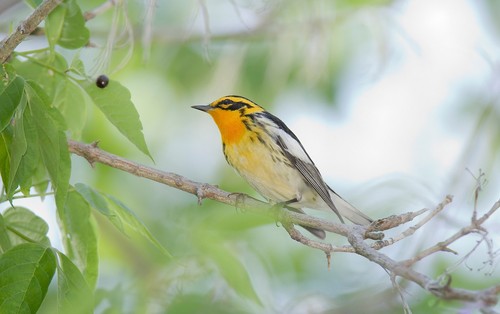
Blackburnian Warbler
11-13 cm (4.3-5.1 in) long, 20-22 cm wingspan
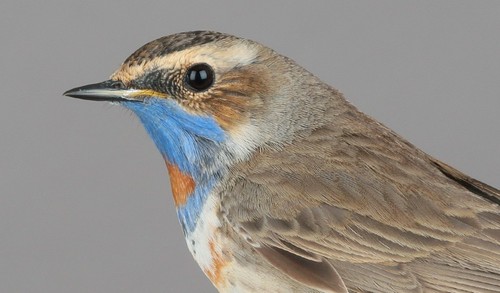
Bluethroat
13-14 cm (5.1-5.5 in) long, 20-22 cm wingspan
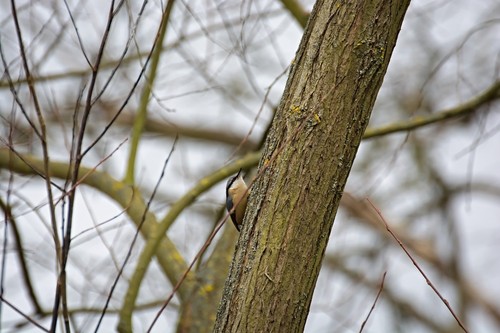
Eurasian Nuthatch
12-14.5 cm (4.7-5.7 in) long, 22.5-27 cm wingspan
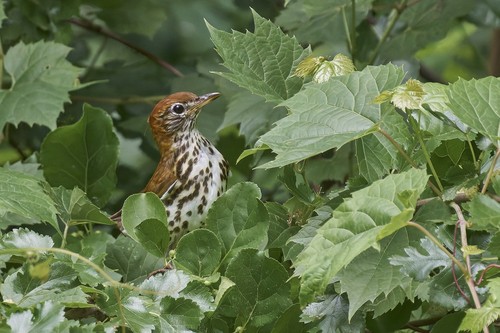
Wood Thrush
19-21 cm (7.5-8.3 in) long, about 33 cm (13 in) wingspan