
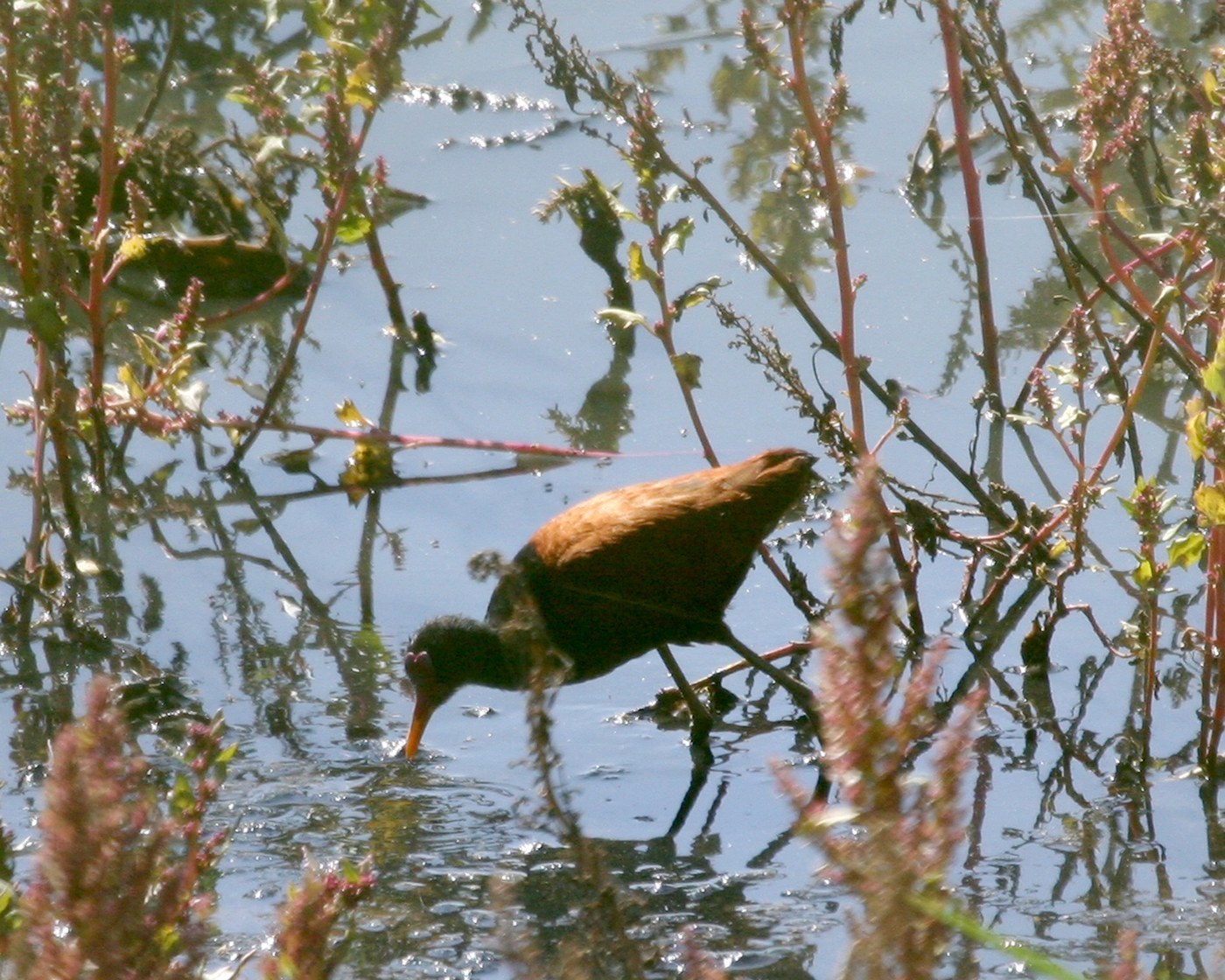
Wattled Jacana
Jacana jacana
A chestnut-and-black marsh bird with extraordinarily long toes that let it walk across floating lily pads, notable for its role-reversed breeding system.
- Size
- 17-23 cm (7-9 in) long
- Habitat
- freshwater marshes, ponds, and lakes with floating vegetation
- Type
- wading-bird
Spotted a bird like this?
Identify any bird from a photo, free.
Overview
The Wattled Jacana is a distinctive wetland bird best known for its extraordinarily long toes and claws, an adaptation that spreads its weight so it can walk across floating aquatic vegetation such as lily pads without sinking. Plumage is deep chestnut over most of the body with a black head and neck, set off by a yellow frontal shield and red wattles above the bill; in flight, the flight feathers flash pale yellow-green. It is widespread in wetlands from Panama through much of South America.
How to identify it
Key field marks
- Chestnut body with black head and neck.
- Yellow bill with a yellow frontal shield and red facial wattles.
- Extremely long toes and claws, evident when walking on floating vegetation.
- Yellow-green flight feathers visible in flight.
Similar species
Northern Jacana (found from Mexico to western Panama) is very similar but the two species' ranges barely overlap; Northern Jacana has a slightly different wattle shape. Within most of its South American range, the Wattled Jacana is the only jacana present.
Habitat & range
Wattled Jacanas inhabit freshwater marshes, ponds, lake edges, and slow-moving rivers with abundant floating and emergent vegetation, from lowlands up to moderate elevations. The species ranges from Panama through most of South America east of the Andes to northern Argentina. It is largely resident, though some local movements track water levels and habitat availability.
Behavior & voice
Voice
A loud, harsh, chattering rattle, given frequently, especially when disturbed or during territorial disputes.
Feeding
Jacanas walk deliberately across floating vegetation, picking insects, other small invertebrates, and occasional seeds from leaves and the water's surface.
Nesting and breeding
The species has a polyandrous mating system: females are larger and more brightly ornamented (larger wattles) than males, mate with multiple males within a territory, and lay clutches for each; the males alone incubate the eggs and care for the precocial chicks, which can walk and swim shortly after hatching.
Frequently asked questions
Why does the Wattled Jacana have such long toes?
Its long toes and claws distribute body weight over a wide area, letting it walk across floating lily pads and other aquatic vegetation without sinking.
Who raises the chicks in Wattled Jacanas?
Males do essentially all incubation and chick care; females are polyandrous, mating with multiple males and defending a territory containing several males' nests.
How can you identify a Wattled Jacana?
Look for a chestnut body, black head and neck, yellow bill with a yellow frontal shield, and red facial wattles, plus very long toes.
Where do Wattled Jacanas live?
In freshwater marshes and ponds with floating vegetation from Panama through most of South America.
Wattled Jacana guides
In-depth guides for identifying, finding, and understanding Wattled Jacana.
Other birds you may enjoy
Demoiselle Crane
85-100 cm (33-39 in) long, 155-180 cm wingspan
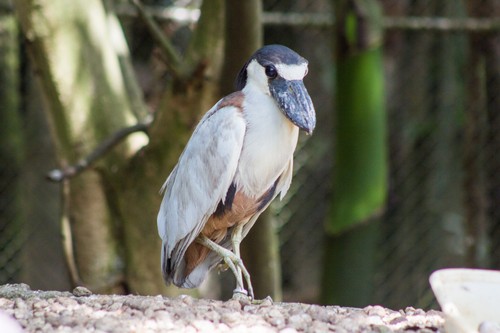
Boat-billed Heron
41-56 cm (16-22 in) long
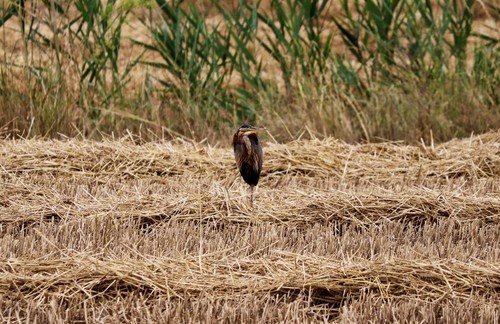
Purple Heron
78-90 cm (31-35 in) long, 120-152 cm wingspan
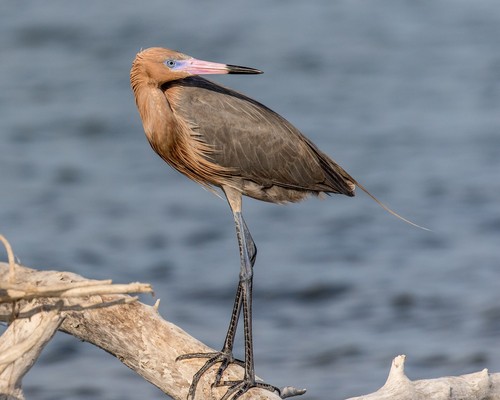
Reddish Egret
68-82 cm (27-32 in) long, 116-125 cm wingspan
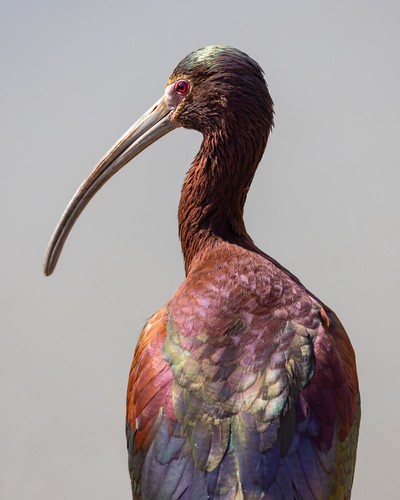
White-faced Ibis
46-56 cm (18-22 in) long, 88-93 cm wingspan
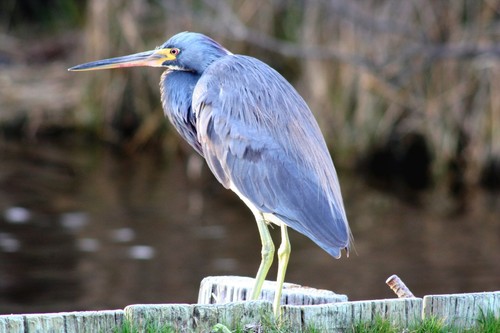
Tricolored Heron
61-76 cm (24-30 in) long, about 96 cm wingspan
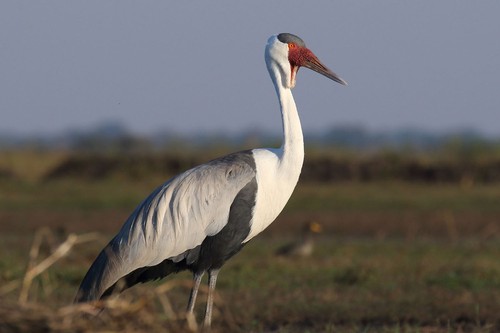
Wattled Crane
120-175 cm (47-69 in) tall, one of the tallest cranes, wingspan up to about 230 cm (7.5 ft)
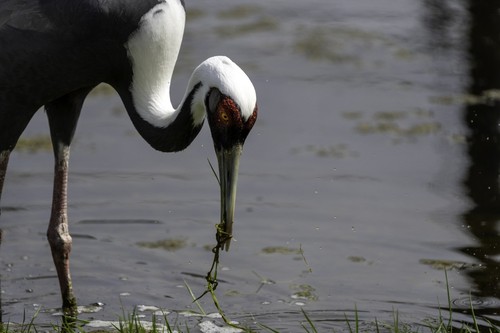
White-naped Crane
112-125 cm (44-49 in) long, 195-210 cm wingspan
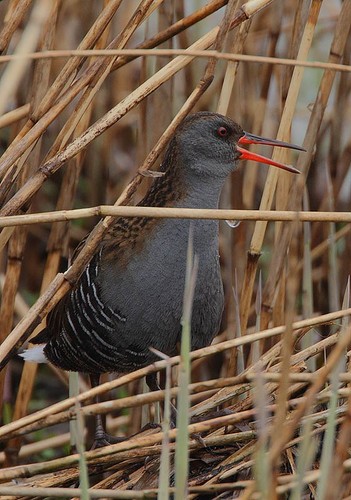
Water Rail
23-28 cm (9-11 in) long, wingspan 38-45 cm
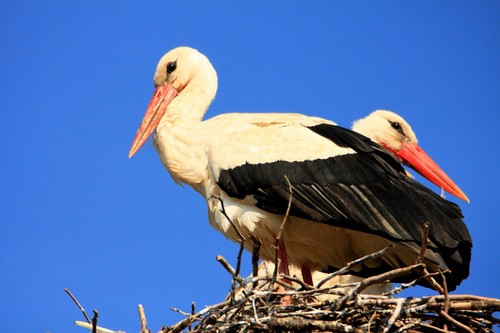
White Stork
100-125 cm (39-49 in) long, 155-215 cm wingspan
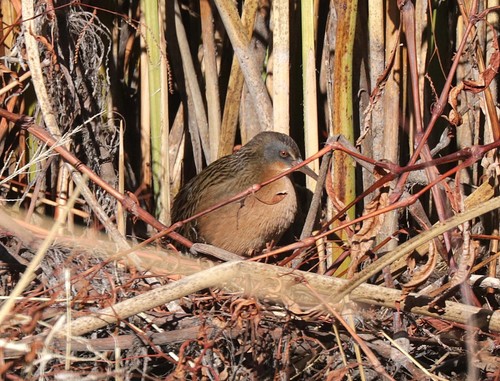
Virginia Rail
20-27 cm (8-11 in) long, wingspan 32-38 cm
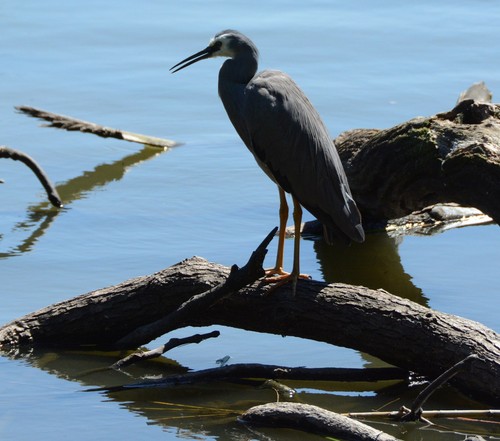
White-faced Heron
60-70 cm (24-28 in) long, 106 cm wingspan