
Wattled Jacana Identification Guide
The Wattled Jacana is a South American wetland bird identified by its chestnut body, black head with a yellow facial shield and wattles, and enormously long toes for walking on floating vegetation.
Read the full Wattled Jacana encyclopedia entry →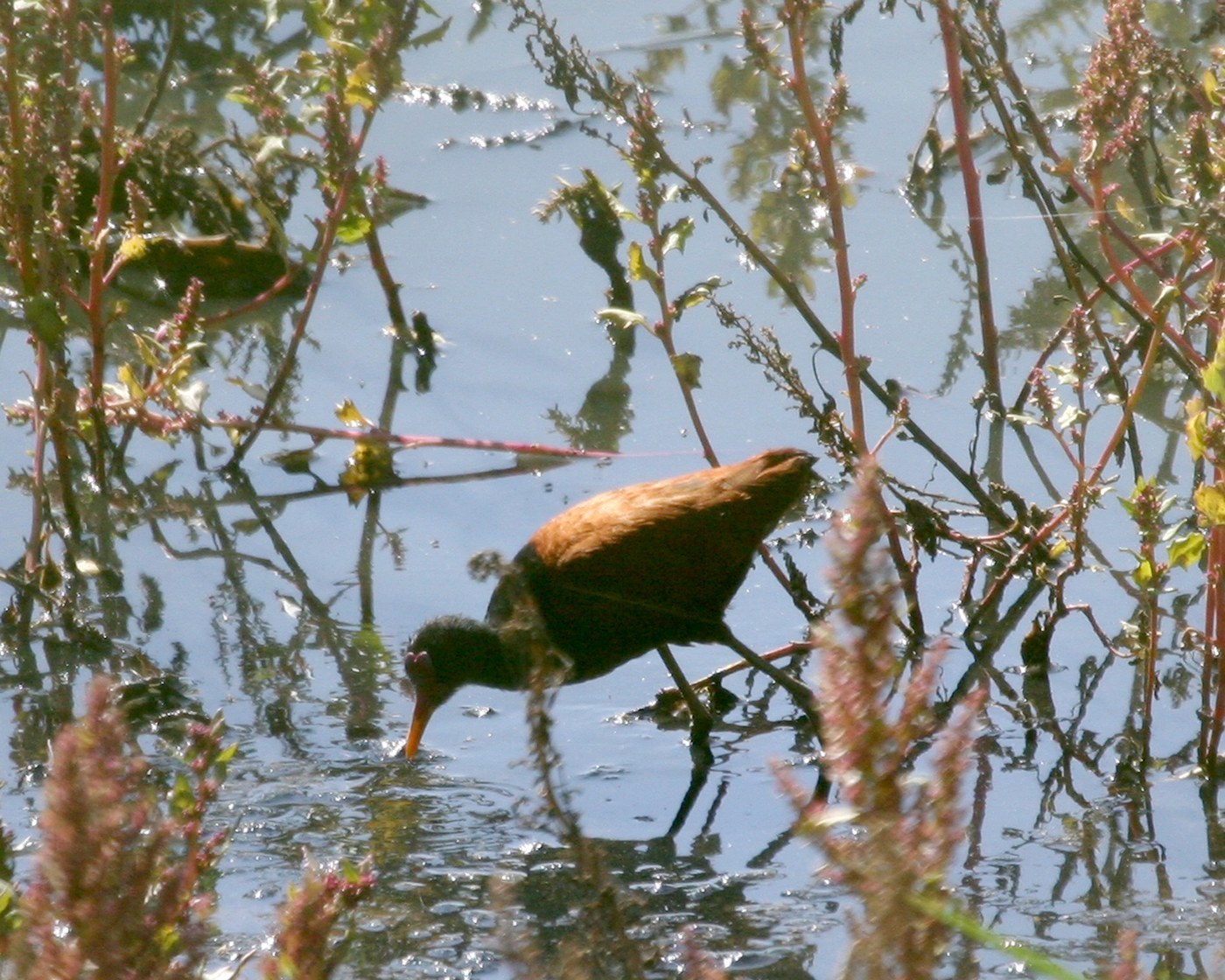
Key Field Marks
- Size and shape: A medium-sized shorebird-like wetland bird, roughly 22-25 cm long, with an unmistakable "lily-trotter" body plan.
- Toes: Extremely long toes and claws that spread the bird's weight across floating vegetation such as lily pads.
- Head and bill: Black head and neck with a bright yellow frontal shield and fleshy wattles at the base of the bill; bill yellow with a greenish tip.
- Body: Rich chestnut-maroon body plumage.
- Flight: Bright yellow-green flight feathers (primaries and secondaries) flash conspicuously against the dark body in flight or when wings are raised.
- Juveniles: Strikingly different — white underparts, brown upperparts, a dark eye-stripe, and no yellow facial shield or wattles, resembling a small plover.
Separating It From Similar Species
- Northern Jacana: Very similar in plumage; ranges barely overlap (Northern Jacana occurs from Mexico through Panama, Wattled Jacana from Panama southward through most of South America). Where ranges meet, wattle shape and shield structure differ subtly, though careful study is often needed.
- Juvenile jacanas vs. plovers: Juvenile Wattled Jacanas can suggest a plover but show disproportionately long toes and legs and are found walking on floating vegetation rather than open shorelines.
Behavior & Habitat
Walks confidently across floating vegetation such as water lilies and other aquatic plants on freshwater marshes, ponds, and lake edges. Practices polyandry — females mate with multiple males, who take on most incubation and chick-rearing duties. When alarmed, birds raise their wings to flash the yellow flight feathers.
Habitat, Range & Season
Common and widespread in freshwater wetlands throughout South America east of the Andes, plus Panama; largely resident, with some local movements tied to water levels.
Voice
Loud, harsh, rattling chatter, often given repeatedly and noisily when disturbed or in territorial disputes.
Frequently asked questions
What is the most distinctive feature of the Wattled Jacana?
Its extremely long toes, which let it walk on floating lily pads and aquatic vegetation, combined with a chestnut body, black head, and yellow facial shield and wattles.
How can I tell an adult from a juvenile Wattled Jacana?
Juveniles look completely different — white below, brown above, with a dark eye-stripe and no yellow shield or wattles — more like a small plover than the chestnut adult.
How do I separate Wattled Jacana from Northern Jacana?
Their ranges barely overlap — Northern Jacana is found from Mexico to Panama, Wattled Jacana from Panama south through South America — and where they meet, subtle differences in the shape of the facial wattles help distinguish them.
What habitat does the Wattled Jacana prefer?
Freshwater marshes, ponds, and lake edges with floating vegetation like water lilies, across South America east of the Andes and in Panama.