
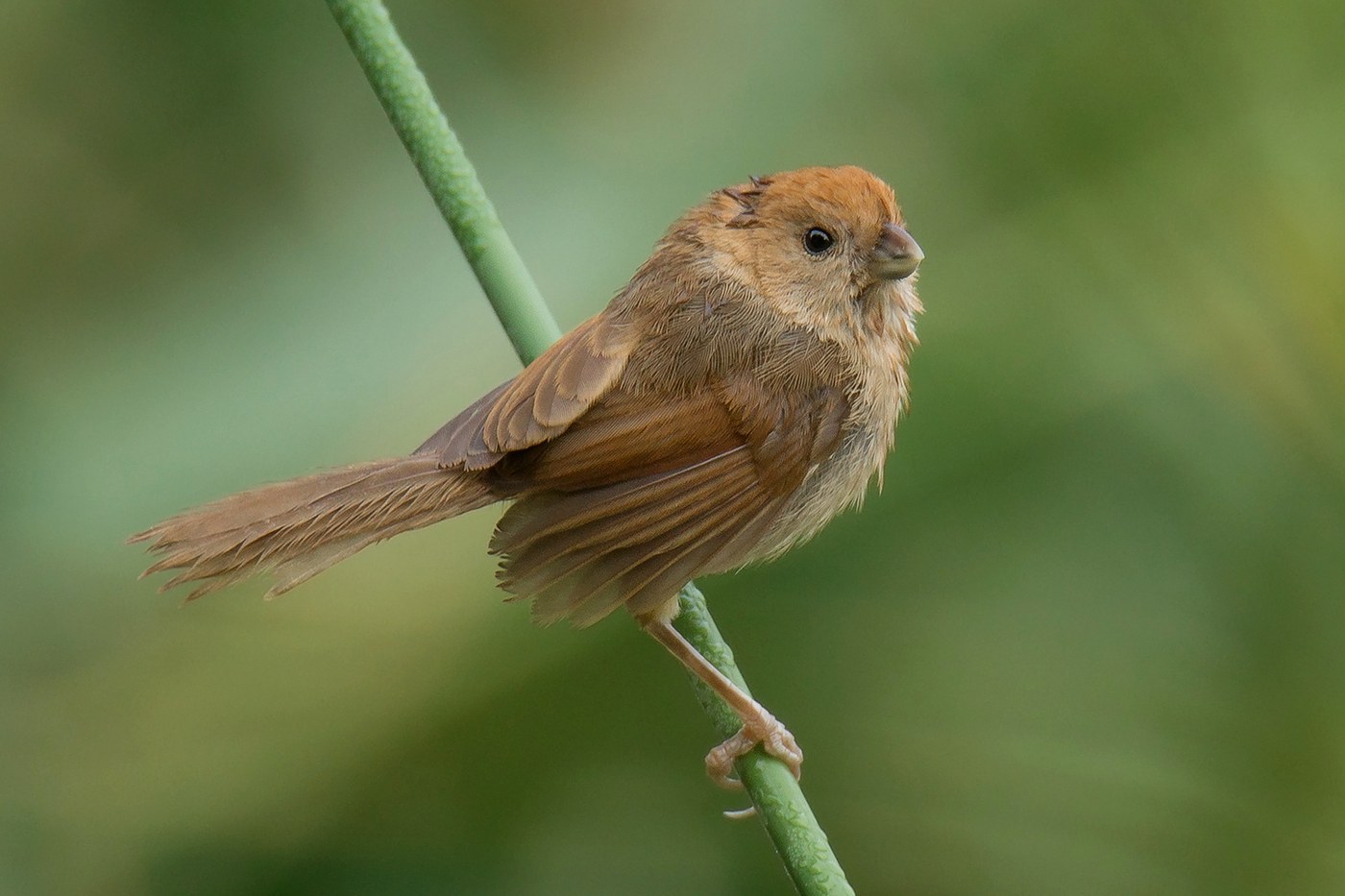
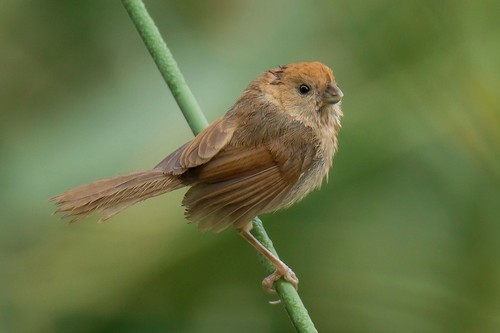
Vinous-throated Parrotbill
Sinosuthora webbiana
A tiny, cinnamon-brown, long-tailed songbird with a stubby parrot-like bill, usually seen moving through scrub in noisy, gregarious flocks.
- Size
- 11-13 cm (4.3-5 in) long
- Habitat
- scrub, reedbeds, grassland edges, and thickets
- Type
- songbird
Spotted a bird like this?
Identify any bird from a photo, free.
Overview
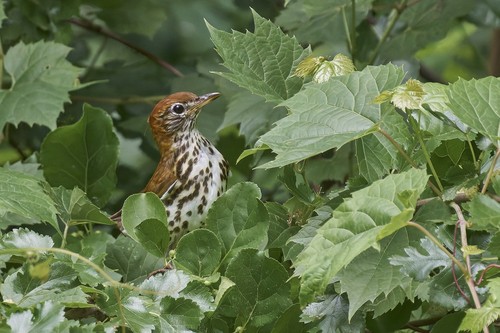
The Vinous-throated Parrotbill is a small, warm cinnamon-brown bird named for its short, stubby, slightly downcurved bill, which resembles a miniature parrot's bill and gives the whole family its common name. The plumage is a soft rufous-brown overall, with a faint vinous-pink wash across the throat and upper breast that is more noticeable in good light, and the tail is proportionally long and often held cocked.
Rarely seen alone, this species moves through dense low vegetation in tight, constantly chattering flocks that can number from a handful to dozens of birds, foraging together and roosting communally, especially outside the breeding season.
How to identify it
Key field marks
- Small size with warm cinnamon-brown plumage overall
- Short, stubby, slightly downcurved bill
- Subtle vinous-pink wash on the throat and upper breast
- Long tail, often held cocked, and highly gregarious behavior
Similar species
- Other parrotbill species can look similar but generally differ in range, bill size, or head pattern; the combination of small size, plain cinnamon coloring, and constant flocking behavior helps identify this species.
- Superficially similar small brown birds such as bush warblers lack the distinctive stubby bill.
Habitat & range
Habitat
Inhabits dense scrub, reedbeds, grassy thickets, forest edge, and overgrown fields, generally staying low and close to cover.
Range
Widespread across eastern China, Taiwan, the Korean Peninsula, and parts of southeastern Russia, with introduced or naturally expanding populations recorded in Japan.
Migration
Mostly resident, though flocks may wander locally in search of food, especially in winter.
Behavior & voice
Behavior
Highly social, moving and foraging in tight flocks that keep in constant vocal contact; birds often huddle together on cold nights to conserve heat.
Voice
A constant, chattering series of short, harsh calls kept up by flock members, along with a simple, repetitive song.
Feeding
Forages low in scrub and grass for insects and seeds, gleaning from stems and leaves and sometimes feeding on the ground.
Nesting
Builds a compact cup nest low in dense shrubs or grass tussocks; lays 3-5 pale blue eggs, sometimes with cooperative breeding involving helpers.
Frequently asked questions
Why is it called a parrotbill?
Its short, stubby, slightly downcurved bill resembles a tiny parrot's bill, giving the whole parrotbill family, including this species, its common name.
How can you identify a Vinous-throated Parrotbill?
Look for a small, warm cinnamon-brown bird with a stubby bill, a subtle pinkish wash on the throat, and a long tail, usually traveling in noisy flocks.
What does a Vinous-throated Parrotbill eat?
Mostly insects and seeds gleaned from scrub, grass, and low vegetation.
Where does the Vinous-throated Parrotbill live?
In dense scrub, reedbeds, and grassy thickets across eastern China, Taiwan, Korea, and parts of Russia and Japan.
Vinous-throated Parrotbill guides
In-depth guides for identifying, finding, and understanding Vinous-throated Parrotbill.
Other birds you may enjoy
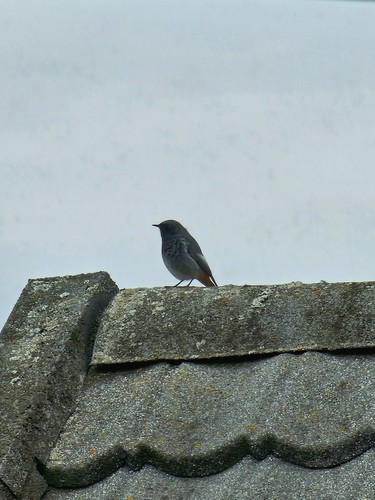
Black Redstart
13-14.5 cm (5.1-5.7 in) long, 23-26 cm wingspan
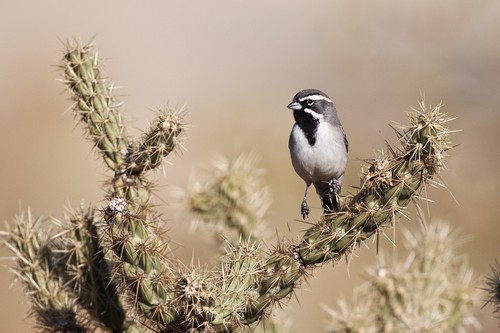
Black-throated Sparrow
12-14 cm (4.7-5.5 in) long, about 19-20 cm (7.5-8 in) wingspan
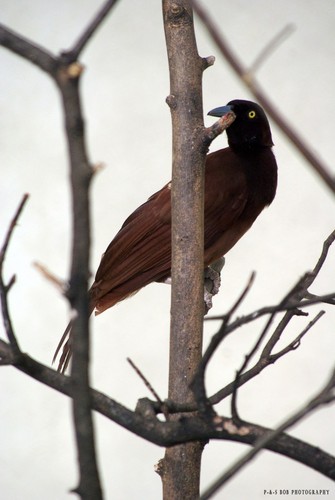
Greater Bird-of-paradise
Body about 43 cm; males with additional flank plumes up to 50 cm and long tail wires
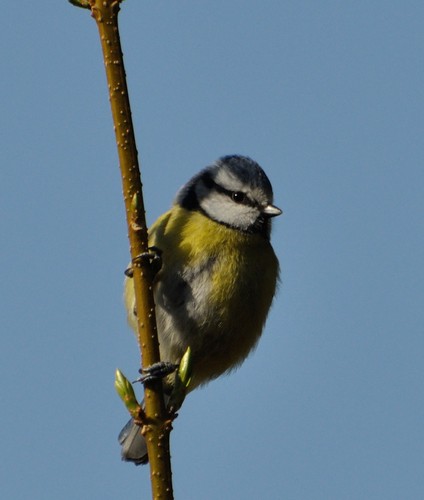
Blue Tit
11-12 cm (4.3-4.7 in) long, 17-20 cm wingspan
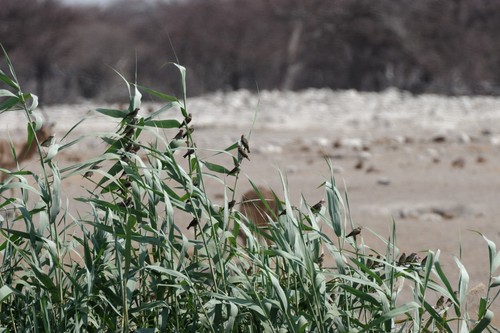
Red-billed Quelea
11.5–13 cm long, wingspan about 20–22 cm
White-plumed Antbird
13-14 cm (5-5.5 in) long
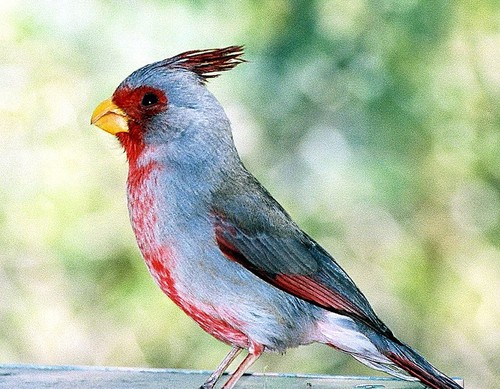
Pyrrhuloxia
19-22 cm (7.5-8.7 in) long, 30 cm wingspan
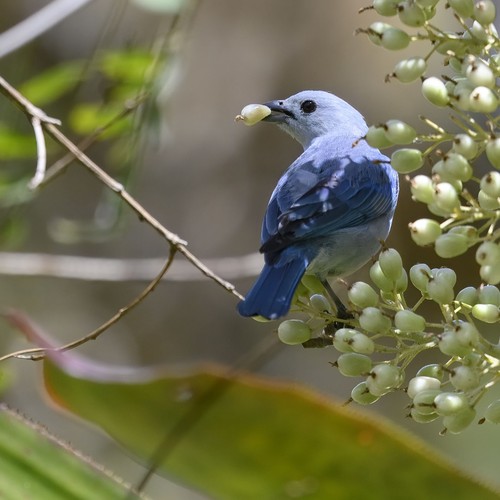
Blue-gray Tanager
16-18 cm (6-7 in) long
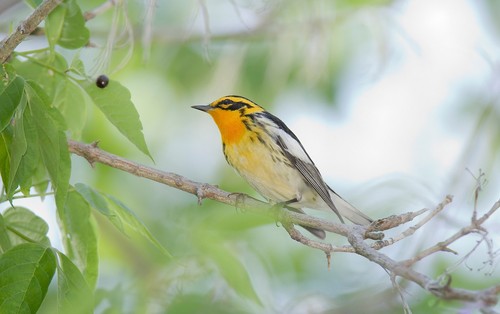
Blackburnian Warbler
11-13 cm (4.3-5.1 in) long, 20-22 cm wingspan
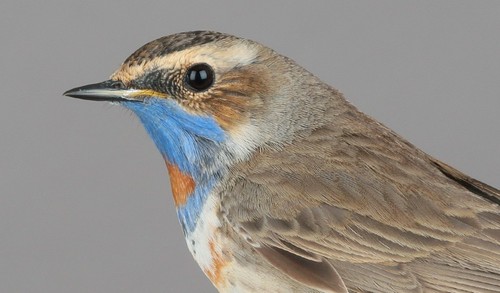
Bluethroat
13-14 cm (5.1-5.5 in) long, 20-22 cm wingspan
Eurasian Nuthatch
12-14.5 cm (4.7-5.7 in) long, 22.5-27 cm wingspan
Wood Thrush
19-21 cm (7.5-8.3 in) long, about 33 cm (13 in) wingspan