
Village Weaver
Ploceus cucullatus
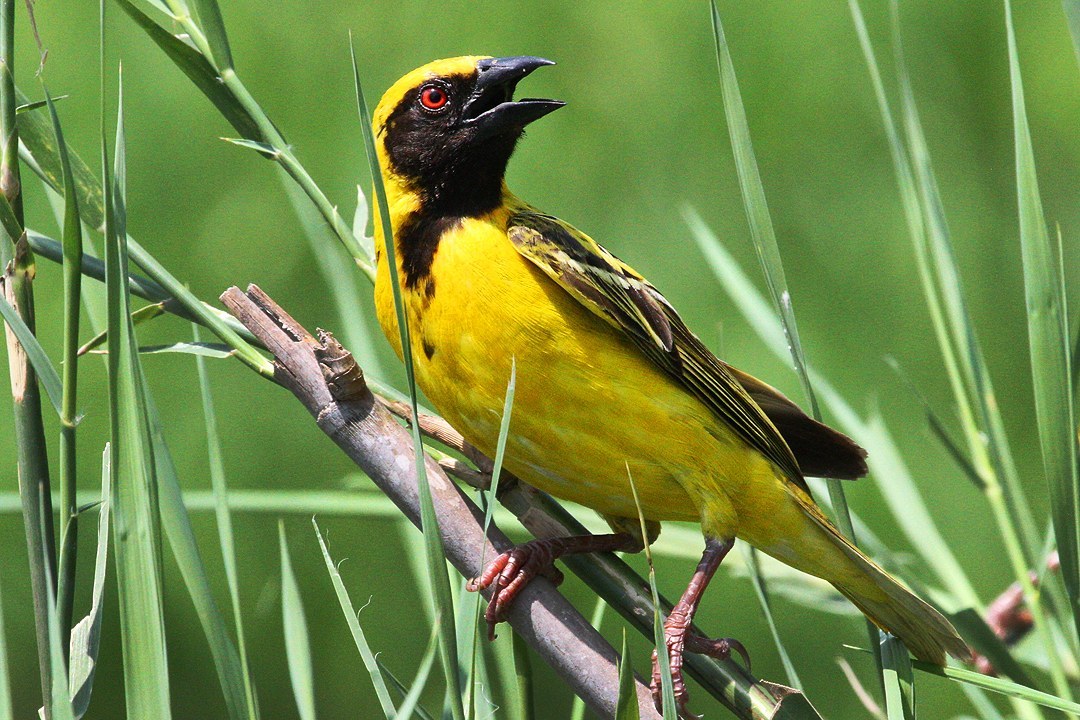
A widespread, noisy African weaver whose breeding males show a black hood, a mottled black-and-yellow back, and red eyes, best known for large, busy nesting colonies.
- Size
- 15–17 cm long, wingspan about 25–27 cm
- Habitat
- Savanna, forest edge, farmland, and urban gardens across sub-Saharan Africa
- Type
- songbird
Spotted a bird like this?
Identify any bird from a photo, free.
Overview
The Village Weaver, also called the Spotted-backed Weaver, is a common and highly social weaverbird found across much of sub-Saharan Africa, often nesting conspicuously around villages, farms, and towns.
Appearance
- Breeding male: black hood covering the head and throat, bright yellow body, chestnut-tinged nape in some populations, and a back mottled with black spots on yellow-green
- Red or orange-red eyes and a heavy black bill
- Non-breeding male and female: duller olive-yellow with a streaked back and paler eyes, lacking the black hood
Plumage varies somewhat across its wide range, with several recognized subspecies differing slightly in the extent of the black hood and back markings.
How to identify it
Key field marks
- Breeding male: black hood, mottled black-and-yellow (spotted) back, and red eye
- Heavier bill and more extensive black on the head compared with masked weavers
Similar species
- Southern Masked Weaver has a plain, unspotted yellow-green back and a mask confined mostly to the face rather than a full black hood.
- Other Ploceus weavers can be confusingly similar; the combination of a spotted back and full black hood is the most reliable feature for Village Weaver.
- Females and non-breeding males are best separated from other weavers by range, back streaking pattern, and eye color.
Habitat & range
Range
Widespread across sub-Saharan Africa, from Senegal and Gambia east to Ethiopia and Kenya, and south through Central Africa to South Africa; also introduced to parts of the Caribbean, Indian Ocean islands, and elsewhere.
Habitat
Highly adaptable, using savanna, forest edges, wetlands, farmland, and especially urban and suburban gardens where trees and water are available.
Movements
Mostly resident, with some local movements linked to food availability and rainfall.
Behavior & voice
Behavior
Highly social and colonial, nesting in noisy colonies that can number in the dozens to hundreds of nests, often in a single large tree; males are polygynous, mating with multiple females across the colony.
Voice
A harsh, chattering, wheezy song mixed with buzzes and swizzles, constantly given by displaying males, creating a loud chorus at active colonies.
Feeding
Feeds on the ground and in vegetation, taking seeds, grain, and insects, and readily exploits cultivated and urban food sources.
Nesting
Males weave tightly constructed, kidney- or oval-shaped nests with a short entrance tunnel from strips of grass and leaves, often stripping trees of leaves near the colony; nests are frequently built over water to deter predators, and females select a nest before breeding.
Frequently asked questions
How do you recognize a male Village Weaver?
Look for a black hood over the head and throat, a spotted or mottled black-and-yellow back, and red eyes, especially during the breeding season.
What is another name for the Village Weaver?
It is also commonly called the Spotted-backed Weaver, referring to its mottled back pattern.
Where do Village Weavers build their nests?
They nest colonially, often in large trees near water or human settlements, weaving tightly constructed nests with a short entrance tunnel.
How does the Village Weaver differ from the Southern Masked Weaver?
The Village Weaver has a spotted back and a full black hood, while the Southern Masked Weaver has a plain yellow back and a black mask limited mainly to the face and throat.
Village Weaver guides
In-depth guides for identifying, finding, and understanding Village Weaver.
Other birds you may enjoy
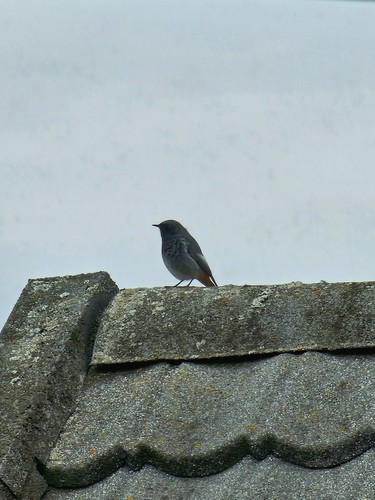
Black Redstart
13-14.5 cm (5.1-5.7 in) long, 23-26 cm wingspan
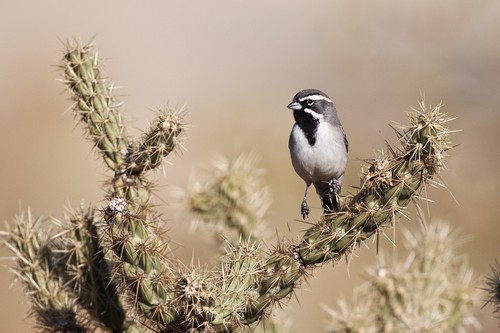
Black-throated Sparrow
12-14 cm (4.7-5.5 in) long, about 19-20 cm (7.5-8 in) wingspan
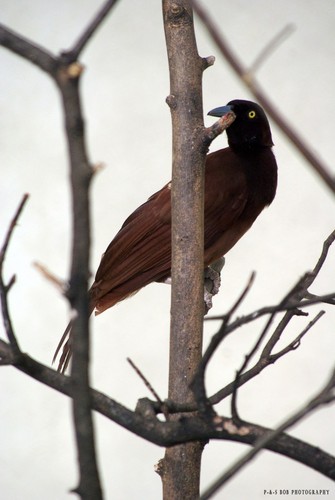
Greater Bird-of-paradise
Body about 43 cm; males with additional flank plumes up to 50 cm and long tail wires
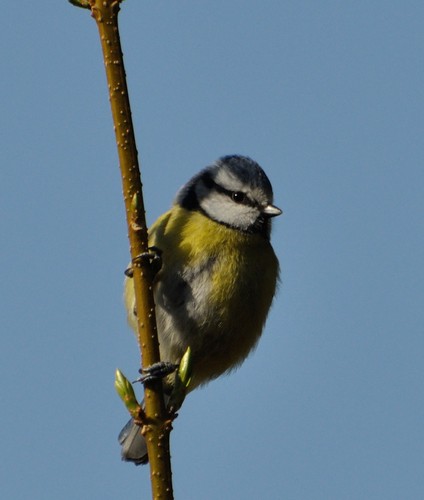
Blue Tit
11-12 cm (4.3-4.7 in) long, 17-20 cm wingspan
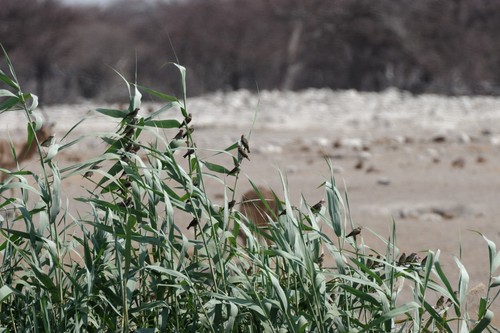
Red-billed Quelea
11.5–13 cm long, wingspan about 20–22 cm
White-plumed Antbird
13-14 cm (5-5.5 in) long
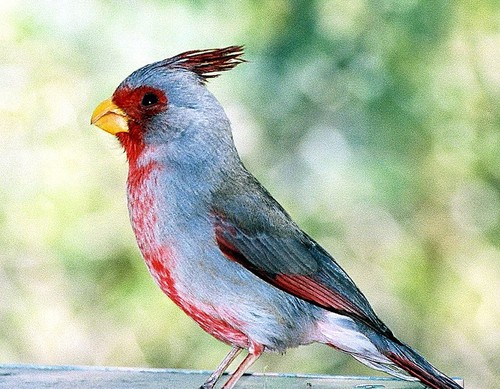
Pyrrhuloxia
19-22 cm (7.5-8.7 in) long, 30 cm wingspan
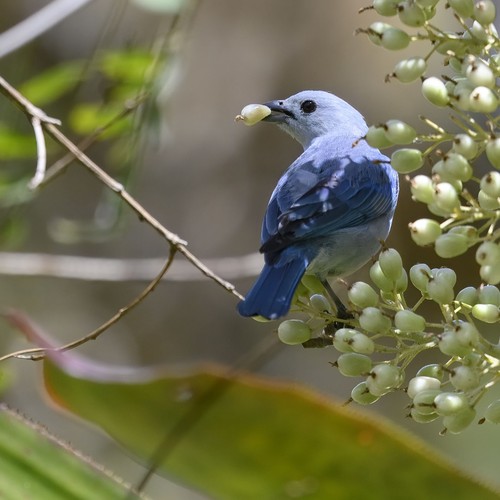
Blue-gray Tanager
16-18 cm (6-7 in) long
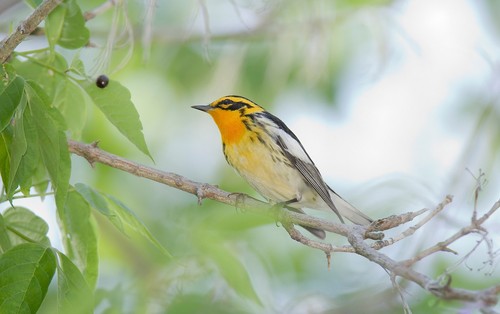
Blackburnian Warbler
11-13 cm (4.3-5.1 in) long, 20-22 cm wingspan
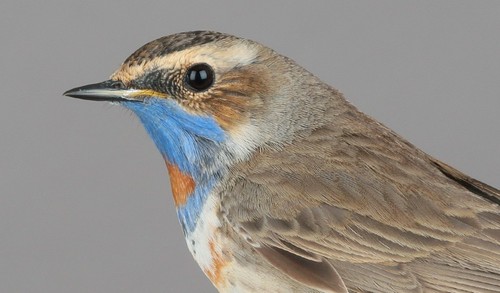
Bluethroat
13-14 cm (5.1-5.5 in) long, 20-22 cm wingspan
Eurasian Nuthatch
12-14.5 cm (4.7-5.7 in) long, 22.5-27 cm wingspan
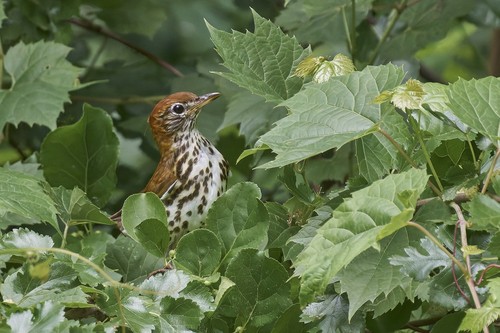
Wood Thrush
19-21 cm (7.5-8.3 in) long, about 33 cm (13 in) wingspan