
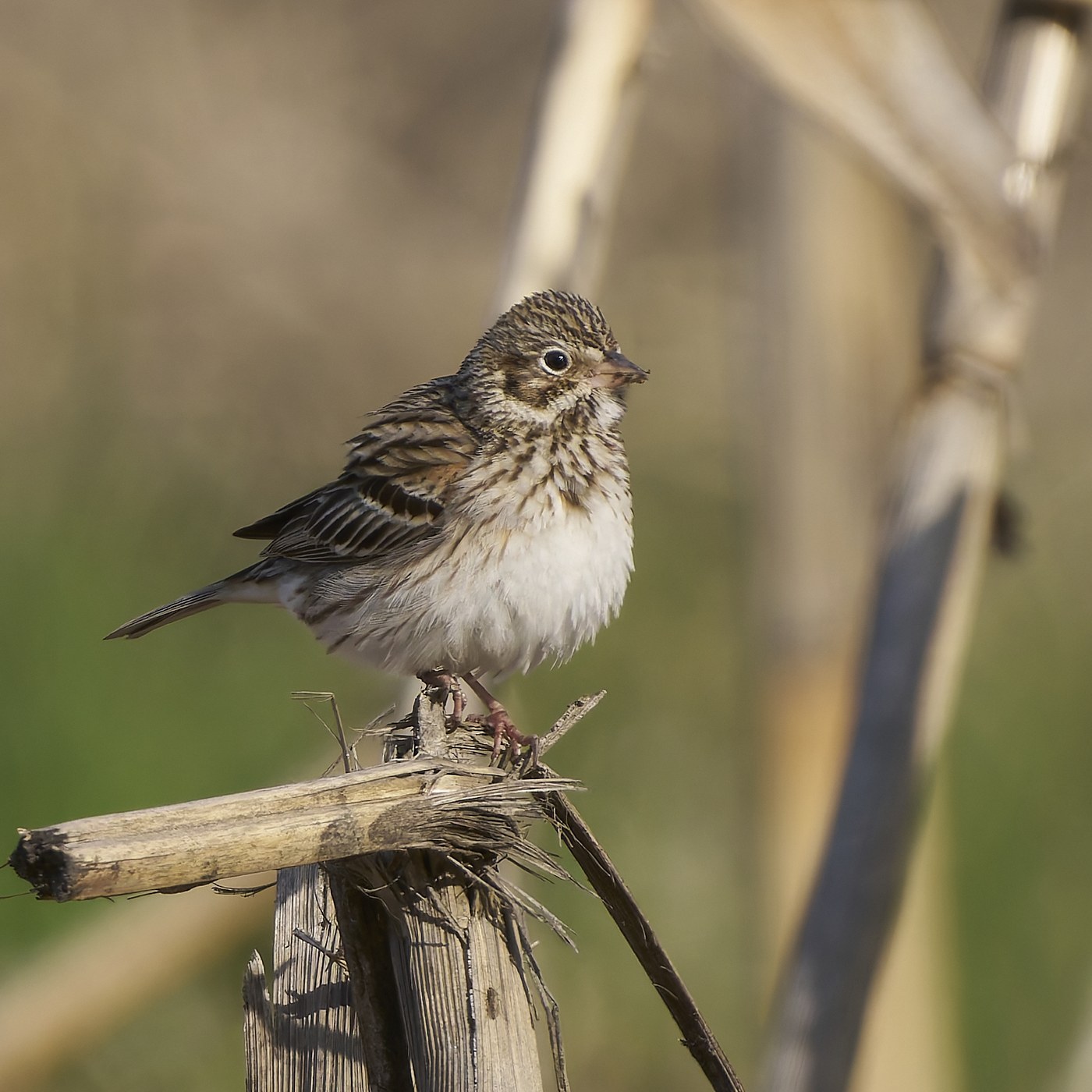
Vesper Sparrow
Pooecetes gramineus
A streaky grassland sparrow with a white eye-ring, chestnut shoulder patch, and white outer tail feathers, named for its evening song.
- Size
- 14-17 cm (5.5-6.7 in) long, 23-27 cm wingspan
- Habitat
- open grasslands, prairies, pastures, and agricultural fields with sparse cover
- Type
- songbird
Spotted a bird like this?
Identify any bird from a photo, free.
Overview
The Vesper Sparrow is a fairly large, streaky brown grassland sparrow, distinguished from many similar species by a thin white eye-ring that gives it an alert, wide-eyed expression, and a chestnut patch on the bend of the wing (the "shoulder") that can be hard to see when the wing is folded. The upperparts and breast are streaked brown on a paler background, without strong facial markings.
The species gets its common name from an old belief that it sang with particular frequency and beauty in the evening ("vespers"), though in fact it sings through much of the day as well.
How to identify it
Key field marks
- Thin white eye-ring on an otherwise plain streaked face
- Chestnut patch at the bend of the wing (often hard to see)
- White outer tail feathers, flashing conspicuously in flight
- Streaked brown breast without a strong central spot
Similar species
- Savannah Sparrow has a yellow patch above the eye rather than a white eye-ring, and lacks white outer tail feathers.
- Song Sparrow is browner with a heavier central breast spot and lacks the white eye-ring and white outer tail feathers.
Habitat & range
Vesper Sparrows breed across southern Canada and the northern and western United States, in open grasslands, prairies, pastures, and agricultural fields, particularly areas with a mix of bare ground and grass cover. Populations have declined significantly with the loss and intensification of grassland habitat.
The species winters across the southern United States and Mexico, in similarly open, grassy, or agricultural habitats, and is a medium-distance migrant, generally arriving on breeding grounds in early spring and departing in fall.
Behavior & voice
Vesper Sparrows forage on the ground in open fields, walking and running rather than hopping, and often flush to fly a short distance low over the ground, flashing white outer tail feathers, before dropping back into cover. They favor slightly more open, sparsely vegetated ground than many other grassland sparrows.
The song is a series of clear whistled phrases, typically beginning with two low, slurred notes followed by two higher notes and then a descending trill, often given from a fence post, shrub, or other low perch, including in the evening, which inspired the species' name. Diet consists mainly of insects in the breeding season and seeds the rest of the year. Nests are built on the ground in a shallow depression, well hidden by surrounding grass, with typical clutches of three to five eggs.
Frequently asked questions
How do you identify a Vesper Sparrow?
Look for a streaky brown grassland sparrow with a thin white eye-ring, white outer tail feathers visible in flight, and a chestnut shoulder patch that is often hard to see.
Why is it called a Vesper Sparrow?
It was named for an old belief that it sang especially beautifully in the evening, around the time of vespers (evening prayers), though it actually sings throughout the day too.
What does a Vesper Sparrow sound like?
A clear whistled song that starts with two low slurred notes, followed by two higher notes, and ends in a descending trill.
Where do Vesper Sparrows live?
In open grasslands, prairies, and agricultural fields across southern Canada and the northern/western US in summer, wintering across the southern US and Mexico.
What is the difference between a Vesper Sparrow and a Savannah Sparrow?
Vesper Sparrows have a white eye-ring and white outer tail feathers, while Savannah Sparrows show a yellow patch above the eye and lack white in the tail.
Vesper Sparrow guides
In-depth guides for identifying, finding, and understanding Vesper Sparrow.
Other birds you may enjoy
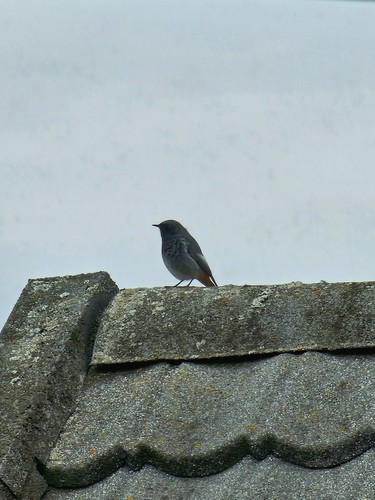
Black Redstart
13-14.5 cm (5.1-5.7 in) long, 23-26 cm wingspan
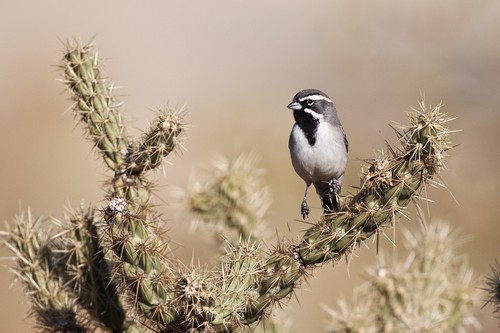
Black-throated Sparrow
12-14 cm (4.7-5.5 in) long, about 19-20 cm (7.5-8 in) wingspan
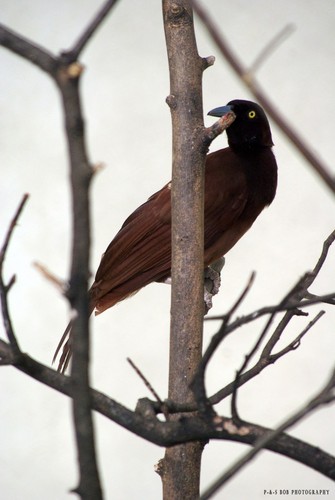
Greater Bird-of-paradise
Body about 43 cm; males with additional flank plumes up to 50 cm and long tail wires
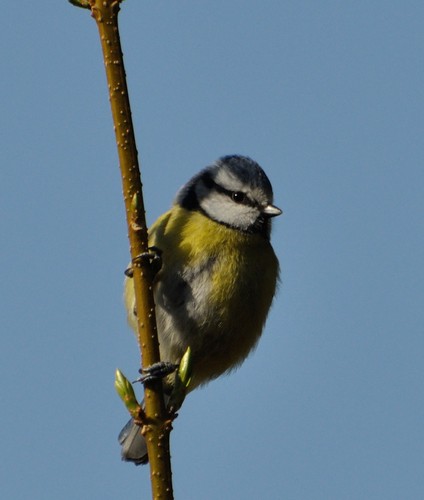
Blue Tit
11-12 cm (4.3-4.7 in) long, 17-20 cm wingspan
Red-billed Quelea
11.5–13 cm long, wingspan about 20–22 cm
White-plumed Antbird
13-14 cm (5-5.5 in) long
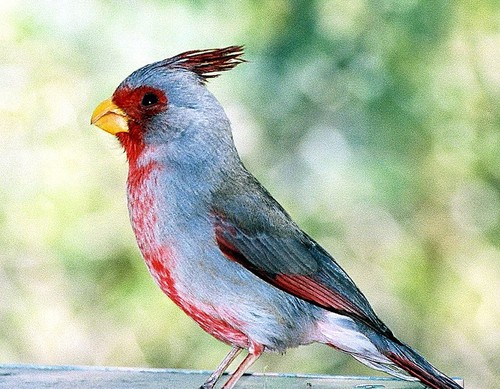
Pyrrhuloxia
19-22 cm (7.5-8.7 in) long, 30 cm wingspan
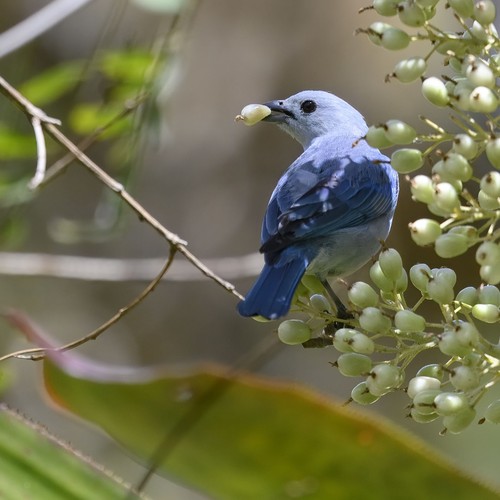
Blue-gray Tanager
16-18 cm (6-7 in) long
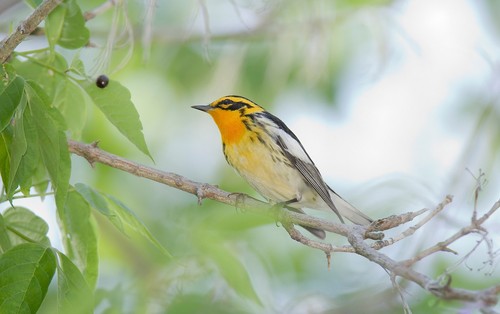
Blackburnian Warbler
11-13 cm (4.3-5.1 in) long, 20-22 cm wingspan
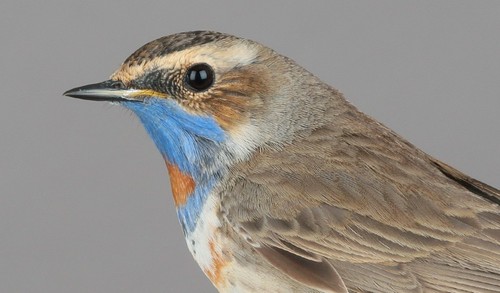
Bluethroat
13-14 cm (5.1-5.5 in) long, 20-22 cm wingspan
Eurasian Nuthatch
12-14.5 cm (4.7-5.7 in) long, 22.5-27 cm wingspan
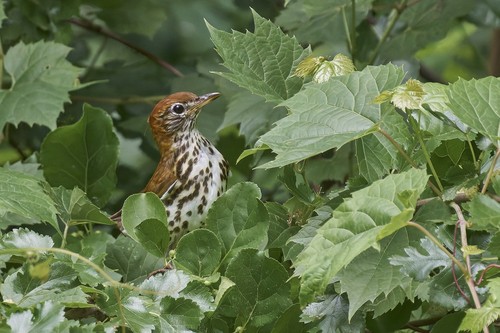
Wood Thrush
19-21 cm (7.5-8.3 in) long, about 33 cm (13 in) wingspan