
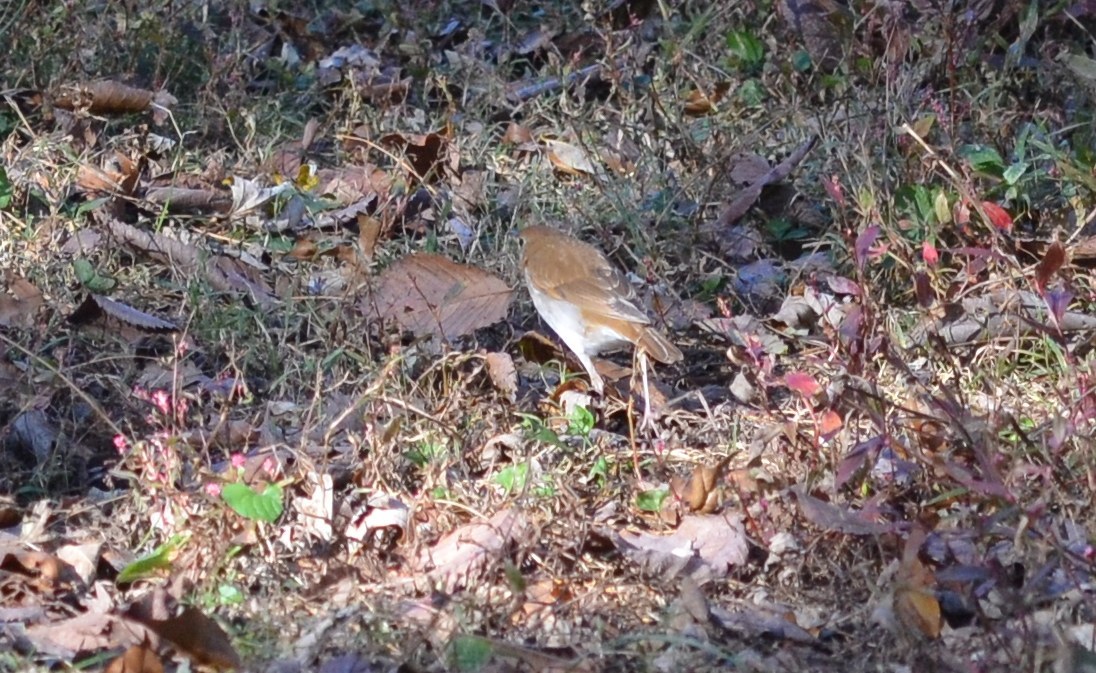
Veery
Catharus fuscescens
A uniformly tawny thrush of moist woodlands, named for its breezy, downward-spiraling song of repeated "veer" notes.
- Size
- 16-19 cm (6.5-7.5 in) long
- Habitat
- moist deciduous woodlands with dense understory
- Type
- songbird
Spotted a bird like this?
Identify any bird from a photo, free.
Overview
The Veery is the least boldly marked of North America's Catharus thrushes, with a warm, uniform tawny-brown back that lacks the strong facial patterns or tail contrasts found in its relatives. Its plain appearance is more than made up for by its voice, an ethereal, breezy song that seems to spiral downward and outward, a signature sound of moist eastern and northern woodlands in early summer.
The underparts are pale with only faint, indistinct spotting restricted mostly to the upper breast, and the flanks show a soft gray wash, giving the whole bird a soft, warm, understated look.
How to identify it
Key field marks
- Uniform warm tawny-brown upperparts, with little to no contrast between the tail and back
- Faint, indistinct spotting on the upper breast (the least-marked of the Catharus thrushes)
- Grayish wash on the flanks
- Thin, incomplete eyering
Similar species
- Hermit Thrush: shows a reddish tail contrasting with a duller back and a bold white eyering.
- Swainson's Thrush: buffy face and eyering with more distinct spotting.
- Wood Thrush: much bolder, rounder black spots covering the underparts and a brighter rufous head.
Habitat & range
Habitat
Veeries favor moist deciduous or mixed woodlands with a dense shrubby understory, often near streams or in swampy bottomland, across their breeding range.
Range
The species breeds across southern Canada and the northern United States, including New England, the Great Lakes region, and the Appalachians, extending west into parts of the northern Rockies. It winters in South America, primarily in the Amazon basin.
Migration
Veeries are long-distance nocturnal migrants that travel to wintering grounds in Brazil and other parts of South America, among the longest migrations of any Catharus thrush, and are known for sometimes adjusting the timing of migration based on anticipated hurricane activity.
Behavior & voice
Behavior
Veeries forage on or near the ground in dense understory, taking insects, other invertebrates, and fruit, and tend to stay low and somewhat secretive, more often heard than seen.
Voice
The song is a distinctive, breezy, downward-spiraling series of "veer" or "vee-ur" notes, with a reedy, almost otherworldly quality that is one of the most recognizable sounds of northern and eastern forests in late spring and early summer.
Nesting
Nests are built low, usually on or just above the ground, hidden in dense shrubs or at the base of saplings. Females lay 3-4 pale blue eggs, and the species is less frequently parasitized by cowbirds than some other thrushes.
Frequently asked questions
What does a Veery sound like?
Its song is a breezy, downward-spiraling series of reedy "veer" notes, quite different from the upward-spiraling songs of related thrushes.
How do you identify a Veery?
Look for a uniformly warm tawny-brown back with little tail contrast, only faint spotting on the upper breast, and a grayish wash on the flanks.
Where does the Veery spend the winter?
It winters mainly in South America, particularly the Amazon basin in Brazil.
What habitat does the Veery prefer?
It favors moist deciduous woodlands with dense shrubby understory, often near streams or in wet bottomland.
Veery guides
In-depth guides for identifying, finding, and understanding Veery.
Other birds you may enjoy
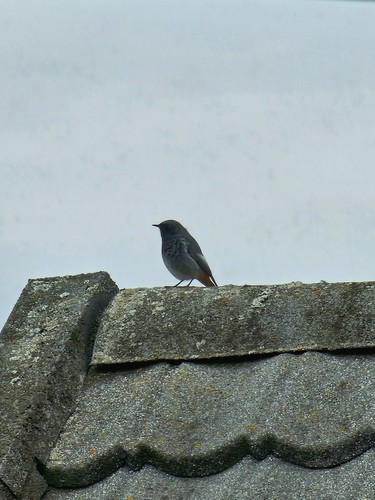
Black Redstart
13-14.5 cm (5.1-5.7 in) long, 23-26 cm wingspan
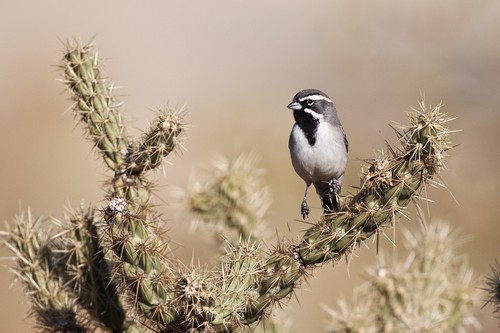
Black-throated Sparrow
12-14 cm (4.7-5.5 in) long, about 19-20 cm (7.5-8 in) wingspan
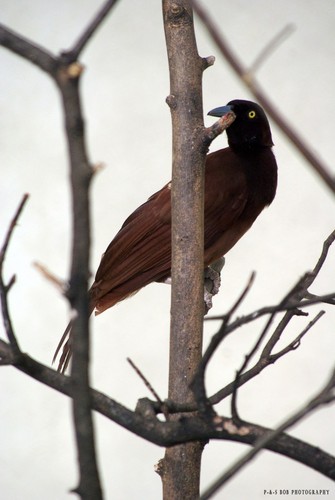
Greater Bird-of-paradise
Body about 43 cm; males with additional flank plumes up to 50 cm and long tail wires
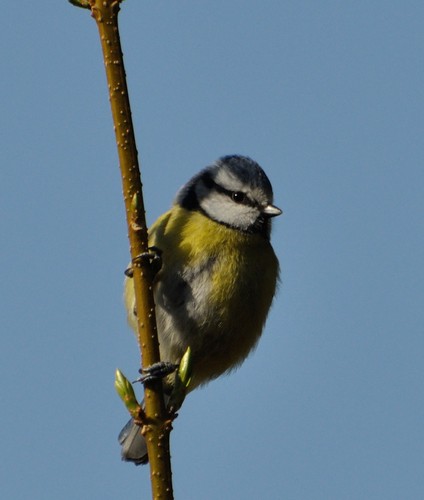
Blue Tit
11-12 cm (4.3-4.7 in) long, 17-20 cm wingspan

Red-billed Quelea
11.5–13 cm long, wingspan about 20–22 cm
White-plumed Antbird
13-14 cm (5-5.5 in) long
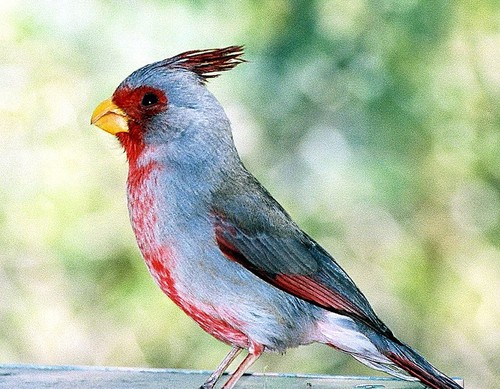
Pyrrhuloxia
19-22 cm (7.5-8.7 in) long, 30 cm wingspan
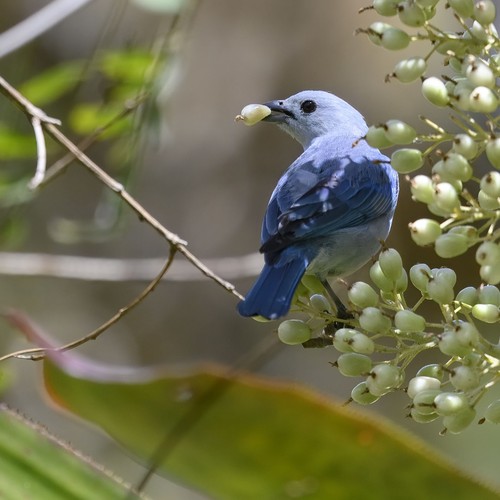
Blue-gray Tanager
16-18 cm (6-7 in) long
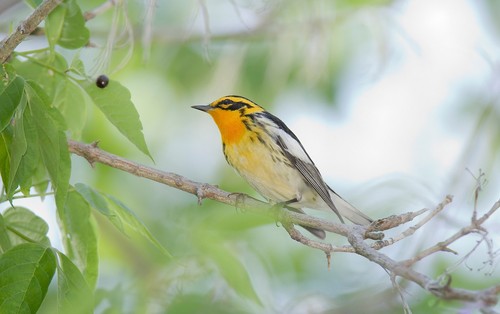
Blackburnian Warbler
11-13 cm (4.3-5.1 in) long, 20-22 cm wingspan
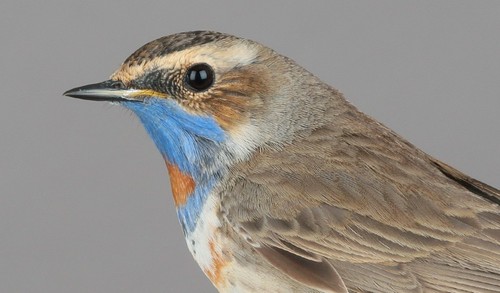
Bluethroat
13-14 cm (5.1-5.5 in) long, 20-22 cm wingspan
Eurasian Nuthatch
12-14.5 cm (4.7-5.7 in) long, 22.5-27 cm wingspan
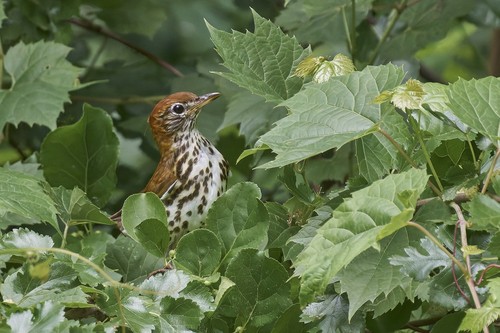
Wood Thrush
19-21 cm (7.5-8.3 in) long, about 33 cm (13 in) wingspan