
Varied Bunting
Passerina versicolor
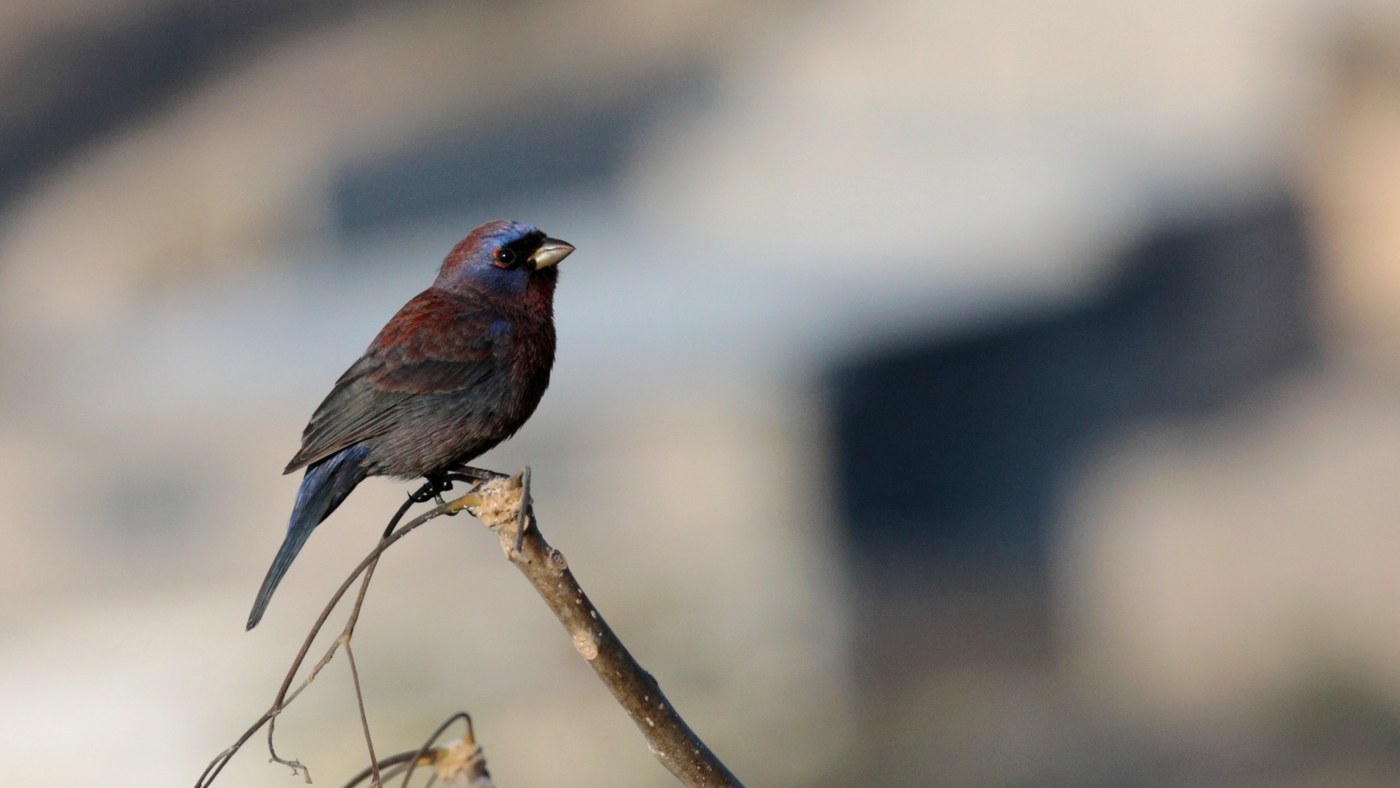
A desert bunting whose male appears deep purple-blue with a rosy nape patch in good light, but nearly black in shade, found in thorny borderland scrub.
- Size
- 12-14 cm (4.7-5.5 in) long, 17 cm wingspan
- Habitat
- desert thorn scrub, brushy washes, and arid streamside thickets
- Type
- songbird
Spotted a bird like this?
Identify any bird from a photo, free.
Overview
The Varied Bunting is a small, richly but subtly colored songbird of arid borderland scrub, closely related to the more familiar Indigo and Painted Buntings. Adult males show a complex, iridescent mix of deep purple, blue, and reddish tones that shift dramatically with the angle of light, often appearing almost black in shade but glowing with rosy-pink on the nape and a deep blue crown and rump in direct sunlight. Females and immature birds are a plain grayish-brown overall, lacking any obvious field marks, among the plainest of all the buntings.
A bird of thorny desert washes and brushy canyons along the U.S.-Mexico borderlands, the Varied Bunting is less commonly encountered than its relatives and often stays low and hidden within dense, thorny vegetation.
How to identify it
Key Field Marks
- Adult male: appears blackish at a distance, but shows deep purple-blue body, a rosy-red patch on the nape, and a blue crown and rump in good light
- Female/immature: plain grayish-brown overall, unmarked face, no wingbars
- Small, stocky build with a short conical bill
Similar Species
- Indigo Bunting males are a brighter, more uniform blue without the rosy nape patch or purple iridescence.
- Painted Bunting males show a clean blue head, green back, and red underparts, quite different from the more uniformly dark, iridescent Varied Bunting male.
- Female Varied Buntings are extremely plain and best identified by range, habitat, and association with a male.
Habitat & range
Habitat
Favors dense, thorny desert scrub, brushy arroyos and washes, and streamside thickets in arid canyons, typically at lower elevations of desert borderlands.
Range
Breeds in the southwestern United States (southern Arizona, New Mexico, and Texas) south through Mexico to Central America.
Migration
Most U.S. breeders migrate south into Mexico for winter, though the species is resident year-round in parts of its more southern range.
Behavior & voice
Behavior
Varied Buntings tend to stay low and secretive within dense, thorny cover, making them harder to observe than other buntings despite the male's striking coloration in good light.
Voice
The song is a bright, warbling series of notes similar to other Passerina buntings, though often described as softer and more variable; the call is a sharp, thin "chip."
Feeding
Feeds on seeds and insects, foraging low in dense brush and on the ground.
Nesting & Breeding
The female builds a compact cup nest low in dense, thorny shrubs, providing protection from predators. She incubates the eggs alone, and pairs may raise multiple broods during the summer rainy season in parts of the range.
Frequently asked questions
Why does the male Varied Bunting look black sometimes and colorful other times?
Its purple, blue, and rosy coloring is iridescent and highly dependent on the angle of light, so the bird can appear nearly all black in shade but glow with rich color in direct sunlight.
Where do Varied Buntings live?
They inhabit dense, thorny desert scrub and brushy washes in the southwestern United States borderlands and south through Mexico into Central America.
How do you identify a female Varied Bunting?
Females are plain grayish-brown overall with no wingbars or distinctive markings, making them among the least distinctive of the North American buntings, best identified by range and habitat.
Is the Varied Bunting closely related to the Painted Bunting?
Yes, it belongs to the same genus, Passerina, along with the Indigo, Lazuli, and Painted Buntings, all of which show sexually dimorphic plumage with colorful males and plain brownish females.
Varied Bunting guides
In-depth guides for identifying, finding, and understanding Varied Bunting.
Other birds you may enjoy
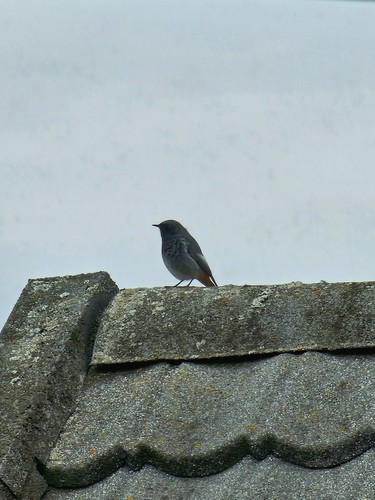
Black Redstart
13-14.5 cm (5.1-5.7 in) long, 23-26 cm wingspan
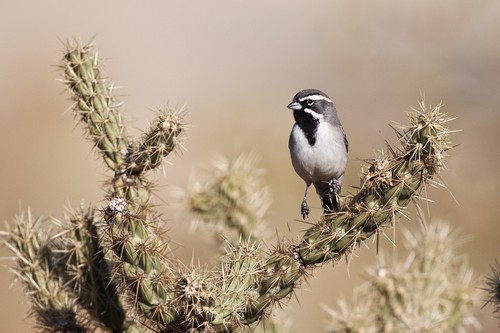
Black-throated Sparrow
12-14 cm (4.7-5.5 in) long, about 19-20 cm (7.5-8 in) wingspan
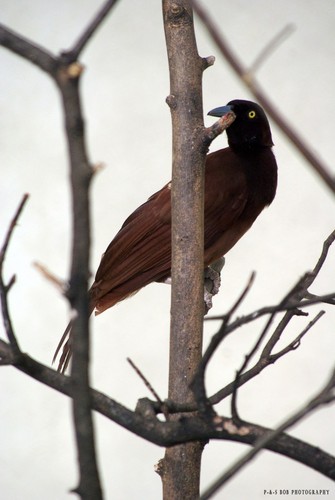
Greater Bird-of-paradise
Body about 43 cm; males with additional flank plumes up to 50 cm and long tail wires
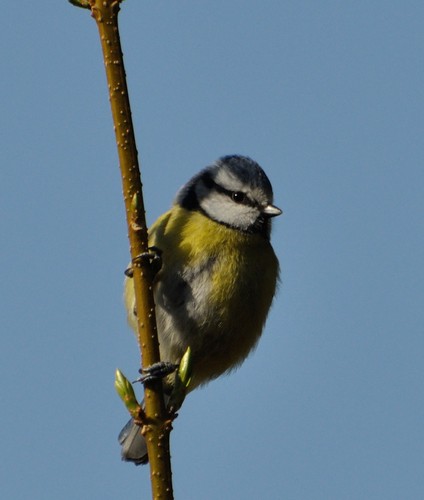
Blue Tit
11-12 cm (4.3-4.7 in) long, 17-20 cm wingspan
Red-billed Quelea
11.5–13 cm long, wingspan about 20–22 cm
White-plumed Antbird
13-14 cm (5-5.5 in) long
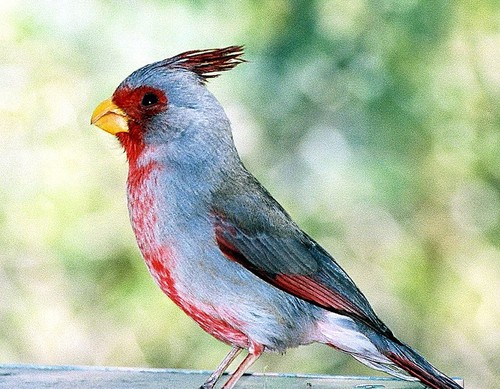
Pyrrhuloxia
19-22 cm (7.5-8.7 in) long, 30 cm wingspan
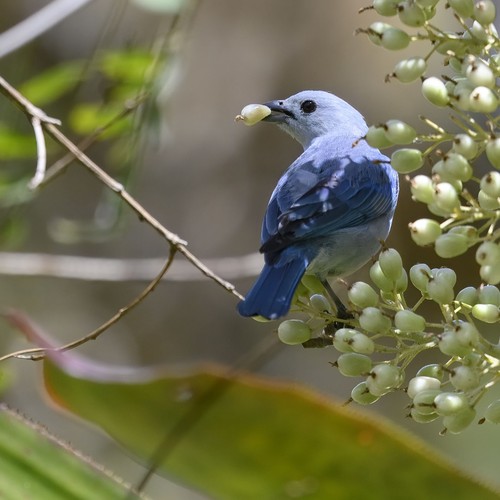
Blue-gray Tanager
16-18 cm (6-7 in) long
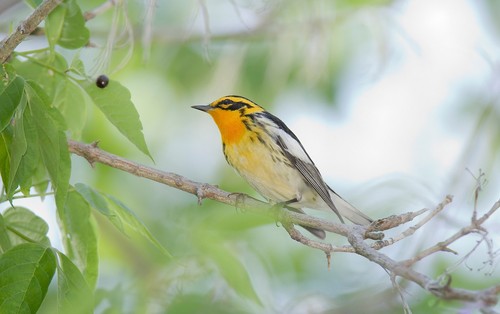
Blackburnian Warbler
11-13 cm (4.3-5.1 in) long, 20-22 cm wingspan
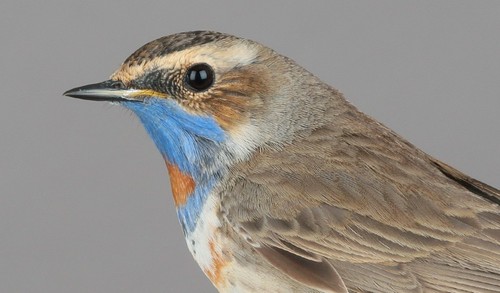
Bluethroat
13-14 cm (5.1-5.5 in) long, 20-22 cm wingspan
Eurasian Nuthatch
12-14.5 cm (4.7-5.7 in) long, 22.5-27 cm wingspan
Wood Thrush
19-21 cm (7.5-8.3 in) long, about 33 cm (13 in) wingspan