
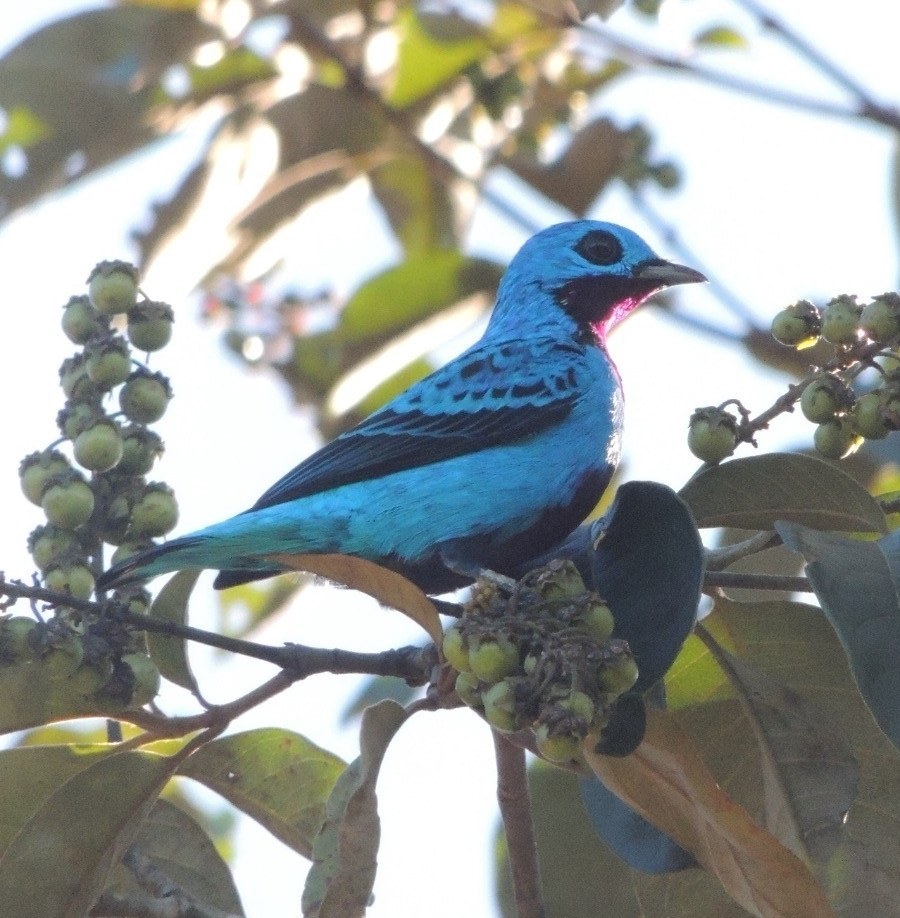
Turquoise Cotinga
Cotinga ridgwayi
A dazzling, range-restricted cotinga whose male glows turquoise-blue with a rich purple throat and breast patch, found only in a small area of southern Central America.
- Size
- 18-19 cm (7-7.5 in) long
- Habitat
- humid forest canopy on the Pacific slope, in a restricted range in Costa Rica and Panama
- Type
- songbird
Spotted a bird like this?
Identify any bird from a photo, free.
Overview
The Turquoise Cotinga is a small, brilliantly colored bird restricted to a limited area of the Pacific slope of southern Central America, making it a prized sighting for birders in the region. Males are a vivid, glowing turquoise-blue overall, accented by a rich purple patch covering the throat and center of the breast, a striking combination even among the colorful cotinga family.
Females look completely different, being a subdued grayish-brown overall with fine pale scaling on the underparts, offering camouflage that contrasts sharply with the male's dazzling plumage, a common pattern of extreme sexual dimorphism among cotingas.
Like other cotingas, the Turquoise Cotinga tends to perch quietly and inconspicuously in the canopy, becoming most visible when a male ventures to an exposed treetop perch to display or attract attention.
How to identify it
Key field marks
- Male: turquoise-blue body with a purple throat and breast patch
- Female: grayish-brown overall with fine pale scaling below
- Small, compact cotinga shape
- Restricted range on the Pacific slope of Costa Rica and western Panama
Similar species
Lovely Cotinga occurs somewhat further north in Central America and shows a different pattern of purple restricted mainly to the throat with less on the breast; within its limited range, the Turquoise Cotinga is not easily confused with any other species given its unique combination of range and plumage.
Habitat & range
Habitat
The Turquoise Cotinga inhabits the canopy of humid forest and forest edge, generally in lowland and foothill areas on the Pacific slope.
Range
It has a small, restricted range confined to the south Pacific slope of Costa Rica and adjacent western Panama, making it a range-restricted species of conservation concern.
Migration
It is largely sedentary within its restricted range, though some local movement in search of fruiting trees may occur.
Behavior & voice
Behavior
Turquoise Cotingas are quiet, unobtrusive birds that typically perch motionless in the canopy, with males occasionally choosing an exposed treetop perch that makes their bright plumage conspicuous.
Voice
Vocalizations are limited, as with many cotingas, generally consisting of simple, non-musical calls rather than an elaborate song.
Feeding
It feeds on small fruits taken from canopy trees, typically plucked while perched or during a brief hovering sally.
Nesting and breeding
As in other cotingas, the female alone is believed to build the nest and raise the young, with males taking no part in nesting duties, consistent with the family's typically promiscuous mating system.
Frequently asked questions
Where can you find the Turquoise Cotinga?
It has a small, restricted range on the Pacific slope of southern Costa Rica and adjacent western Panama.
What does a male Turquoise Cotinga look like?
It is a vivid turquoise-blue overall, with a rich purple patch covering the throat and center of the breast.
Why is the Turquoise Cotinga considered Near Threatened?
Its very limited range and ongoing loss of lowland Pacific-slope forest habitat have put pressure on its population.
What does the Turquoise Cotinga eat?
Small fruits taken from trees in the forest canopy.
Turquoise Cotinga guides
In-depth guides for identifying, finding, and understanding Turquoise Cotinga.
Other birds you may enjoy
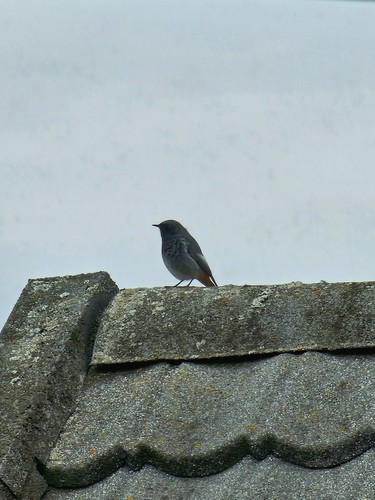
Black Redstart
13-14.5 cm (5.1-5.7 in) long, 23-26 cm wingspan
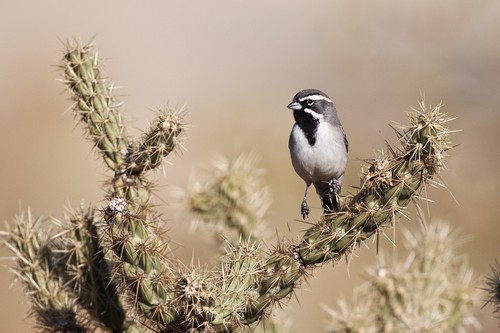
Black-throated Sparrow
12-14 cm (4.7-5.5 in) long, about 19-20 cm (7.5-8 in) wingspan
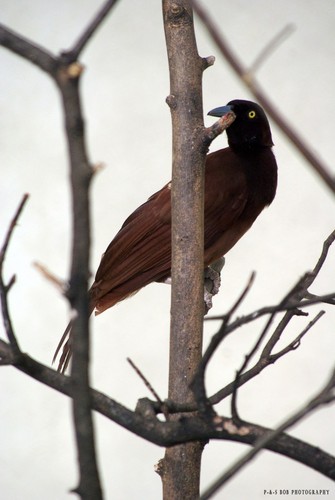
Greater Bird-of-paradise
Body about 43 cm; males with additional flank plumes up to 50 cm and long tail wires
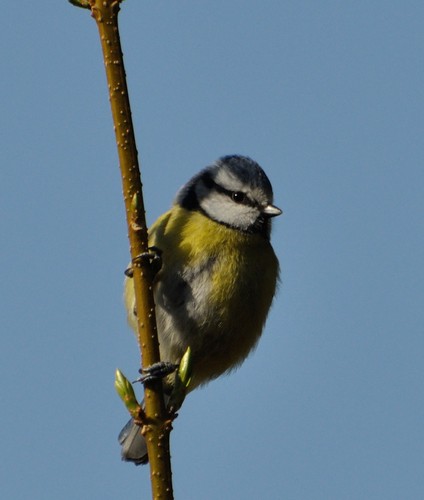
Blue Tit
11-12 cm (4.3-4.7 in) long, 17-20 cm wingspan
Red-billed Quelea
11.5–13 cm long, wingspan about 20–22 cm
White-plumed Antbird
13-14 cm (5-5.5 in) long
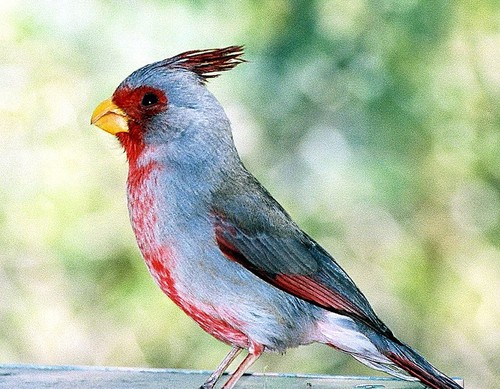
Pyrrhuloxia
19-22 cm (7.5-8.7 in) long, 30 cm wingspan
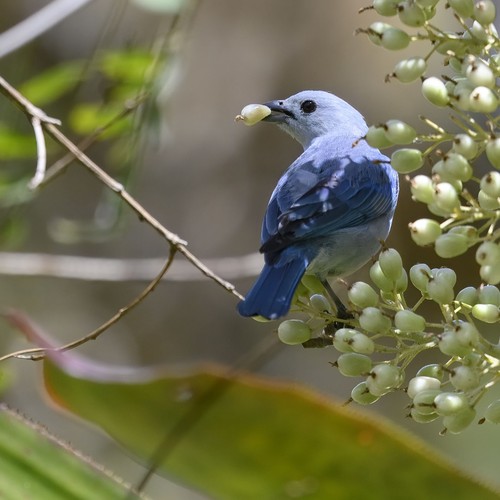
Blue-gray Tanager
16-18 cm (6-7 in) long
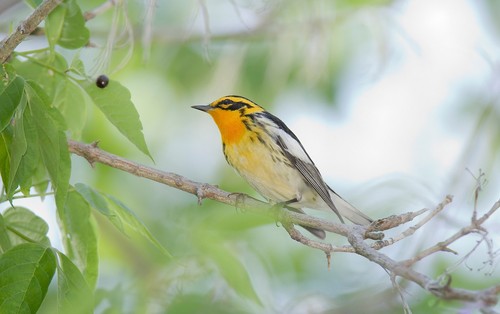
Blackburnian Warbler
11-13 cm (4.3-5.1 in) long, 20-22 cm wingspan
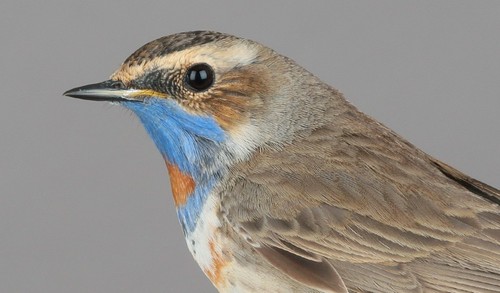
Bluethroat
13-14 cm (5.1-5.5 in) long, 20-22 cm wingspan
Eurasian Nuthatch
12-14.5 cm (4.7-5.7 in) long, 22.5-27 cm wingspan
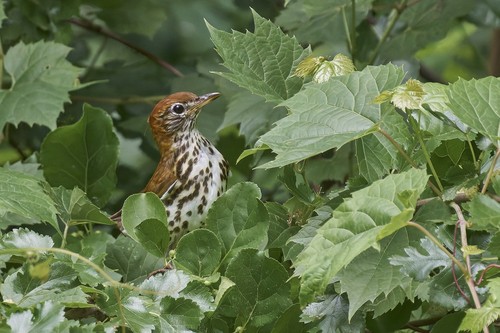
Wood Thrush
19-21 cm (7.5-8.3 in) long, about 33 cm (13 in) wingspan