
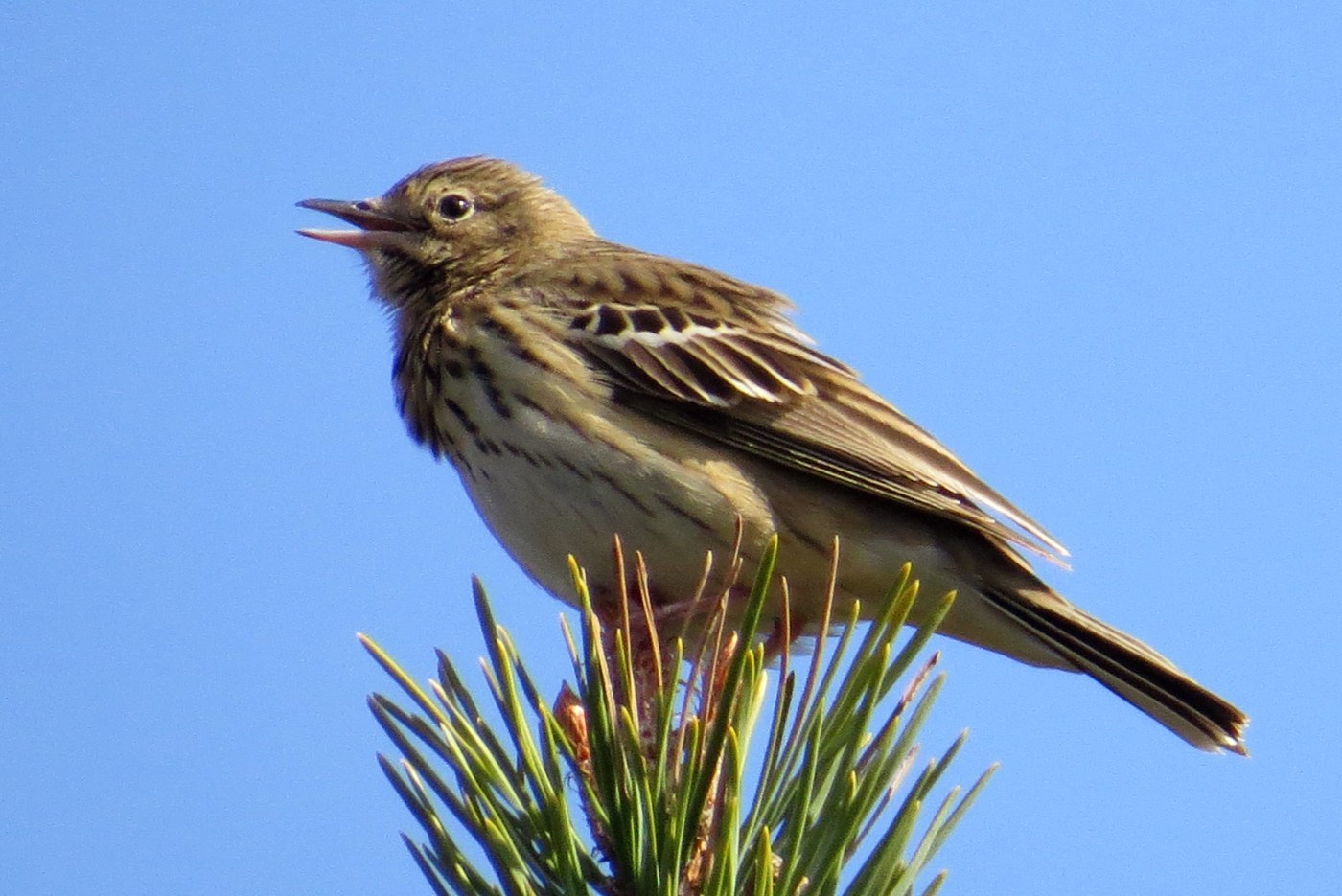
Tree Pipit
Anthus trivialis
A streaky ground-feeding songbird closely resembling the Meadow Pipit, but distinguished by its habit of singing from treetops during a memorable rising and parachuting display flight.
- Size
- 15 cm (6 in) long, 25-27 cm wingspan
- Habitat
- woodland edge and heathland with scattered trees used as song posts
- Type
- songbird
Spotted a bird like this?
Identify any bird from a photo, free.
Overview
The Tree Pipit is a streaky brown bird very similar in general appearance to the closely related Meadow Pipit, but with a stouter bill, bolder breast streaking, and a slightly more contrasty, buffier overall tone. Its most useful distinguishing feature, though, is behavioural rather than visual: unlike the more strictly ground-dwelling Meadow Pipit, Tree Pipits readily perch in trees, particularly as launch points and landing spots for their display flight.
The species breeds in habitats that combine open ground for feeding with scattered trees for singing perches, and its presence is often first confirmed by its distinctive song-flight, launched from a treetop rather than from the ground.
Outside the breeding season it becomes a long-distance migrant, departing earlier in autumn than many other European songbirds.
How to identify it
Key field marks
- Streaked brown upperparts, similar to Meadow Pipit but often more contrasty
- Bolder, more clearly defined breast streaking
- Stouter, less fine bill than Meadow Pipit
- Shorter hind claw than Meadow Pipit (not usually visible in the field)
- Frequently perches in trees, unlike the more ground-bound Meadow Pipit
Similar species
- Meadow Pipit: finer bill, longer hind claw, less bold streaking, and rarely perches in trees, favouring open moorland and grassland over wooded edges.
- Skylark: larger, with a small crest and a sustained hovering song-flight rather than the pipit's rising-and-parachuting display from a tree.
- Rock Pipit/Water Pipit: darker, greyer tones and association with rocky coasts or water, unlike the Tree Pipit's woodland-edge habitat.
Habitat & range
Tree Pipits breed across much of Europe and temperate Asia, favouring open woodland edges, clearings, heathland, and scrub with scattered trees, which provide the elevated song posts central to the species' display behaviour.
They are long-distance migrants, wintering in sub-Saharan Africa, and are typically among the earlier songbirds to depart European breeding grounds in late summer, well before many other migrants begin their journeys south.
The species requires a mix of open ground for foraging and scattered trees or tall shrubs for singing, making it sensitive to the loss of such mixed, semi-open habitat through either woodland closure or complete deforestation.
Behavior & voice
Voice
The song is delivered during a rising and parachuting display flight launched from a treetop: the male flies up from a high perch, sings a loud, varied series of trills and notes at the peak of the ascent, and then glides back down with wings raised, often ending in a distinctive drawn-out "seea-seea-seea" as it lands, typically back in a tree. The call is a buzzy, downslurred "teez," different from the thinner call of the Meadow Pipit.
Feeding
Tree Pipits feed mainly on insects and other small invertebrates picked from the ground and low vegetation, taking some seeds in autumn before migration.
Nesting and breeding
The nest is a cup of grass built on the ground, typically well hidden among vegetation near the base of a tree or in adjacent open ground. Clutches typically contain four to six eggs.
Frequently asked questions
How do you tell a Tree Pipit from a Meadow Pipit?
Tree Pipit has a stouter bill and bolder breast streaking, and readily perches and sings from trees, while Meadow Pipit has a finer bill, longer hind claw, and stays closer to the ground in open moorland and grassland.
What does a Tree Pipit's display flight look like?
The male launches from a treetop, rises while singing a loud, varied trilling song, then glides back down with wings raised, often ending in a distinctive drawn-out 'seea-seea-seea' as it returns to a tree perch.
What habitat does the Tree Pipit need?
It requires a mix of open ground for feeding and scattered trees or tall shrubs used as elevated song posts, typically found at woodland edges, clearings, and heathland with trees.
Where do Tree Pipits spend the winter?
They are long-distance migrants that winter in sub-Saharan Africa, typically departing European breeding grounds earlier in late summer than many other migrant songbirds.
What does a Tree Pipit eat?
It feeds mainly on insects and other small invertebrates picked from the ground and low vegetation, supplementing this with some seeds in autumn.
Tree Pipit guides
In-depth guides for identifying, finding, and understanding Tree Pipit.
Other birds you may enjoy
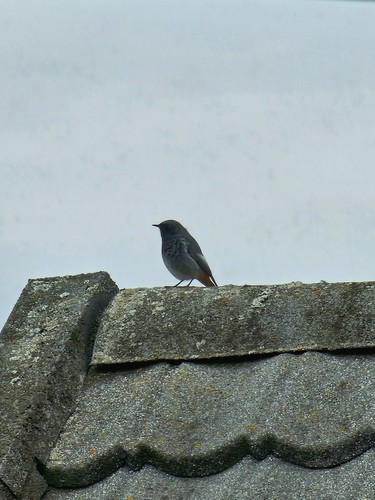
Black Redstart
13-14.5 cm (5.1-5.7 in) long, 23-26 cm wingspan
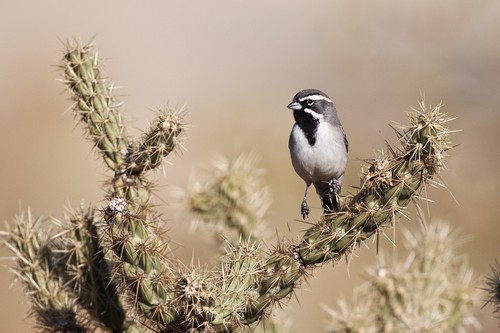
Black-throated Sparrow
12-14 cm (4.7-5.5 in) long, about 19-20 cm (7.5-8 in) wingspan
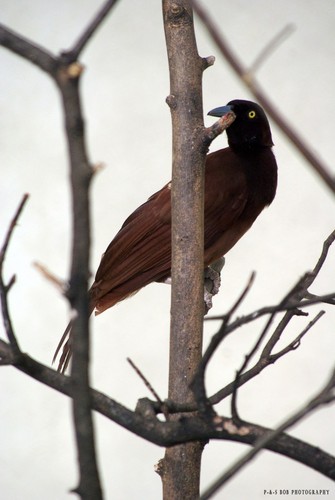
Greater Bird-of-paradise
Body about 43 cm; males with additional flank plumes up to 50 cm and long tail wires
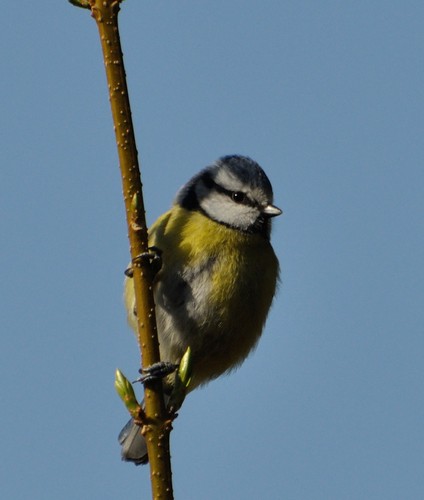
Blue Tit
11-12 cm (4.3-4.7 in) long, 17-20 cm wingspan
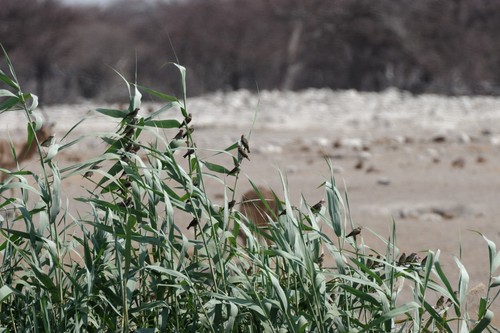
Red-billed Quelea
11.5–13 cm long, wingspan about 20–22 cm
White-plumed Antbird
13-14 cm (5-5.5 in) long
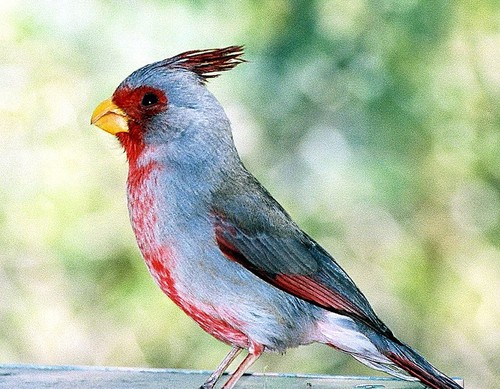
Pyrrhuloxia
19-22 cm (7.5-8.7 in) long, 30 cm wingspan
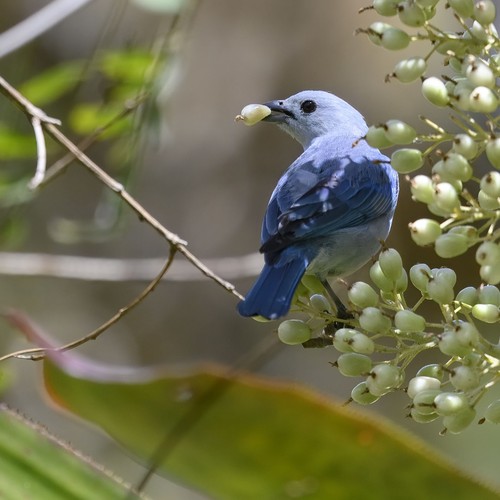
Blue-gray Tanager
16-18 cm (6-7 in) long
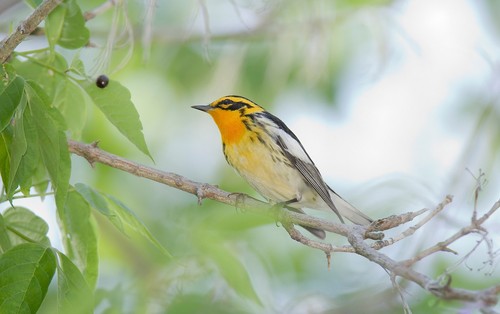
Blackburnian Warbler
11-13 cm (4.3-5.1 in) long, 20-22 cm wingspan
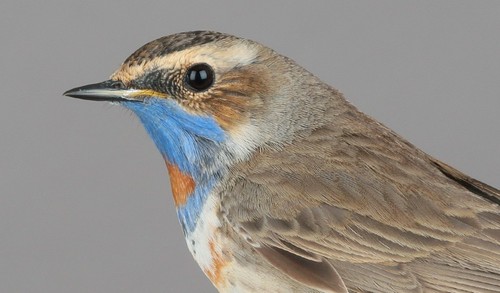
Bluethroat
13-14 cm (5.1-5.5 in) long, 20-22 cm wingspan
Eurasian Nuthatch
12-14.5 cm (4.7-5.7 in) long, 22.5-27 cm wingspan
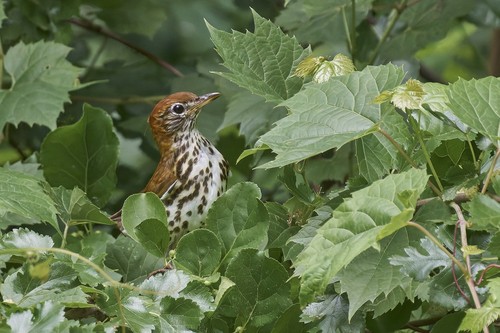
Wood Thrush
19-21 cm (7.5-8.3 in) long, about 33 cm (13 in) wingspan