
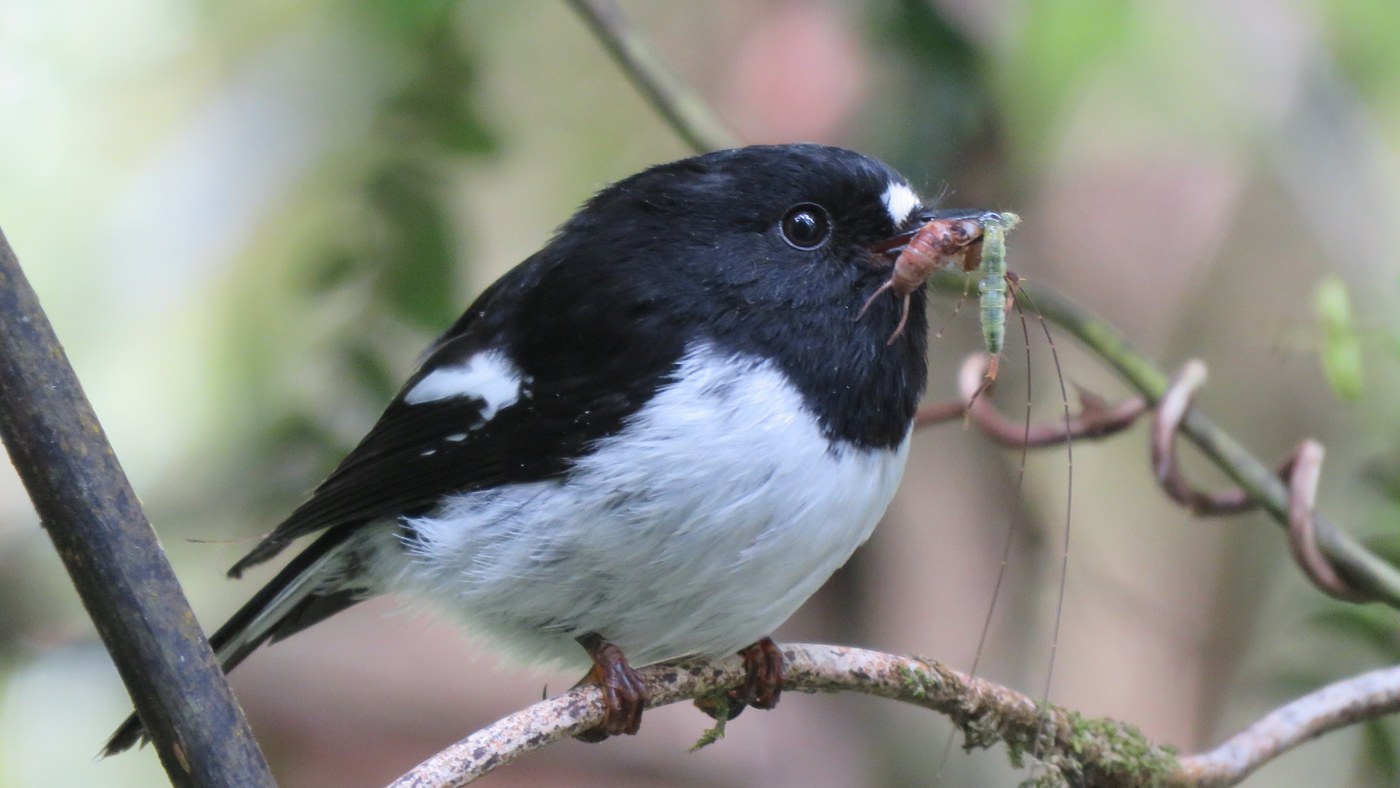
Tomtit
Petroica macrocephala
A small, big-headed New Zealand forest bird, the male boldly black-and-white or black-and-yellow depending on region, often seen perched quietly before darting after insects.
- Size
- 13 cm (5 in) long
- Habitat
- native forest and scrub throughout New Zealand
- Type
- songbird
Spotted a bird like this?
Identify any bird from a photo, free.
Overview
The Tomtit, known as miromiro in the North Island and ngirungiru in the South Island, is a small, compact forest bird with a proportionally large head and short tail. Males show a crisp black head, back, and breast band contrasting with white or (in South Island and some other populations) pale yellow underparts and a small white spot above the bill, while females are duller olive-brown with buffy underparts.
Several distinct subspecies occur across New Zealand's main and outlying islands, differing somewhat in underpart color, from white-breasted North Island birds to yellow-tinged South Island and Snares Island forms. Despite its small size, the Tomtit is a confident, easily observed bird, often perched quietly on a low branch before sallying out after passing insects.
How to identify it
Key field marks
- Small size with a proportionally large head and short tail
- Male: black head, back, and breast band with white or pale yellow underparts, small white spot above the bill
- Female: duller olive-brown above, buffy below
- Compact, stocky shape compared to the more slender New Zealand Robin
Similar species
- New Zealand Robin is larger, longer-legged, and forages mainly on the ground with an upright stance, rather than the Tomtit's more compact, perch-and-sally style.
- New Zealand Fantail has a distinctly longer, fan-shaped tail constantly spread, unlike the Tomtit's short tail.
Habitat & range
Range
Widespread across the North Island, South Island, Stewart Island, and several outlying islands of New Zealand, with regional subspecies showing some plumage variation.
Habitat
Inhabits native forest and scrub of many types, from lowland broadleaf forest to subalpine scrub near the treeline.
Migration
Mostly sedentary, though some altitudinal movement to lower elevations may occur in winter.
Behavior & voice
Behavior
Often perches quietly and conspicuously on a low branch or stump, watching for prey before making short sallying flights to catch insects on the wing or on the ground.
Voice
A simple, clear, repeated whistled song from males, along with sharper contact calls.
Feeding
Feeds on insects and other small invertebrates, caught by sallying from a perch or gleaned directly from foliage, bark, and the ground.
Nesting
Builds a cup nest of moss, bark strips, and fine plant material in a tree cavity, crevice, or dense foliage; the female incubates the eggs, and both parents feed the chicks.
Frequently asked questions
What is the difference between the Tomtit and the New Zealand Robin?
The Tomtit is smaller and more compact with a proportionally larger head and shorter tail, and it forages more by perching and sallying, while the Robin is larger, longer-legged, and forages mainly on the ground.
Why do Tomtits look different in different parts of New Zealand?
Several regional subspecies exist, varying mainly in the color of the underparts, from white in North Island birds to pale yellow in some South Island and outlying island populations.
What are the Maori names for the Tomtit?
Miromiro in the North Island and ngirungiru in the South Island.
What does a Tomtit eat?
Insects and other small invertebrates, caught by sallying from a perch or gleaned from foliage, bark, and the ground.
Tomtit guides
In-depth guides for identifying, finding, and understanding Tomtit.
Other birds you may enjoy
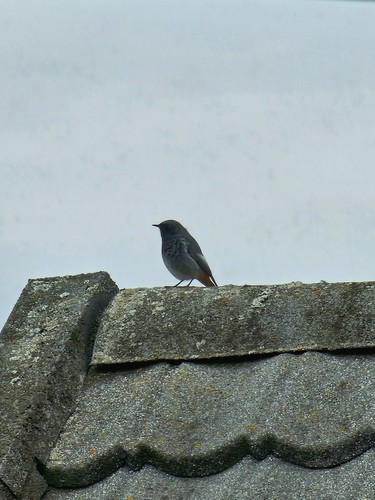
Black Redstart
13-14.5 cm (5.1-5.7 in) long, 23-26 cm wingspan
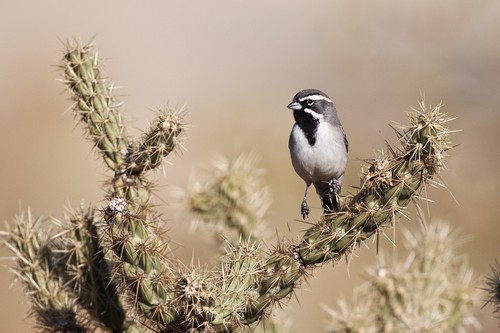
Black-throated Sparrow
12-14 cm (4.7-5.5 in) long, about 19-20 cm (7.5-8 in) wingspan
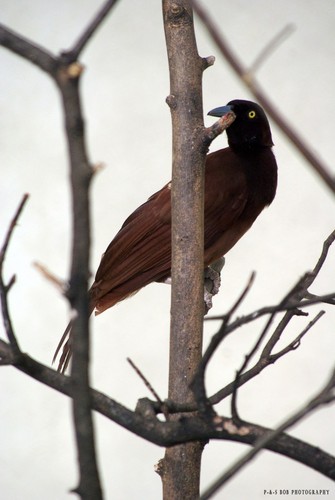
Greater Bird-of-paradise
Body about 43 cm; males with additional flank plumes up to 50 cm and long tail wires
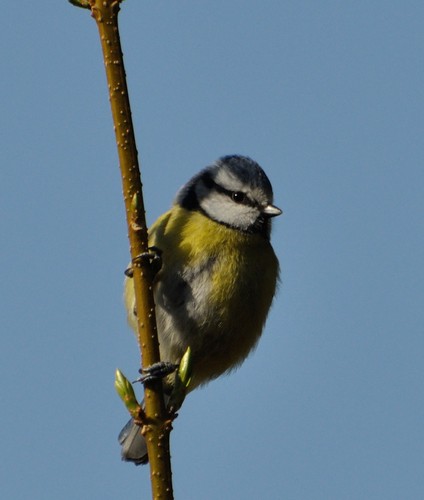
Blue Tit
11-12 cm (4.3-4.7 in) long, 17-20 cm wingspan
Red-billed Quelea
11.5–13 cm long, wingspan about 20–22 cm
White-plumed Antbird
13-14 cm (5-5.5 in) long
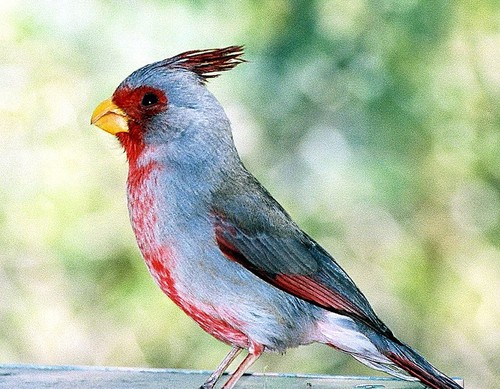
Pyrrhuloxia
19-22 cm (7.5-8.7 in) long, 30 cm wingspan
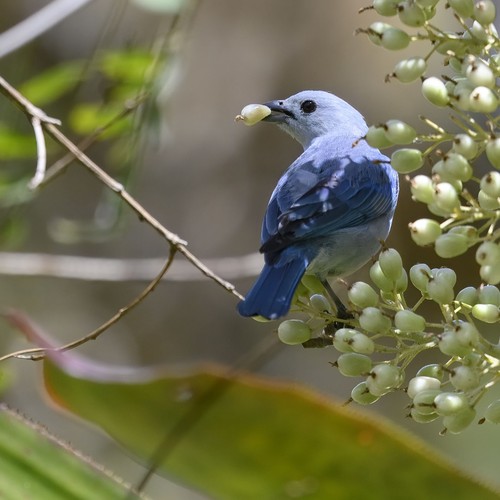
Blue-gray Tanager
16-18 cm (6-7 in) long
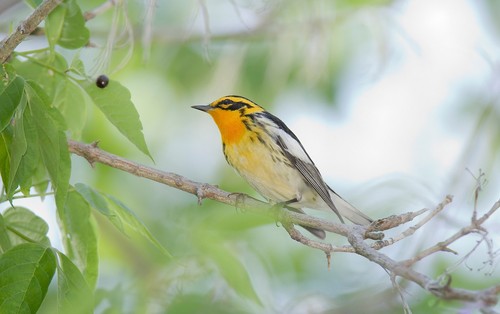
Blackburnian Warbler
11-13 cm (4.3-5.1 in) long, 20-22 cm wingspan
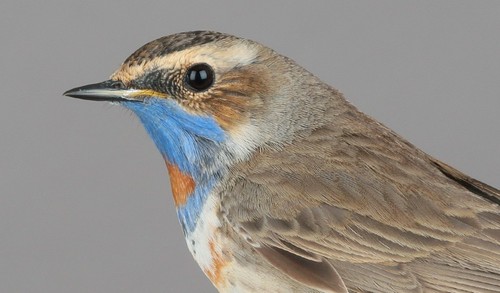
Bluethroat
13-14 cm (5.1-5.5 in) long, 20-22 cm wingspan
Eurasian Nuthatch
12-14.5 cm (4.7-5.7 in) long, 22.5-27 cm wingspan
Wood Thrush
19-21 cm (7.5-8.3 in) long, about 33 cm (13 in) wingspan