
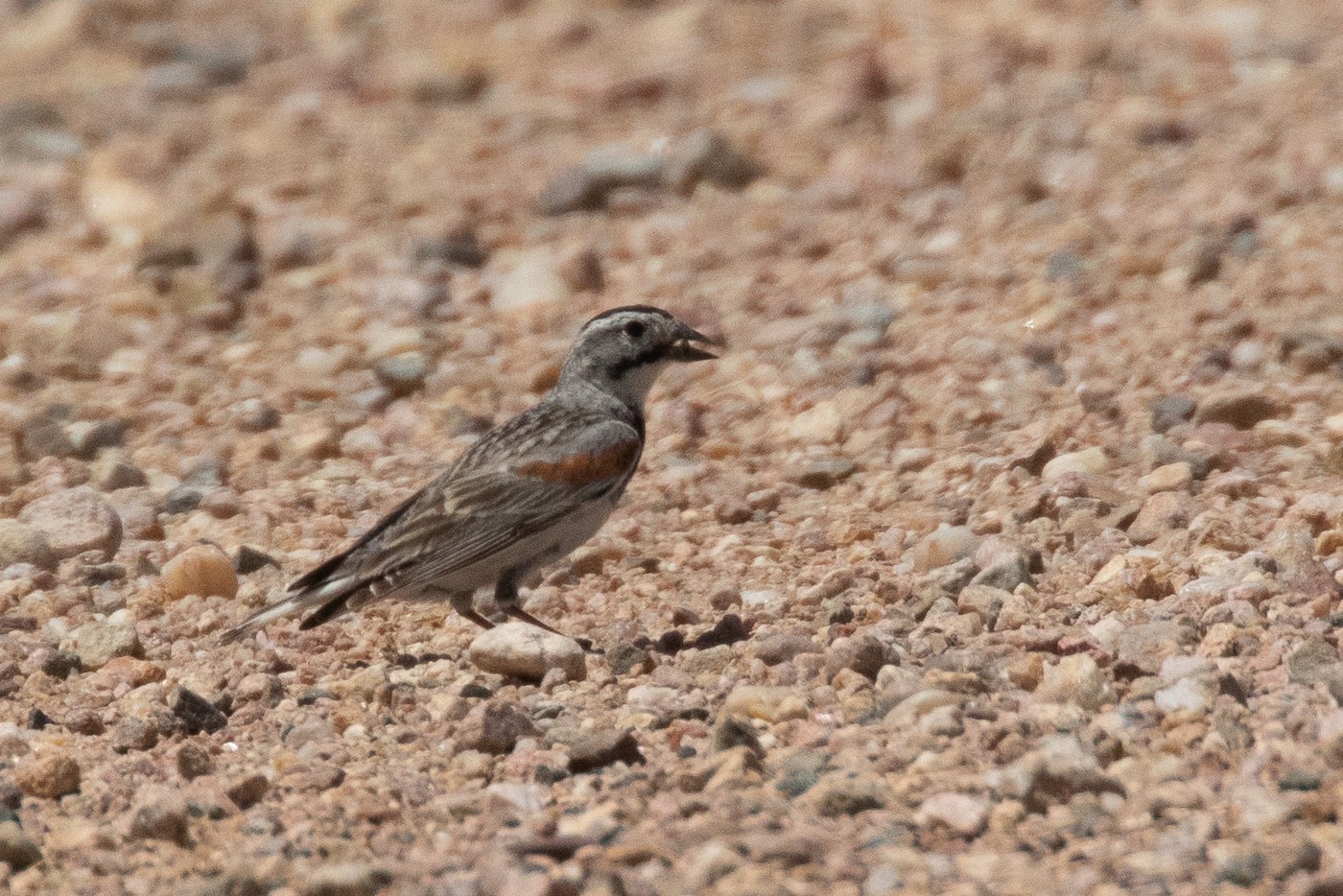
Thick-billed Longspur
Rhynchophanes mccownii
A stocky, heavy-billed shortgrass prairie longspur, the current official name (since 2020) for the species formerly called McCown's Longspur.
- Size
- 14-16 cm (5.5-6.3 in) long, about 28 cm (11 in) wingspan
- Habitat
- shortgrass prairie, especially sparse or heavily grazed grassland
- Type
- songbird
Spotted a bird like this?
Identify any bird from a photo, free.
Overview
The Thick-billed Longspur is a shortgrass prairie specialist named for its notably heavy, conical bill, larger and stouter than that of other longspur species. This is the currently accepted English name, adopted by the American Ornithological Society in 2020 to replace the former name, McCown's Longspur, which honored a 19th-century army officer; the scientific name and the bird itself remain the same.
Breeding males are gray overall with a black cap, a black crescent-shaped patch across the breast, and a chestnut patch on the shoulder. Females and nonbreeding birds are considerably plainer, streaky brown overall, but the thick bill remains a useful identification clue year-round.
The species favors especially short, sparse, or heavily grazed grassland, often shorter than the grass preferred by the similar Chestnut-collared Longspur breeding in the same region.
How to identify it
Key Field Marks
- Notably thick, conical bill, the namesake feature, heavier than in any other longspur
- Breeding male: gray body, black cap, black crescent across the breast, chestnut shoulder patch
- Tail pattern: white with a black shape resembling an inverted T or anchor
Similar Species
- Chestnut-collared Longspur: slimmer bill, a simple black terminal tail band rather than an anchor-shaped pattern, and black underparts with a chestnut nape collar in breeding males rather than a breast crescent
Bill thickness and tail pattern together are the most reliable field marks distinguishing this species from other longspurs sharing shortgrass prairie habitat.
Habitat & range
The Thick-billed Longspur breeds in shortgrass prairie of the northern Great Plains, including Montana, Wyoming, the Dakotas, and adjacent southern Canada, favoring the sparsest and shortest grass available, often in heavily grazed pasture.
In winter, the species moves to open grassland and agricultural fields of the southwestern United States and northern Mexico. Like other shortgrass prairie specialists, it has experienced population declines linked to the conversion of native prairie to cropland.
Behavior & voice
Behavior
Thick-billed Longspurs forage and nest on open, sparsely vegetated ground, and often gather in loose flocks outside the breeding season, sometimes with other prairie songbirds.
Voice
The song is a melodic, tinkling warble, delivered during a brief aerial display over the prairie.
Feeding
Diet includes seeds and insects gathered from open ground, with insects especially important for feeding nestlings during the breeding season.
Nesting and Breeding
The nest is a shallow cup built directly on bare or sparsely vegetated ground, often in areas so heavily grazed that little cover remains. Clutches typically contain 3-4 pale eggs with dark markings.
Frequently asked questions
Is the Thick-billed Longspur the same as McCown's Longspur?
Yes, it is the same species; the American Ornithological Society changed the official English name from McCown's Longspur to Thick-billed Longspur in 2020.
How do you identify a Thick-billed Longspur?
Look for a notably thick, heavy, conical bill, and in breeding males a gray body with a black cap, a black breast crescent, and a chestnut shoulder patch.
What habitat does the Thick-billed Longspur prefer?
It prefers especially short, sparse, or heavily grazed shortgrass prairie.
Why was the name changed from McCown's Longspur?
The former name honored 19th-century army officer John P. McCown, a Confederate general, and the eponym was removed in a 2020 renaming.
Where does the Thick-billed Longspur winter?
It winters in open grassland and agricultural fields of the southwestern United States and northern Mexico.
Thick-billed Longspur guides
In-depth guides for identifying, finding, and understanding Thick-billed Longspur.
Other birds you may enjoy
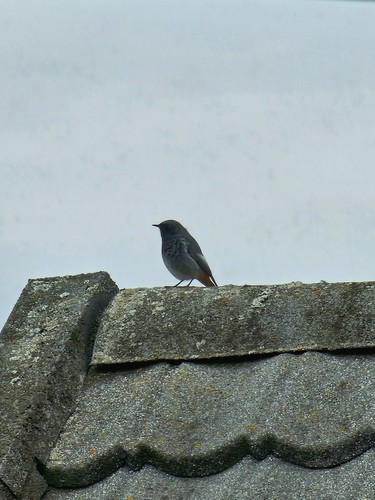
Black Redstart
13-14.5 cm (5.1-5.7 in) long, 23-26 cm wingspan
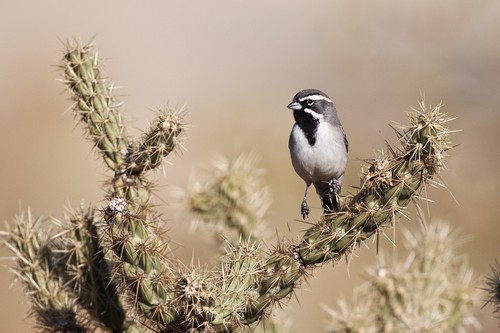
Black-throated Sparrow
12-14 cm (4.7-5.5 in) long, about 19-20 cm (7.5-8 in) wingspan
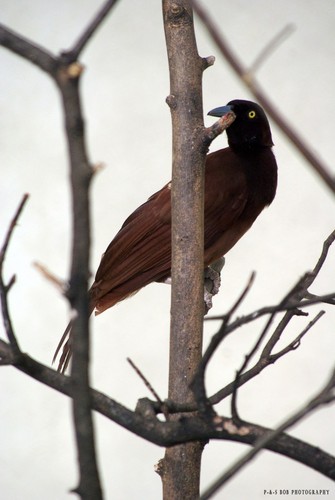
Greater Bird-of-paradise
Body about 43 cm; males with additional flank plumes up to 50 cm and long tail wires
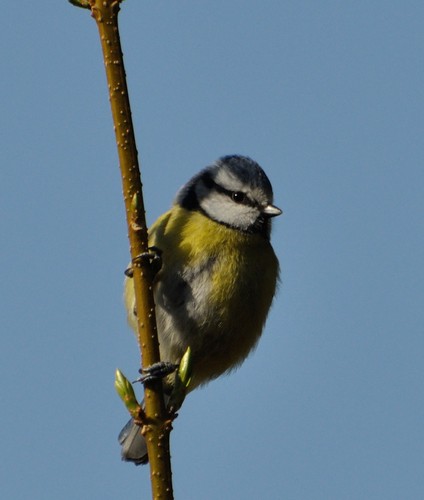
Blue Tit
11-12 cm (4.3-4.7 in) long, 17-20 cm wingspan
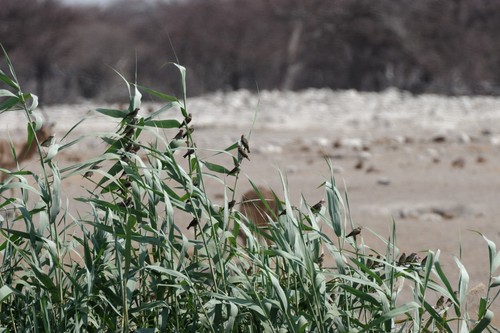
Red-billed Quelea
11.5–13 cm long, wingspan about 20–22 cm
White-plumed Antbird
13-14 cm (5-5.5 in) long
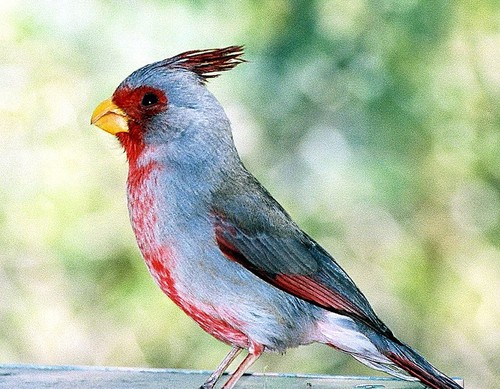
Pyrrhuloxia
19-22 cm (7.5-8.7 in) long, 30 cm wingspan
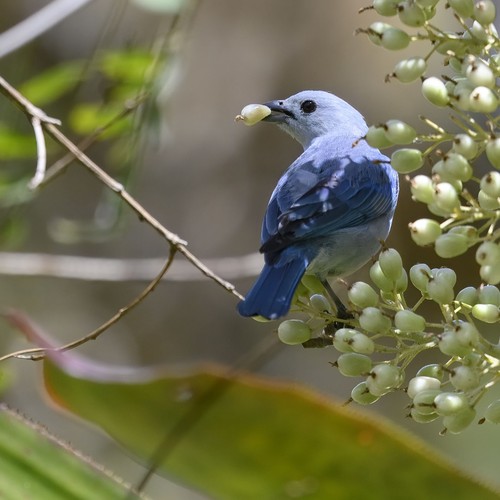
Blue-gray Tanager
16-18 cm (6-7 in) long
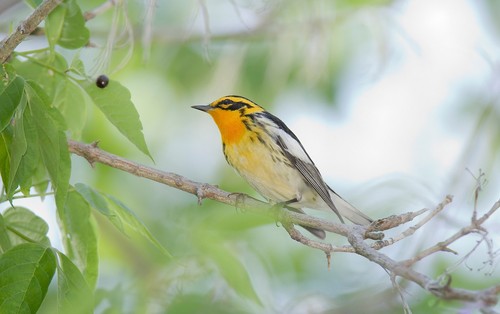
Blackburnian Warbler
11-13 cm (4.3-5.1 in) long, 20-22 cm wingspan
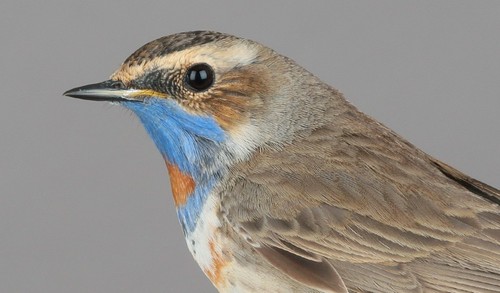
Bluethroat
13-14 cm (5.1-5.5 in) long, 20-22 cm wingspan
Eurasian Nuthatch
12-14.5 cm (4.7-5.7 in) long, 22.5-27 cm wingspan
Wood Thrush
19-21 cm (7.5-8.3 in) long, about 33 cm (13 in) wingspan