
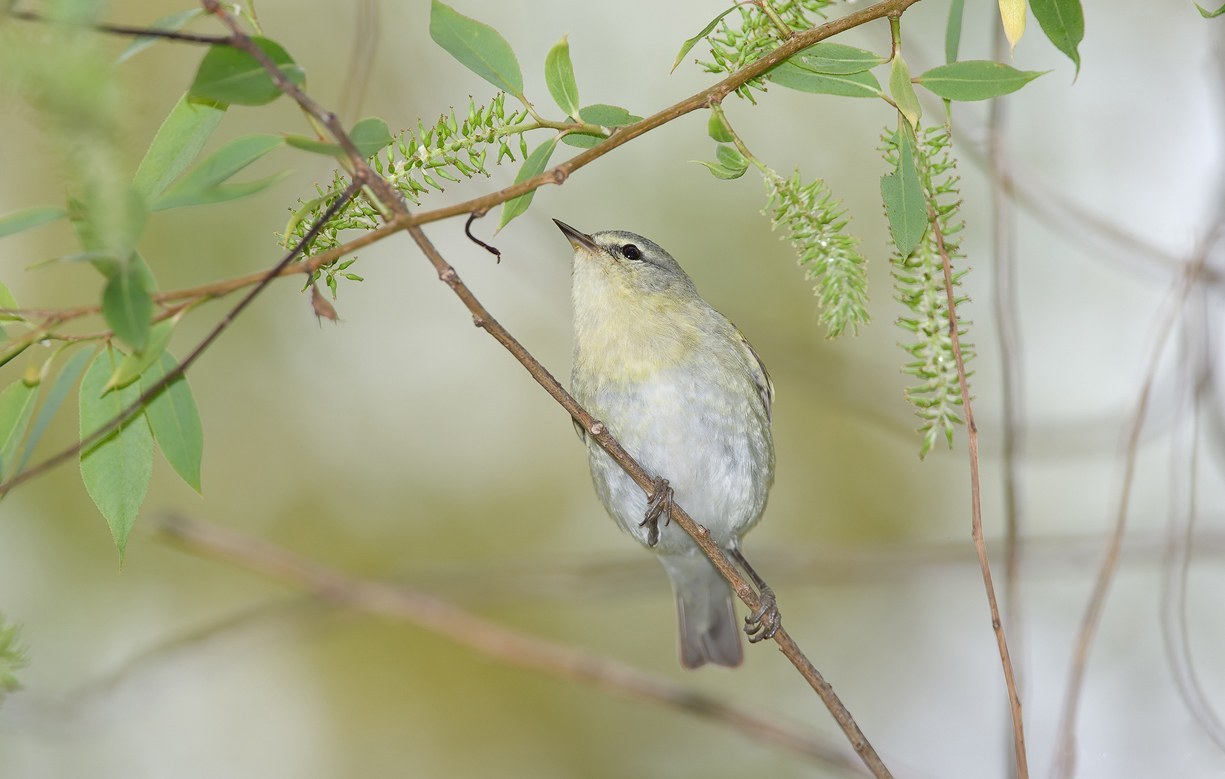
Tennessee Warbler
Leiothlypis peregrina
A plain, energetic warbler with a gray head, white eyebrow stripe, and olive back, named for a stray specimen collected in Tennessee though it neither breeds nor regularly winters there.
- Size
- 11-13 cm (4.5-5 in) long, 19-21 cm wingspan
- Habitat
- boreal coniferous and mixed forests; second growth and shade coffee plantations in winter
- Type
- songbird
Spotted a bird like this?
Identify any bird from a photo, free.
Overview
The Tennessee Warbler is one of the plainer members of its family, lacking wingbars, streaking, or bold facial markings, which can make it surprisingly easy to overlook. Breeding males show a clean gray head with a bold white eyebrow stripe (supercilium), a thin dark line through the eye, and an olive-green back, with whitish underparts.
Females and fall birds are washed with more yellow-green overall, especially below, and can look considerably different from the crisp gray-and-white breeding male. The species was named after a single specimen collected near the Cumberland River in Tennessee in 1811, even though the state is only a migratory stopover for the species.
How to identify it
Key field marks
- Plain olive-green back with no streaking
- Gray head (breeding male) with a bold whitish supercilium and thin dark eyeline
- No wingbars, or at most one very faint bar
- Short, thin, pointed bill
- Fall birds and females are more uniformly olive-yellow, especially on the underparts
Similar species
Fall Tennessee Warblers can be confused with Orange-crowned Warbler, but Tennessee shows cleaner, unstreaked underparts, whiter undertail coverts, and a shorter tail, whereas Orange-crowned has blurry streaking below and yellow (not white) undertail coverts. Vireos can also suggest a Tennessee Warbler, but the warbler's thin bill and constant activity separate it from the more deliberate, thicker-billed vireos.
Habitat & range
Tennessee Warblers breed across the boreal forest belt of Canada and the northern United States, favoring coniferous and mixed woodlands, bogs, and clearings, where their numbers can spike during spruce budworm outbreaks. They are among the most numerous migrants moving through the eastern and central United States each spring and fall.
In winter they range from southern Mexico through Central America into northern South America, where they are closely associated with flowering trees and shade-grown coffee plantations.
Behavior & voice
Behavior and voice
Active and often high in the canopy, Tennessee Warblers glean insects from foliage and are notable budworm predators on the breeding grounds. On the wintering grounds they readily visit flowering trees to feed on nectar and will also eat fruit, unusual habits for a warbler.
The song is loud and staccato, typically delivered in three distinct parts that increase in speed: "ticka-ticka-ticka, swit-swit-swit-swit, chew-chew-chew-chew."
Nesting
The nest is a well-hidden cup of grass, moss, and rootlets placed directly on the ground, often at the base of a shrub or hummock in a bog or open conifer stand. Clutches usually contain 4-7 eggs.
Frequently asked questions
Why is it called a Tennessee Warbler if it doesn't breed there?
The species was named after a single specimen collected near Nashville, Tennessee, in 1811. Tennessee is only a migratory stopover; the bird actually breeds in the boreal forests of Canada and the northern U.S.
How do I distinguish a Tennessee Warbler from an Orange-crowned Warbler?
Tennessee Warblers have cleaner, unstreaked underparts and white undertail coverts, while Orange-crowned Warblers show blurry streaking below and yellowish undertail coverts. Tennessee also has a shorter tail.
What does a Tennessee Warbler eat in winter?
Outside the breeding season it shifts to a more varied diet that includes flower nectar and fruit in addition to insects, which is unusual among warblers.
What habitat do Tennessee Warblers breed in?
They breed in boreal coniferous and mixed forests across Canada and the northern United States, often in areas experiencing spruce budworm outbreaks.
What does a Tennessee Warbler sound like?
Its song is a loud, staccato three-part series that speeds up: a slow "ticka-ticka-ticka," a faster "swit-swit-swit-swit," and a rapid trilled "chew-chew-chew-chew."
Tennessee Warbler guides
In-depth guides for identifying, finding, and understanding Tennessee Warbler.
Other birds you may enjoy
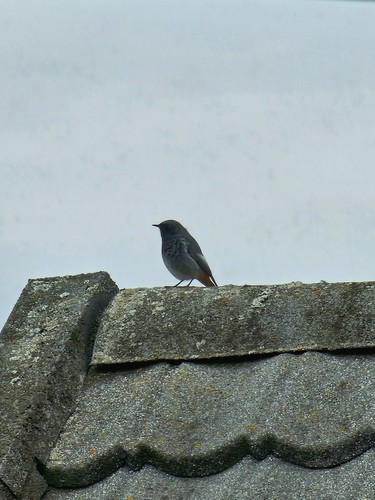
Black Redstart
13-14.5 cm (5.1-5.7 in) long, 23-26 cm wingspan
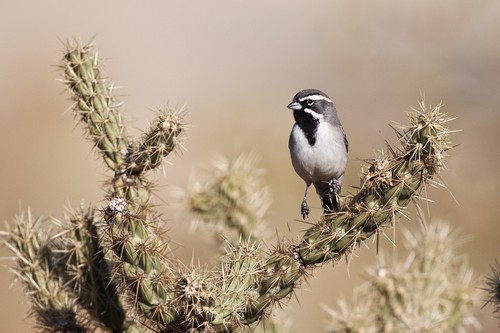
Black-throated Sparrow
12-14 cm (4.7-5.5 in) long, about 19-20 cm (7.5-8 in) wingspan
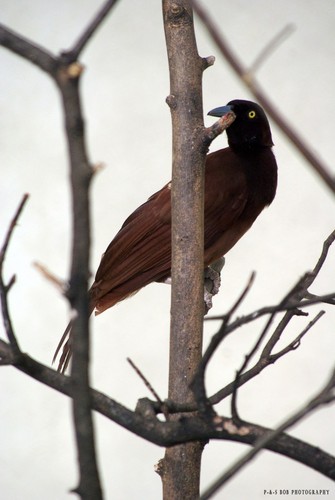
Greater Bird-of-paradise
Body about 43 cm; males with additional flank plumes up to 50 cm and long tail wires
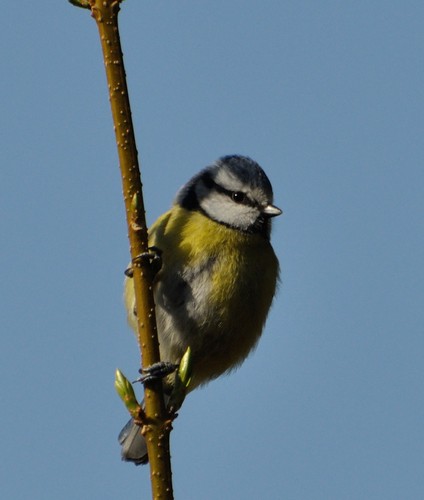
Blue Tit
11-12 cm (4.3-4.7 in) long, 17-20 cm wingspan

Red-billed Quelea
11.5–13 cm long, wingspan about 20–22 cm
White-plumed Antbird
13-14 cm (5-5.5 in) long
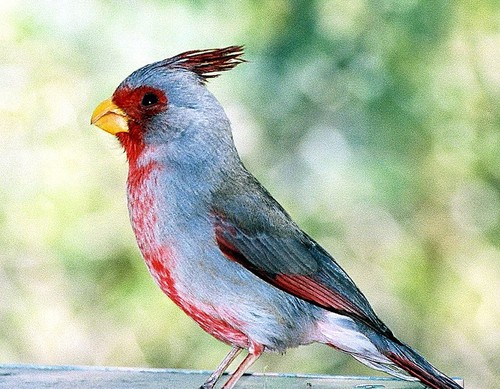
Pyrrhuloxia
19-22 cm (7.5-8.7 in) long, 30 cm wingspan
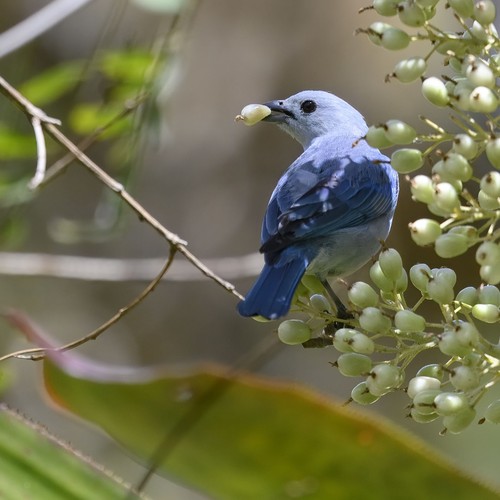
Blue-gray Tanager
16-18 cm (6-7 in) long
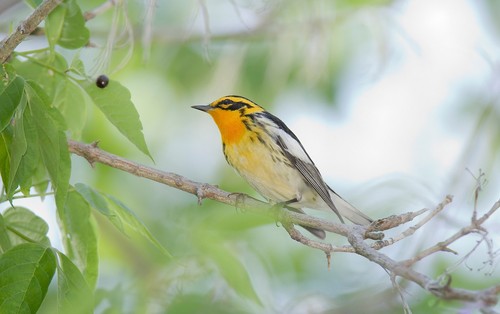
Blackburnian Warbler
11-13 cm (4.3-5.1 in) long, 20-22 cm wingspan
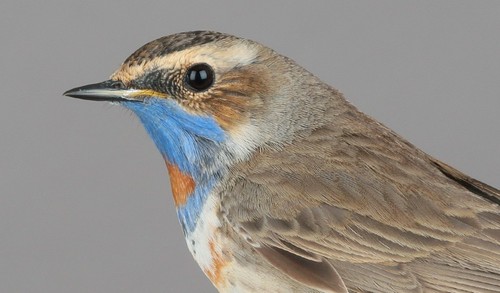
Bluethroat
13-14 cm (5.1-5.5 in) long, 20-22 cm wingspan
Eurasian Nuthatch
12-14.5 cm (4.7-5.7 in) long, 22.5-27 cm wingspan
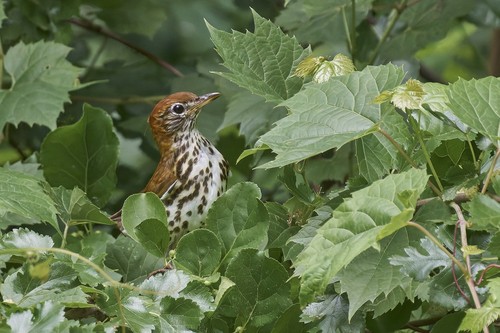
Wood Thrush
19-21 cm (7.5-8.3 in) long, about 33 cm (13 in) wingspan