
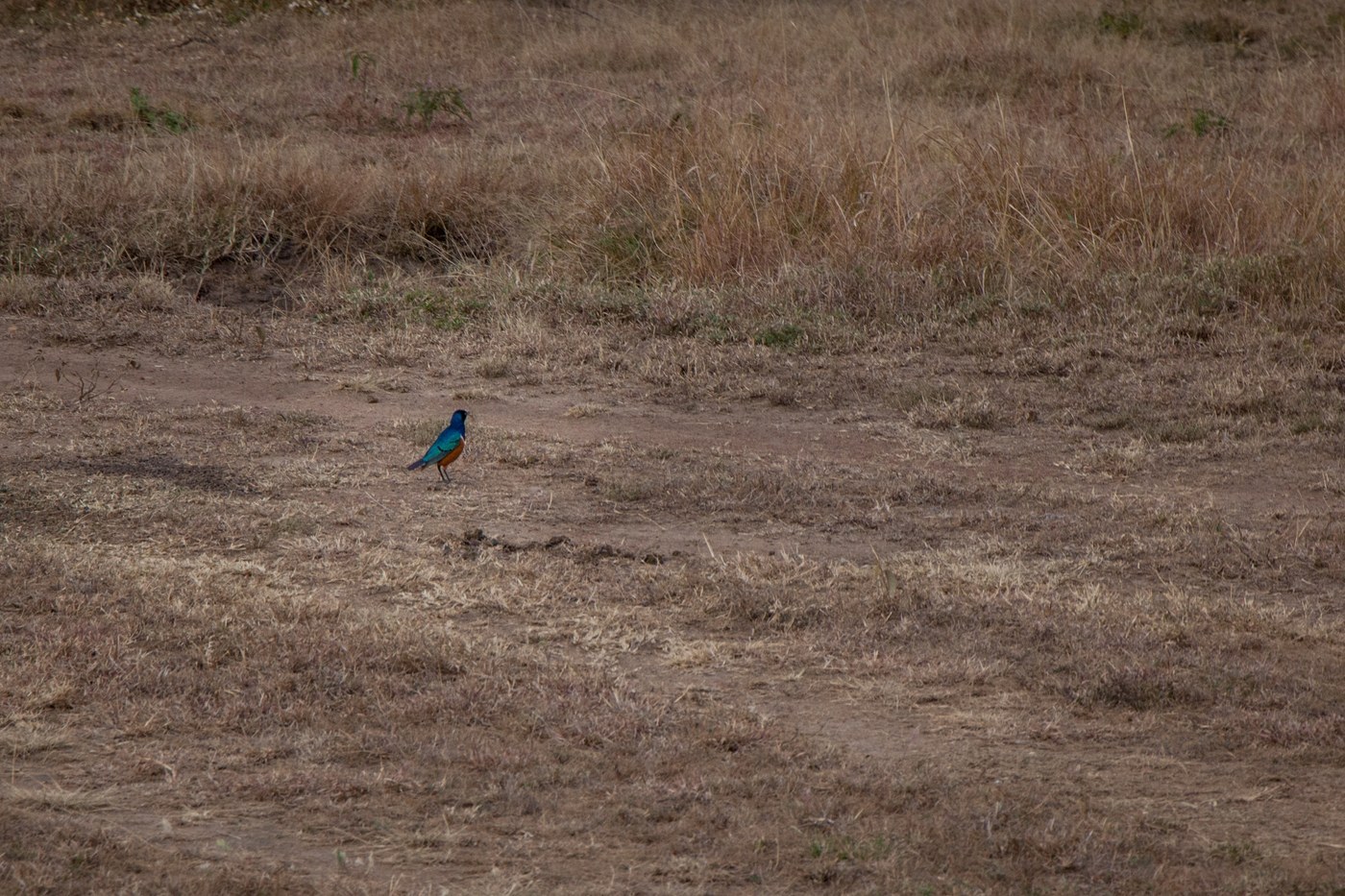
Superb Starling
Lamprotornis superbus
A common, strikingly colorful East African starling with a metallic blue-green back, chestnut belly, and a bold white breast band, familiar around safari camps and towns.
- Size
- About 18 cm long
- Habitat
- Savanna, open woodland, farmland and gardens in East Africa
- Type
- songbird
Spotted a bird like this?
Identify any bird from a photo, free.
Overview
The Superb Starling is one of the most recognizable and frequently seen birds across East Africa, common in savanna reserves, farmland, and urban gardens alike. Its bold coloring and confiding nature make it a favorite among visitors to the region.
Appearance
Adults show a glossy, iridescent blue-green head, back, and upper breast, separated from a warm chestnut-orange belly by a narrow white band. The undertail coverts are white, and the eye is bright orange to red-orange, adding to the bird's vivid look. Juveniles are duller, with a dark eye and less defined breast band, gradually acquiring adult plumage.
How to identify it
Key field marks
- Iridescent blue-green upperparts and throat
- Narrow white breast band separating the blue-green chest from a chestnut-orange belly
- Bright orange or red eye in adults
- White undertail coverts, often visible when the bird is perched or in flight
Similar species
The closely related Hildebrandt's Starling looks superficially similar but lacks the white breast band and has a dark red or dark eye rather than the paler orange eye typical of the Superb Starling; the two can occur in overlapping range in parts of Kenya and Tanzania, making the presence or absence of the white chest band the most reliable distinguishing feature.
Habitat & range
Habitat
Superb Starlings thrive in open savanna, acacia woodland, farmland, roadside habitat, and gardens, readily adapting to human-modified landscapes including lodges, camps, and towns.
Range
The species is found across East Africa, including Ethiopia, Somalia, Kenya, Uganda, and Tanzania.
Migration
Largely resident, though flocks may move locally in response to food availability and rainfall patterns.
Behavior & voice
Behavior
Highly social and often bold around humans, Superb Starlings forage in noisy flocks on the ground and readily approach picnic sites, campgrounds, and lodges in search of food. They are cooperative breeders, with related birds helping to raise young at a nest.
Voice
Calls are varied and include harsh chattering, whistles, and squeaky notes; the song is a mix of warbles and chatters often delivered by several birds at once.
Feeding
The diet is omnivorous, including insects such as grasshoppers and beetles, fruit, seeds, and, around human settlements, discarded food scraps.
Nesting
Superb Starlings build large, domed nests of grass and twigs, often in thorny trees for protection from predators, and breed cooperatively, with non-breeding helpers, frequently offspring from previous broods, assisting in feeding chicks.
Frequently asked questions
How do you identify a Superb Starling?
Look for iridescent blue-green upperparts, a chestnut-orange belly, a narrow white breast band, and a bright orange eye.
Where can you see Superb Starlings?
They are common throughout East Africa, including Kenya, Tanzania, Uganda, Ethiopia, and Somalia, in savanna, farmland, and gardens.
What is the difference between a Superb Starling and a Hildebrandt's Starling?
Superb Starlings have a white breast band and orange eye, while Hildebrandt's Starlings lack the white band and typically have a darker red eye.
Do Superb Starlings live in groups?
Yes, they are highly social, foraging and breeding cooperatively in flocks or family groups.
What do Superb Starlings eat?
They are omnivorous, eating insects, fruit, seeds, and food scraps near human settlements.
Superb Starling guides
In-depth guides for identifying, finding, and understanding Superb Starling.
Other birds you may enjoy
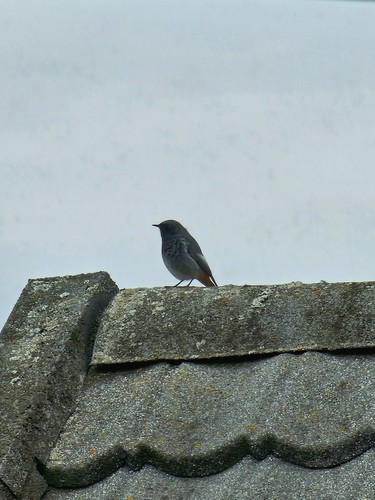
Black Redstart
13-14.5 cm (5.1-5.7 in) long, 23-26 cm wingspan
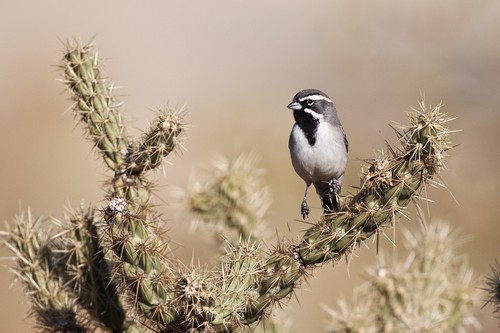
Black-throated Sparrow
12-14 cm (4.7-5.5 in) long, about 19-20 cm (7.5-8 in) wingspan
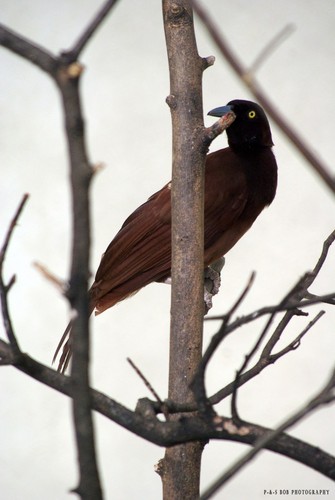
Greater Bird-of-paradise
Body about 43 cm; males with additional flank plumes up to 50 cm and long tail wires
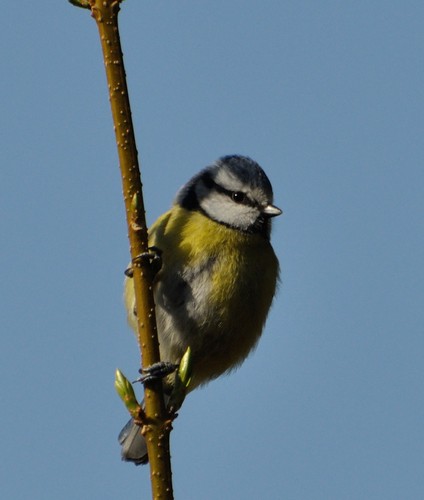
Blue Tit
11-12 cm (4.3-4.7 in) long, 17-20 cm wingspan
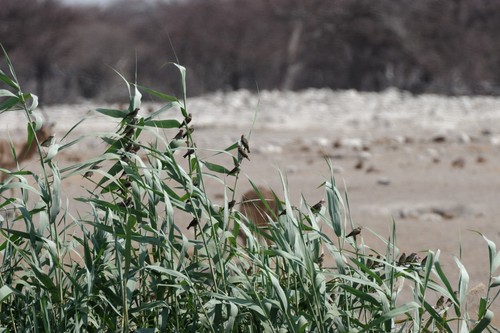
Red-billed Quelea
11.5–13 cm long, wingspan about 20–22 cm
White-plumed Antbird
13-14 cm (5-5.5 in) long
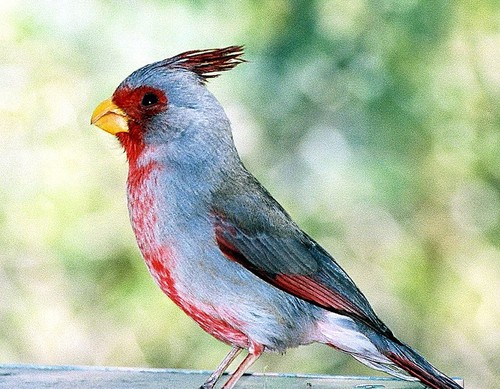
Pyrrhuloxia
19-22 cm (7.5-8.7 in) long, 30 cm wingspan
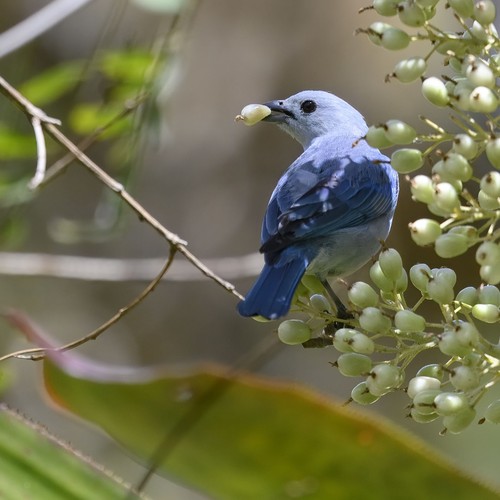
Blue-gray Tanager
16-18 cm (6-7 in) long
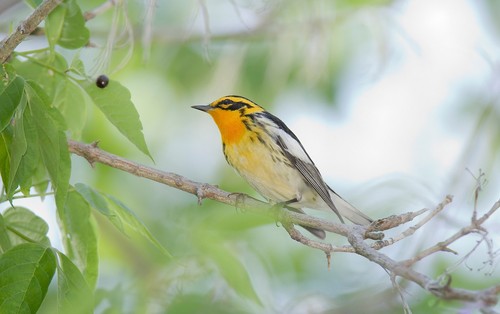
Blackburnian Warbler
11-13 cm (4.3-5.1 in) long, 20-22 cm wingspan
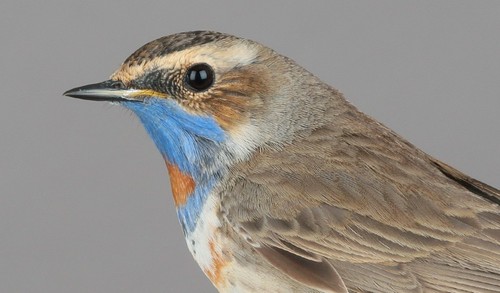
Bluethroat
13-14 cm (5.1-5.5 in) long, 20-22 cm wingspan
Eurasian Nuthatch
12-14.5 cm (4.7-5.7 in) long, 22.5-27 cm wingspan
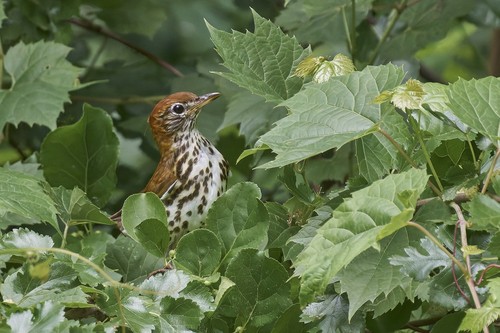
Wood Thrush
19-21 cm (7.5-8.3 in) long, about 33 cm (13 in) wingspan