
Superb Fruit Dove
Ptilinopus superbus
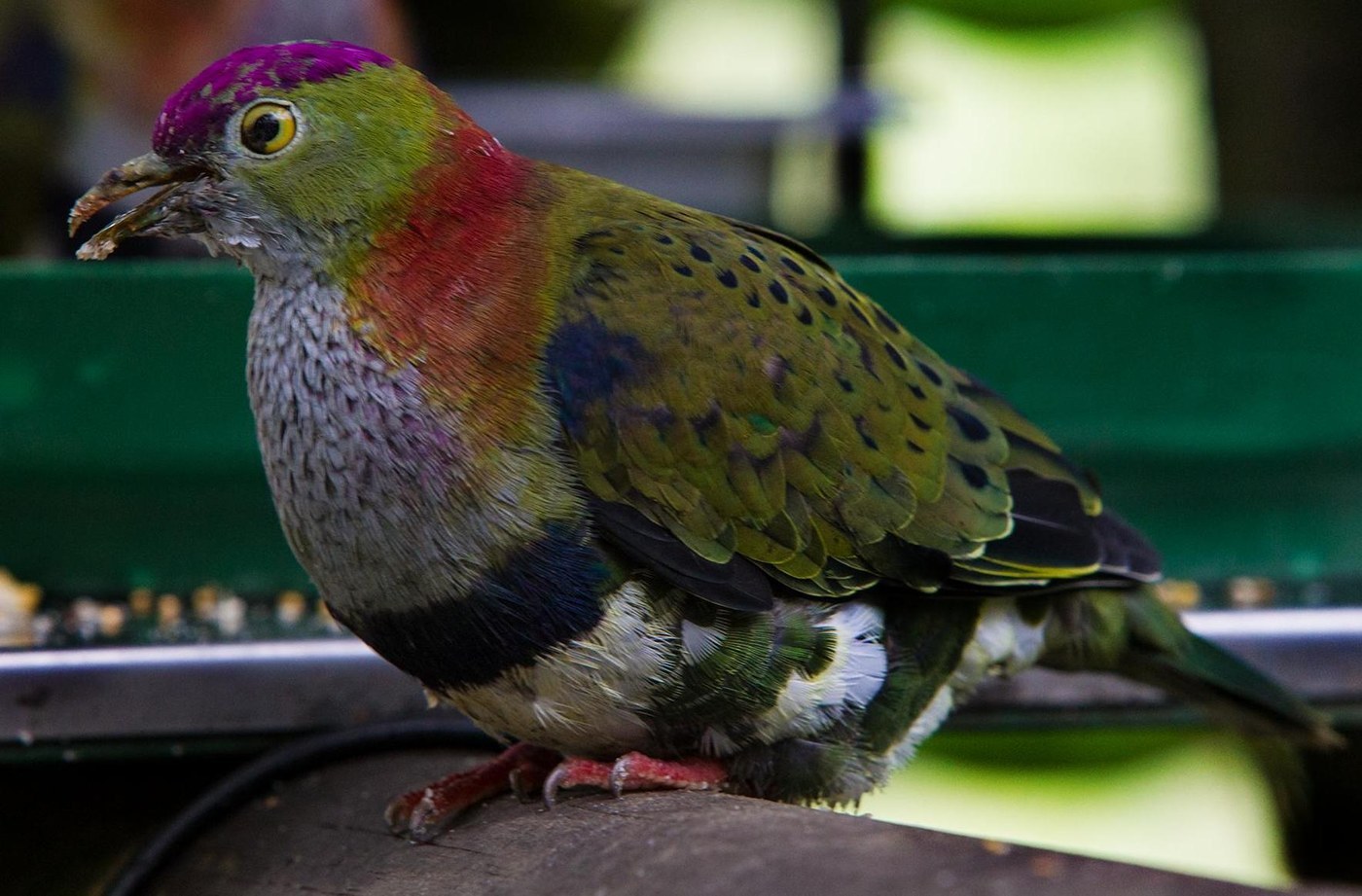
A small, jewel-colored fruit dove; the male combines a purple crown, orange nape, grey chest band, and green back into a dazzling patchwork of color.
- Size
- 21-24 cm (8-9.5 in) long
- Habitat
- rainforest and dense forest
- Type
- other
Spotted a bird like this?
Identify any bird from a photo, free.
Overview
The Superb Fruit Dove is a small but extraordinarily colorful fruit dove, with the male displaying a rich patchwork of colors: a deep purple crown, a bright orange-rufous band across the nape, a grey chest band bordered with black, a green back and wings, and an orange-yellow belly. Females are far more subdued, mostly green overall with a paler belly, providing better camouflage among rainforest foliage.
Despite its brilliant plumage, the male can be surprisingly hard to see well as it forages quietly and often stays still high in fruiting trees, with the striking pattern serving to break up its outline among dappled light and leaves rather than making it conspicuous.
How to identify it
Key field marks
- Male: deep purple crown, orange-rufous nape band, grey chest band, green back, orange-yellow belly
- Female: mostly green overall, much plainer than the male
- Small size compared to other Australian fruit doves
- Often located by voice before being seen in the canopy
Similar species
- Rose-crowned Fruit Dove has a rose-pink (not purple) crown and lacks the orange nape band.
- Wompoo Fruit Dove is much larger with a grey head and magenta breast rather than the Superb's multicolored pattern.
Habitat & range
Habitat
Inhabits rainforest and other dense, fruit-bearing forest, from lowland to montane areas.
Range
Found along the east coast and northern parts of Australia, including Cape York, and more widely across parts of Indonesia and Papua New Guinea; in Australia it ranges from Cape York south to central New South Wales.
Migration
Partly migratory or nomadic, with some populations, particularly in the south of the range, moving seasonally in response to fruit availability.
Behavior & voice
Behavior
Forages quietly, often alone or in pairs, high in fruiting trees, remaining still for long periods; can be inconspicuous despite bright plumage due to its habit of sitting motionless in foliage.
Voice
A soft, repeated, low cooing call, often a simple rising "hoo" repeated steadily.
Feeding
Feeds almost entirely on fruit, particularly figs and other small rainforest fruits, swallowed whole.
Nesting
Builds a small, flimsy platform nest of twigs in a tree; lays a single white egg.
Frequently asked questions
How do you identify a male Superb Fruit Dove?
Look for a small dove with a deep purple crown, an orange-rufous band across the nape, a grey chest band, a green back, and an orange-yellow belly.
How does a female Superb Fruit Dove differ from the male?
Females are much plainer, mostly green overall with a paler belly, lacking the male's bold multicolored pattern.
What does a Superb Fruit Dove eat?
Almost entirely fruit, especially figs, swallowed whole.
Where does the Superb Fruit Dove live?
In rainforest along northern and eastern Australia from Cape York to central New South Wales, and more widely through New Guinea and Indonesia.
Superb Fruit Dove guides
In-depth guides for identifying, finding, and understanding Superb Fruit Dove.
Other birds you may enjoy
Kiwi
35-55 cm (14-22 in) long; roughly chicken-sized
Curl-crested Aracari
41-46 cm (16-18 in) long, including a long bill and tail
Keel-billed Toucan
42-55 cm (17-22 in) long including bill
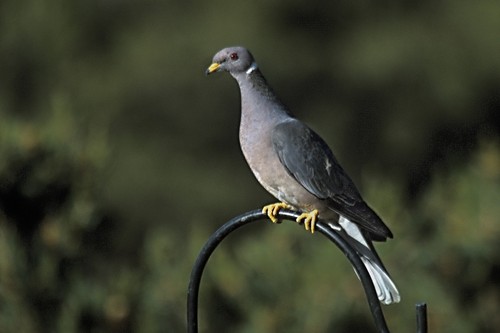
Band-tailed Pigeon
33-38 cm (13-15 in) long, wingspan about 66 cm (26 in)
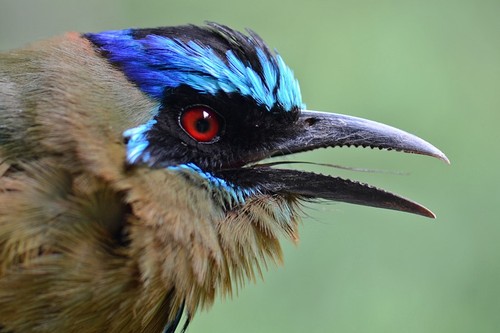
Blue-crowned Motmot
38-43 cm (15-17 in) long including tail
White-tipped Dove
27-30 cm (10.5-12 in) long, 38-43 cm wingspan
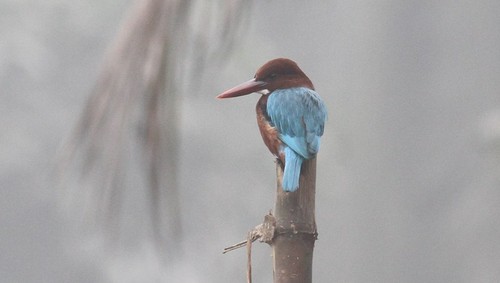
White-throated Kingfisher
27-28 cm (10.5-11 in) long
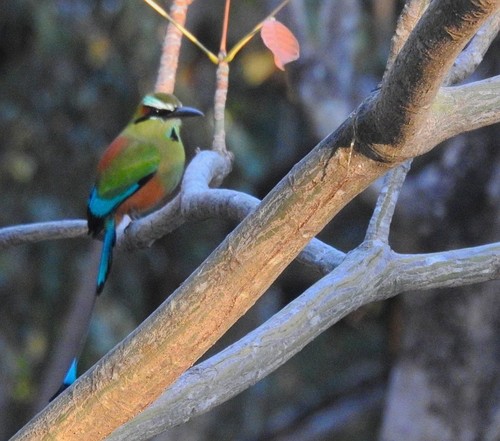
Turquoise-browed Motmot
34 cm (13 in) long including tail
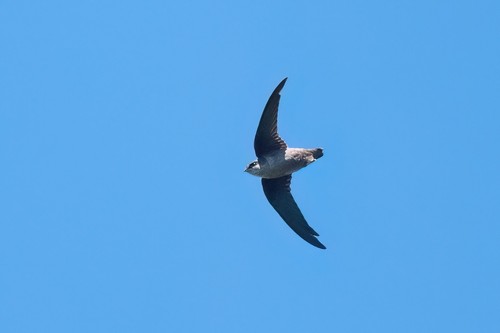
Vaux's Swift
10-12 cm (4-4.5 in) long, 27-30 cm wingspan
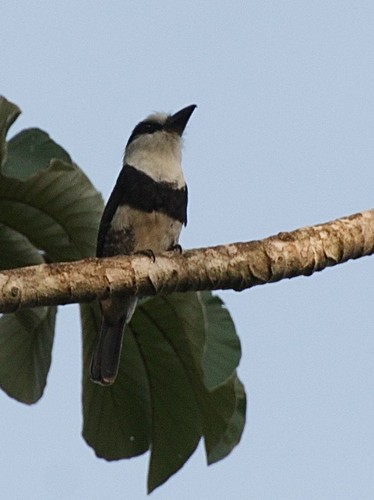
White-necked Puffbird
22-24 cm (8.5-9.5 in) long
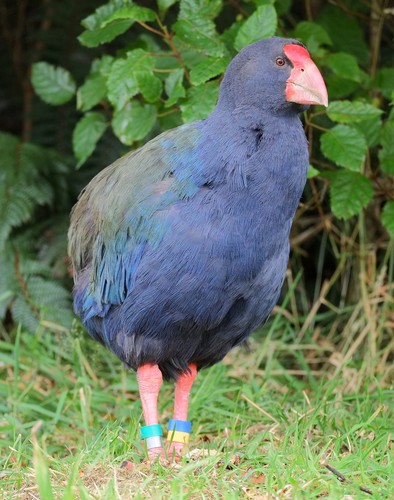
Takahe
50 cm (20 in) long, up to 3.5 kg; flightless
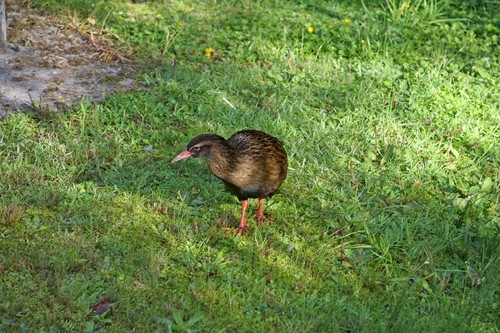
Weka
50-60 cm (20-24 in) long; flightless