
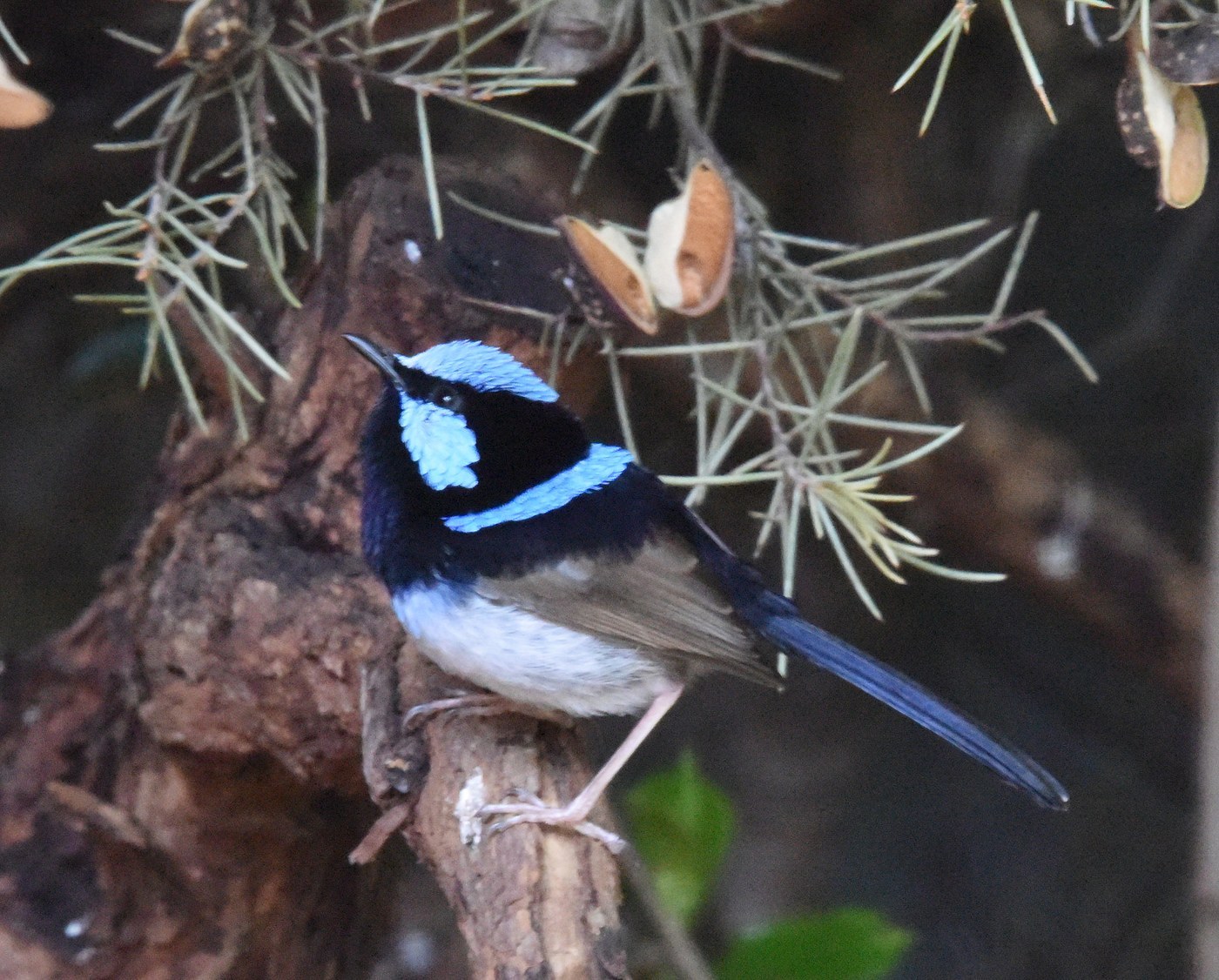
Superb Fairywren
Malurus cyaneus
A tiny, cooperatively breeding songbird whose breeding males flash brilliant iridescent blue against black, a familiar sight in southeastern Australian gardens.
- Size
- 14 cm (5.5 in) long
- Habitat
- gardens, parks, woodland understory, and heath in southeastern Australia and Tasmania
- Type
- songbird
Spotted a bird like this?
Identify any bird from a photo, free.
Overview
The Superb Fairywren is a small, long-tailed songbird well known for the dramatic seasonal transformation of breeding males, who develop a shimmering, iridescent blue crown, ear coverts, and mantle set against a black mask, throat, and upper breast, with a blue-black tail often cocked upright. Outside the breeding season, males molt into a plumage much like that of females: soft brown above, paler below, with a blue-washed tail.
Females and juveniles are brown overall year-round, with a distinctive rust-orange eye-ring and bill, and lack the male's black mask and blue crown. Fairywrens live in small, close-knit family groups and are famous among ornithologists for a complex cooperative breeding system and very high rates of extra-pair mating.
How to identify it
Key field marks
- Breeding male: brilliant iridescent blue crown, ear coverts, and back, with a black mask, throat, and breast band
- Non-breeding male/female: plain brown above, pale below, blue-tinged tail
- Female: rust-orange bill and eye-ring, no black mask
- Long tail frequently held cocked upright
- Small, rounded body with weak, whirring flight
Similar species
- Splendid Fairywren: breeding male is almost entirely blue (including throat and breast) rather than showing the black throat/mask of the Superb Fairywren; ranges overlap only marginally in inland South Australia.
- Variegated Fairywren: breeding male shows a chestnut shoulder patch absent in the Superb Fairywren.
- Female fairywren species are notoriously similar; range and any accompanying males are the best clues.
Habitat & range
Habitat
Superb Fairywrens favor dense low shrubbery and understory in gardens, parks, woodland, forest edges, and heathland, needing thick cover for shelter and nesting.
Range
The species is common and widespread across southeastern Australia, including Tasmania, from southeastern Queensland through New South Wales, Victoria, and into southeastern South Australia.
Migration
Sedentary, with family groups defending the same territory year-round.
Behavior & voice
Behavior
Superb Fairywrens live in small social groups typically consisting of a dominant breeding pair and several helper birds, often offspring from previous broods, that assist in feeding and defending young. Groups forage together low in vegetation and on the ground, keeping in near-constant contact.
Voice
The song is a rapid, reeling, high-pitched trill, while contact calls include soft, buzzy "zit" notes used to keep the group together.
Feeding
Diet is dominated by small insects and spiders gleaned from foliage, bark, and the ground, supplemented occasionally by small seeds.
Nesting and breeding
Nests are small, domed structures built low in dense shrubs, made of grass and spider web. Clutches usually contain three to four pale eggs, incubated by the female, with the whole family group helping feed the chicks. The species is notable for extremely high rates of extra-pair paternity, with many broods sired by males from neighboring territories.
Frequently asked questions
Why do male Superb Fairywrens sometimes look brown like females?
Outside the breeding season, males molt out of their bright blue plumage into an 'eclipse' plumage similar to females, then regain their brilliant blue and black coloring for the next breeding season.
How can you tell a female Superb Fairywren from a male?
Females are brown all over with a rust-orange bill and eye-ring, while breeding males show iridescent blue on the crown and back with a black mask and throat.
What is unusual about Superb Fairywren breeding?
They breed cooperatively in family groups with helper birds, and have exceptionally high rates of extra-pair paternity, meaning many chicks are not fathered by the group's dominant male.
What do Superb Fairywrens eat?
Mostly small insects and spiders, gleaned from low shrubs, bark, and the ground, with occasional small seeds.
Where do Superb Fairywrens live?
They are common across southeastern Australia and Tasmania, in gardens, parks, and woodland with dense low shrub cover.
Superb Fairywren guides
In-depth guides for identifying, finding, and understanding Superb Fairywren.
Other birds you may enjoy
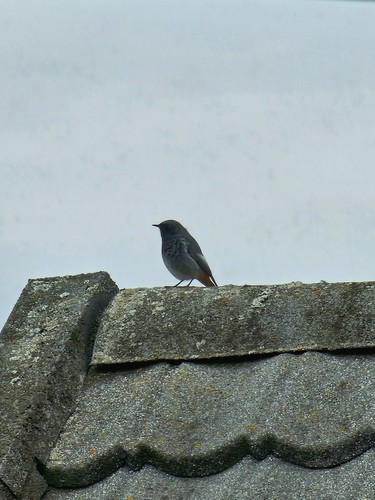
Black Redstart
13-14.5 cm (5.1-5.7 in) long, 23-26 cm wingspan
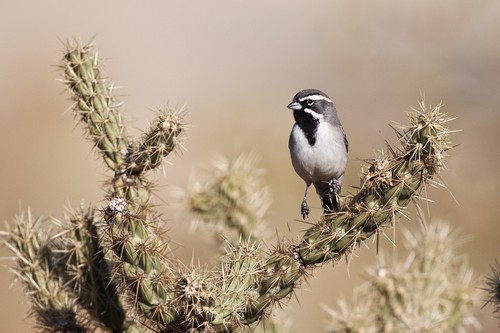
Black-throated Sparrow
12-14 cm (4.7-5.5 in) long, about 19-20 cm (7.5-8 in) wingspan
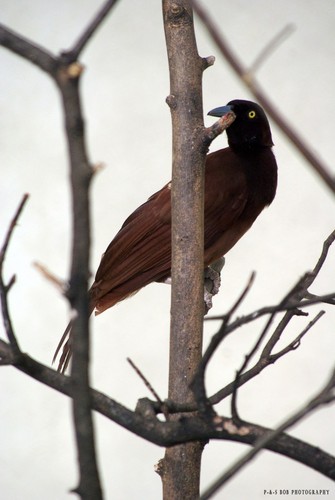
Greater Bird-of-paradise
Body about 43 cm; males with additional flank plumes up to 50 cm and long tail wires
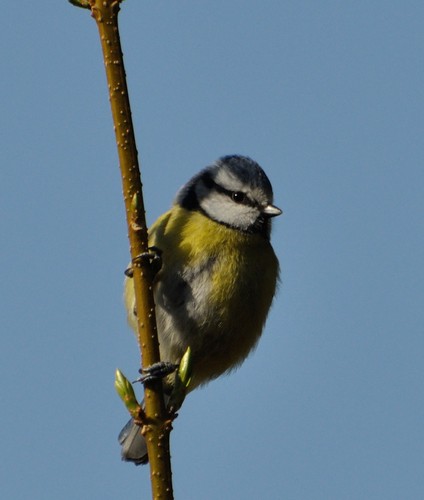
Blue Tit
11-12 cm (4.3-4.7 in) long, 17-20 cm wingspan
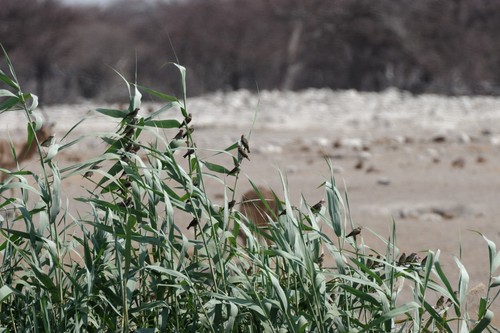
Red-billed Quelea
11.5–13 cm long, wingspan about 20–22 cm
White-plumed Antbird
13-14 cm (5-5.5 in) long
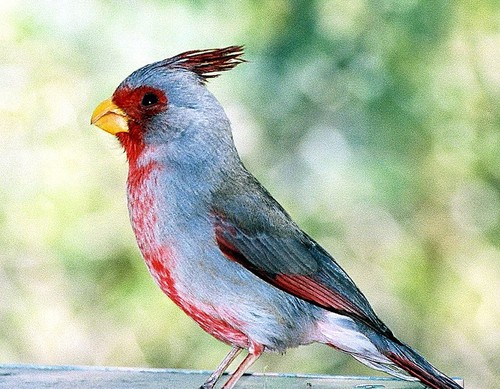
Pyrrhuloxia
19-22 cm (7.5-8.7 in) long, 30 cm wingspan
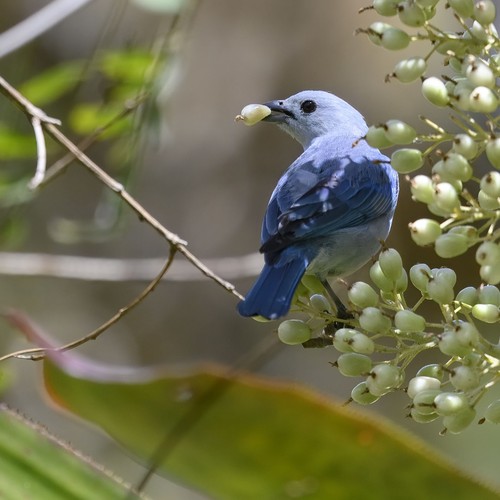
Blue-gray Tanager
16-18 cm (6-7 in) long
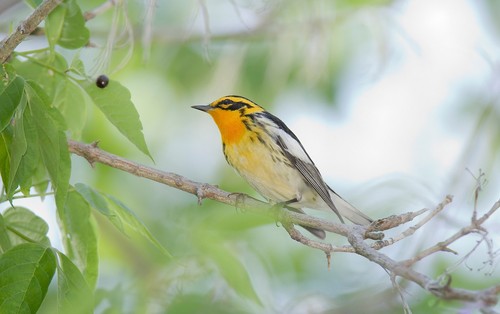
Blackburnian Warbler
11-13 cm (4.3-5.1 in) long, 20-22 cm wingspan
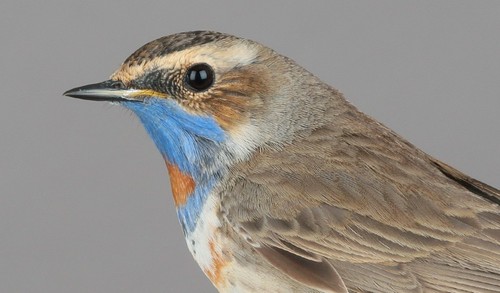
Bluethroat
13-14 cm (5.1-5.5 in) long, 20-22 cm wingspan
Eurasian Nuthatch
12-14.5 cm (4.7-5.7 in) long, 22.5-27 cm wingspan
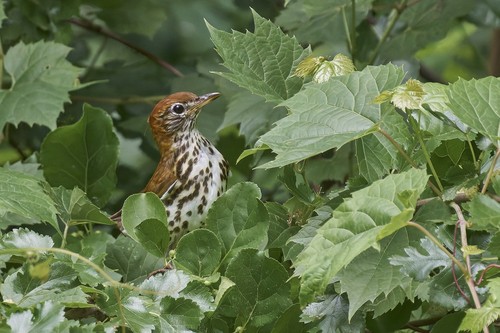
Wood Thrush
19-21 cm (7.5-8.3 in) long, about 33 cm (13 in) wingspan