
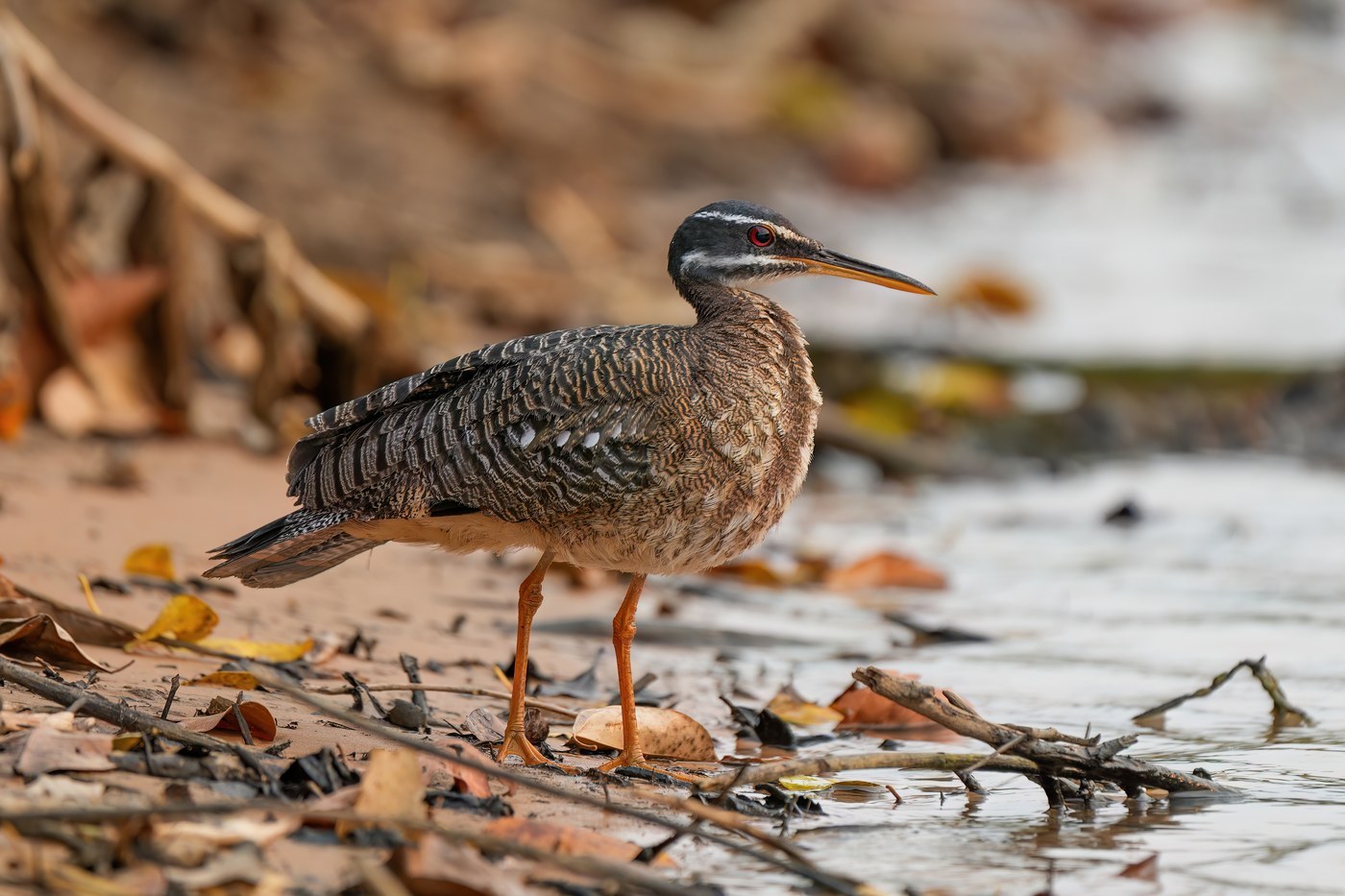
Sunbittern
Eurypyga helias
A cryptically patterned streamside bird that, when it spreads its wings, reveals stunning chestnut, black, and white "sunburst" eye-spots used in dramatic display.
- Size
- 43-48 cm (17-19 in) long
- Habitat
- forested streams, rivers, and swampy edges of lowland to foothill forest
- Type
- wading-bird
Spotted a bird like this?
Identify any bird from a photo, free.
Overview
The Sunbittern is one of the Neotropics' most extraordinary birds, unique enough taxonomically to occupy its own family (Eurypygidae) most closely related to the Kagu of New Caledonia. At rest, it appears as a slim, cryptically patterned brown-gray-and-black bird with a long neck, long bright orange-red legs, and a slender bill, blending remarkably well with dappled streamside light and shadow. When alarmed or displaying, it spreads its broad wings and tail to reveal a dazzling pattern of chestnut, black, and white eye-like spots (ocelli) and a golden band, an unforgettable sight that gives the bird its name.
How to identify it
Key field marks
- Slim body, long neck, long orange-red legs, slender pointed bill.
- Finely vermiculated gray-brown-and-black plumage at rest, providing camouflage.
- Spectacular chestnut, black, and white "sunburst" wing pattern revealed only when wings are spread.
Similar species
No other Neotropical bird shows this combination of cryptic resting plumage and the dramatic wing-spread display; its unique shape and streamside habits make confusion unlikely once the wing pattern is seen.
Habitat & range
Sunbitterns inhabit the shaded margins of forested streams, rivers, and swampy forest edges, from lowlands up to foothill elevations (roughly 1,000-1,500 m in places). The species ranges from Guatemala through Central America and across much of the Amazon basin to Bolivia and Brazil. It is a non-migratory resident, typically encountered singly or in pairs walking slowly along stream banks.
Behavior & voice
Voice
A thin, high-pitched whistled call, and occasionally a more mournful, drawn-out note; generally a quiet bird.
Feeding
Sunbitterns walk slowly and deliberately along stream edges and shallow water, stalking and stabbing at fish, aquatic insects, crustaceans, and amphibians with quick jabs of the bill.
Nesting and breeding
Pairs build a bulky nest of mud, leaves, and plant material in a low tree or on a stream-side ledge. Both parents share incubation and, notably, both may perform the striking wing-spread display toward intruders or predators near the nest, as well as during courtship.
Frequently asked questions
Why does the Sunbittern spread its wings?
The wing-and-tail spread reveals a dramatic chestnut, black, and white eye-spot pattern used to startle predators, in territorial displays, and during courtship.
What family is the Sunbittern in?
It is the sole member of the family Eurypygidae, most closely related to the Kagu of New Caledonia, making it taxonomically unique.
What does a Sunbittern eat?
Fish, aquatic insects, crustaceans, and amphibians caught while walking slowly along stream edges.
Where do Sunbitterns live?
Along shaded forest streams and rivers from Central America through much of the Amazon basin.
Sunbittern guides
In-depth guides for identifying, finding, and understanding Sunbittern.
Other birds you may enjoy
Demoiselle Crane
85-100 cm (33-39 in) long, 155-180 cm wingspan
Boat-billed Heron
41-56 cm (16-22 in) long
Purple Heron
78-90 cm (31-35 in) long, 120-152 cm wingspan
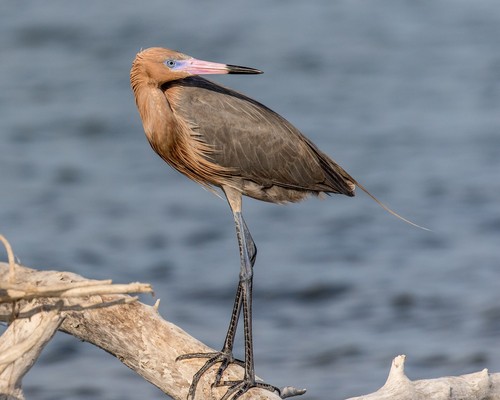
Reddish Egret
68-82 cm (27-32 in) long, 116-125 cm wingspan
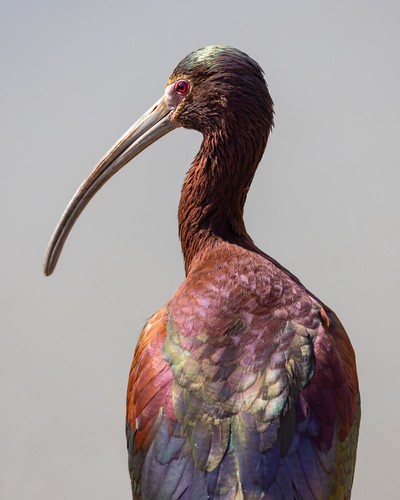
White-faced Ibis
46-56 cm (18-22 in) long, 88-93 cm wingspan
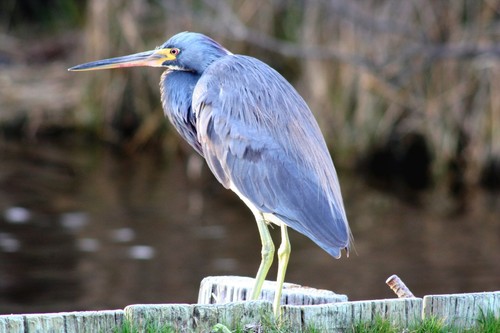
Tricolored Heron
61-76 cm (24-30 in) long, about 96 cm wingspan
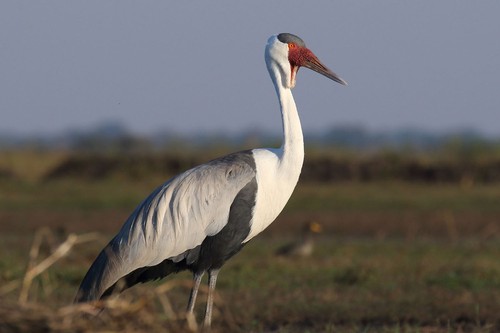
Wattled Crane
120-175 cm (47-69 in) tall, one of the tallest cranes, wingspan up to about 230 cm (7.5 ft)
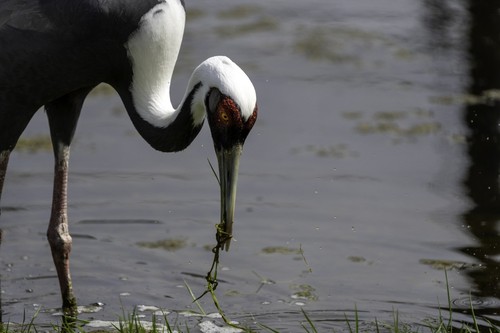
White-naped Crane
112-125 cm (44-49 in) long, 195-210 cm wingspan
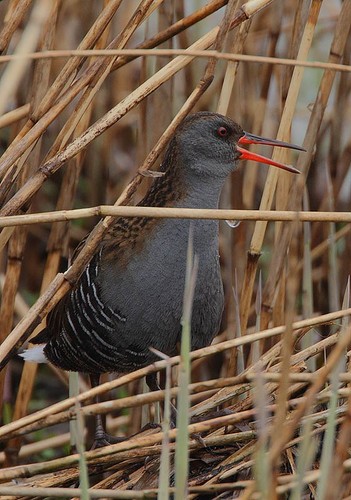
Water Rail
23-28 cm (9-11 in) long, wingspan 38-45 cm
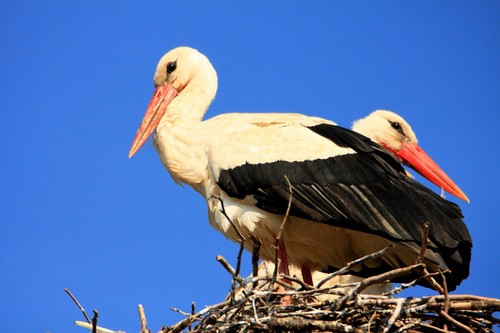
White Stork
100-125 cm (39-49 in) long, 155-215 cm wingspan
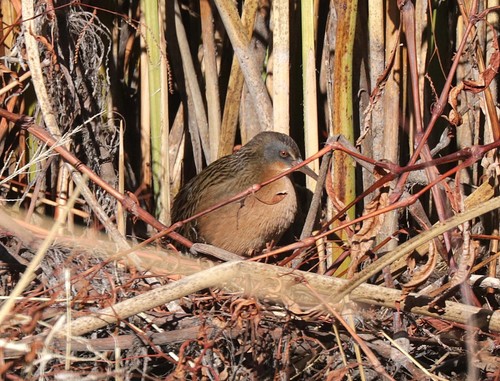
Virginia Rail
20-27 cm (8-11 in) long, wingspan 32-38 cm
Wattled Jacana
17-23 cm (7-9 in) long