
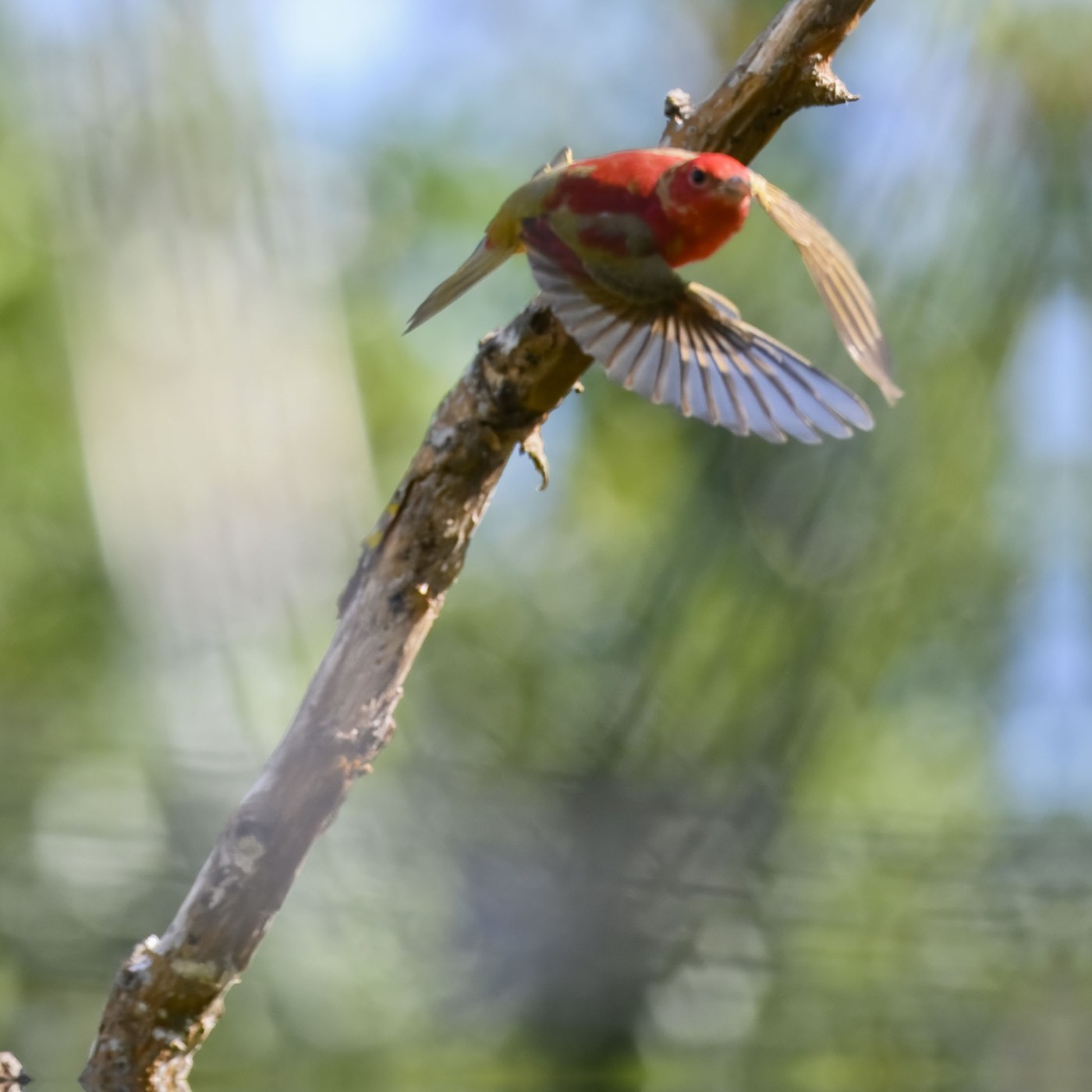
Summer Tanager
Piranga rubra
The only entirely red bird in North America, the Summer Tanager male is a rosy-red songbird known for specializing in catching and de-stinging bees and wasps.
- Size
- 16-19 cm (6.3-7.5 in) long, 28-30 cm wingspan
- Habitat
- open deciduous woodlands, pine-oak forest, riparian groves, and woodland edges
- Type
- songbird
Spotted a bird like this?
Identify any bird from a photo, free.
Overview
The Summer Tanager is notable as the only completely red bird found in North America, with adult males showing a rosy to brick-red plumage over the entire body, lacking any black on the head or wings, distinguishing it from the similar Scarlet and Hepatic Tanagers. Females and immature birds are a warm mustard-yellow to orange-yellow overall, with a stout, pale bill. First-year males can show a patchy, mottled mix of yellow and red as they molt into adult plumage.
Nicknamed the "bee bird" in parts of its range, the Summer Tanager has a notable specialization for catching bees and wasps in flight, skillfully removing the stinger by beating the insect against a branch before eating it, and it will even raid wasp nests to feed on larvae.
How to identify it
Key Field Marks
- Adult male: entirely rosy-red to brick-red body, no black on wings or head, pale conical bill
- Female/immature: mustard-yellow to orange-yellow overall, pale bill, no wingbars
- Stout bill, slightly larger and heavier than a warbler's
Similar Species
- Scarlet Tanager male has black wings and tail contrasting with a bright red body, unlike the all-red Summer Tanager male.
- Hepatic Tanager male is a duller, brick-red with a dark gray cheek patch (auricular) and dark bill, versus the Summer Tanager's pale bill and lack of a dark cheek patch.
- Northern Cardinal male has a prominent crest and black face mask, both lacking in Summer Tanager.
Habitat & range
Habitat
Favors open deciduous and pine-oak woodlands, riparian groves, and woodland edges, generally in the canopy.
Range
Breeds across the southern and south-central United States, from California and the Southwest east through the Southeast to the mid-Atlantic. Winters from Mexico through Central America to South America.
Migration
A long-distance neotropical migrant, traveling to wintering grounds as far south as the Amazon basin.
Behavior & voice
Behavior
Summer Tanagers forage deliberately in the mid- to upper canopy, and are especially known for sallying out to catch bees and wasps in flight, then returning to a perch to remove the stinger before swallowing the insect.
Voice
The song is a rich, whistled series of phrases similar to an American Robin's song but slightly hoarser and more musical; the distinctive call is a staccato "pik-i-tuk-i-tuk."
Feeding
Specializes in catching bees, wasps, and other flying insects, along with beetles and other invertebrates, and supplements its diet with fruit, especially outside the breeding season.
Nesting & Breeding
The female builds a shallow, loosely woven cup nest of grass and plant fibers, typically placed on a horizontal branch well out from the trunk. She incubates 3-4 eggs alone.
Frequently asked questions
Is the Summer Tanager the only all-red bird in North America?
Yes, the adult male Summer Tanager is the only entirely red bird native to North America, lacking any black on the wings or head unlike the similar Scarlet Tanager.
Why is the Summer Tanager called the 'bee bird'?
It has a notable specialization for catching bees and wasps in flight, skillfully removing the stinger by beating the insect against a branch before eating it, sometimes even raiding wasp nests.
How do you tell a Summer Tanager from a Scarlet Tanager?
Male Summer Tanagers are entirely red with no black on the wings, while male Scarlet Tanagers have a bright red body with contrasting black wings and tail.
What does a female Summer Tanager look like?
Females are a warm mustard-yellow to orange-yellow overall with a pale bill, lacking any red.
Summer Tanager guides
In-depth guides for identifying, finding, and understanding Summer Tanager.
Other birds you may enjoy
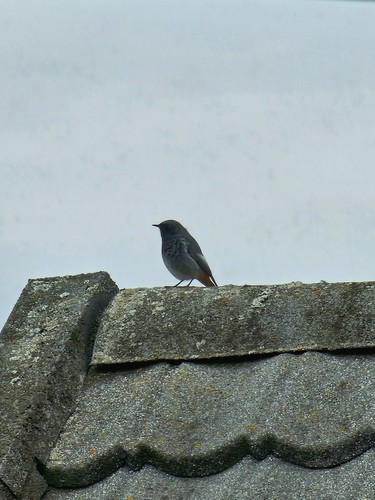
Black Redstart
13-14.5 cm (5.1-5.7 in) long, 23-26 cm wingspan
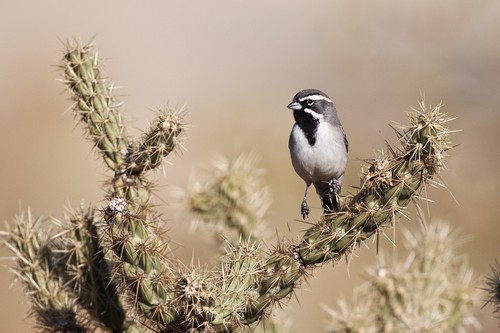
Black-throated Sparrow
12-14 cm (4.7-5.5 in) long, about 19-20 cm (7.5-8 in) wingspan
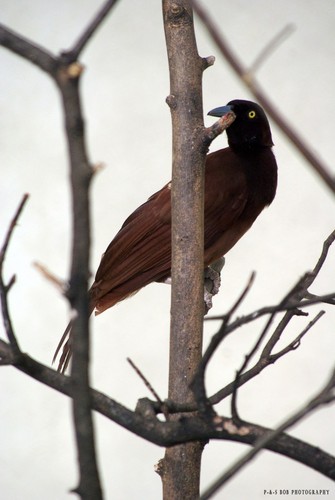
Greater Bird-of-paradise
Body about 43 cm; males with additional flank plumes up to 50 cm and long tail wires
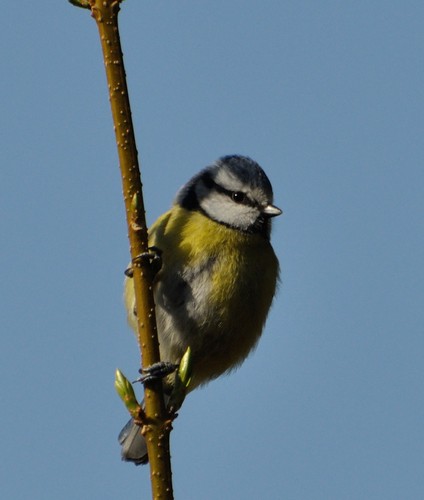
Blue Tit
11-12 cm (4.3-4.7 in) long, 17-20 cm wingspan
Red-billed Quelea
11.5–13 cm long, wingspan about 20–22 cm
White-plumed Antbird
13-14 cm (5-5.5 in) long
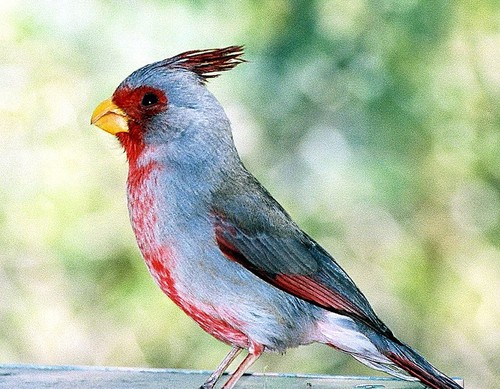
Pyrrhuloxia
19-22 cm (7.5-8.7 in) long, 30 cm wingspan
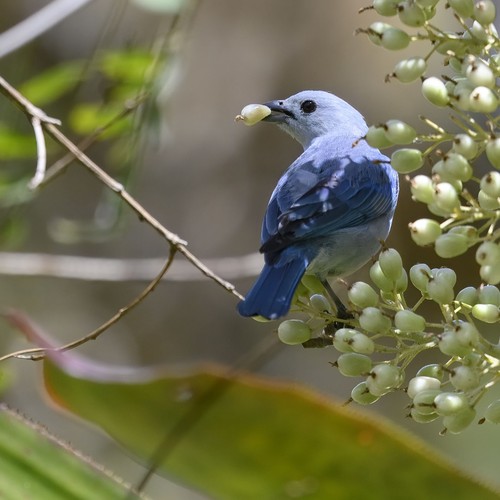
Blue-gray Tanager
16-18 cm (6-7 in) long
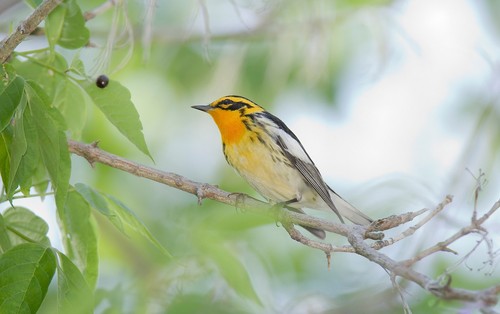
Blackburnian Warbler
11-13 cm (4.3-5.1 in) long, 20-22 cm wingspan
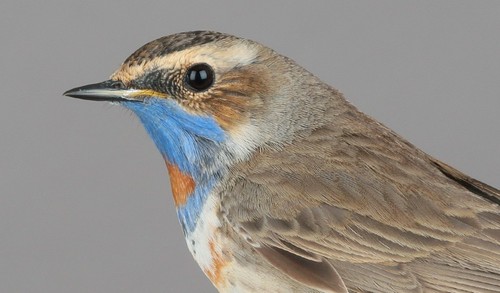
Bluethroat
13-14 cm (5.1-5.5 in) long, 20-22 cm wingspan
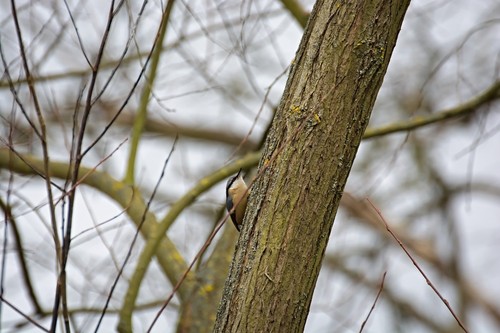
Eurasian Nuthatch
12-14.5 cm (4.7-5.7 in) long, 22.5-27 cm wingspan
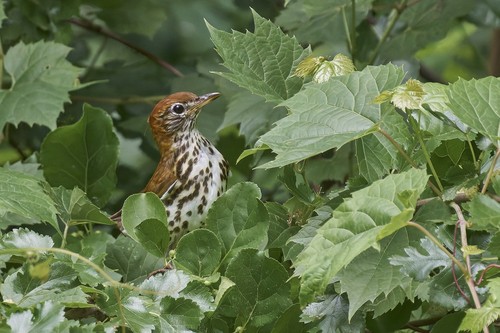
Wood Thrush
19-21 cm (7.5-8.3 in) long, about 33 cm (13 in) wingspan