
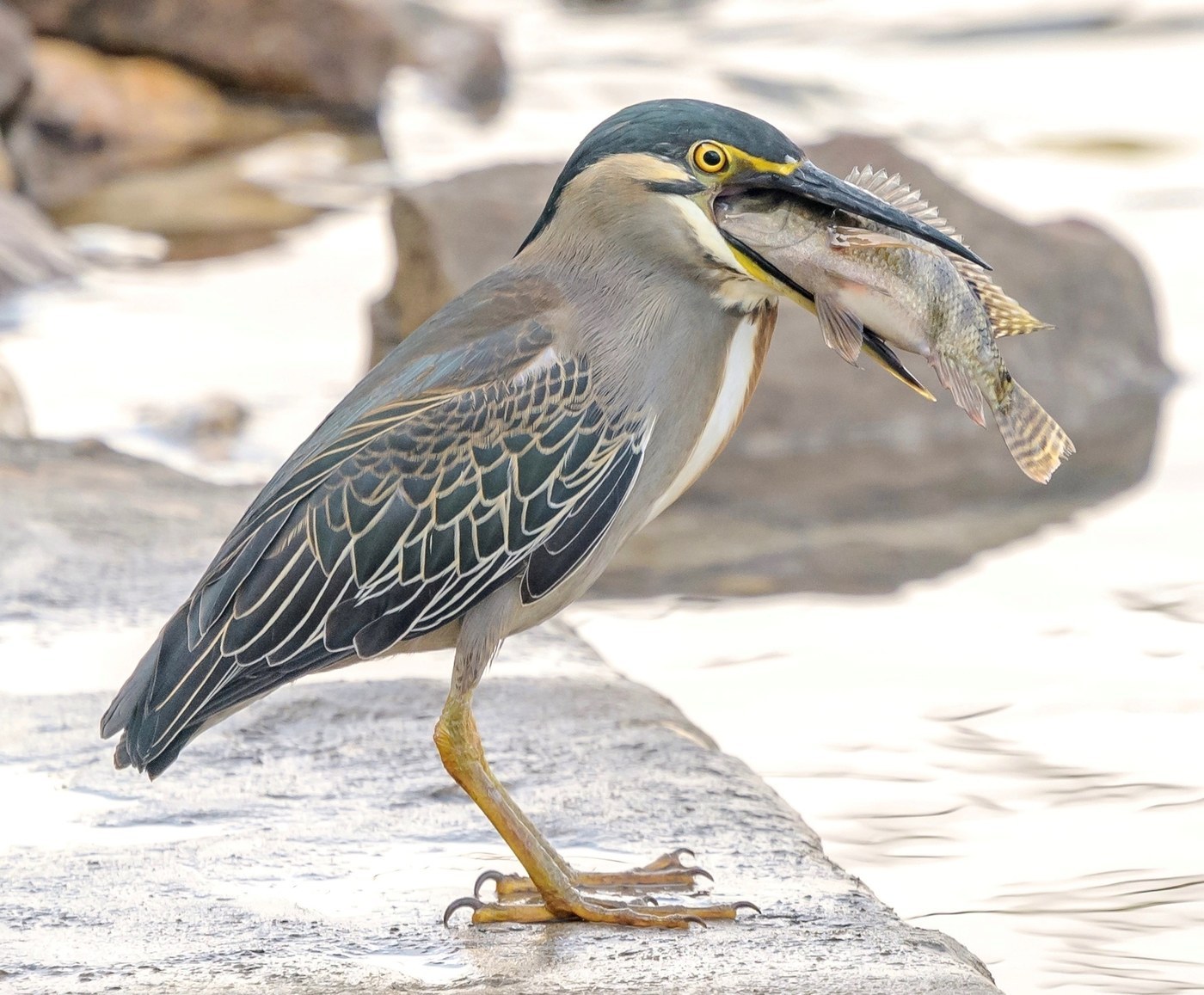
Striated Heron
Butorides striata
A small, stocky, dark greenish heron found on tropical shorelines worldwide, notable for occasionally using bait to lure fish.
- Size
- 40-48 cm (16-19 in) long
- Habitat
- mangroves, riverbanks, and coastal wetlands across the tropics and subtropics worldwide
- Type
- wading-bird
Spotted a bird like this?
Identify any bird from a photo, free.
Overview
The Striated Heron is a compact, short-legged heron with a dark, greenish-grey cap and back, grey underparts, and a black crest that can be raised when alert. Its short yellow-to-orange legs and hunched posture give it a distinctive stocky, low profile compared to taller herons.
This is one of the most widely distributed heron species in the world, found along tropical and subtropical coastlines, mangroves, and rivers across Africa, Asia, Australia, and the Americas, with numerous regional subspecies. It is best known among birdwatchers for its remarkable tool-using behavior: some individuals drop bait, such as insects, feathers, or bread, onto the water's surface to attract fish within striking range.
How to identify it
Key field marks
- Small, stocky body with short legs and hunched stance
- Dark greenish-grey crown, crest, and back
- Grey underparts and neck
- Yellow-orange legs, brightening to orange-red in breeding condition
Similar species
The Green Heron of the Americas was formerly considered the same species and looks very similar but shows a chestnut neck rather than grey; the two are now generally treated as separate species with limited range overlap. Juveniles are streaky brown and can be confused with young night-herons but are smaller and more compact.
Habitat & range
Habitat
Striated Herons favor mangroves, tidal mudflats, riverbanks, and other well-vegetated shorelines, usually staying close to cover.
Range and migration
The species has an enormous pantropical range across coastal Africa, southern Asia, Australasia, and parts of South America, and is largely sedentary, though some populations make local movements.
Behavior & voice
Behavior
This is a patient, solitary hunter that crouches motionless at the water's edge, often nearly flat against a branch or rock, before striking with lightning speed. Its use of bait to lure fish is one of the few well-documented examples of tool use among birds.
Voice
A sharp, explosive "skeow" or "kyow" alarm call, given when flushed.
Feeding
Small fish, crabs, and aquatic insects are captured with rapid strikes from a crouched ambush position at the water's edge.
Nesting and breeding
Pairs nest solitarily or in loose groups, building a small stick platform in mangroves or waterside trees, and typically lay 2-5 eggs.
Frequently asked questions
Do Striated Herons really use tools?
Yes, some individuals drop bait such as insects or bread onto the water to lure fish within striking range, a rare example of tool use in birds.
Where are Striated Herons found?
They have one of the widest ranges of any heron, occurring along tropical and subtropical coasts and rivers in Africa, Asia, Australia, and the Americas.
How is a Striated Heron different from a Green Heron?
The Striated Heron has a grey neck, while the closely related Green Heron of the Americas has a chestnut neck; they were once considered the same species.
What size is a Striated Heron?
It is a small, stocky heron about 40-48 cm long, with short legs compared to most other herons.
Striated Heron guides
In-depth guides for identifying, finding, and understanding Striated Heron.
Other birds you may enjoy
Demoiselle Crane
85-100 cm (33-39 in) long, 155-180 cm wingspan
Boat-billed Heron
41-56 cm (16-22 in) long
Purple Heron
78-90 cm (31-35 in) long, 120-152 cm wingspan
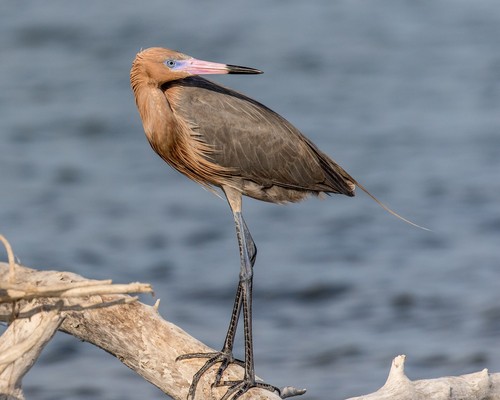
Reddish Egret
68-82 cm (27-32 in) long, 116-125 cm wingspan
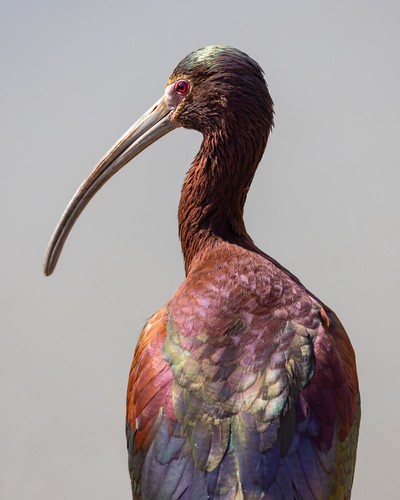
White-faced Ibis
46-56 cm (18-22 in) long, 88-93 cm wingspan
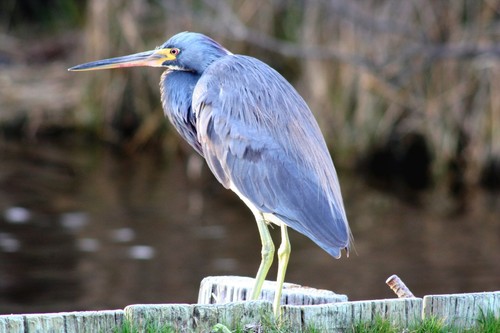
Tricolored Heron
61-76 cm (24-30 in) long, about 96 cm wingspan
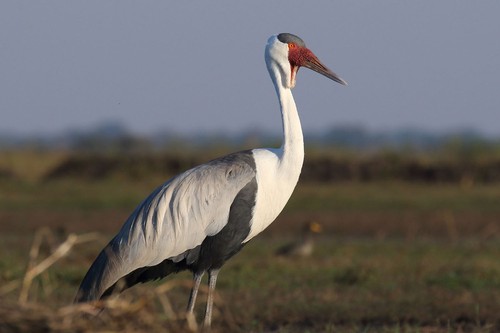
Wattled Crane
120-175 cm (47-69 in) tall, one of the tallest cranes, wingspan up to about 230 cm (7.5 ft)
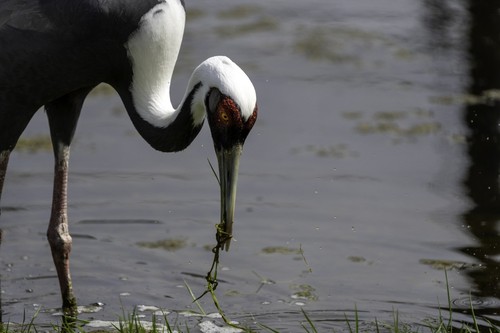
White-naped Crane
112-125 cm (44-49 in) long, 195-210 cm wingspan
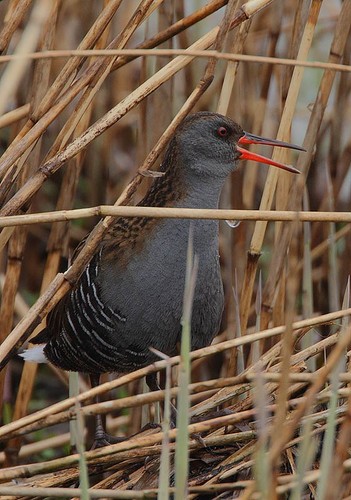
Water Rail
23-28 cm (9-11 in) long, wingspan 38-45 cm
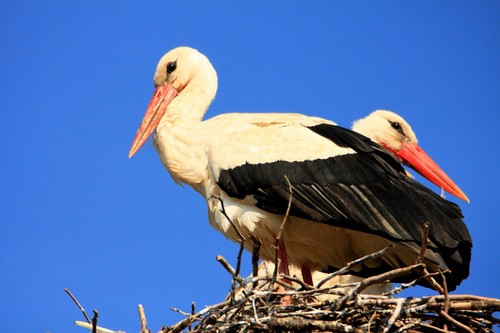
White Stork
100-125 cm (39-49 in) long, 155-215 cm wingspan
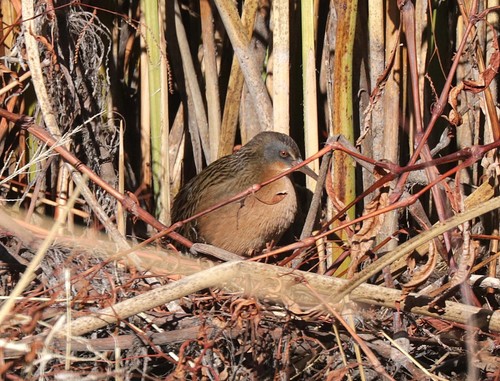
Virginia Rail
20-27 cm (8-11 in) long, wingspan 32-38 cm
Wattled Jacana
17-23 cm (7-9 in) long