
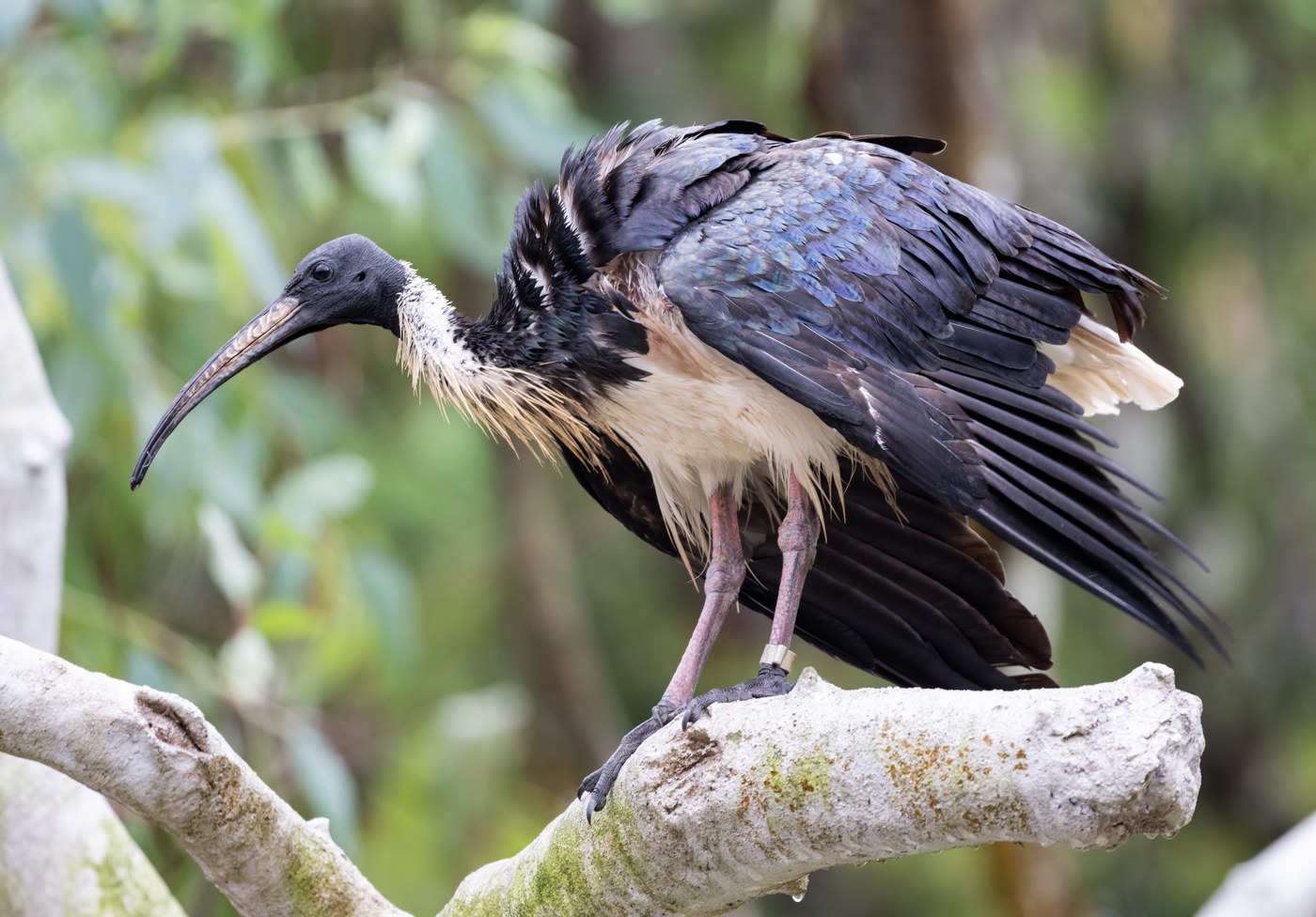
Straw-necked Ibis
Threskiornis spinicollis
A striking black-and-white Australian ibis famous for forming huge nomadic flocks that follow outbreaks of grasshoppers and locusts.
- Size
- 59-76 cm (23-30 in) long, 100-121 cm wingspan
- Habitat
- wetlands, grasslands, and farmland across Australia and parts of New Guinea
- Type
- wading-bird
Spotted a bird like this?
Identify any bird from a photo, free.
Overview
The Straw-necked Ibis is a strikingly patterned bird with a glossy black back and wings showing an iridescent green-purple sheen, contrasting with pure white underparts and a white neck. Its bare, dark head and long down-curved bill are typical of the ibis family, and breeding adults develop distinctive stiff, straw-like yellow feathers projecting from the lower neck, which give the species its name.
This is one of the most nomadic wading birds in Australia, capable of moving huge distances and gathering in massive flocks wherever grasshopper or locust outbreaks provide abundant food, making it an important natural control on agricultural pests.
How to identify it
Key field marks
- Glossy black back and wings with iridescent sheen, contrasting with white underparts and neck
- Bare dark head and long down-curved bill
- Straw-like yellow feathers on the lower neck in breeding adults
- Often seen in large, wheeling flocks
Similar species
The Australian White Ibis shares the bare dark head but has an all-white back, unlike the glossy black back of the Straw-necked Ibis; the two often occur together and are easily told apart by overall body color pattern.
Habitat & range
Habitat
It favors shallow freshwater wetlands, wet grasslands, and farmland, particularly pastures and crops experiencing insect outbreaks.
Range and migration
The species is widespread across Australia and extends into New Guinea and nearby islands. It is highly nomadic, moving unpredictably in response to rainfall, flooding, and insect abundance rather than following a fixed migratory pattern.
Behavior & voice
Behavior
Highly gregarious and nomadic, Straw-necked Ibis form large flocks that can number in the thousands, moving across the landscape to exploit temporary insect abundance, and are often seen foraging in open paddocks alongside other wading birds.
Voice
Low grunting croaks, given mainly at breeding colonies.
Feeding
It feeds mainly on insects, particularly grasshoppers and locusts, walking through grassland and crops to snap up prey, making it valuable for natural pest control.
Nesting and breeding
Colonial nester, often in enormous mixed colonies with other ibis and waterbirds, building stick nests in trees, shrubs, or reeds; clutches typically contain 2-4 eggs.
Frequently asked questions
Why is it called the Straw-necked Ibis?
Breeding adults grow stiff, straw-like yellow feathers projecting from the lower neck, giving the species its name.
How is the Straw-necked Ibis useful to farmers?
Large nomadic flocks feed heavily on grasshoppers and locusts, helping to naturally control insect pest outbreaks.
How do you tell it apart from the Australian White Ibis?
The Straw-necked Ibis has a glossy black back, while the Australian White Ibis has an all-white back.
Where does the Straw-necked Ibis live?
Across Australia and into New Guinea, moving nomadically between wetlands, grasslands, and farmland.
Straw-necked Ibis guides
In-depth guides for identifying, finding, and understanding Straw-necked Ibis.
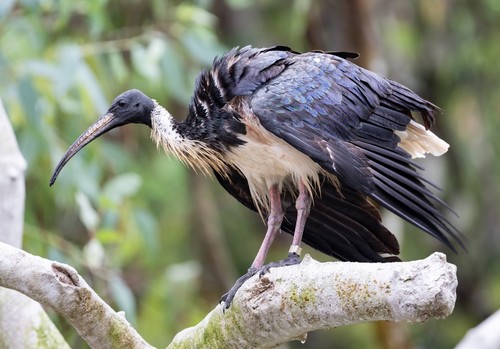
Straw-necked Ibis identified by the community
Real birds identified with Bird Identifier.
Other birds you may enjoy
Demoiselle Crane
85-100 cm (33-39 in) long, 155-180 cm wingspan
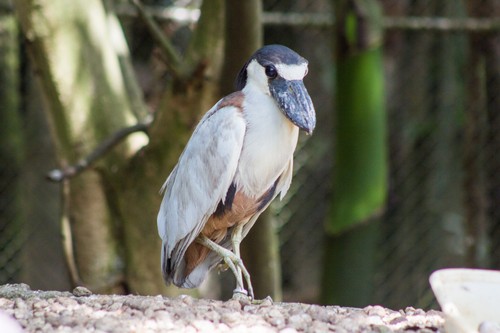
Boat-billed Heron
41-56 cm (16-22 in) long
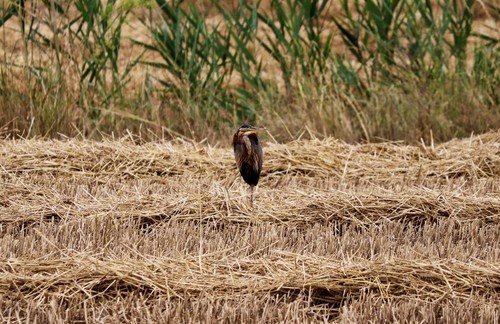
Purple Heron
78-90 cm (31-35 in) long, 120-152 cm wingspan
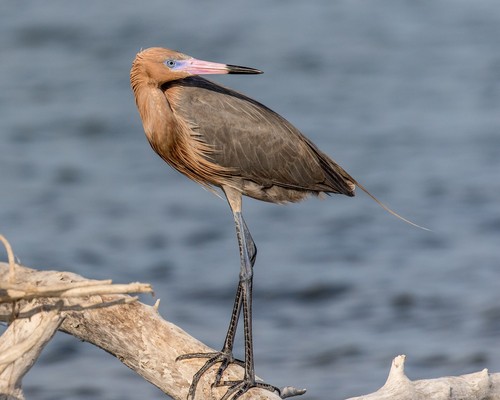
Reddish Egret
68-82 cm (27-32 in) long, 116-125 cm wingspan
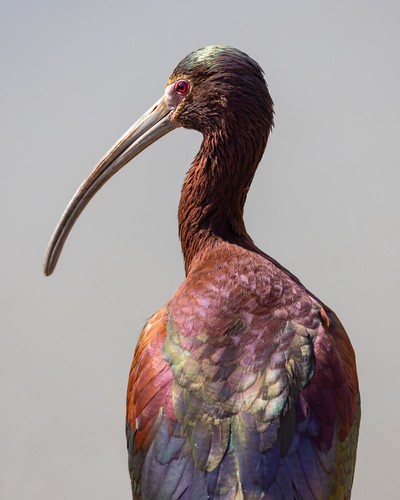
White-faced Ibis
46-56 cm (18-22 in) long, 88-93 cm wingspan
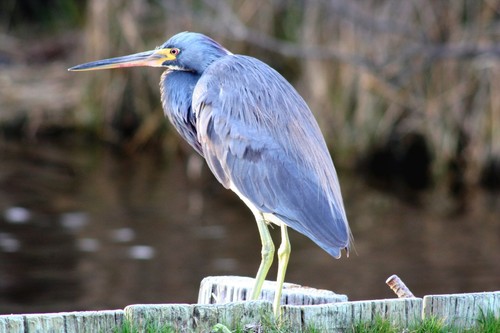
Tricolored Heron
61-76 cm (24-30 in) long, about 96 cm wingspan
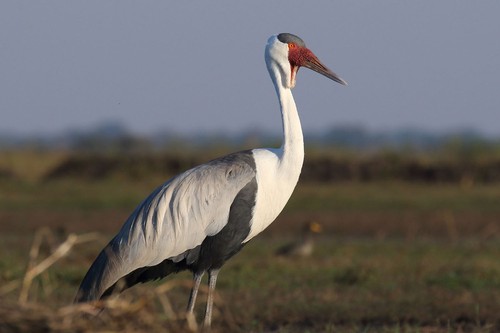
Wattled Crane
120-175 cm (47-69 in) tall, one of the tallest cranes, wingspan up to about 230 cm (7.5 ft)
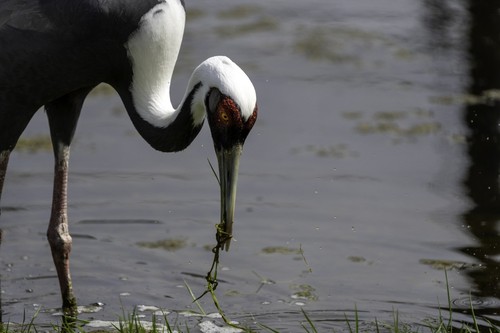
White-naped Crane
112-125 cm (44-49 in) long, 195-210 cm wingspan
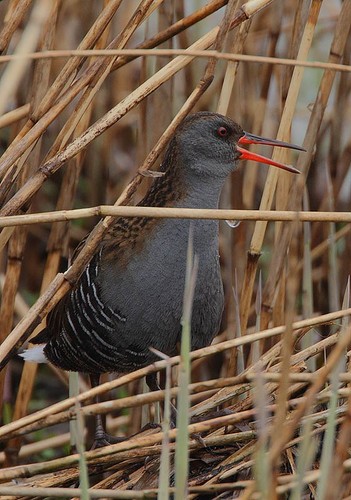
Water Rail
23-28 cm (9-11 in) long, wingspan 38-45 cm
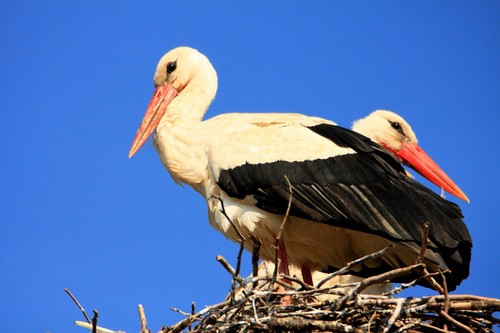
White Stork
100-125 cm (39-49 in) long, 155-215 cm wingspan
Virginia Rail
20-27 cm (8-11 in) long, wingspan 32-38 cm
Wattled Jacana
17-23 cm (7-9 in) long