
Star Finch
Neochmia ruficauda
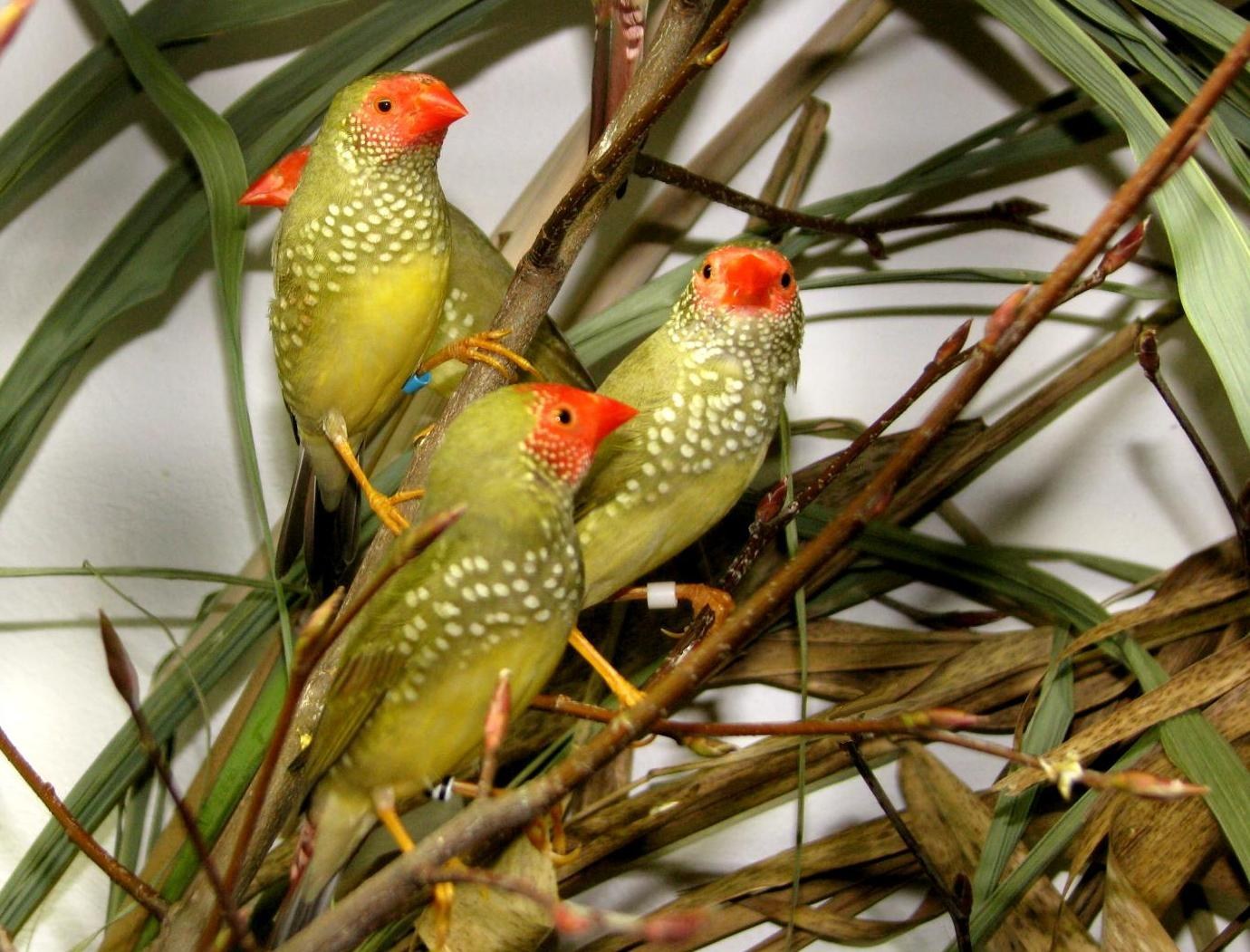
A small Australian grass finch with a scarlet face mask, olive-green body flecked with white spots, and a red tail and rump.
- Size
- About 10–12 cm (4–4.7 in) long; small, slender-bodied finch
- Habitat
- Tall grassland and reedy vegetation near water in northern and eastern Australia
- Type
- songbird
Spotted a bird like this?
Identify any bird from a photo, free.
Overview
Overview
The Star Finch is a small, brightly marked grass finch of northern and eastern Australia. Its most distinctive feature is a bright red or orange-red mask covering the face and forehead, which gives the species its common name.
Plumage
The upperparts are olive-green, and the underparts are yellowish-green, both finely dotted with small white spots that create a star-like speckled effect, especially on the flanks. The rump and tail are red, echoing the facial mask. Sexes are similar, though females typically show a slightly smaller, less vivid red mask than males.
How to identify it
Field Marks
- Bright red facial mask contrasting with an olive-green body
- Fine white spotting across the flanks and underparts
- Red rump and tail
- Pale, stubby bill
Similar Species
The red face combined with white-spotted olive-green plumage separates the Star Finch from other Australian grass finches; the Red-browed Finch shows a red bill and eyebrow stripe but lacks the full red facial mask and dense white spotting of the Star Finch.
Habitat & range
Habitat & Range
Star Finches inhabit tall grassland, reed beds, and swampy or riverine vegetation across northern Australia, with a separate, now much-reduced population historically found along the eastern coast of Queensland and New South Wales. They favor areas close to permanent or semi-permanent water where dense grasses provide both seed and cover.
The species is sedentary to locally nomadic within suitable habitat, though the eastern population has contracted severely due to changes in grassland and wetland habitat.
Behavior & voice
Behavior
Star Finches are social birds, typically seen in pairs or small flocks foraging low in grass and reeds, occasionally joining other finch species at feeding and drinking sites.
Voice
The call is a soft, nasal "tsit" or buzzy note; the song is a quiet, sustained series of trills and buzzy warbles.
Feeding
Birds forage mainly on the ground and on grass stems, feeding on ripening and fallen grass seeds, supplemented with small insects.
Nesting & Breeding
Pairs construct a domed grass nest low in dense grass, reeds, or shrubs, usually near water, laying clutches of four to six white eggs incubated by both parents.
Frequently asked questions
What makes a Star Finch identifiable?
Its bright red facial mask paired with an olive-green, white-spotted body and a red tail make it distinctive among Australian finches.
Where do Star Finches live?
They inhabit tall grassland and reedy areas near water across northern Australia, with a smaller, more localized population in eastern Australia.
Are Star Finches rare?
The species overall is Least Concern, but the eastern Australian population has declined significantly and is considered scarce.
What do Star Finches eat?
Mainly grass seeds foraged from the ground or seed heads, with small insects taken opportunistically.
How can you tell male and female Star Finches apart?
Males usually show a larger, more vividly red face mask than females, though both sexes share the same overall pattern.
Star Finch guides
In-depth guides for identifying, finding, and understanding Star Finch.
Other birds you may enjoy
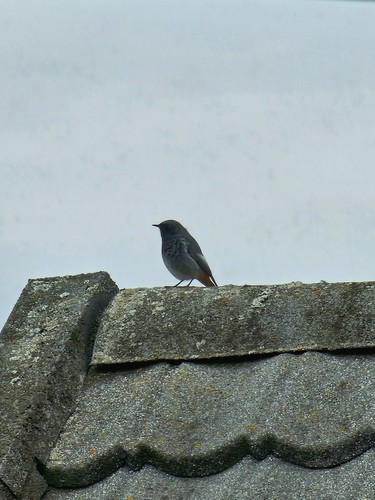
Black Redstart
13-14.5 cm (5.1-5.7 in) long, 23-26 cm wingspan
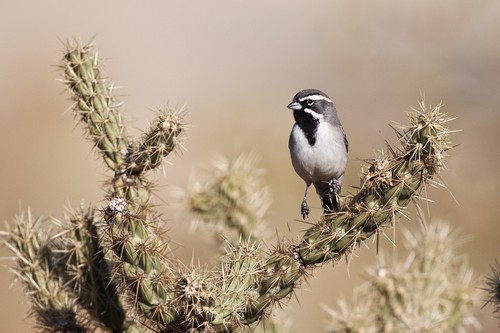
Black-throated Sparrow
12-14 cm (4.7-5.5 in) long, about 19-20 cm (7.5-8 in) wingspan
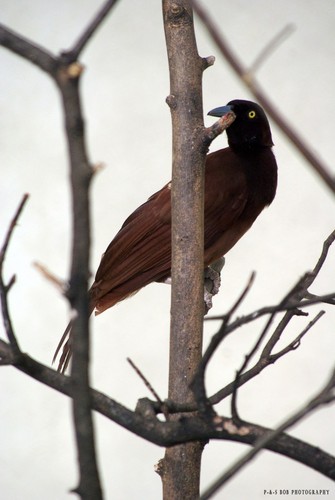
Greater Bird-of-paradise
Body about 43 cm; males with additional flank plumes up to 50 cm and long tail wires
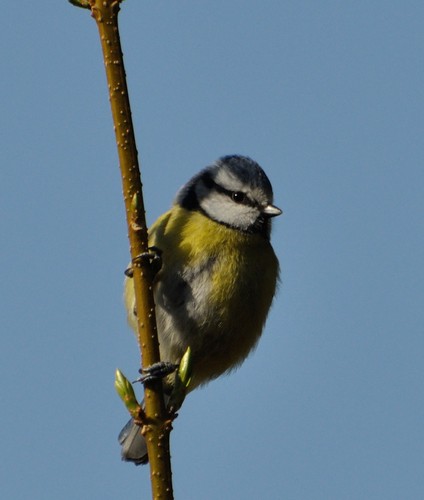
Blue Tit
11-12 cm (4.3-4.7 in) long, 17-20 cm wingspan
Red-billed Quelea
11.5–13 cm long, wingspan about 20–22 cm
White-plumed Antbird
13-14 cm (5-5.5 in) long
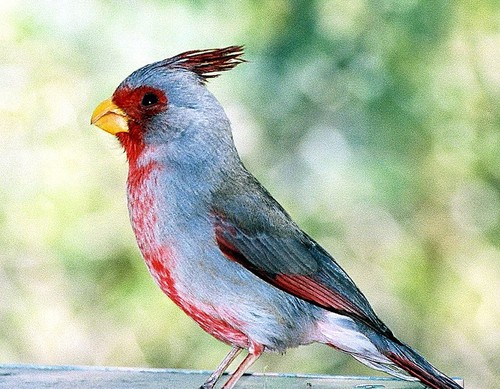
Pyrrhuloxia
19-22 cm (7.5-8.7 in) long, 30 cm wingspan
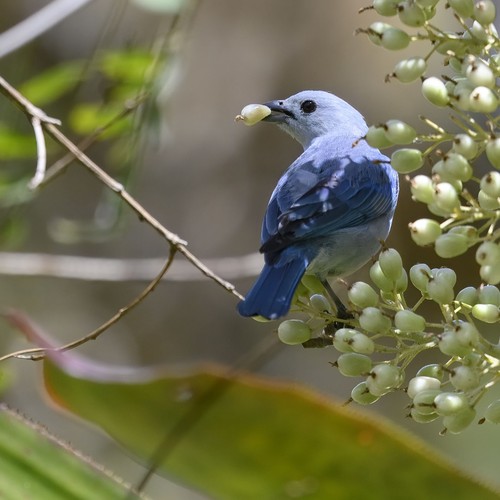
Blue-gray Tanager
16-18 cm (6-7 in) long
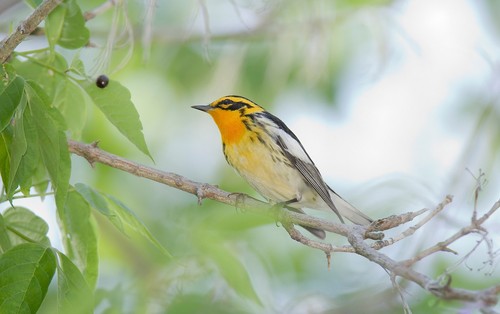
Blackburnian Warbler
11-13 cm (4.3-5.1 in) long, 20-22 cm wingspan
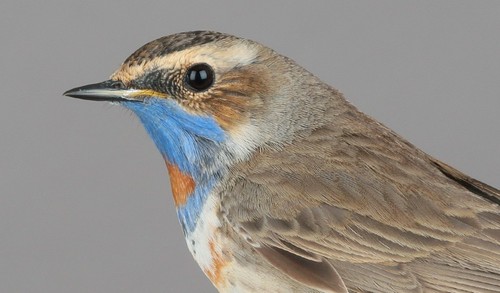
Bluethroat
13-14 cm (5.1-5.5 in) long, 20-22 cm wingspan
Eurasian Nuthatch
12-14.5 cm (4.7-5.7 in) long, 22.5-27 cm wingspan
Wood Thrush
19-21 cm (7.5-8.3 in) long, about 33 cm (13 in) wingspan