
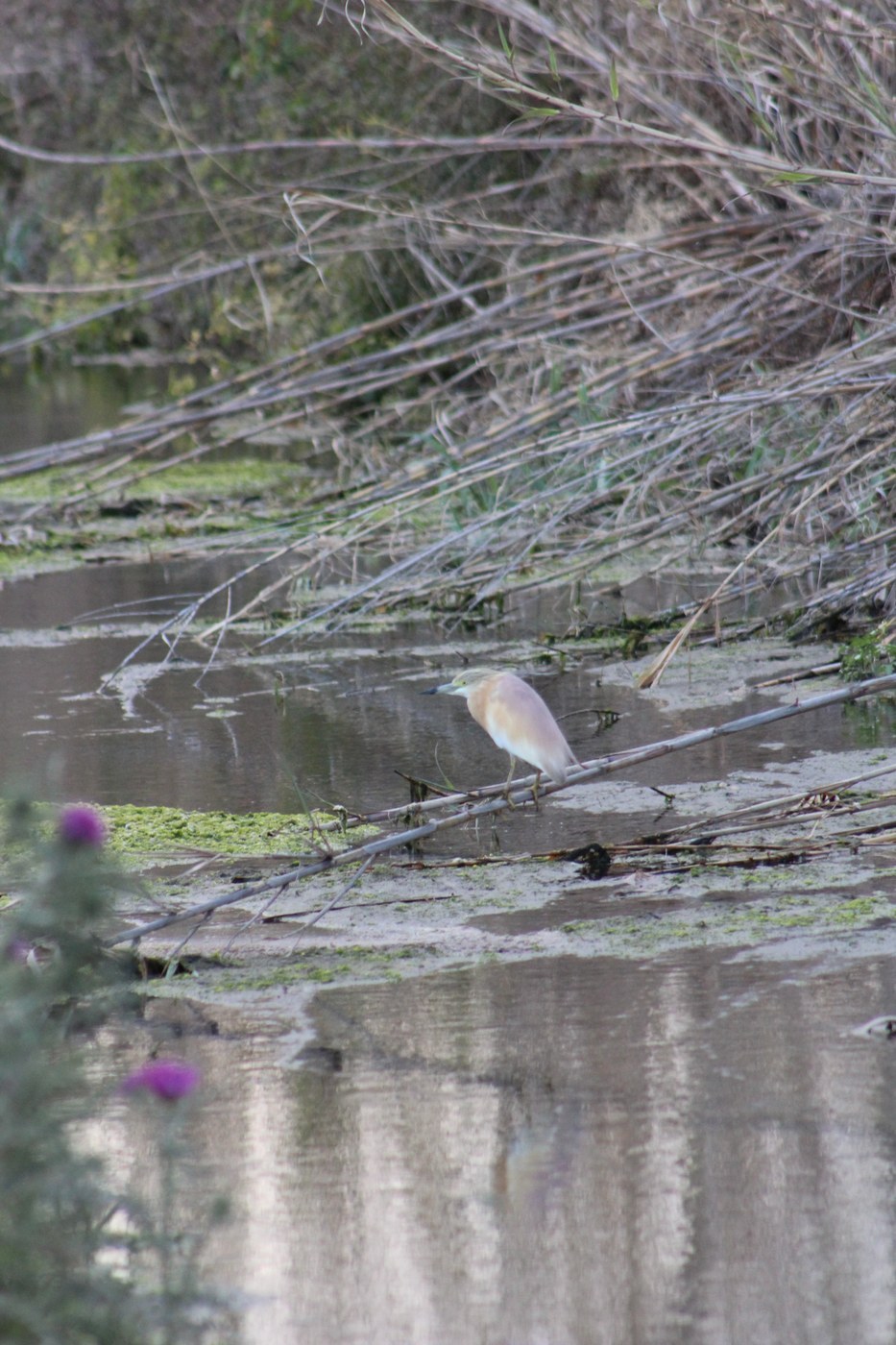
Squacco Heron
Ardeola ralloides
A small, buffy heron that looks surprisingly plain at rest but reveals striking white wings the instant it takes flight.
- Size
- 44-47 cm (17-18 in) long, 80-92 cm wingspan
- Habitat
- shallow marshes, ponds, and rice fields across Africa, southern Europe, and the Middle East
- Type
- wading-bird
Spotted a bird like this?
Identify any bird from a photo, free.
Overview
The Squacco Heron is a compact, stocky little heron with a distinctive habit of appearing dull and camouflaged while standing still, then transforming into a flash of white when it flies. At rest, the bird shows warm buff or cream-colored plumage on the head, neck, and back, with brownish streaking, but the wings are pure white and normally hidden under the folded body feathers.
In breeding plumage, adults develop long, drooping cream-colored plumes on the nape and back, along with a blue-grey bill tipped black and reddish legs, making them one of the more elegant small herons when in full color.
How to identify it
Key field marks
- Small, stocky build with a buff or cream-streaked body
- Wings appear pure white, strikingly contrasting with the body when the bird flushes
- Breeding adults show long nape plumes and colorful bare parts
- Short neck often held hunched
Similar species
Other pond-herons, such as the Chinese Pond-Heron and Indian Pond-Heron, look extremely similar and occupy the same genus, differing mainly by range and subtle plumage tones; the Squacco Heron is the only pond-heron regularly found in Europe and Africa. Non-breeding birds can be told from young night-herons by their smaller size and buffier tone.
Habitat & range
Habitat
Squacco Herons favor shallow, well-vegetated freshwater habitats: marshes, flooded fields, rice paddies, and the muddy edges of ponds and slow rivers.
Range and migration
The species breeds across sub-Saharan Africa, the Mediterranean basin, and into the Middle East; European breeders migrate to Africa for the winter, making this one of the more widely traveled small herons.
Behavior & voice
Behavior
Squacco Herons are quiet, unobtrusive birds that often crouch low and stay still among vegetation, relying on camouflage before flushing suddenly and flying a short distance on conspicuously white wings.
Voice
A harsh, croaking "krek" note, given mostly at breeding colonies or when flushed.
Feeding
They stalk slowly in shallow water, picking off insects, small fish, tadpoles, and crustaceans, sometimes standing motionless to ambush prey.
Nesting and breeding
They nest colonially, often mixed with other herons and egrets, building small stick platforms in trees or reeds close to water; clutches typically contain 3-4 pale blue eggs.
Frequently asked questions
Why do Squacco Herons look so different in flight?
Their body plumage is buffy and streaked, camouflaging them at rest, but their wings are pure white and only visible once they take flight.
Where do Squacco Herons live?
They breed in wetlands across Africa, southern Europe, and the Middle East, wintering mainly in sub-Saharan Africa.
What do Squacco Herons eat?
Small fish, insects, amphibians, and crustaceans caught in shallow marshes.
How big is a Squacco Heron?
It is a small heron, only about 44-47 cm long, much smaller than a Grey Heron.
Squacco Heron guides
In-depth guides for identifying, finding, and understanding Squacco Heron.
Other birds you may enjoy
Demoiselle Crane
85-100 cm (33-39 in) long, 155-180 cm wingspan
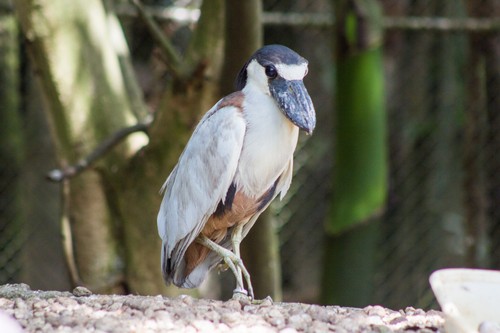
Boat-billed Heron
41-56 cm (16-22 in) long
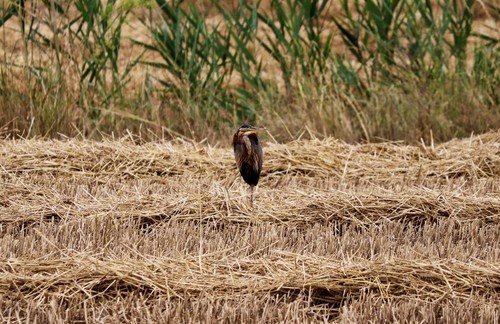
Purple Heron
78-90 cm (31-35 in) long, 120-152 cm wingspan
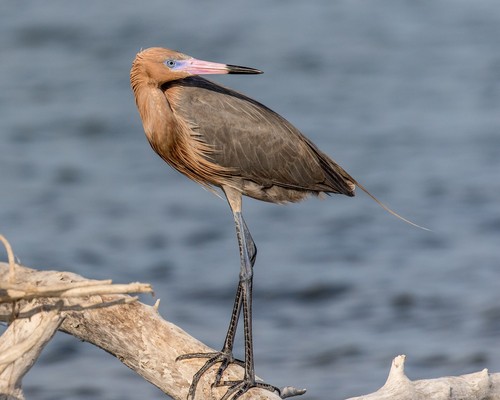
Reddish Egret
68-82 cm (27-32 in) long, 116-125 cm wingspan
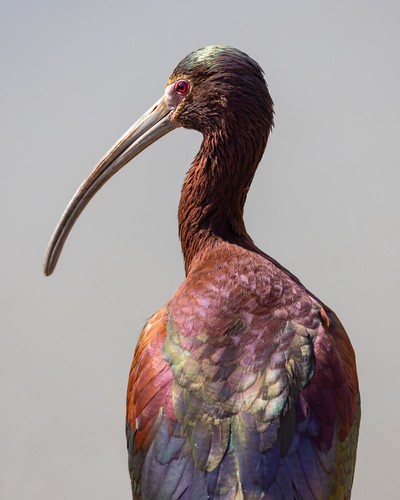
White-faced Ibis
46-56 cm (18-22 in) long, 88-93 cm wingspan
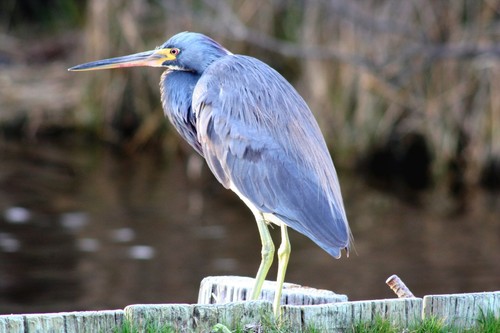
Tricolored Heron
61-76 cm (24-30 in) long, about 96 cm wingspan
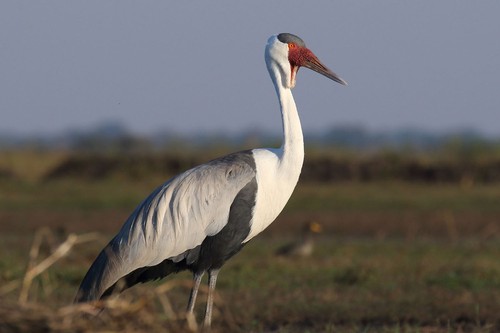
Wattled Crane
120-175 cm (47-69 in) tall, one of the tallest cranes, wingspan up to about 230 cm (7.5 ft)
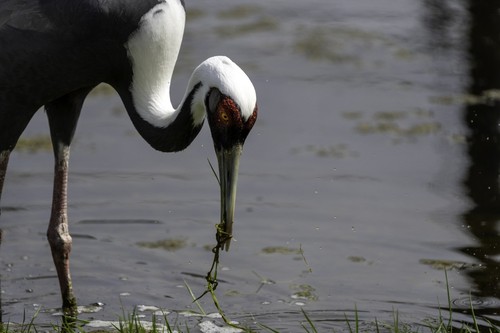
White-naped Crane
112-125 cm (44-49 in) long, 195-210 cm wingspan
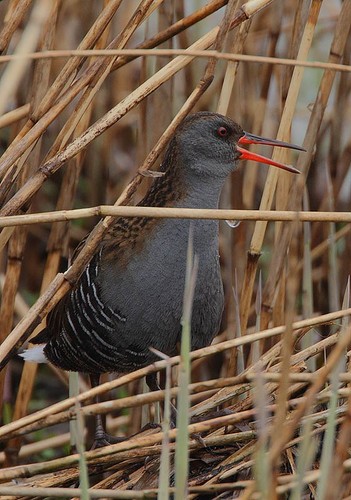
Water Rail
23-28 cm (9-11 in) long, wingspan 38-45 cm
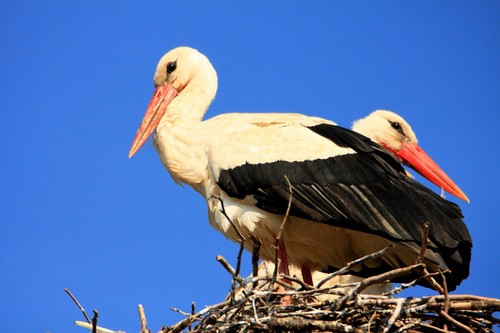
White Stork
100-125 cm (39-49 in) long, 155-215 cm wingspan
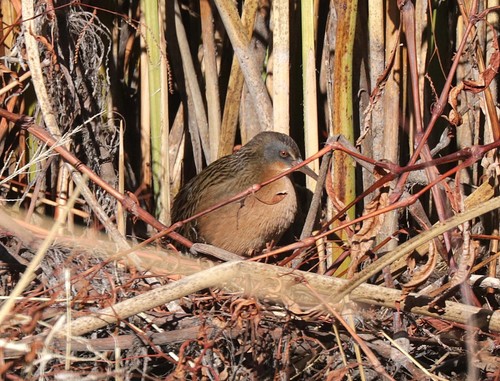
Virginia Rail
20-27 cm (8-11 in) long, wingspan 32-38 cm
Wattled Jacana
17-23 cm (7-9 in) long