
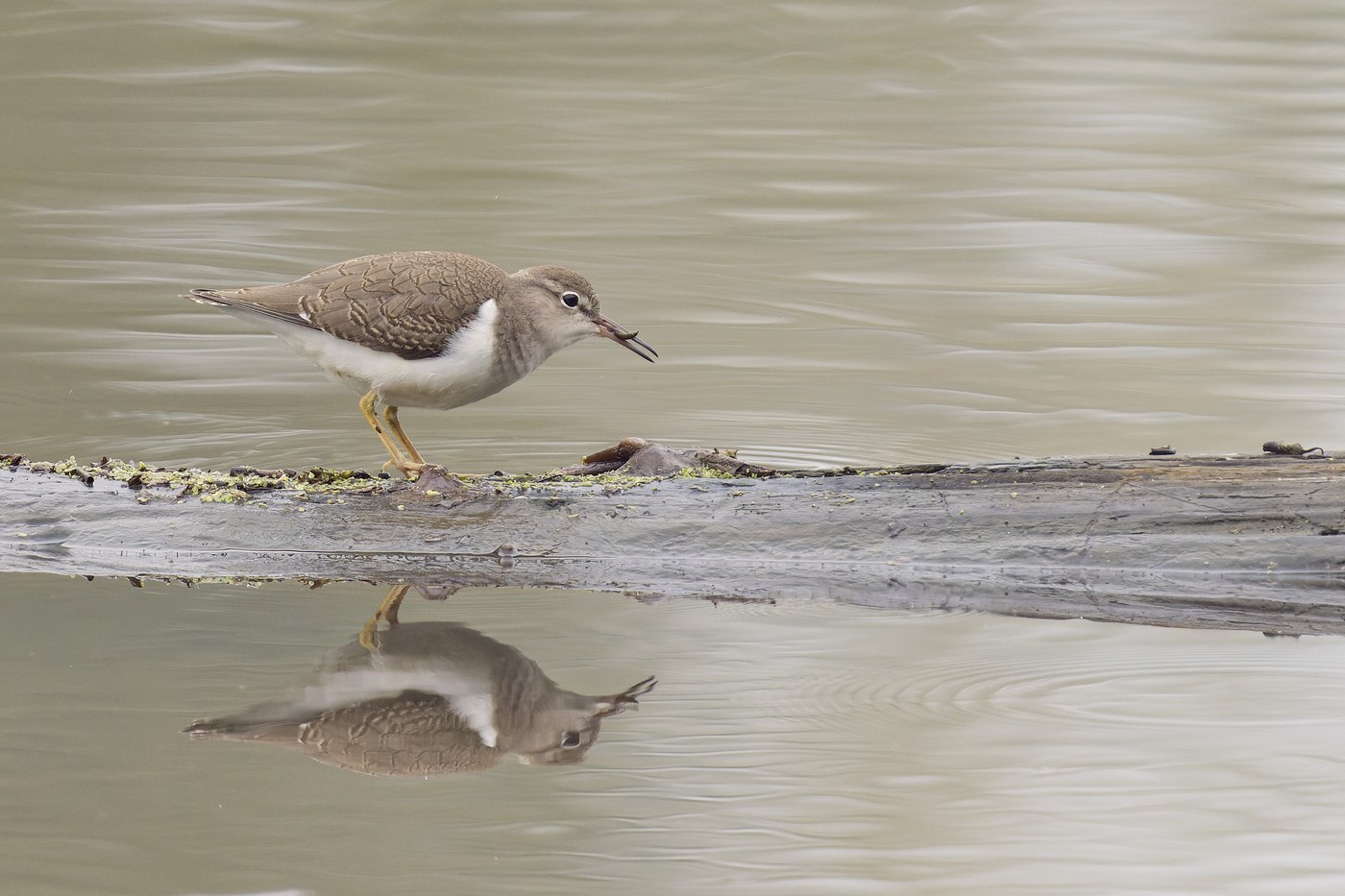
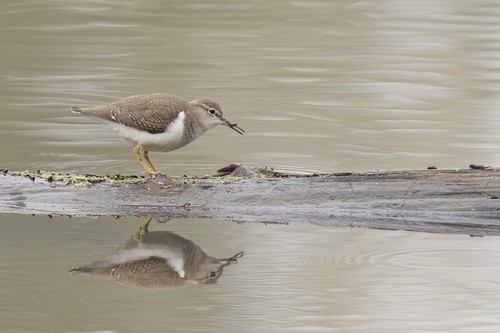
Spotted Sandpiper
Actitis macularius
A small, constantly bobbing sandpiper of North American shorelines, easily recognized in breeding plumage by the bold dark spots covering its white underparts.
- Size
- 18-20 cm (7-8 in) long, 37-40 cm wingspan
- Habitat
- streams, rivers, lakeshores, and ponds
- Type
- shorebird
Spotted a bird like this?
Identify any bird from a photo, free.
Overview
The Spotted Sandpiper is a small, active sandpiper found along the edges of streams, rivers, lakes, and ponds across North America. In breeding plumage, its white underparts are boldly marked with round dark spots, a pattern unique among North American sandpipers, while the upperparts are plain olive-brown. The bill and legs show a pale orange-pink base in the breeding season.
In non-breeding plumage the spots disappear, leaving plain white underparts, though the species can still usually be recognized by its behavior and the plain brown upperparts with a white shoulder mark.
A constant, characteristic bobbing or "teetering" motion of the rear body and tail, performed almost continuously while foraging or standing, is one of the most distinctive behavioral traits of any North American shorebird.
How to identify it
Key field marks
- Bold dark spots on white underparts in breeding plumage
- Constant bobbing/teetering of the tail and rear body
- Stiff, shallow, fluttering wingbeats in flight, close to the water
- Orange-based bill in breeding season
Similar species
- Common Sandpiper (Old World counterpart) lacks spotted underparts even in breeding plumage and has slightly different proportions; ranges rarely overlap.
- Solitary Sandpiper is darker overall with a bold white eye-ring and lacks spots.
Habitat & range
Spotted Sandpipers breed along the shores of streams, rivers, lakes, and ponds across most of North America, from the Arctic tree line south through much of the United States. They winter along coastal and inland waters from the southern United States through Central America and into South America.
Behavior & voice
Voice
A clear, sharp peet-weet or weet-weet-weet call, often given in flight or when flushed.
Feeding
Forages by walking along shorelines picking insects and other small invertebrates from the ground, water's edge, or vegetation, occasionally catching small fish; the constant tail-bobbing behavior continues even while foraging.
Nesting
Unusual among shorebirds, the Spotted Sandpiper frequently exhibits polyandry, where a female may mate with multiple males, each of whom takes primary responsibility for incubating a separate clutch and raising the young. Nests are shallow, grass-lined scrapes near water.
Frequently asked questions
Why does the Spotted Sandpiper bob its tail?
It performs an almost constant teetering or bobbing motion of its rear body and tail, a distinctive behavior whose exact function is debated but may relate to camouflage or predator vigilance.
How can you tell breeding from non-breeding Spotted Sandpipers?
Breeding birds have bold dark spots on white underparts, while non-breeding and juvenile birds have plain, unspotted white underparts.
Is the Spotted Sandpiper unusual in its mating system?
Yes, it commonly practices polyandry, where females mate with multiple males, who each incubate a separate clutch and care for the young.
Where does the Spotted Sandpiper live?
Along streams, rivers, lakes, and ponds throughout most of North America during the breeding season, wintering from the southern U.S. to South America.
Spotted Sandpiper guides
In-depth guides for identifying, finding, and understanding Spotted Sandpiper.
Other birds you may enjoy
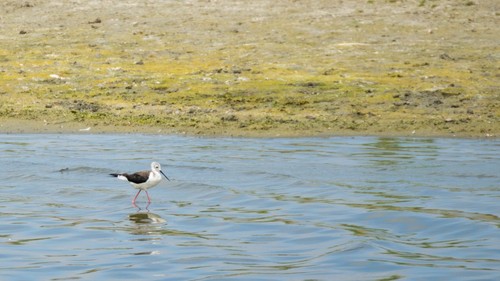
Black-winged Stilt
33-36 cm (13-14 in) long, wingspan 67-83 cm
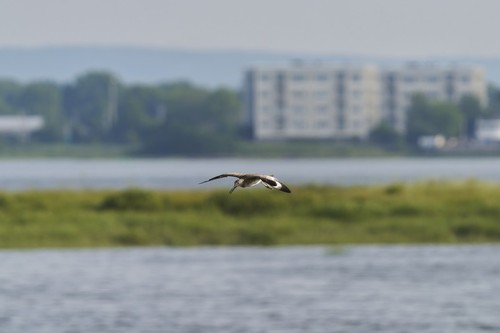
Willet
33-41 cm (13-16 in) long, 65-70 cm wingspan
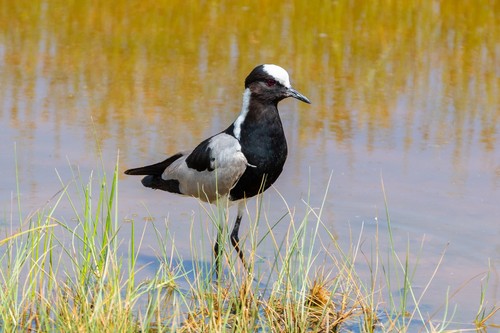
Blacksmith Lapwing
Body length about 30 cm; wingspan 55-65 cm
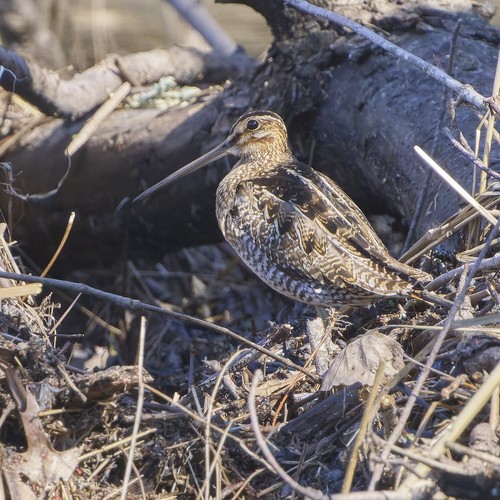
Wilson's Snipe
25-30 cm (10-12 in) long, 39-45 cm wingspan
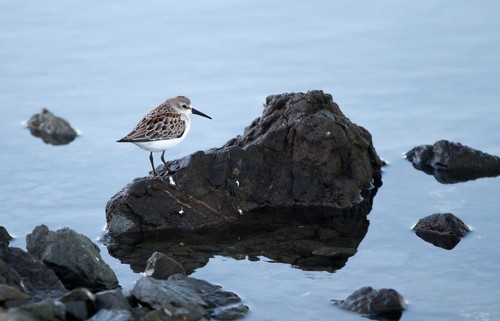
Western Sandpiper
14-17 cm (5.5-6.7 in) long, 28-37 cm wingspan
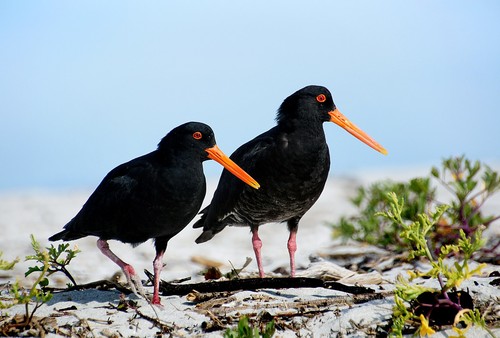
Variable Oystercatcher
46-49 cm (18-19 in) long
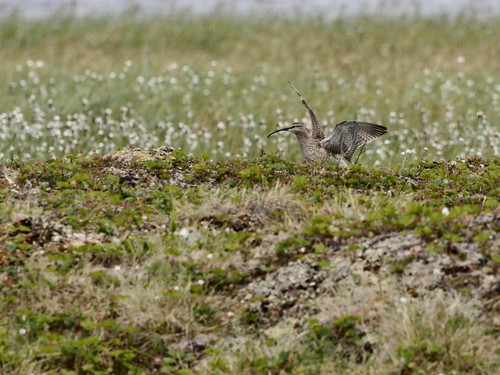
Whimbrel
40-46 cm (16-18 in) long, 76-89 cm wingspan
Wilson's Phalarope
22-24 cm (8.5-9.5 in) long, 37-43 cm wingspan
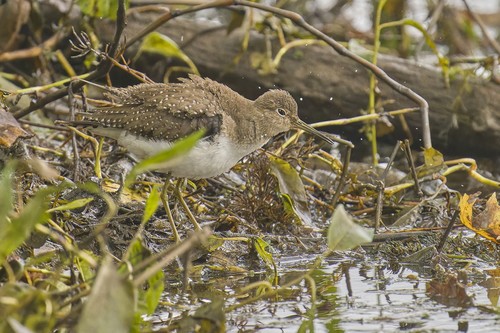
Solitary Sandpiper
19-23 cm (7.5-9 in) long, 50-56 cm wingspan
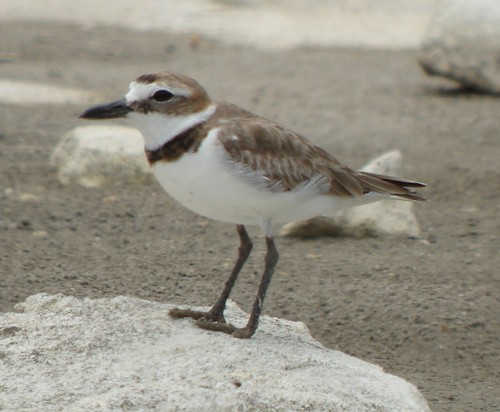
Wilson's Plover
17-19 cm (6.7-7.5 in) long, 45-50 cm wingspan
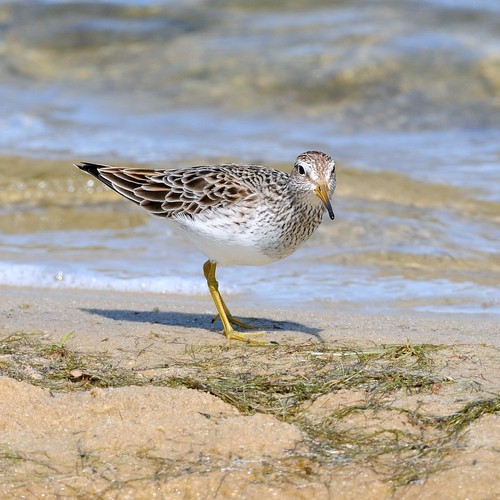
Pectoral Sandpiper
19-23 cm (7.5-9 in) long, 43-49 cm wingspan
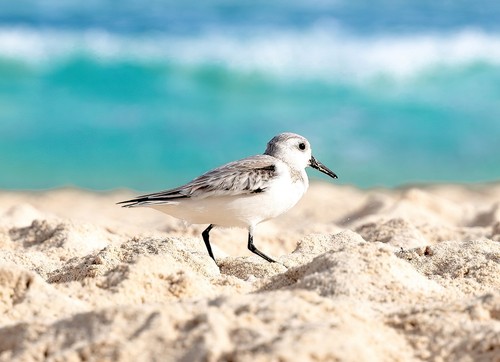
Sanderling
18-20 cm (7-8 in) long, 40-43 cm wingspan