
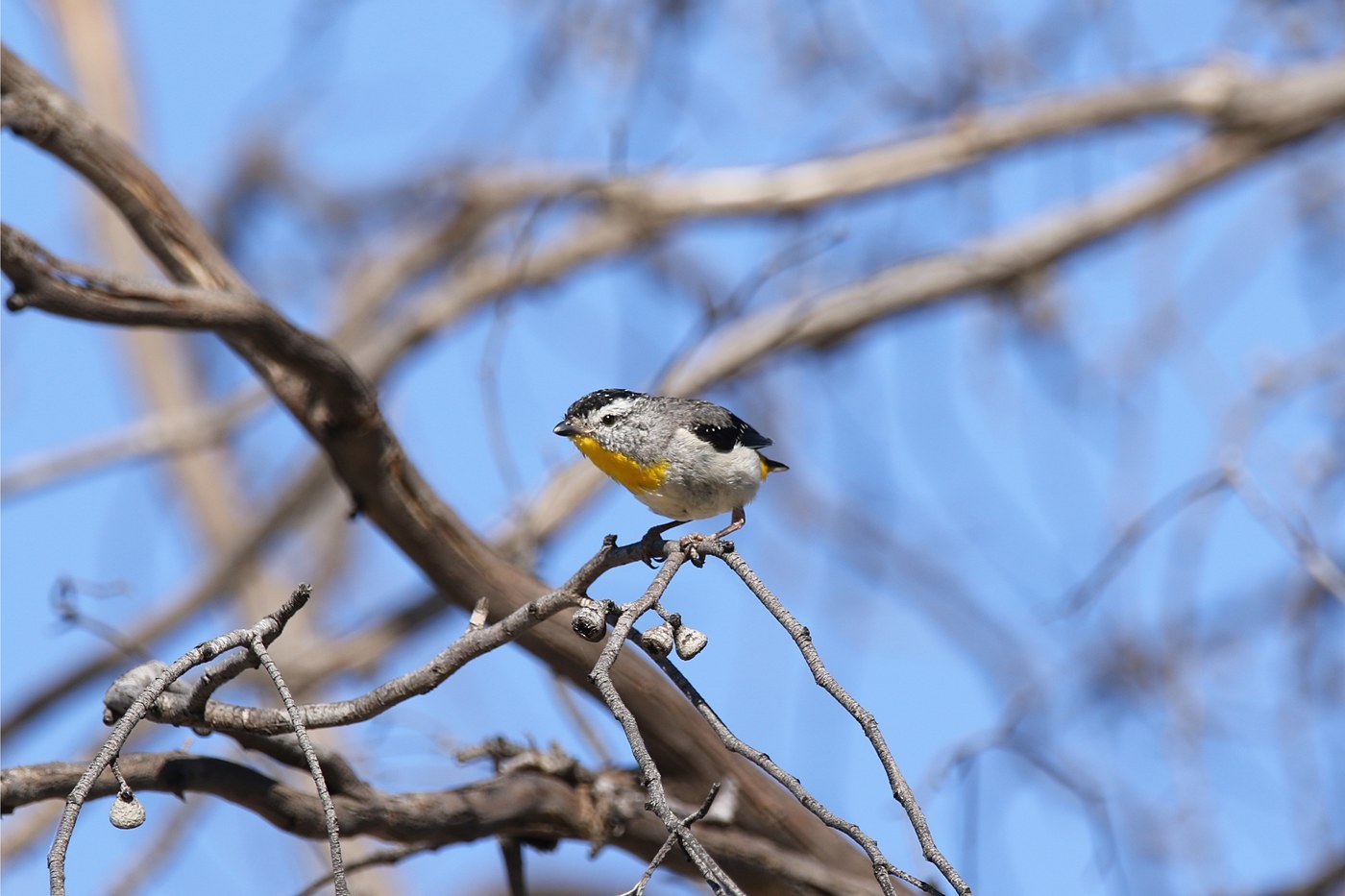
Spotted Pardalote
Pardalotus punctatus
A tiny, jewel-like bird spangled with white spots, best detected by its high, rhythmic three-note call from the treetops.
- Size
- 8-10 cm (3-4 in) long
- Habitat
- eucalypt forests and woodlands across southern Australia
- Type
- songbird
Spotted a bird like this?
Identify any bird from a photo, free.
Overview
The Spotted Pardalote is one of Australia's smallest and most exquisitely marked birds, a tiny, compact species with a black crown and wings boldly spangled with rows of small white spots, a yellow throat, and, in the male, a bright crimson-red rump. Females are similarly patterned but with slightly duller colours overall.
Despite its striking appearance, this pardalote spends much of its time high in the eucalypt canopy, feeding on tiny sugary secretions called lerps produced by psyllid insects on gum leaves, making it far more often heard than seen as it forages among the foliage well above ground level.
Its distinctive, high-pitched, rhythmic call is a familiar sound of Australian eucalypt forests and woodlands, and the species also nests in an unusual way for a canopy-feeding bird, excavating a burrow in an earthen bank rather than building an open nest in a tree.
How to identify it
Key field marks
- Tiny size, among the smallest Australian birds
- Black crown and wings boldly marked with rows of white spots
- Yellow throat and breast
- Bright red rump patch (more prominent in males)
- High, rhythmic, repeated call, often the first clue to its presence
Similar species
The Striated Pardalote lacks the bold white-spotted crown, instead showing a streaked crown and a yellow spot in front of the eye, and has a different, more clipped call. No other small Australian bird shares the Spotted Pardalote's combination of spotted black crown, yellow throat, and red rump.
Habitat & range
Habitat
Spotted Pardalotes favour eucalypt forests and woodlands, feeding mainly high in the canopy but nesting in earthen banks, cuttings, or occasionally in mounds of soil at ground level.
Range
The species occurs across southern Australia, from southeastern Queensland through New South Wales, Victoria, South Australia, southwestern Western Australia, and Tasmania.
Migration
Some populations, particularly at higher elevations and in the southeast, undertake local altitudinal or latitudinal movements outside the breeding season, while others are more sedentary.
Behavior & voice
Behavior
Spotted Pardalotes forage actively in the outer eucalypt canopy, often in small flocks, gleaning lerps and small insects from leaves, and can be difficult to see well given their small size and high foraging height.
Voice
The call is a distinctive, high-pitched, rhythmic series of two or three notes, often rendered as 'sleep-may-be' or similar, repeated frequently and carrying well through forest.
Feeding
It feeds mainly on lerps, the sugary protective coverings produced by psyllid insects on eucalypt leaves, along with small insects and other invertebrates gleaned from foliage.
Nesting and breeding
Unusually for a canopy-feeding bird, the Spotted Pardalote excavates a narrow tunnel nest in an earthen bank, road cutting, or occasionally a potted plant, ending in a small nesting chamber; both parents share incubation and feeding of the young.
Frequently asked questions
How can I identify a Spotted Pardalote?
Look for its tiny size, black crown and wings covered in white spots, yellow throat, and red rump, and listen for its high, rhythmic call.
Where does the Spotted Pardalote nest?
Unusually for a bird that feeds in the canopy, it excavates a tunnel nest in an earthen bank or cutting rather than building a nest in a tree.
What does a Spotted Pardalote eat?
It feeds mainly on lerps, sugary secretions of psyllid insects on eucalypt leaves, along with small insects.
Is the Spotted Pardalote easy to see?
It can be hard to spot as it forages high in the eucalypt canopy, despite its bright colours, and is often detected first by its distinctive call.
How is the Spotted Pardalote different from the Striated Pardalote?
The Spotted Pardalote has a black crown covered in white spots, while the Striated Pardalote has a streaked crown and a yellow spot in front of the eye, along with a different call.
Spotted Pardalote guides
In-depth guides for identifying, finding, and understanding Spotted Pardalote.
Other birds you may enjoy
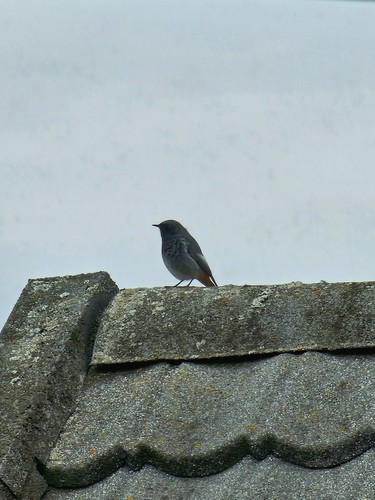
Black Redstart
13-14.5 cm (5.1-5.7 in) long, 23-26 cm wingspan
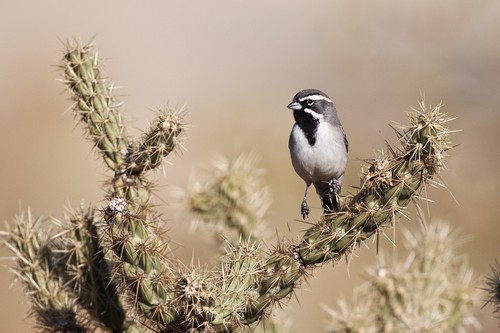
Black-throated Sparrow
12-14 cm (4.7-5.5 in) long, about 19-20 cm (7.5-8 in) wingspan
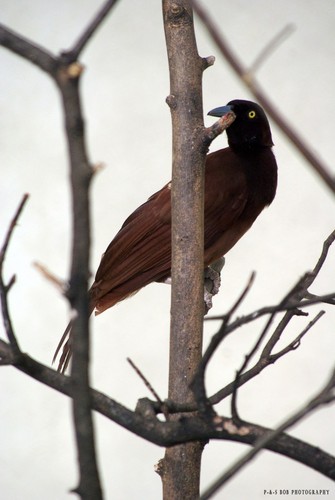
Greater Bird-of-paradise
Body about 43 cm; males with additional flank plumes up to 50 cm and long tail wires
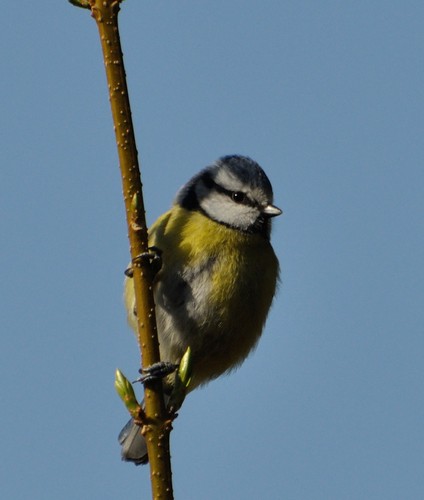
Blue Tit
11-12 cm (4.3-4.7 in) long, 17-20 cm wingspan
Red-billed Quelea
11.5–13 cm long, wingspan about 20–22 cm
White-plumed Antbird
13-14 cm (5-5.5 in) long
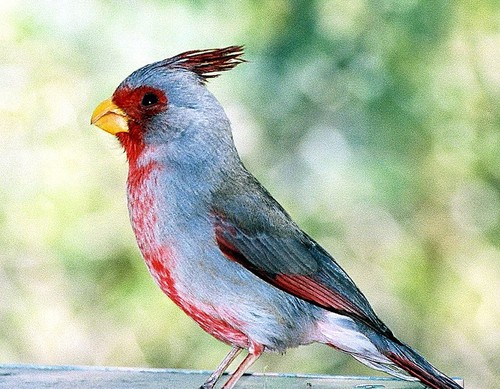
Pyrrhuloxia
19-22 cm (7.5-8.7 in) long, 30 cm wingspan
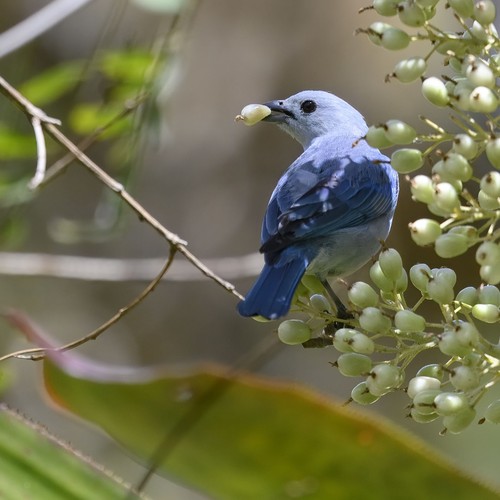
Blue-gray Tanager
16-18 cm (6-7 in) long
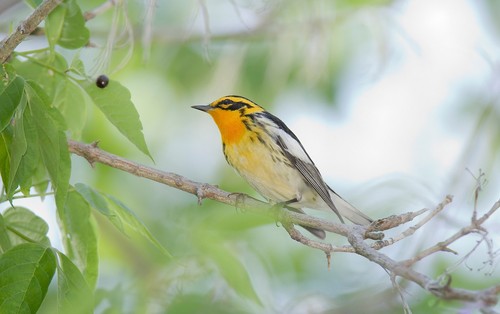
Blackburnian Warbler
11-13 cm (4.3-5.1 in) long, 20-22 cm wingspan
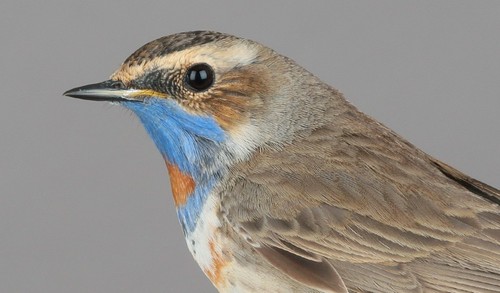
Bluethroat
13-14 cm (5.1-5.5 in) long, 20-22 cm wingspan
Eurasian Nuthatch
12-14.5 cm (4.7-5.7 in) long, 22.5-27 cm wingspan
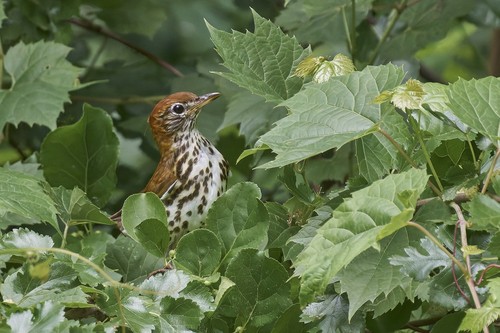
Wood Thrush
19-21 cm (7.5-8.3 in) long, about 33 cm (13 in) wingspan