
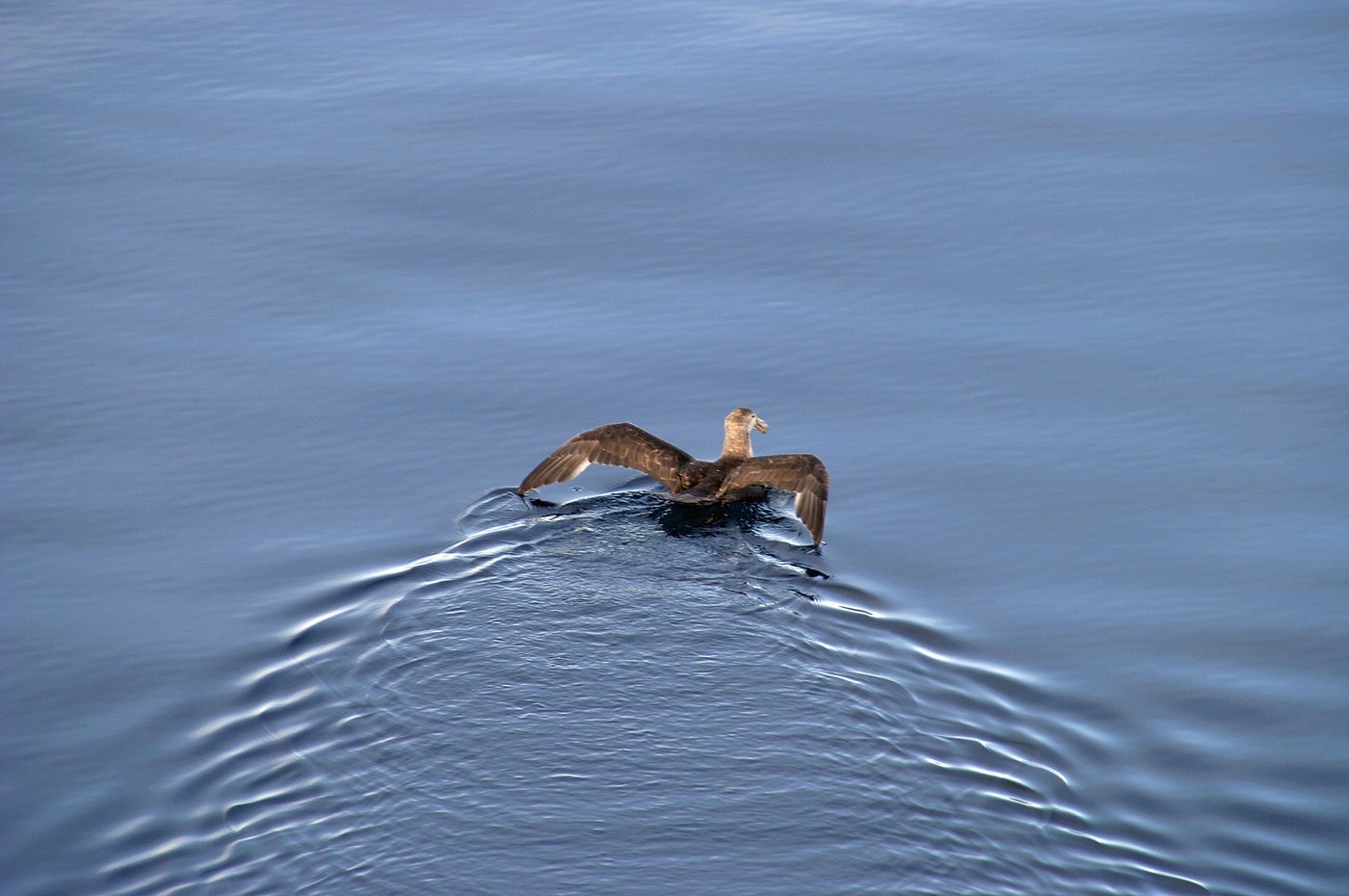
Southern Giant Petrel
Macronectes giganteus
A massive, bulky Southern Ocean petrel with a huge pale bill, often seen scavenging carcasses on subantarctic beaches, earning it the nickname "stinker."
- Size
- 86-99 cm (34-39 in) long, wingspan 185-205 cm (73-81 in)
- Habitat
- Southern Ocean waters, breeding on subantarctic islands and Antarctic coasts
- Type
- seabird
Spotted a bird like this?
Identify any bird from a photo, free.
Overview
The Southern Giant Petrel is an enormous tubenose seabird, rivaling small albatrosses in bulk, with a heavy body, thick neck, and a massive pale horn-colored bill tipped with a greenish hue. Most individuals are mottled grey-brown overall, though a scarce white morph exists, appearing almost entirely white with scattered dark flecks.
Unlike the more delicate, graceful flight of many petrels, the Southern Giant Petrel has a somewhat hunched, vulture-like posture on land and in flight, reflecting its ecological role as one of the Southern Ocean's primary avian scavengers.
Often nicknamed "stinkers" by sailors and researchers, giant petrels are notorious for aggressively feeding on carcasses of seals, penguins, and other seabirds, a role that makes them important cleanup specialists of subantarctic ecosystems.
How to identify it
Key field marks
- Very large size with a heavy, thick neck and hunched posture
- Massive pale bill with a greenish tip
- Mottled grey-brown plumage in most birds; rare all-white morph with dark flecking
Similar species
- Northern Giant Petrel is nearly identical but has a reddish-tipped bill rather than greenish, and lacks the white morph found in Southern Giant Petrels.
- Albatrosses have slimmer, more elegant bills and a smoother, less hunched flight silhouette compared to the giant petrel's bulkier build.
Habitat & range
Southern Giant Petrels breed on subantarctic islands and along the Antarctic Peninsula and coastline, including South Georgia, the Falkland Islands, and various sub-Antarctic island groups. Colonies are often loosely spaced on open, exposed ground near the coast.
Outside the breeding season, the species ranges widely across the entire Southern Ocean, and some individuals move well north into subtropical waters, often following ships and fishing vessels.
Behavior & voice
Voice
Giant Petrels give harsh, guttural squawks and grunting calls, particularly when squabbling over carcasses or during aggressive interactions at colonies.
Feeding
They scavenge extensively on carrion, including dead seals, penguins, and other seabirds, and will also actively hunt krill, squid, and fish, sometimes attacking weakened live birds.
Nesting and breeding
Pairs build simple nest mounds of vegetation, mud, and pebbles on open ground, laying a single egg. Both parents share incubation and chick-feeding duties, with chicks capable of spitting stomach oil at intruders in defense, much like other tubenose seabirds.
Frequently asked questions
Why is the Southern Giant Petrel nicknamed the 'stinker'?
It earned this nickname from its habit of aggressively feeding on carrion, including seal and penguin carcasses, on subantarctic beaches.
How big is a Southern Giant Petrel?
It is a very large seabird, measuring 86-99 cm (34-39 in) long with a wingspan of up to about 205 cm (81 in), rivaling small albatrosses in size.
How do you tell a Southern Giant Petrel from a Northern Giant Petrel?
The Southern Giant Petrel has a greenish-tipped bill and includes a rare all-white color morph, while the Northern Giant Petrel has a reddish bill tip and no white morph.
What does the Southern Giant Petrel eat?
It scavenges carrion such as dead seals and penguins, and also actively hunts krill, squid, and fish.
Where does the Southern Giant Petrel breed?
It breeds on subantarctic islands and along the Antarctic Peninsula, including South Georgia and the Falkland Islands.
Southern Giant Petrel guides
In-depth guides for identifying, finding, and understanding Southern Giant Petrel.
Other birds you may enjoy
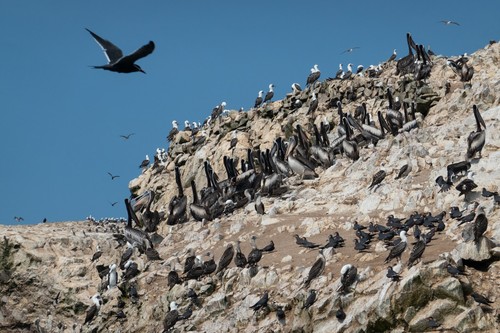
Peruvian Pelican
137-152 cm (54-60 in) long, up to 228 cm wingspan
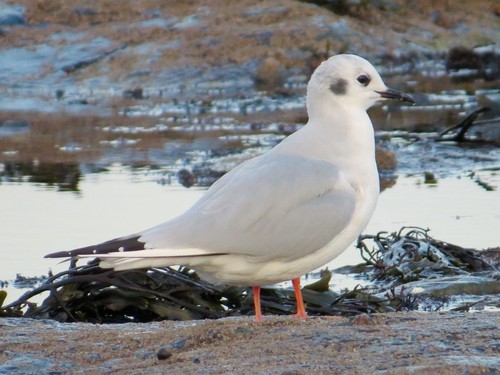
Bonaparte's Gull
28-33 cm (11-13 in) long, 76-84 cm wingspan
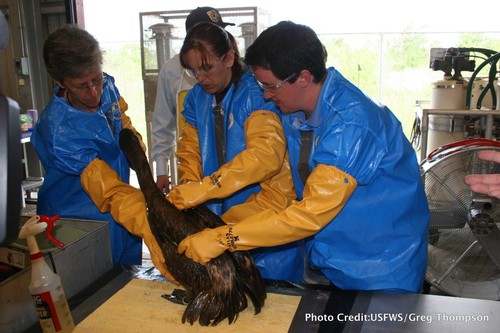
Brown Pelican
106-137 cm (42-54 in) long, 200-230 cm wingspan
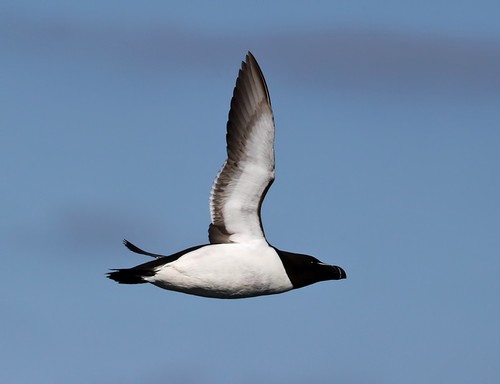
Razorbill
37-39 cm (15-15.5 in) long, 63-68 cm wingspan
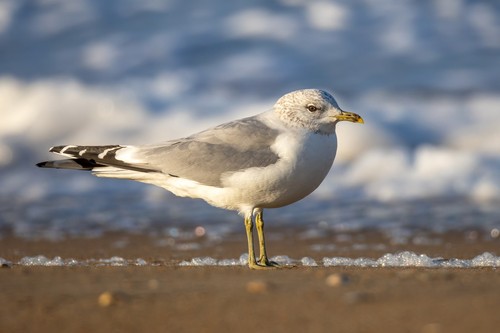
Common Gull
40-46 cm (16-18 in) long, 110-130 cm wingspan
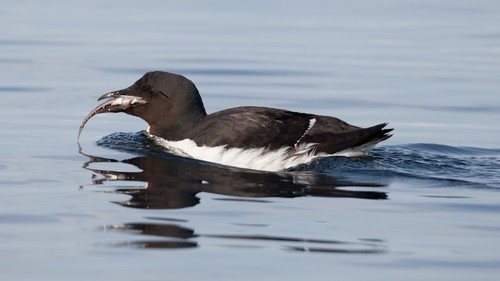
Thick-billed Murre
40-48 cm (16-19 in) long, 65-75 cm wingspan
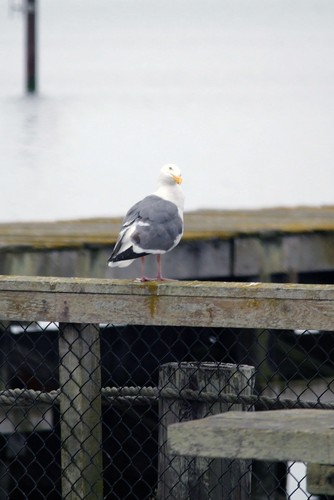
Western Gull
55-68 cm (22-27 in) long, 130-144 cm wingspan
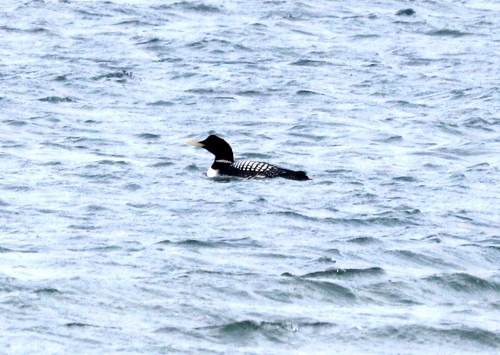
Yellow-billed Loon
76-97 cm (30-38 in) long, 135-152 cm wingspan
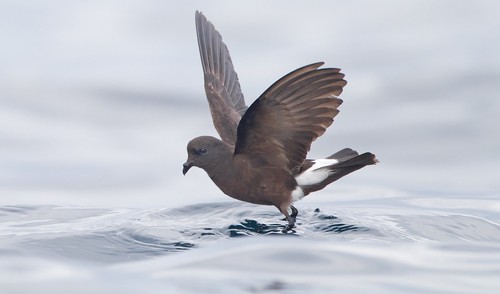
Wilson's Storm-Petrel
15-19 cm (6-7.5 in) long, wingspan 38-42 cm (15-16.5 in)
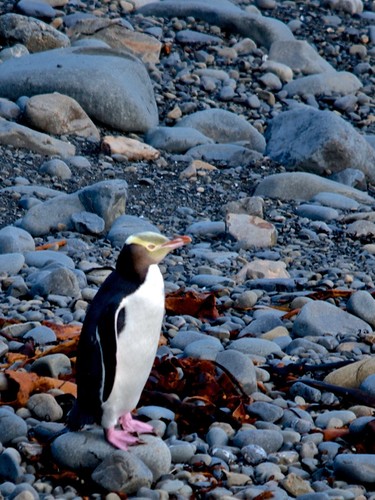
Yellow-eyed Penguin
62-79 cm (24-31 in) tall, 3-8.5 kg (6.6-18.7 lb)
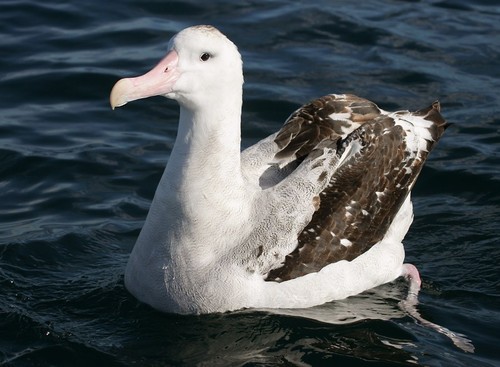
Wandering Albatross
107-135 cm (42-53 in) long, wingspan up to 3.5 m (11.5 ft)
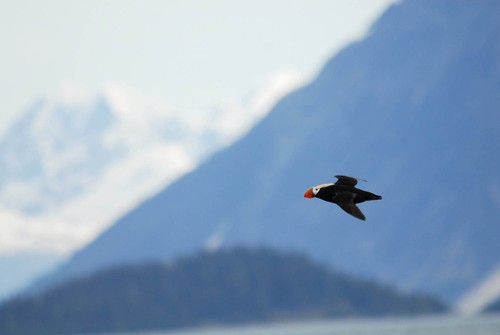
Tufted Puffin
35-41 cm (14-16 in) long, about 63-70 cm wingspan