
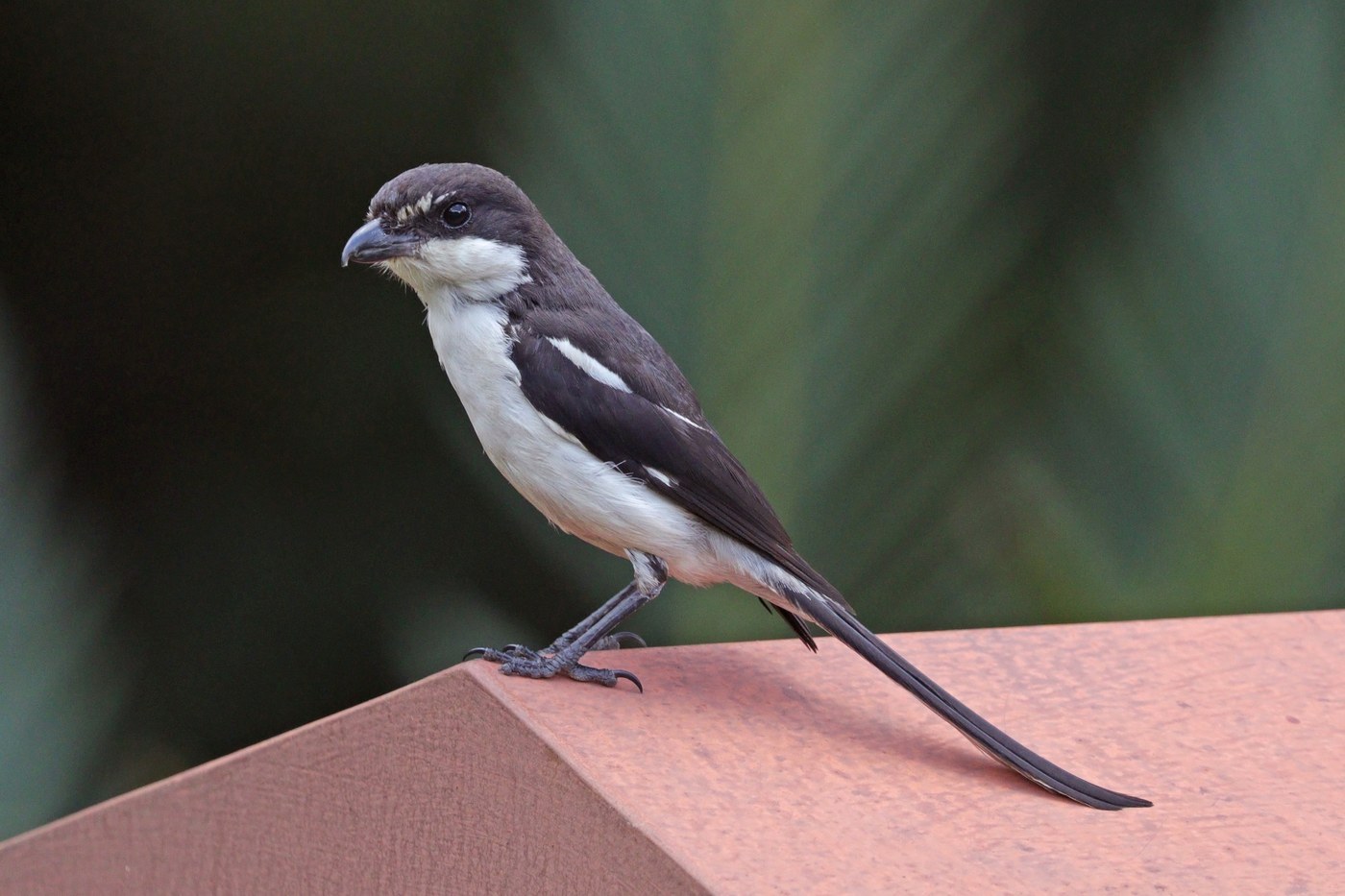
Southern Fiscal
Lanius collaris
A black-and-white shrike of southern Africa known for impaling prey on thorns and barbed wire as a food cache.
- Size
- About 21-23 cm long
- Habitat
- Open country, savanna, farmland, and gardens across southern and eastern Africa
- Type
- songbird
Spotted a bird like this?
Identify any bird from a photo, free.
Overview
The Southern Fiscal is a common and conspicuous shrike of open country in southern and eastern Africa, easily recognized by its sharp black-and-white plumage and upright, watchful posture on fence posts and bare branches. It is one of the most familiar predatory songbirds across its range.
Adults are black above and white below, with a black mask through the eye, a white shoulder patch, white outer tail feathers, and a hooked bill adapted for grabbing prey. The overall look is bold and pied, giving rise to the old nickname "fiscal" from a supposed resemblance to the black-and-white robes of colonial-era officials.
Southern Fiscals are active hunters that watch for prey from an open perch before dropping down to catch it, and they are well known for their habit of impaling captured prey on thorns or barbed wire.
How to identify it
Key field marks
- Black upperparts and white underparts
- Black mask through the eye
- White shoulder patch and white outer tail feathers
- Hooked, shrike-type bill
- Upright posture on an exposed perch, tail often flicked
Similar species
- Common Fiscal (in some taxonomies treated as the same species, Southern Fiscal, split from northern populations): very similar in appearance; range and subtle plumage/voice differences separate them where ranges approach.
- Magpie Shrike: much longer-tailed and larger, with a more contrasting black-and-white pattern and different range within Africa.
- Pied Crow: much larger, lacks the black mask and hooked bill, and has a heavier, all-purpose bill rather than a hunting hook.
Habitat & range
Habitat
Southern Fiscals favor open habitats with scattered perches, including savanna, grassland with bushes, farmland, roadsides, and gardens, avoiding dense forest.
Range
Widespread across southern Africa and into parts of eastern Africa, common in a wide range of open and semi-open landscapes, including areas modified by agriculture.
Migration
Non-migratory and strongly territorial, with pairs or individuals defending the same hunting territory throughout the year.
Behavior & voice
Behavior
Southern Fiscals hunt from prominent perches such as fence posts, wires, or bare branches, dropping to the ground or making short sallies to catch prey. They are notably aggressive in defending their territory against other birds.
Voice
The song is a varied mix of harsh, scratchy notes and occasional mimicry of other birds; calls include sharp, grating alarm notes.
Feeding
They take a wide range of prey, including large insects, small lizards, small birds, and rodents, and are well known for caching surplus prey by impaling it on thorns, barbed wire, or other sharp points - a behavior called "larder-hoarding" that also helps them tear apart prey too large to swallow whole.
Nesting and breeding
Pairs build a cup nest of twigs in a thorny bush or tree. Both parents help defend the nest and feed the chicks, and they will aggressively mob potential predators that approach the nest site.
Frequently asked questions
Why does the Southern Fiscal impale its prey?
It caches surplus food by impaling insects and small vertebrates on thorns or barbed wire, a habit called larder-hoarding, which also helps it tear apart larger prey.
How do you identify a Southern Fiscal?
Look for its black upperparts, white underparts, black eye mask, white shoulder patch, and upright perching posture.
Where is the Southern Fiscal found?
It is widespread in open country, farmland, and gardens across southern and eastern Africa.
What does the name 'fiscal' refer to?
The name is an old nickname referencing the bird's black-and-white plumage, likened to the robes of colonial-era fiscal officials.
What does a Southern Fiscal eat?
Large insects, small lizards, small birds, and rodents, caught from an open hunting perch.
Southern Fiscal guides
In-depth guides for identifying, finding, and understanding Southern Fiscal.
Other birds you may enjoy
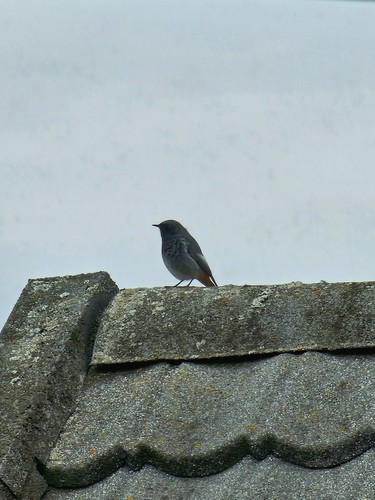
Black Redstart
13-14.5 cm (5.1-5.7 in) long, 23-26 cm wingspan
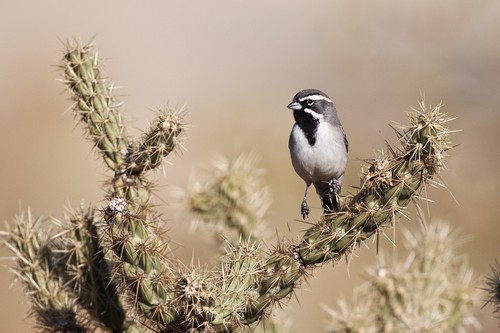
Black-throated Sparrow
12-14 cm (4.7-5.5 in) long, about 19-20 cm (7.5-8 in) wingspan
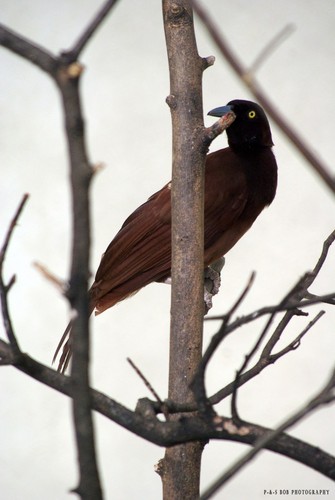
Greater Bird-of-paradise
Body about 43 cm; males with additional flank plumes up to 50 cm and long tail wires
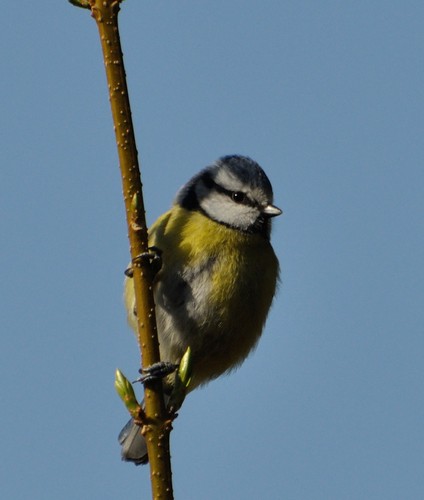
Blue Tit
11-12 cm (4.3-4.7 in) long, 17-20 cm wingspan

Red-billed Quelea
11.5–13 cm long, wingspan about 20–22 cm
White-plumed Antbird
13-14 cm (5-5.5 in) long
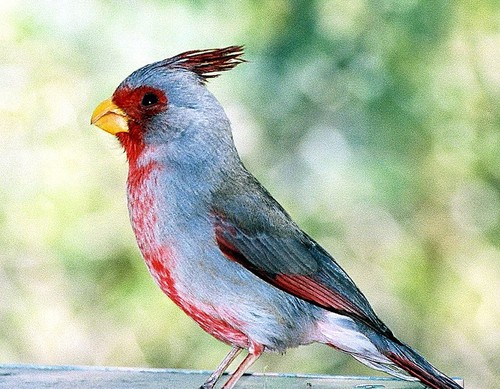
Pyrrhuloxia
19-22 cm (7.5-8.7 in) long, 30 cm wingspan
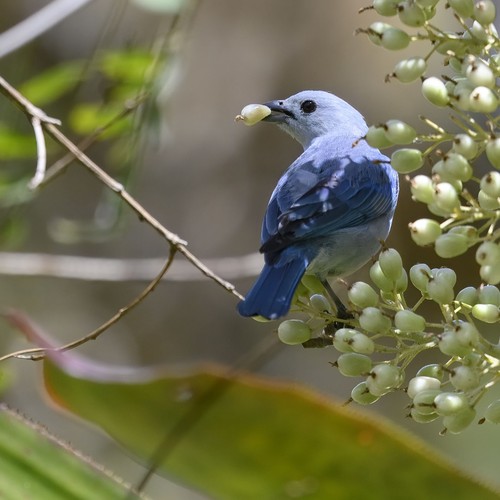
Blue-gray Tanager
16-18 cm (6-7 in) long
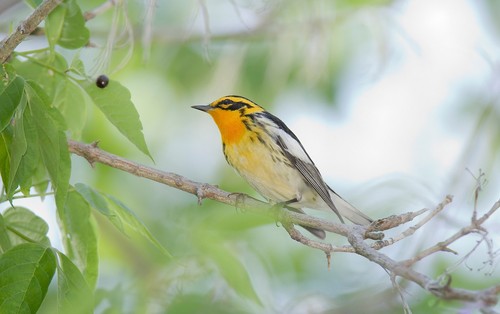
Blackburnian Warbler
11-13 cm (4.3-5.1 in) long, 20-22 cm wingspan
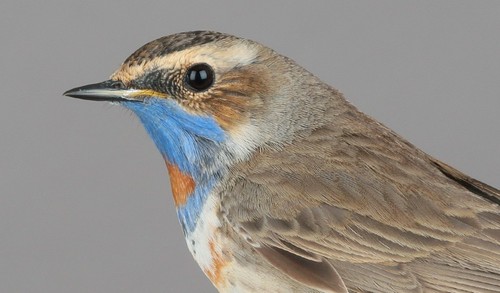
Bluethroat
13-14 cm (5.1-5.5 in) long, 20-22 cm wingspan
Eurasian Nuthatch
12-14.5 cm (4.7-5.7 in) long, 22.5-27 cm wingspan
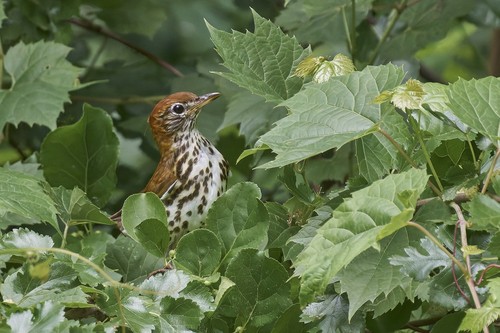
Wood Thrush
19-21 cm (7.5-8.3 in) long, about 33 cm (13 in) wingspan