
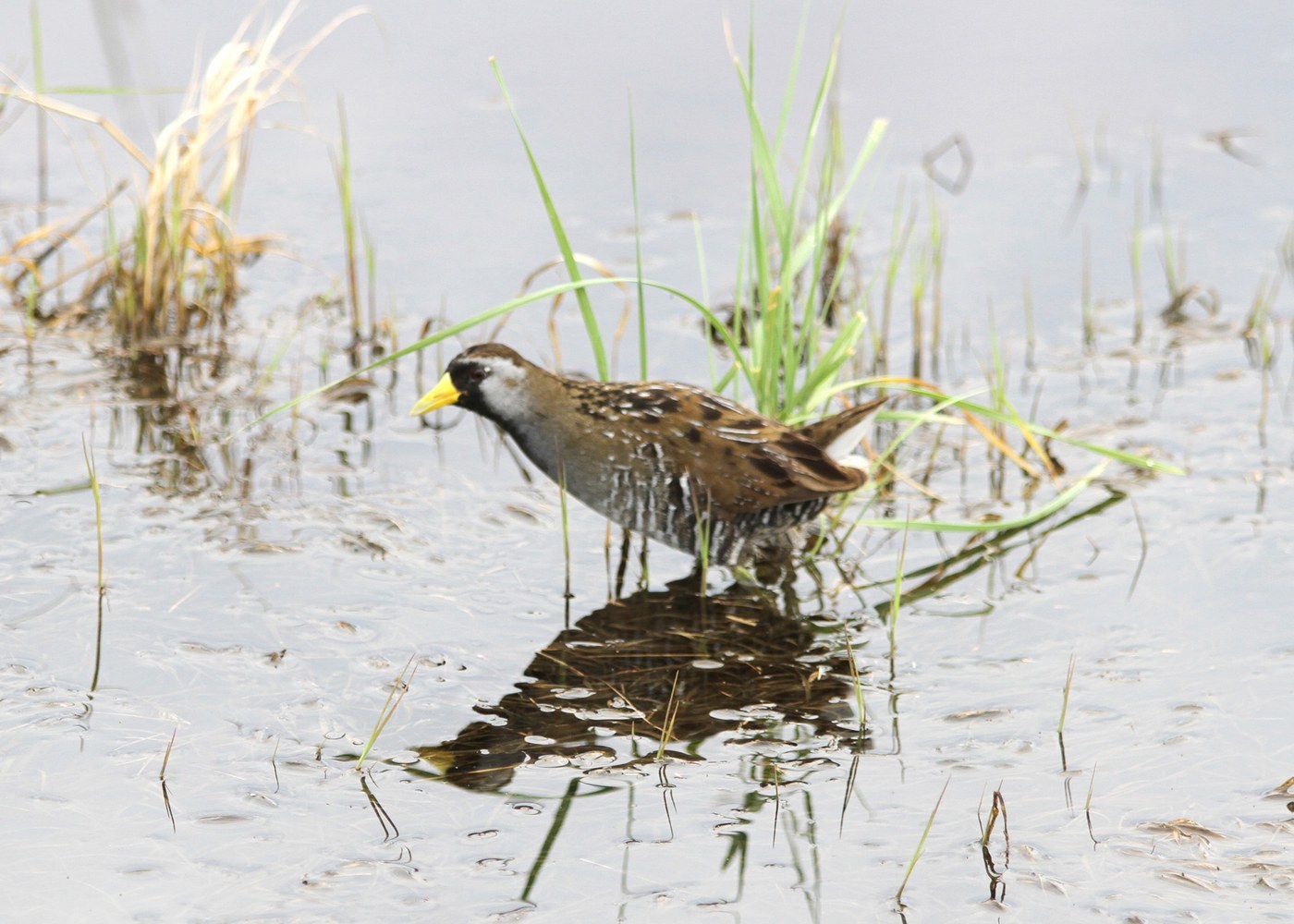
Sora
Porzana carolina
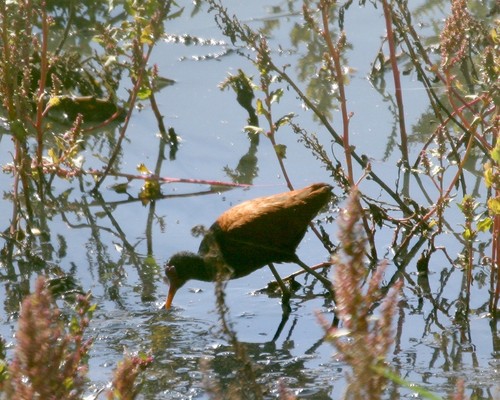
A secretive, plump little marsh rail with a short yellow bill, black face mask, and gray-brown streaked body.
- Size
- 19-25 cm (7.5-10 in) long, wingspan 35-40 cm
- Habitat
- freshwater and brackish marshes with dense emergent vegetation across North America
- Type
- wading-bird
Spotted a bird like this?
Identify any bird from a photo, free.
Overview
The Sora is a small, chunky rail with a short, stubby yellow bill, a black patch covering the face and throat, a gray breast, and brown upperparts streaked with black and white. Juveniles lack the adult's black facial mask, showing a buffier face instead.
It is the most widespread and frequently encountered rail in North America, though its skulking habits mean it is still far more often heard than seen among the reeds and cattails it calls home.
How to identify it
Key field marks
- Short, stubby yellow bill
- Black face and throat patch on adults
- Gray breast with brown, black-and-white streaked upperparts
- Greenish legs
- Short, often uptilted tail, flicked while walking
Similar species
The Virginia Rail has a long, downcurved reddish bill and a rusty breast, quite different from the Sora's short yellow bill and gray breast. The Yellow Rail is smaller still, with an even shorter bill and buffy streaked plumage.
Habitat & range
Habitat
Freshwater and brackish marshes with dense stands of cattails, sedges, and other emergent vegetation.
Range and migration
Breeds across much of North America, from Canada through the northern and central United States. Migrates to the southern United States, Mexico, Central America, and the Caribbean for winter.
Behavior & voice
Behavior
Highly secretive, usually remaining hidden within dense marsh vegetation and rarely venturing into the open.
Voice
A distinctive descending, horse-like whinny, along with a sharp, whistled 'ker-WEE' call.
Feeding
Gleans seeds of marsh plants from the surface and probes mud for insects and small invertebrates; also walks readily on floating vegetation.
Nesting and breeding
Builds a woven cup nest of marsh vegetation just above the waterline, hidden within dense cover.
Frequently asked questions
What does a Sora sound like?
Its most distinctive call is a descending, horse-like whinny, along with a sharp whistled 'ker-WEE.'
How do you identify a Sora?
Look for a short yellow bill, black face and throat patch, and gray-brown streaked body with a short flicked tail.
Are Soras hard to see?
Yes, they are very secretive marsh dwellers and are much more often heard than seen.
Where do Soras migrate to in winter?
The southern United States, Mexico, Central America, and parts of the Caribbean and northern South America.
What do Soras eat?
Mainly seeds of marsh plants like sedges, along with insects and small invertebrates.
Sora guides
In-depth guides for identifying, finding, and understanding Sora.
Other birds you may enjoy
Demoiselle Crane
85-100 cm (33-39 in) long, 155-180 cm wingspan
Boat-billed Heron
41-56 cm (16-22 in) long
Purple Heron
78-90 cm (31-35 in) long, 120-152 cm wingspan
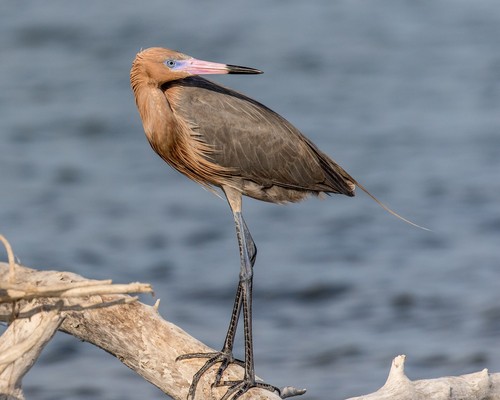
Reddish Egret
68-82 cm (27-32 in) long, 116-125 cm wingspan
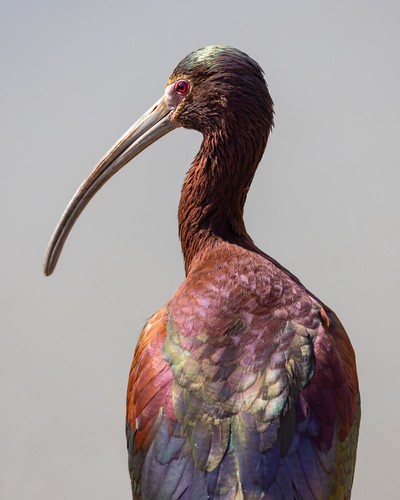
White-faced Ibis
46-56 cm (18-22 in) long, 88-93 cm wingspan
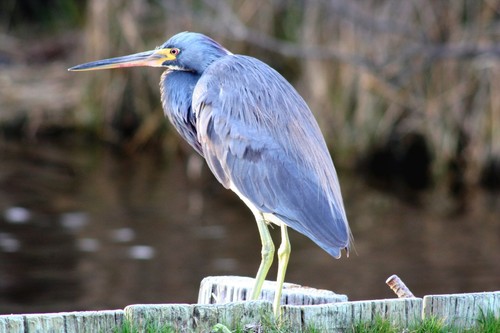
Tricolored Heron
61-76 cm (24-30 in) long, about 96 cm wingspan
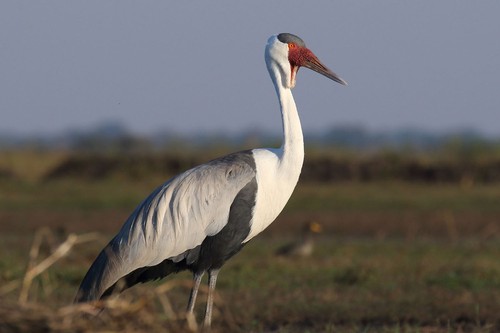
Wattled Crane
120-175 cm (47-69 in) tall, one of the tallest cranes, wingspan up to about 230 cm (7.5 ft)
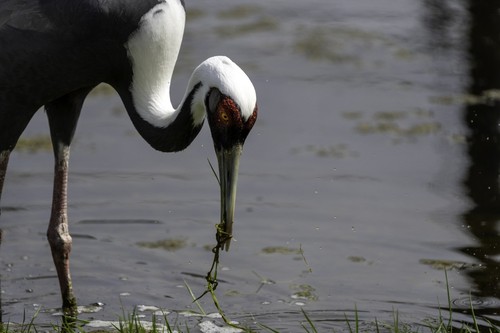
White-naped Crane
112-125 cm (44-49 in) long, 195-210 cm wingspan
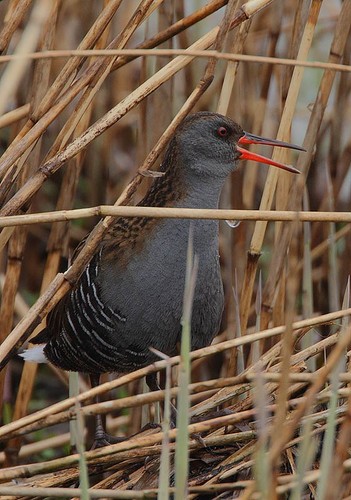
Water Rail
23-28 cm (9-11 in) long, wingspan 38-45 cm
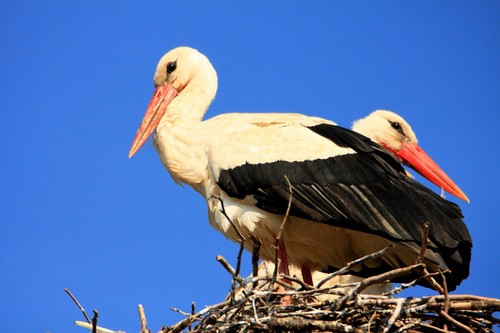
White Stork
100-125 cm (39-49 in) long, 155-215 cm wingspan
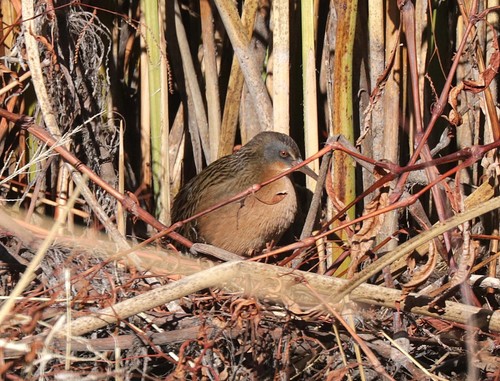
Virginia Rail
20-27 cm (8-11 in) long, wingspan 32-38 cm
Wattled Jacana
17-23 cm (7-9 in) long