
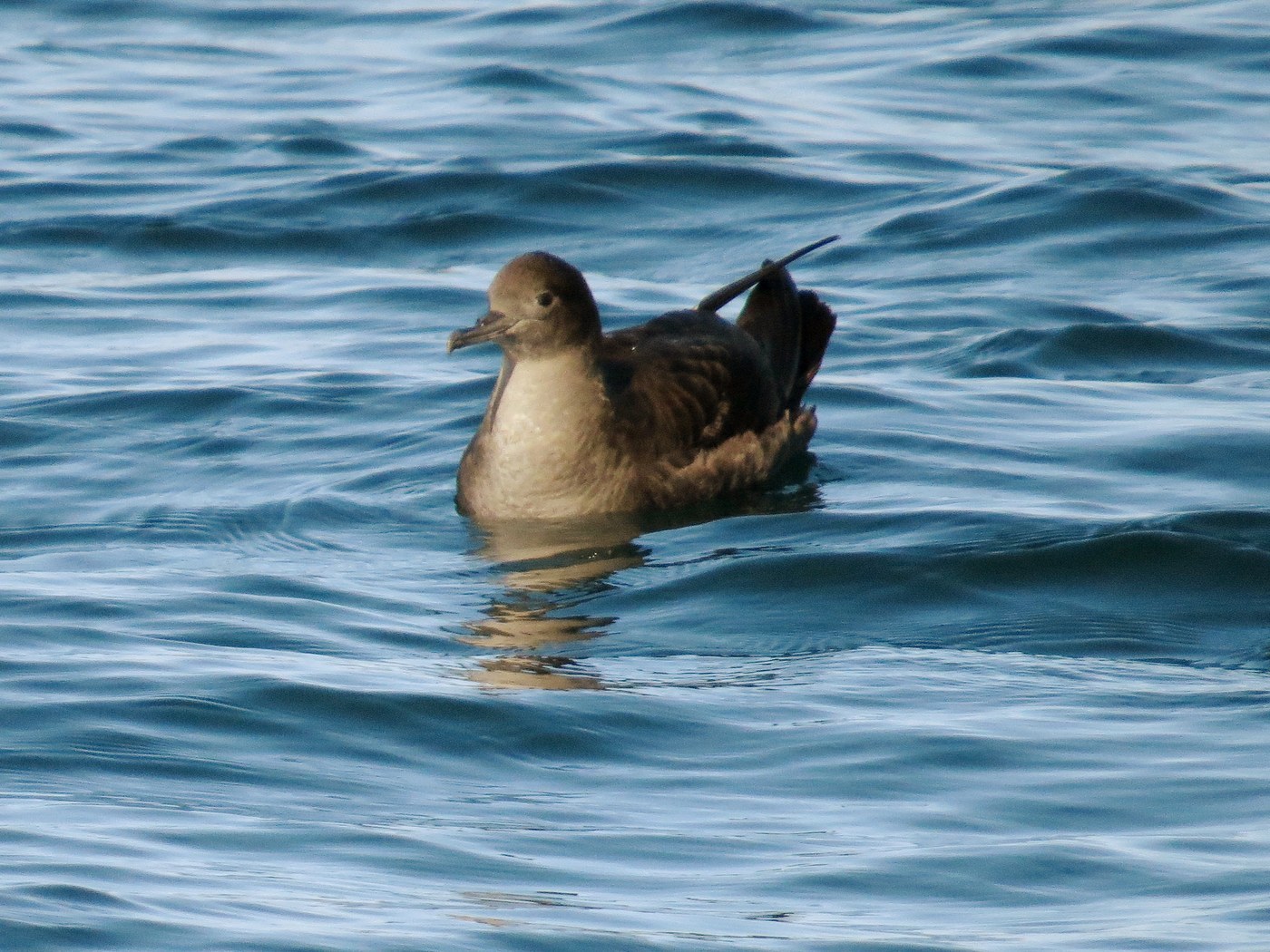
Sooty Shearwater
Ardenna grisea
A dark, sooty-brown shearwater famous for one of the longest annual migrations of any bird, tracing a huge figure-eight loop across entire ocean basins.
- Size
- 40-51 cm (16-20 in) long, wingspan 94-109 cm (37-43 in)
- Habitat
- open ocean waters worldwide, breeding on islands in the Southern Hemisphere
- Type
- seabird
Spotted a bird like this?
Identify any bird from a photo, free.
Overview
The Sooty Shearwater is a medium-sized shearwater with almost uniformly dark sooty-brown plumage overall, relieved mainly by silvery-white underwing linings that flash conspicuously as the bird banks and glides in flight.
This species is renowned for its extraordinary annual migration: birds breeding on islands off New Zealand, Chile, and other Southern Hemisphere sites travel enormous distances northward each year, tracing a huge, roughly figure-eight-shaped loop across the Pacific or Atlantic Ocean in search of the best feeding conditions in each hemisphere's summer.
Sooty Shearwaters often gather in enormous, dense flocks at sea, sometimes numbering in the tens or hundreds of thousands, particularly where productive currents concentrate their prey near the surface.
How to identify it
Key field marks
- Uniformly dark sooty-brown plumage overall
- Silvery-white underwing linings, visible as flashes in flight
- Slender, dark bill and a fast, powerful flight with stiff wingbeats
Similar species
- Short-tailed Shearwater is very similar and best distinguished by a shorter bill, a more rounded head profile, and subtler underwing pattern, requiring close observation.
- Sooty Albatross species are much larger with a longer, more slender wing shape and a different flight style, and occur only in the Southern Hemisphere.
Habitat & range
Sooty Shearwaters breed in large colonies on islands off New Zealand, southern Chile, and other Southern Hemisphere locations, nesting in burrows on grassy or forested slopes. After breeding, they undertake transequatorial migrations, ranging widely across the Pacific and Atlantic Oceans.
During the non-breeding season, large numbers occur in productive Northern Hemisphere waters, including off the coasts of North America and Japan, before the birds return south to their breeding islands.
Behavior & voice
Voice
At breeding colonies, Sooty Shearwaters give loud, wailing, and cackling calls at night around their nesting burrows, but are generally silent while foraging at sea.
Feeding
They feed on small fish, squid, and krill, pursuing prey underwater with wing-propelled diving, sometimes reaching considerable depths, and often forming large feeding flocks with other seabirds and marine mammals.
Nesting and breeding
Pairs nest in burrows dug into soft soil on breeding islands, visiting the colony mainly at night. A single egg is laid, and both parents share incubation duties before departing on their long migratory journey.
Frequently asked questions
Why is the Sooty Shearwater famous for its migration?
It undertakes one of the longest annual migrations of any bird, tracing a huge figure-eight loop across an entire ocean basin each year.
How can you identify a Sooty Shearwater?
Look for its uniformly dark sooty-brown plumage with flashes of silvery-white on the underwing in flight.
Where does the Sooty Shearwater breed?
It breeds in large colonies on islands off New Zealand, southern Chile, and other Southern Hemisphere locations.
What does the Sooty Shearwater eat?
It eats small fish, squid, and krill, caught by diving underwater using its wings for propulsion.
How is the Sooty Shearwater different from the Short-tailed Shearwater?
The two are very similar, but the Short-tailed Shearwater has a shorter bill and a more rounded head, requiring careful observation to separate them.
Sooty Shearwater guides
In-depth guides for identifying, finding, and understanding Sooty Shearwater.
Other birds you may enjoy
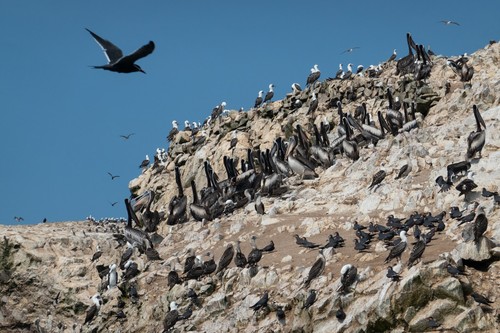
Peruvian Pelican
137-152 cm (54-60 in) long, up to 228 cm wingspan
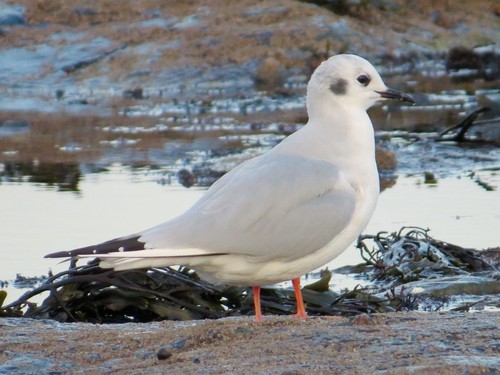
Bonaparte's Gull
28-33 cm (11-13 in) long, 76-84 cm wingspan
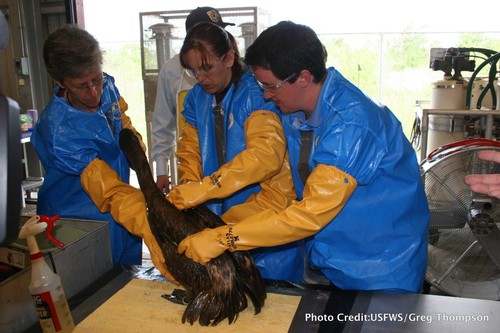
Brown Pelican
106-137 cm (42-54 in) long, 200-230 cm wingspan
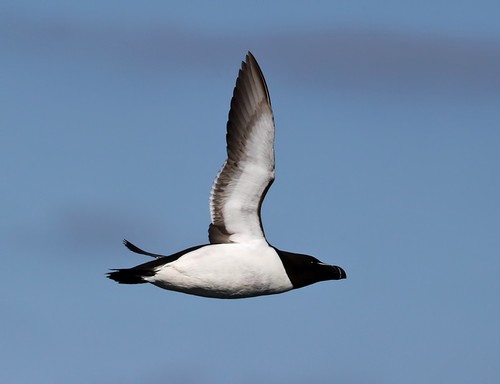
Razorbill
37-39 cm (15-15.5 in) long, 63-68 cm wingspan
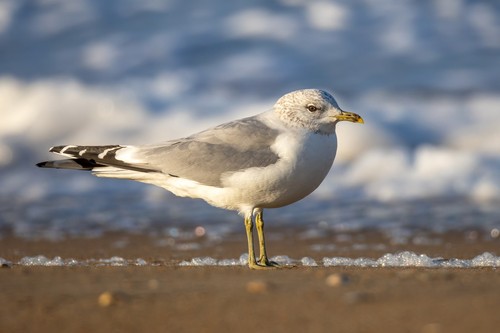
Common Gull
40-46 cm (16-18 in) long, 110-130 cm wingspan
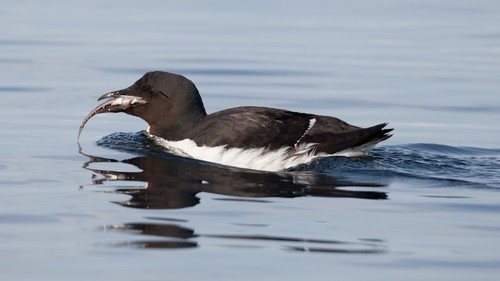
Thick-billed Murre
40-48 cm (16-19 in) long, 65-75 cm wingspan
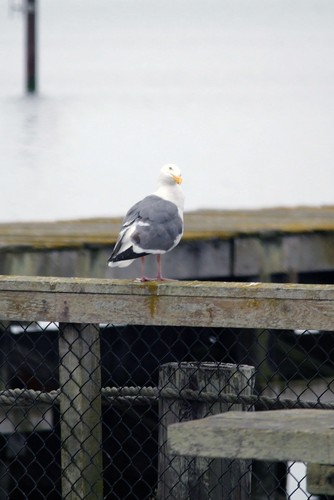
Western Gull
55-68 cm (22-27 in) long, 130-144 cm wingspan
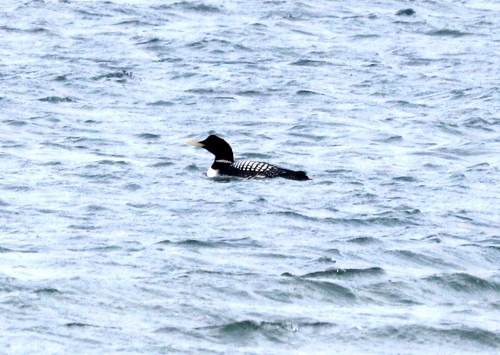
Yellow-billed Loon
76-97 cm (30-38 in) long, 135-152 cm wingspan
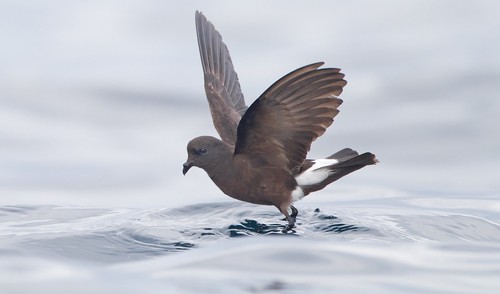
Wilson's Storm-Petrel
15-19 cm (6-7.5 in) long, wingspan 38-42 cm (15-16.5 in)
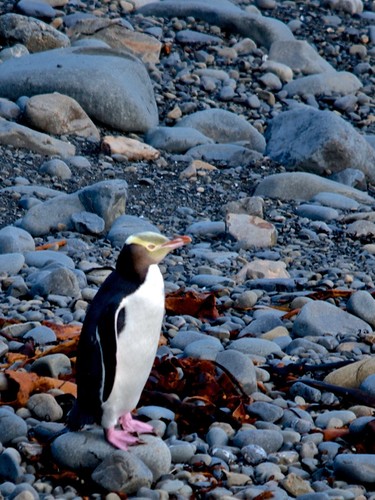
Yellow-eyed Penguin
62-79 cm (24-31 in) tall, 3-8.5 kg (6.6-18.7 lb)
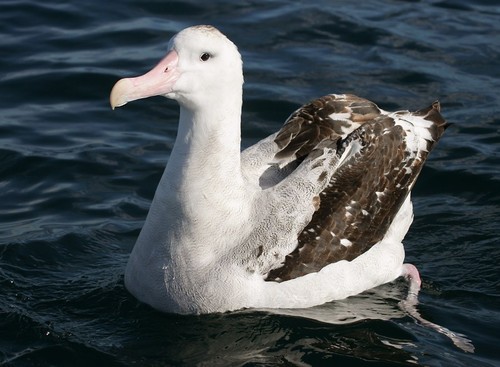
Wandering Albatross
107-135 cm (42-53 in) long, wingspan up to 3.5 m (11.5 ft)
Tufted Puffin
35-41 cm (14-16 in) long, about 63-70 cm wingspan