
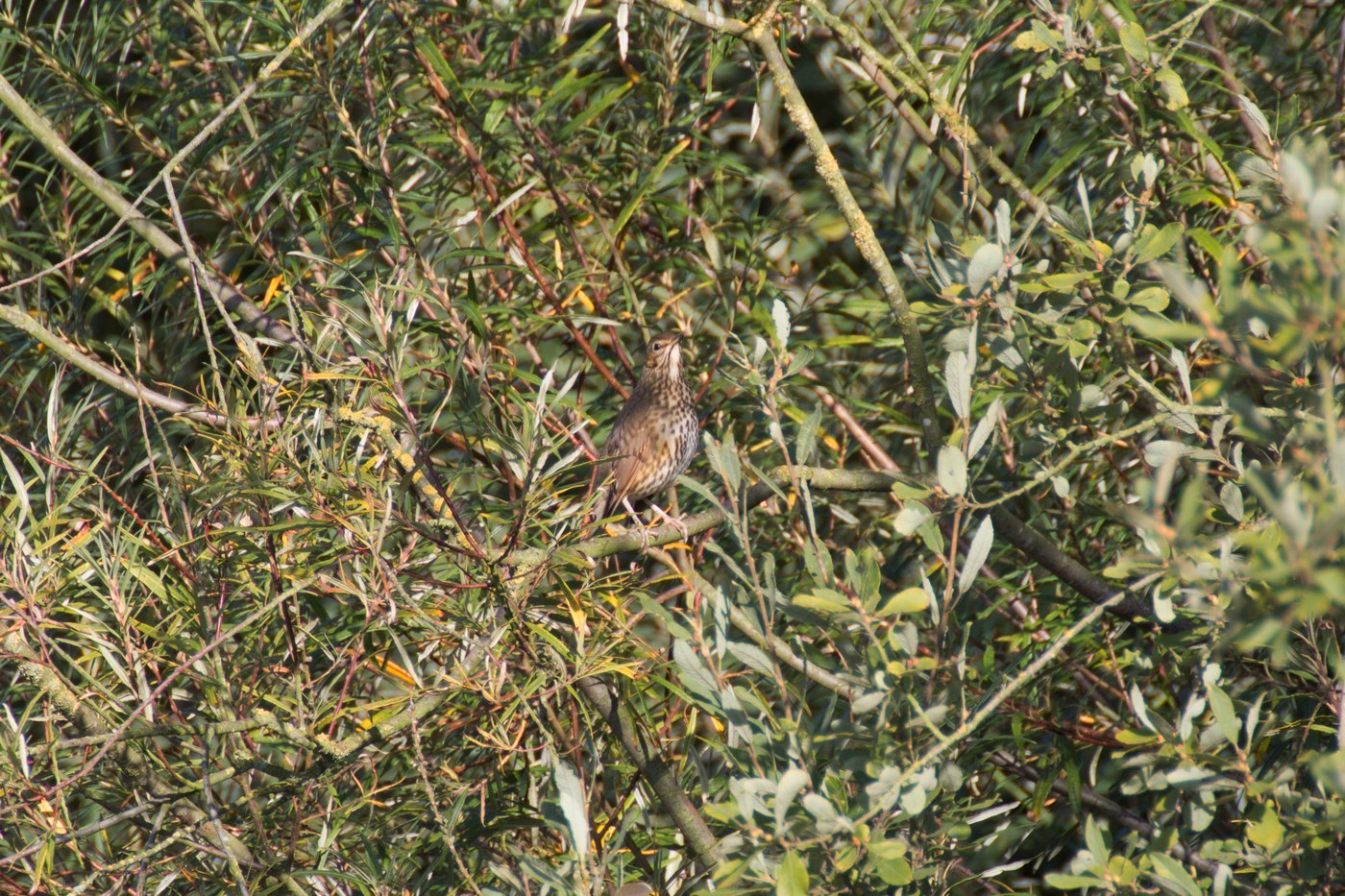
Song Thrush
Turdus philomelos
A warm brown, spot-breasted garden thrush famous for smashing snail shells on favorite stone "anvils" and for its loud, repetitive song.
- Size
- 20-23.5 cm (7.9-9.3 in) long, 33-36 cm wingspan
- Habitat
- woodland, hedgerows, parks, and gardens
- Type
- songbird
Spotted a bird like this?
Identify any bird from a photo, free.
Overview
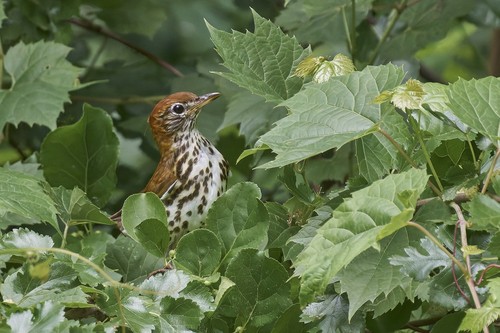
The Song Thrush is one of Europe's most familiar and best-loved garden birds, known equally for its rich, far-carrying song and for its habit of using a favorite stone as an anvil to crack open snail shells.
Appearance
It has warm brown upperparts and a cream to buffy-white breast and belly, densely marked with dark, arrow- or teardrop-shaped spots. Compared with the larger Mistle Thrush, it appears smaller, warmer-toned, and shorter-tailed, with orange-buff underwing linings visible in flight.
How to identify it
Key Field Marks
- Warm brown upperparts, cream underparts with dense dark spotting
- Orange-buff underwing, visible in flight
- Smaller and shorter-tailed than Mistle Thrush
- Upright, alert posture when foraging on lawns
Similar Species
Mistle Thrush is notably larger and greyer-toned, with bolder, more rounded spots and a paler, greyer underwing, and a bounding, undulating flight. Redwing is smaller with a bold cream supercilium and red-orange (not orange-buff) flanks. The Song Thrush's smaller size, warmer tones, and habit of using anvil stones for snails help confirm identification.
Habitat & range
Habitat
Song Thrushes inhabit woodland with dense undergrowth, hedgerows, parks, and gardens, favoring areas with damp soil, leaf litter, and cover for foraging and nesting, from rural woodland to suburban and urban green spaces.
Range and Migration
The species breeds across most of Europe and into western Asia. Northern and eastern populations are migratory, moving south and west to milder wintering areas including Iberia, North Africa, and the British Isles, while more southerly and western populations tend to be resident.
Behavior & voice
Behavior
Song Thrushes forage characteristically on lawns and leaf litter, running a short distance, pausing upright to listen and look, then pulling earthworms from the ground. They are well known for using a favorite stone — an "anvil" — to repeatedly smash snail shells to extract the animal inside.
Voice
The song is loud, clear, and highly repetitive, with each short musical phrase typically repeated two to four times before moving to a new phrase — a pattern that makes it one of the easier European bird songs to recognize. The call is a soft "tchick" or, in alarm, a sharper chattering.
Nesting and Breeding
The neat cup nest is built in a bush, hedge, or low tree, lined distinctively with a smooth coating of mud and dung rather than fine grass or feathers. The female lays 3-5 glossy blue eggs with sparse black spots and incubates them for about 13-14 days, with pairs often raising two or three broods per season.
Frequently asked questions
Why does the Song Thrush use a stone to smash snail shells?
It uses a favorite flat stone, called an anvil, to repeatedly strike snail shells against, cracking them open to reach the soft body inside — a distinctive feeding technique among European thrushes.
How can I tell a Song Thrush from a Mistle Thrush?
The Song Thrush is smaller and warmer brown-toned with denser, more arrow-shaped spotting and orange-buff underwings, while the Mistle Thrush is larger, greyer, and has bolder, rounder spots and a paler underwing.
Why does the Song Thrush repeat its song phrases?
Its song is built from short musical phrases that are typically repeated two to four times in a row before switching to a new phrase, a pattern that distinguishes it from other thrush songs.
What is distinctive about the Song Thrush's nest?
Unlike most songbirds, it lines its nest cup with a smooth layer of mud mixed with rotten wood or dung rather than soft grass or feathers.
Song Thrush guides
In-depth guides for identifying, finding, and understanding Song Thrush.
Other birds you may enjoy
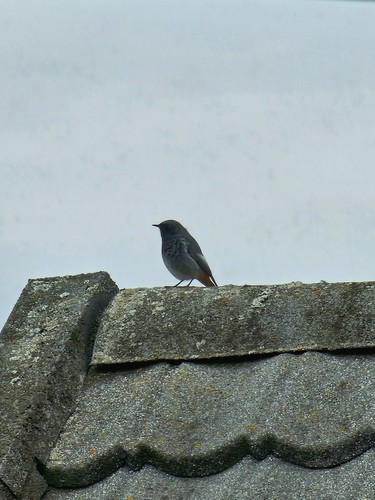
Black Redstart
13-14.5 cm (5.1-5.7 in) long, 23-26 cm wingspan
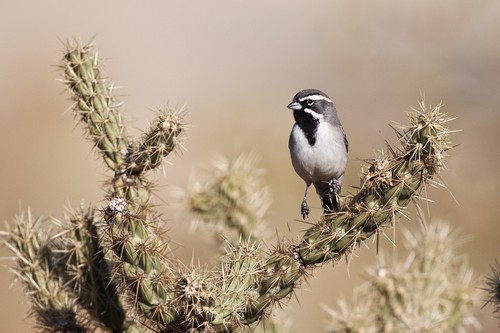
Black-throated Sparrow
12-14 cm (4.7-5.5 in) long, about 19-20 cm (7.5-8 in) wingspan
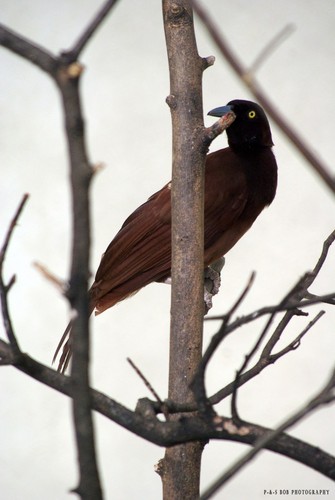
Greater Bird-of-paradise
Body about 43 cm; males with additional flank plumes up to 50 cm and long tail wires
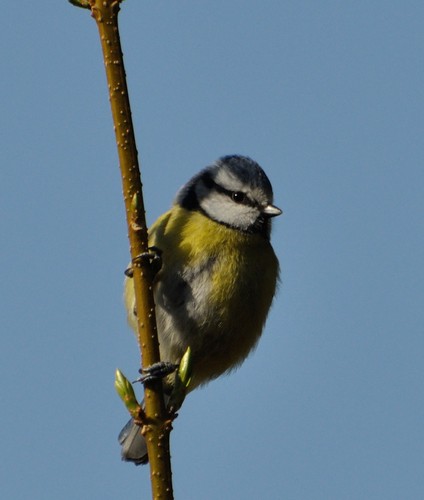
Blue Tit
11-12 cm (4.3-4.7 in) long, 17-20 cm wingspan
Red-billed Quelea
11.5–13 cm long, wingspan about 20–22 cm
White-plumed Antbird
13-14 cm (5-5.5 in) long
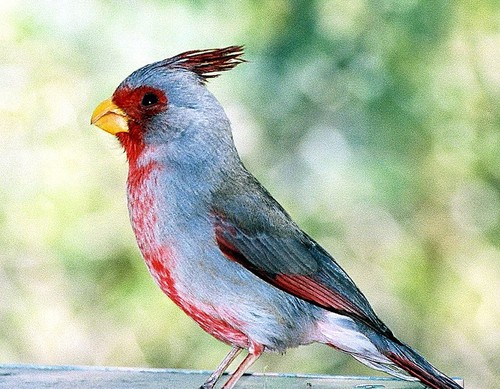
Pyrrhuloxia
19-22 cm (7.5-8.7 in) long, 30 cm wingspan
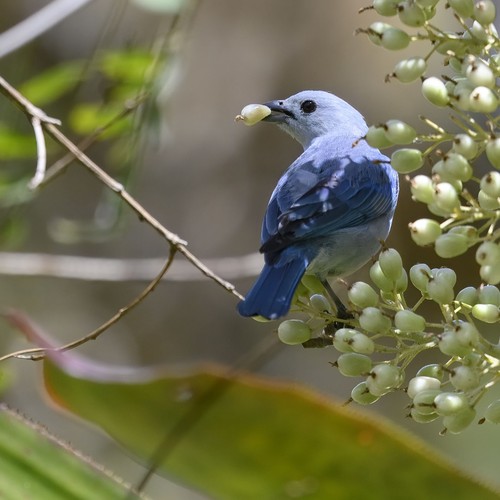
Blue-gray Tanager
16-18 cm (6-7 in) long
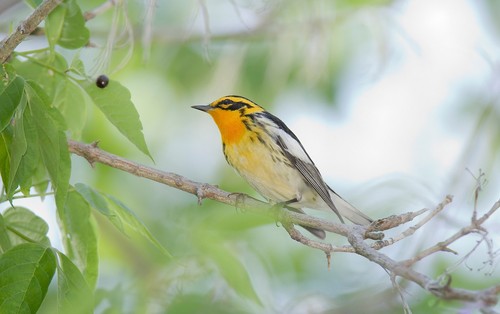
Blackburnian Warbler
11-13 cm (4.3-5.1 in) long, 20-22 cm wingspan
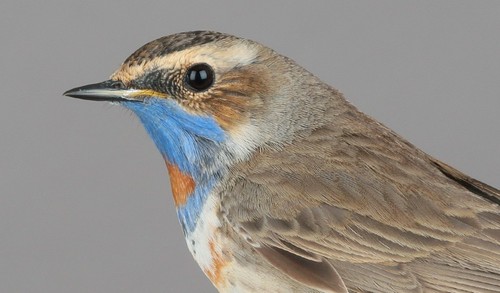
Bluethroat
13-14 cm (5.1-5.5 in) long, 20-22 cm wingspan
Eurasian Nuthatch
12-14.5 cm (4.7-5.7 in) long, 22.5-27 cm wingspan
Wood Thrush
19-21 cm (7.5-8.3 in) long, about 33 cm (13 in) wingspan