
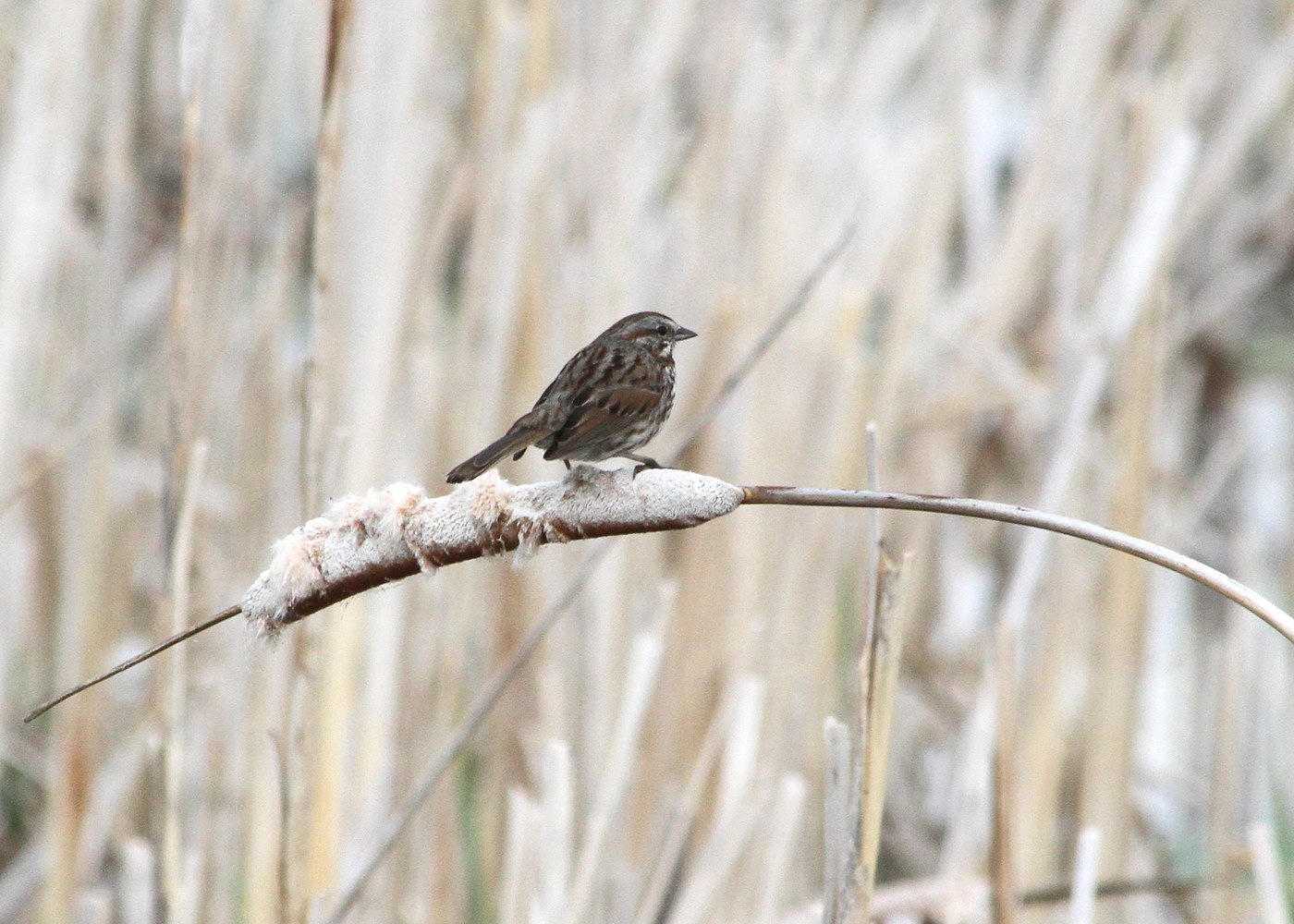
Song Sparrow
Melospiza melodia
A heavily streaked brown sparrow with a central breast spot, known for its rich, varied song from low perches.
- Size
- 12-17 cm (5-7 in) long, 18-25 cm (7-9.5 in) wingspan
- Habitat
- brushy fields, wetland edges, hedgerows, and gardens
- Type
- songbird
Spotted a bird like this?
Identify any bird from a photo, free.
Overview
The Song Sparrow is a widespread and highly variable species, with dozens of recognized subspecies that differ in size and coloration across its huge range. Typical birds are brown above with heavy, blurry dark streaking on a whitish to buffy breast and flanks, streaks that often converge into a central dark spot on the breast. The head shows a grayish face with brown malar (mustache) stripes and a brown crown often with a paler central stripe.
Despite the plumage variation across its range, from pale desert forms to dark, richly colored birds in the Pacific Northwest and Aleutians, the Song Sparrow's behavior and voice remain fairly consistent, and it is one of the most frequently encountered sparrows in North America.
How to identify it
Key Field Marks
- Heavy, blurry brown streaking on a whitish breast, often forming a central breast spot
- Grayish face with a brown eye-line and thick brown malar stripe
- Long, rounded tail often pumped up and down in flight
- Habit of perching low in shrubs and singing persistently
Similar Species
- Savannah Sparrow: shorter-tailed, with a yellowish tinge before the eye and finer streaking, typically found in more open grassy habitats.
- Lincoln's Sparrow: finer, crisper streaking on a buffy (not white) breast band, with a more finely marked, "clean" appearance compared to the Song Sparrow's blurrier streaks.
- Fox Sparrow: larger and often more reddish, with heavier chevron-shaped (not blurry) markings and a larger bill.
Habitat & range
Habitat
Song Sparrows favor brushy, edge habitats: shrubby fields, hedgerows, wetland margins, riparian thickets, and suburban gardens with dense cover.
Range
They breed across most of North America, from Alaska and Canada south through much of the United States, with some subspecies resident year-round along parts of the Pacific coast and elsewhere.
Migration
Northern and interior populations migrate south in winter, while many populations in the milder parts of the range, including much of the West Coast, are year-round residents.
Behavior & voice
Behavior
Song Sparrows are often seen low in shrubs or on the ground, scratching through leaf litter for food, and males sing frequently from exposed perches to defend territory. They frequently pump their tail in flight.
Voice
The song is a variable but recognizable pattern of a few clear introductory notes followed by a buzzy trill, often described as starting with "sweet sweet sweet" before the trill; individual males have several song variations.
Feeding
Diet shifts seasonally: insects and other invertebrates dominate in the breeding season, while seeds and berries become more important in fall and winter; they often forage by scratching in leaf litter.
Nesting & Breeding
Females build an open cup nest low in shrubs, grass tussocks, or occasionally on the ground, laying 3-5 eggs. Pairs commonly raise two or more broods per season, and Song Sparrows are a frequent host of Brown-headed Cowbird brood parasitism.
Frequently asked questions
Why do Song Sparrows look so different across North America?
The species has many recognized subspecies adapted to local climates and habitats, ranging from small, pale birds in arid interior regions to large, dark, heavily marked birds in the humid Pacific Northwest and Aleutian Islands.
How can I recognize a Song Sparrow's song?
Listen for a few clear, similar introductory notes followed by a buzzy trill and additional varied phrases; individual males often have several distinct song types they repeat.
Do Song Sparrows migrate?
It depends on the population; many northern and inland breeders migrate south for winter, while sparrows in milder coastal and southern regions tend to stay year-round.
What is the dark spot on a Song Sparrow's breast?
It is formed where the bird's blurry streaking converges near the center of the breast, a helpful but not universal field mark since some individuals show it faintly or not at all.
Where do Song Sparrows build their nests?
They typically nest low to the ground in dense shrubs, grass clumps, or brush piles, occasionally directly on the ground under vegetation.
Song Sparrow guides
In-depth guides for identifying, finding, and understanding Song Sparrow.
Other birds you may enjoy
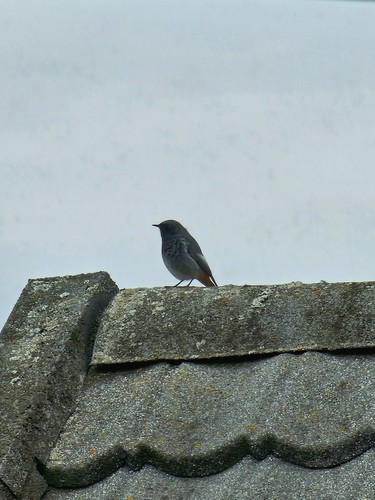
Black Redstart
13-14.5 cm (5.1-5.7 in) long, 23-26 cm wingspan
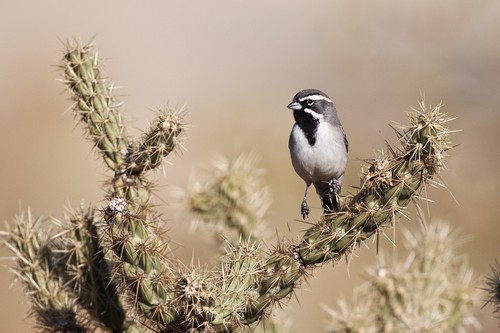
Black-throated Sparrow
12-14 cm (4.7-5.5 in) long, about 19-20 cm (7.5-8 in) wingspan
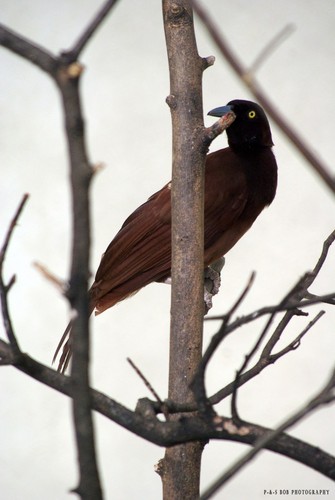
Greater Bird-of-paradise
Body about 43 cm; males with additional flank plumes up to 50 cm and long tail wires
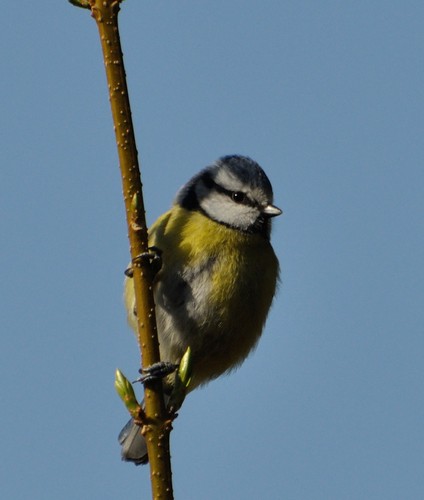
Blue Tit
11-12 cm (4.3-4.7 in) long, 17-20 cm wingspan
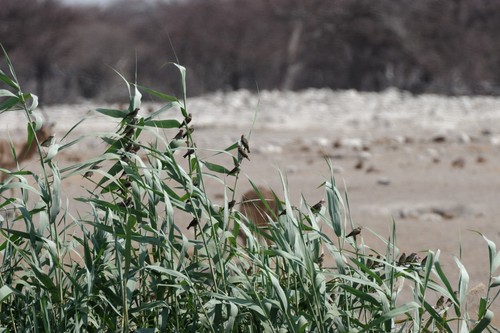
Red-billed Quelea
11.5–13 cm long, wingspan about 20–22 cm
White-plumed Antbird
13-14 cm (5-5.5 in) long
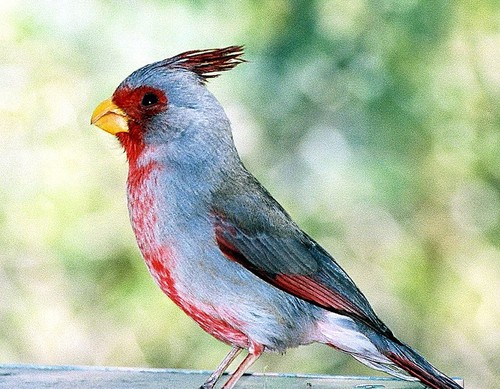
Pyrrhuloxia
19-22 cm (7.5-8.7 in) long, 30 cm wingspan
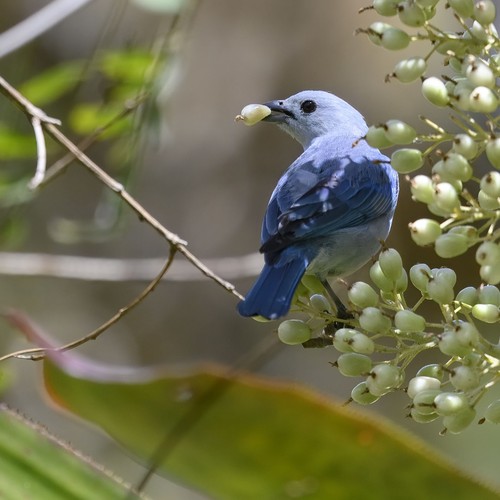
Blue-gray Tanager
16-18 cm (6-7 in) long
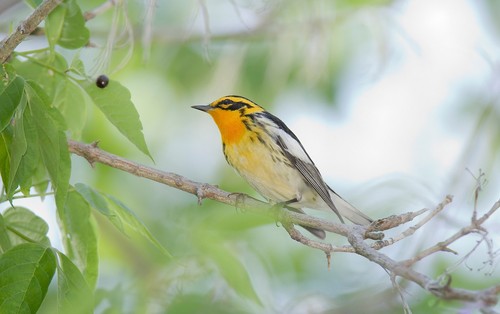
Blackburnian Warbler
11-13 cm (4.3-5.1 in) long, 20-22 cm wingspan
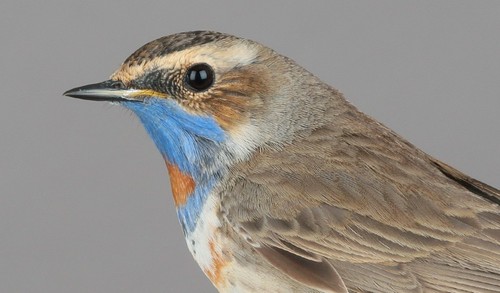
Bluethroat
13-14 cm (5.1-5.5 in) long, 20-22 cm wingspan
Eurasian Nuthatch
12-14.5 cm (4.7-5.7 in) long, 22.5-27 cm wingspan
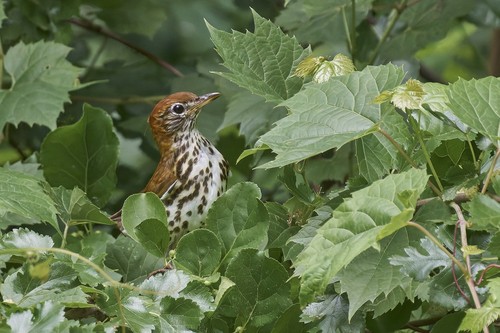
Wood Thrush
19-21 cm (7.5-8.3 in) long, about 33 cm (13 in) wingspan