
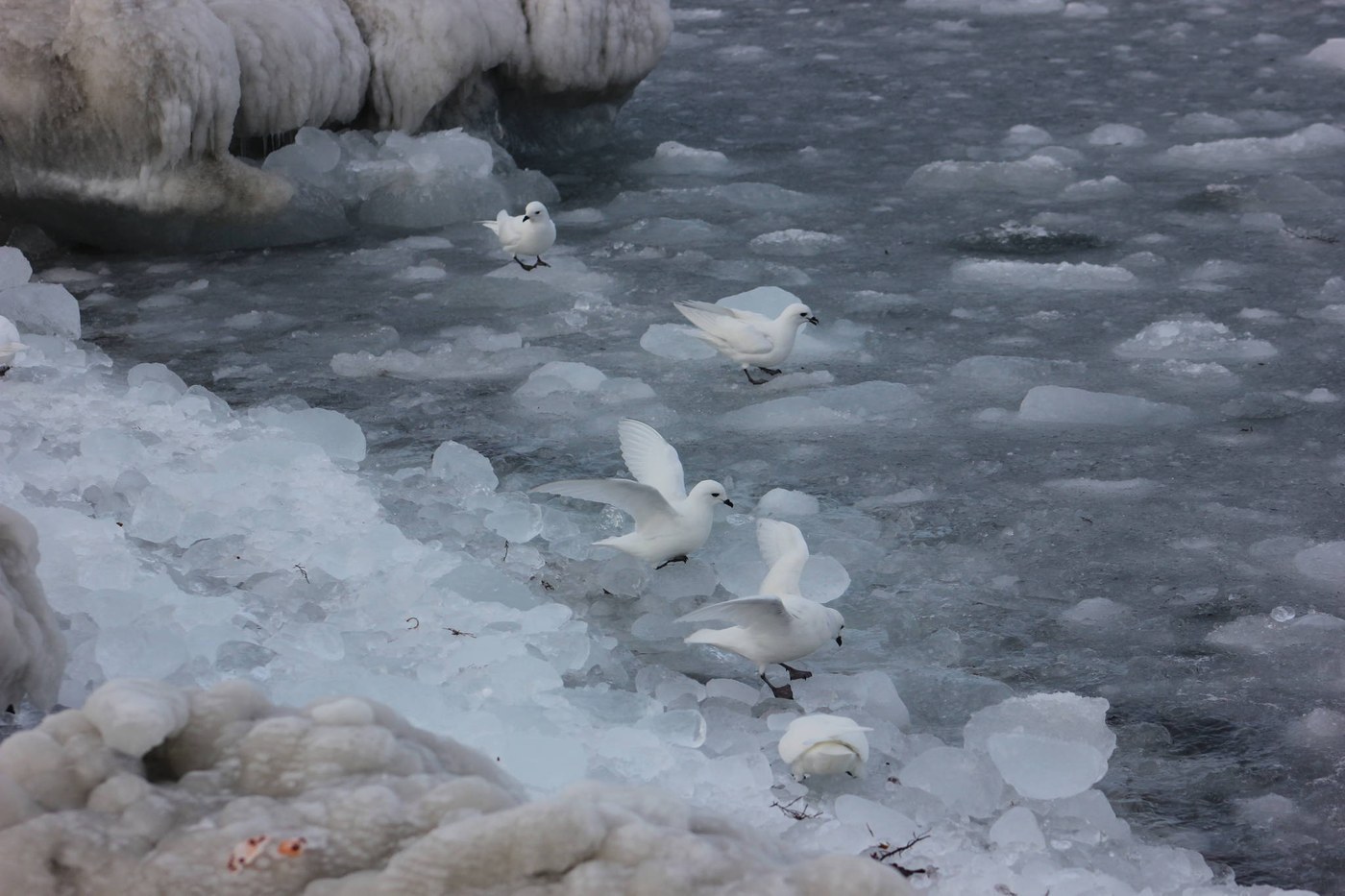
Snow Petrel
Pagodroma nivea
An entirely pure-white seabird of the Antarctic pack ice, one of only a handful of bird species that breed farther south than almost any other on Earth.
- Size
- 30-40 cm (12-16 in) long, wingspan 75-80 cm (30-31.5 in)
- Habitat
- Antarctic pack ice and coastal waters, breeding on ice-free rock in Antarctica
- Type
- seabird
Spotted a bird like this?
Identify any bird from a photo, free.
Overview
The Snow Petrel is a small, dainty tubenose seabird with plumage that is entirely pure white from head to tail, offset only by a small black bill, dark eyes, and black feet, giving it an almost ghostly appearance against the ice and open water of its Antarctic home.
This species holds one of the most extreme breeding distributions of any bird, nesting on exposed rock outcrops and nunataks within the Antarctic continent itself, sometimes hundreds of kilometers from open water, in some of the coldest and most remote breeding sites used by any bird species.
Snow Petrels are closely associated with pack ice throughout the year, rarely straying far from ice-covered or ice-adjacent waters even outside the breeding season.
How to identify it
Key field marks
- Entirely pure white plumage
- Small black bill and dark eyes
- Black feet, visible in flight and at rest
- Compact, dove-like flight with quick wingbeats
Similar species
- No other Antarctic seabird is entirely white; even the rare white morph of the Southern Giant Petrel shows scattered dark flecking, unlike the Snow Petrel's uniformly clean white plumage.
- Distant white shapes on ice are sometimes confused with resting Snow Petrels, but the bird's small size and black bill and feet confirm identification at closer range.
Habitat & range
Snow Petrels breed on ice-free rock outcrops and nunataks across Antarctica and on a few subantarctic islands, including sites deep within the continental interior, farther south than almost any other bird species nests. Nests are tucked into rock crevices offering shelter from wind and predators.
The species remains closely tied to pack ice and cold Antarctic and Southern Ocean waters throughout the year, rarely venturing far north of the ice edge even outside the breeding season.
Behavior & voice
Voice
At breeding sites, Snow Petrels give a range of chattering, cackling, and cooing calls, particularly during disputes over nest crevices and during courtship interactions.
Feeding
They feed on krill, small fish, and squid picked from open leads in the pack ice or the sea surface, and will also scavenge carrion such as seal or penguin remains when available.
Nesting and breeding
Pairs nest in rock crevices on ice-free outcrops, sometimes at very high elevations and far inland, laying a single egg. Both parents share incubation and chick-feeding duties, and chicks can spit stomach oil at intruders in defense.
Frequently asked questions
Why is the Snow Petrel entirely white?
Its pure white plumage provides camouflage against the snow and ice of its Antarctic habitat, helping conceal it from predators.
Where does the Snow Petrel breed?
It nests on ice-free rock outcrops and nunataks across Antarctica, sometimes far inland from the coast, among the southernmost breeding sites of any bird.
How can you tell a Snow Petrel from other white seabirds?
The Snow Petrel is entirely white, with only a small black bill and black feet breaking the color, whereas other pale seabirds typically show some dark markings on the wings or body.
What does the Snow Petrel eat?
It eats krill, small fish, and squid, and also scavenges carrion such as seal or penguin remains.
Does the Snow Petrel migrate?
It stays closely associated with Antarctic pack ice year-round and rarely moves far north of the ice edge, even outside the breeding season.
Snow Petrel guides
In-depth guides for identifying, finding, and understanding Snow Petrel.
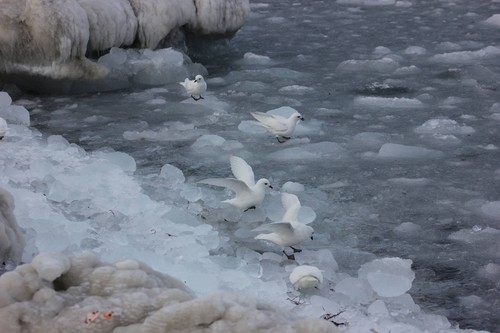
Other birds you may enjoy
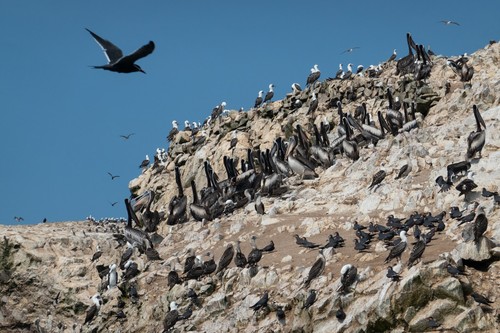
Peruvian Pelican
137-152 cm (54-60 in) long, up to 228 cm wingspan
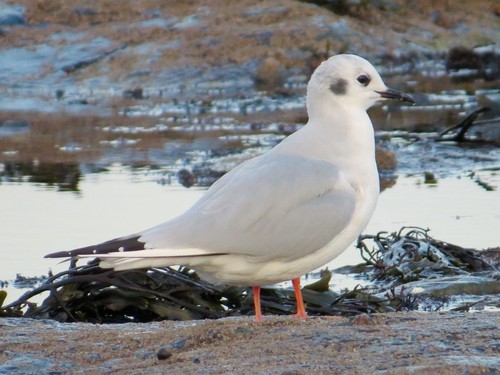
Bonaparte's Gull
28-33 cm (11-13 in) long, 76-84 cm wingspan
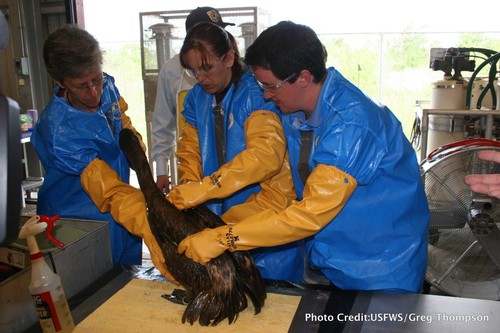
Brown Pelican
106-137 cm (42-54 in) long, 200-230 cm wingspan
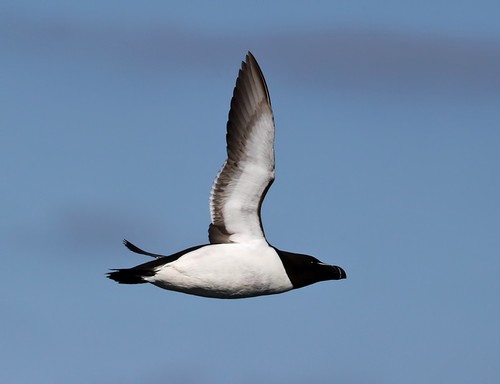
Razorbill
37-39 cm (15-15.5 in) long, 63-68 cm wingspan
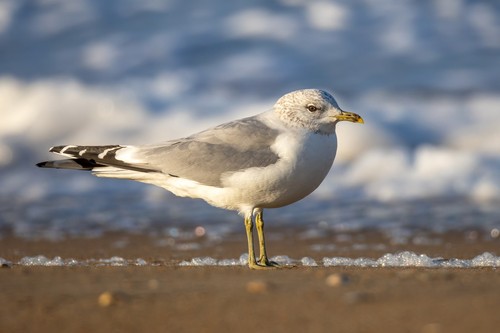
Common Gull
40-46 cm (16-18 in) long, 110-130 cm wingspan
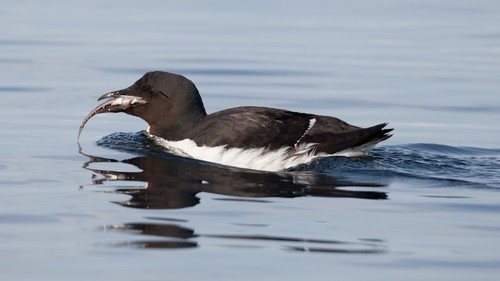
Thick-billed Murre
40-48 cm (16-19 in) long, 65-75 cm wingspan
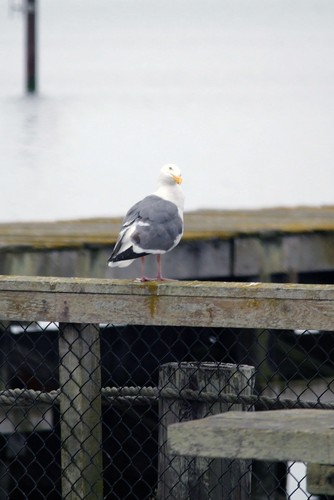
Western Gull
55-68 cm (22-27 in) long, 130-144 cm wingspan
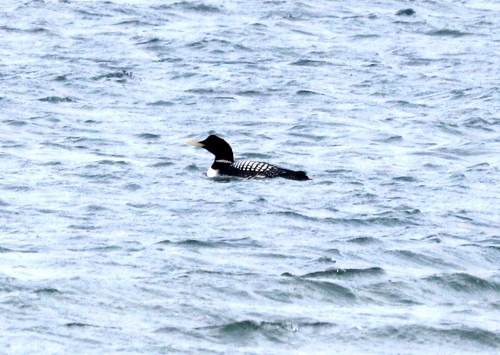
Yellow-billed Loon
76-97 cm (30-38 in) long, 135-152 cm wingspan
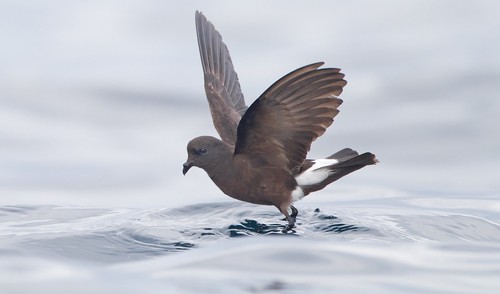
Wilson's Storm-Petrel
15-19 cm (6-7.5 in) long, wingspan 38-42 cm (15-16.5 in)
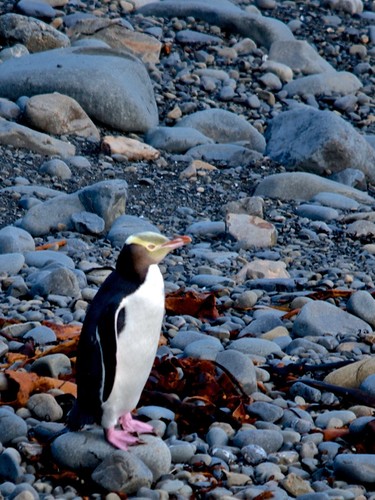
Yellow-eyed Penguin
62-79 cm (24-31 in) tall, 3-8.5 kg (6.6-18.7 lb)
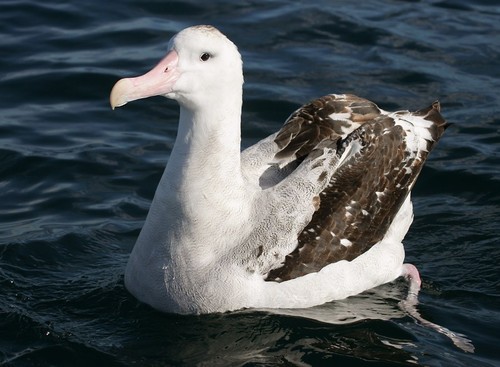
Wandering Albatross
107-135 cm (42-53 in) long, wingspan up to 3.5 m (11.5 ft)
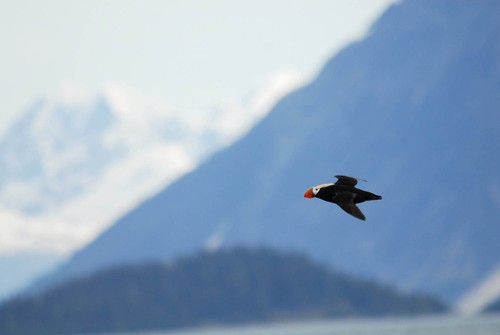
Tufted Puffin
35-41 cm (14-16 in) long, about 63-70 cm wingspan