
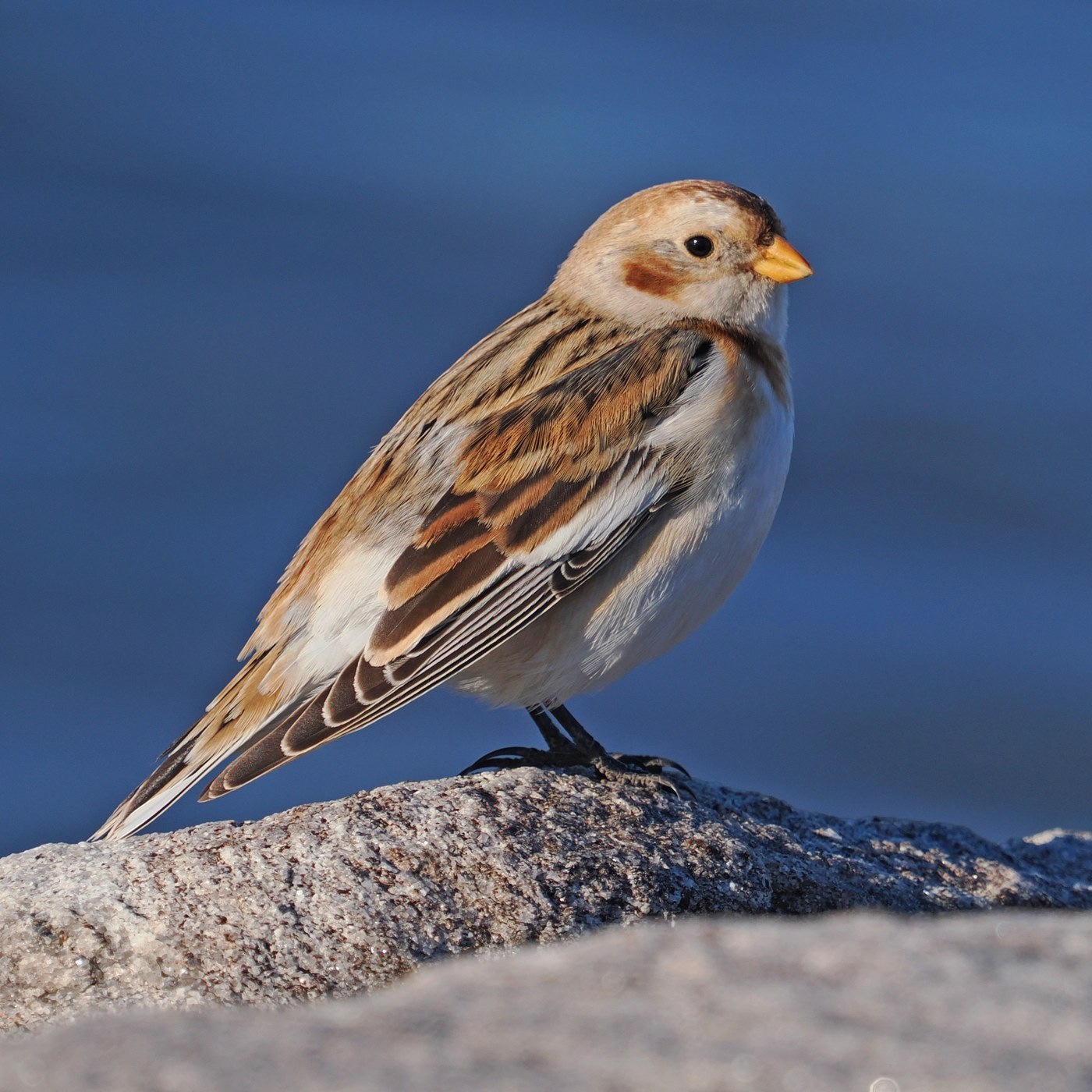
Snow Bunting
Plectrophenax nivalis
The northernmost-breeding songbird in the world, strikingly white in summer plumage and warm rusty-brown in winter flocks.
- Size
- 15-19 cm (6-7.5 in) long, about 32-38 cm (12.5-15 in) wingspan
- Habitat
- Arctic tundra when breeding; open fields, shorelines, and beaches in winter
- Type
- songbird
Spotted a bird like this?
Identify any bird from a photo, free.
Overview
The Snow Bunting holds the distinction of breeding farther north than any other songbird, nesting on Arctic tundra and rocky terrain at the very edge of habitable land. Its plumage transformation between breeding and nonbreeding seasons is one of the most dramatic of any North American bird.
Breeding males are strikingly white with a black back and black wingtips, giving them a snowball-like appearance that inspired the species' common name. The plumage most familiar to birders farther south, however, is the winter (nonbreeding) plumage seen from fall through spring: a warm, rusty-brown bird streaked with buffy tones on the head and back, with large white patches in the wings that flash conspicuously in flight.
Outside the breeding season, Snow Buntings form large, often mixed flocks that forage across open, wind-swept terrain, frequently in the company of Horned Larks and Lapland Longspurs.
How to identify it
Key Field Marks
- Breeding male: mostly white with a black back and black wingtips
- Winter plumage: warm rusty-brown overall, streaked, with large white wing patches visible in flight
- Stout, conical bill, black in summer and yellowish in winter
- Often seen in flocks on open ground in winter
Similar Species
- Lapland Longspur: also winters in open fields in flocks but shows a rustier nape patch and a dark ear patch rather than large white wing panels
- Horned Lark: has a distinctive black facial pattern and small dark 'horns,' and lacks the bold white wing patches of the Snow Bunting
In flight, the extensive white in the wings and tail is one of the most reliable field marks for winter Snow Buntings, often visible even at a distance in a moving flock.
Habitat & range
Snow Buntings breed on Arctic tundra and rocky terrain across the circumpolar north, including the northernmost islands of Canada, Greenland, and Eurasia, nesting in rock crevices that offer some protection from the harsh Arctic climate.
In winter, the species migrates south to open habitats across southern Canada and the northern United States, favoring wind-swept agricultural fields, prairies, dunes, and shorelines, where flocks forage on exposed ground, often in areas with sparse snow cover that allows access to seeds.
Behavior & voice
Behavior
Outside the breeding season, Snow Buntings are highly gregarious, forming large flocks that move together across open fields and shorelines, often flying up in coordinated swirls when disturbed.
Voice
The song is a sweet, musical warble given on the breeding grounds; the flight call, frequently heard from wintering flocks, is a distinctive rippling, buzzy rattle or a whistled 'tew.'
Feeding
Diet is mostly seeds in winter, gleaned from the ground in open fields and along shorelines, shifting to insects during the brief Arctic summer breeding season.
Nesting and Breeding
Nests are built in rock crevices or cavities, which provide insulation against extreme Arctic conditions, lined with soft plant material, fur, and feathers. Clutches typically contain 4-7 pale eggs with fine markings.
Frequently asked questions
What is the northernmost-breeding songbird?
The Snow Bunting holds this distinction, nesting on Arctic tundra and rocky terrain farther north than any other songbird.
What does a Snow Bunting look like in winter?
Winter birds are warm rusty-brown and streaked, with large white patches in the wings visible in flight, quite different from the mostly white breeding male.
Where can you see Snow Buntings in winter?
They winter in flocks across open fields, prairies, dunes, and shorelines of southern Canada and the northern United States.
Where do Snow Buntings nest?
They nest in rock crevices on Arctic tundra, which helps insulate the nest from extreme cold.
Do Snow Buntings flock with other birds in winter?
Yes, they often mix with Horned Larks and Lapland Longspurs while foraging in open winter fields.
Snow Bunting guides
In-depth guides for identifying, finding, and understanding Snow Bunting.
Other birds you may enjoy
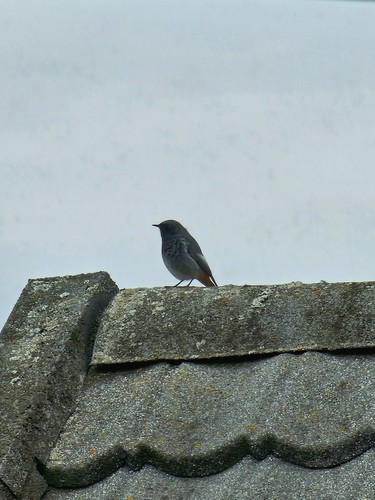
Black Redstart
13-14.5 cm (5.1-5.7 in) long, 23-26 cm wingspan
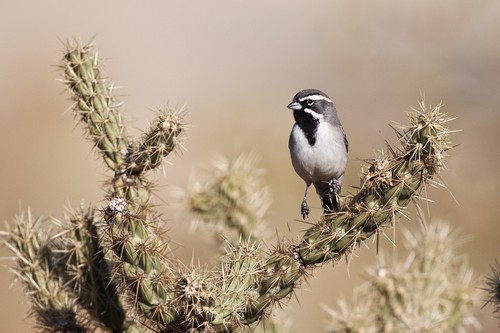
Black-throated Sparrow
12-14 cm (4.7-5.5 in) long, about 19-20 cm (7.5-8 in) wingspan
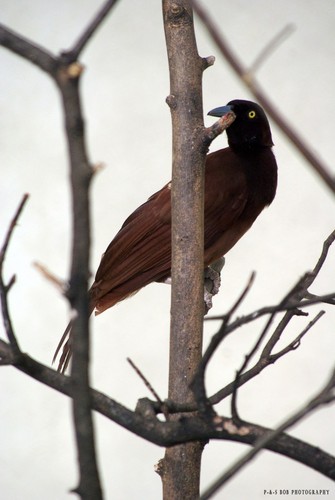
Greater Bird-of-paradise
Body about 43 cm; males with additional flank plumes up to 50 cm and long tail wires
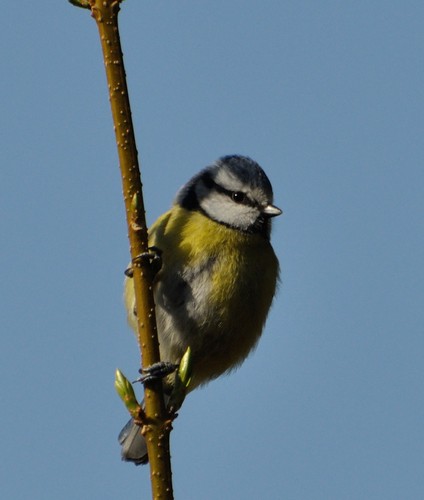
Blue Tit
11-12 cm (4.3-4.7 in) long, 17-20 cm wingspan
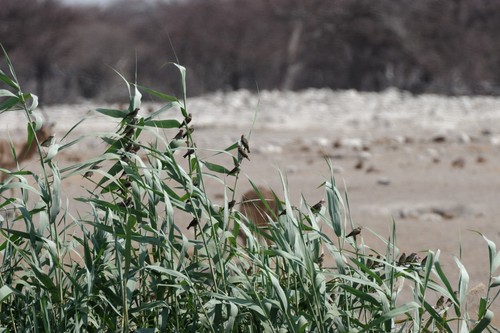
Red-billed Quelea
11.5–13 cm long, wingspan about 20–22 cm
White-plumed Antbird
13-14 cm (5-5.5 in) long
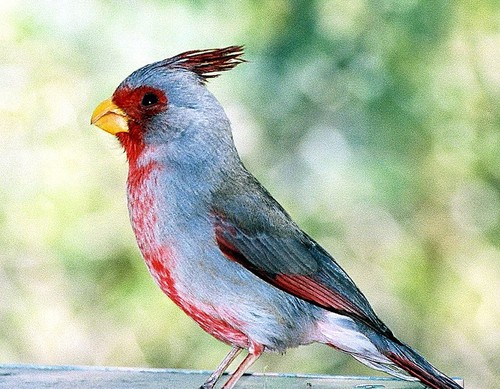
Pyrrhuloxia
19-22 cm (7.5-8.7 in) long, 30 cm wingspan
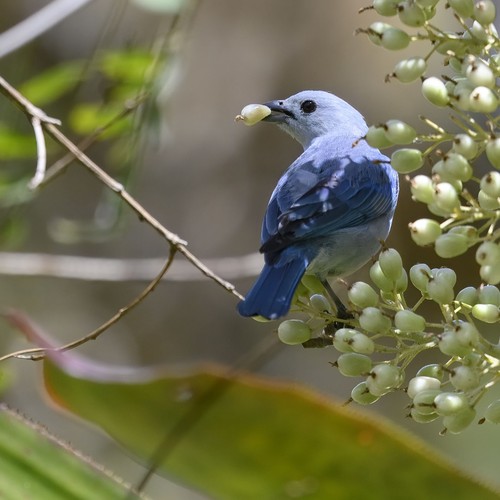
Blue-gray Tanager
16-18 cm (6-7 in) long
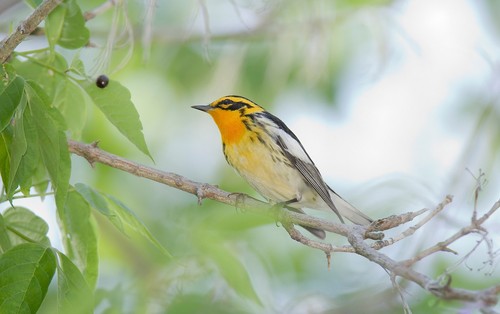
Blackburnian Warbler
11-13 cm (4.3-5.1 in) long, 20-22 cm wingspan
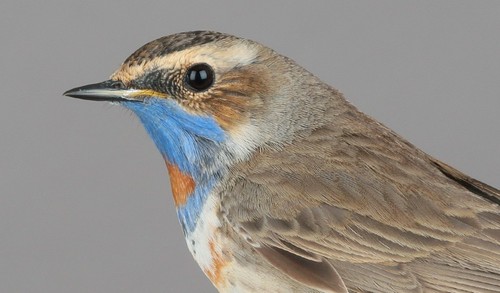
Bluethroat
13-14 cm (5.1-5.5 in) long, 20-22 cm wingspan
Eurasian Nuthatch
12-14.5 cm (4.7-5.7 in) long, 22.5-27 cm wingspan
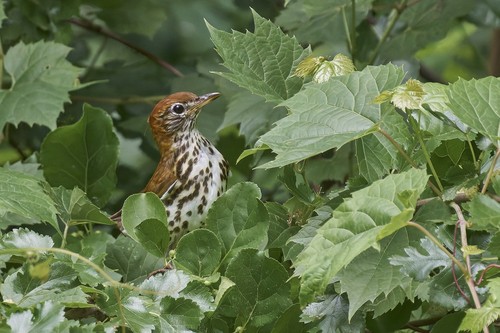
Wood Thrush
19-21 cm (7.5-8.3 in) long, about 33 cm (13 in) wingspan