
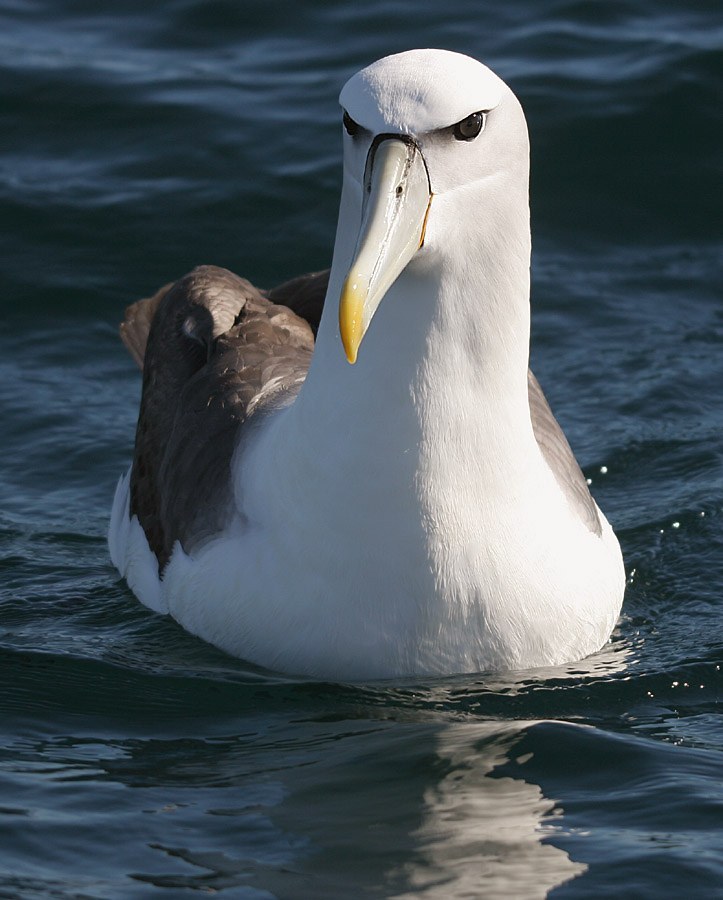
Shy Albatross
Thalassarche cauta
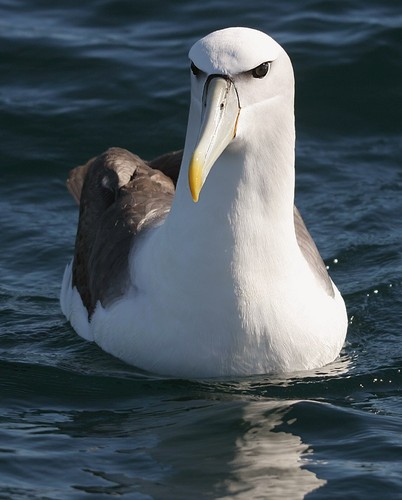
A pale, white-headed mollymawk that breeds only on a handful of islands off Tasmania, identifiable by its grey-washed nape and pale yellowish bill.
- Size
- 90-100 cm (35-39 in) long, wingspan 220-256 cm (87-101 in)
- Habitat
- cool Southern Ocean waters, breeding only on islands off Tasmania
- Type
- seabird
Spotted a bird like this?
Identify any bird from a photo, free.
Overview
The Shy Albatross is a medium-large mollymawk (a group of smaller albatross species) with an almost entirely white head and body, subtly washed with pale grey on the nape and sides of the breast, and dark grey upperwings. Its bill is pale grey to horn-yellow with a dark tip, giving it a cleaner, softer look than the boldly colored bills of some related species.
The species is notable for having one of the most restricted breeding ranges of any albatross, nesting on just a small number of islands off the coast of Tasmania, Australia, making it effectively a national breeding endemic despite ranging much more widely at sea.
Despite its common name, the Shy Albatross is not especially timid around ships or humans and readily follows fishing vessels, a habit that, like many albatross species, has exposed it to bycatch risk.
How to identify it
Key field marks
- Mostly white head with a faint grey wash on the nape
- Pale grey to yellowish bill with a dark tip
- Narrow dark margin along the leading and trailing edges of the white underwing
Similar species
- Black-browed Albatross has a much bolder, dark eyebrow stripe and a bright yellow-orange bill, unlike the paler, plainer head and bill of the Shy Albatross.
- Salvin's Albatross and Chatham Albatross, close relatives sometimes grouped with the Shy Albatross, differ subtly in bill color and head shading and breed on different island groups.
Habitat & range
The Shy Albatross breeds only on three island groups off Tasmania, Australia: Albatross Island, Mewstone, and Pedra Branca, making it one of the most range-restricted albatross species for breeding purposes. Nests are built on rocky slopes and cliffs on these small, remote islands.
Outside the breeding season, birds disperse more widely across the cool waters of the southern Indian and Atlantic Oceans, including areas off South Africa, before returning to Tasmanian waters to breed.
Behavior & voice
Voice
At colonies, Shy Albatrosses give braying and clacking calls during courtship and territorial encounters, though they are generally quieter than some other mollymawk species.
Feeding
They feed on fish, squid, and crustaceans taken near the surface, and readily scavenge discards and offal from fishing vessels operating in the waters around Tasmania and beyond.
Nesting and breeding
Pairs build cone-shaped nests of mud and vegetation on rocky island slopes, returning to the same restricted breeding sites each year. A single egg is laid, with both parents sharing incubation and chick-rearing duties over several months.
Frequently asked questions
Where does the Shy Albatross breed?
It breeds only on three small island groups off Tasmania, Australia: Albatross Island, Mewstone, and Pedra Branca.
How can you identify a Shy Albatross?
Look for its mostly white head with a faint grey wash on the nape and a pale grey to yellowish bill with a dark tip.
Is the Shy Albatross actually shy?
Despite the name, it readily follows ships and fishing boats and is not notably timid around vessels.
How does the Shy Albatross differ from the Black-browed Albatross?
The Shy Albatross has a paler, plainer head without a bold dark eyebrow stripe, and a less vividly colored bill.
What does the Shy Albatross eat?
It eats fish, squid, and crustaceans, and often scavenges discards from fishing vessels.
Shy Albatross guides
In-depth guides for identifying, finding, and understanding Shy Albatross.
Other birds you may enjoy
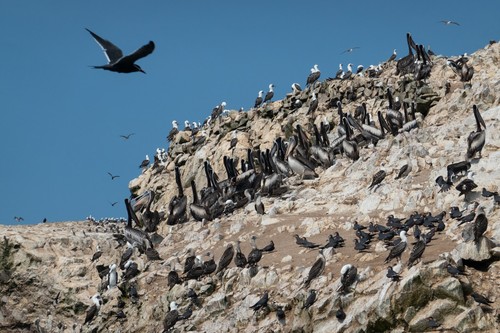
Peruvian Pelican
137-152 cm (54-60 in) long, up to 228 cm wingspan
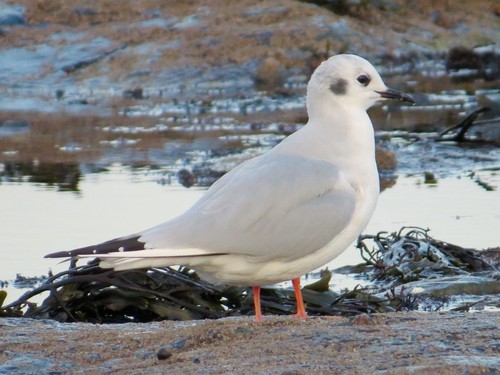
Bonaparte's Gull
28-33 cm (11-13 in) long, 76-84 cm wingspan
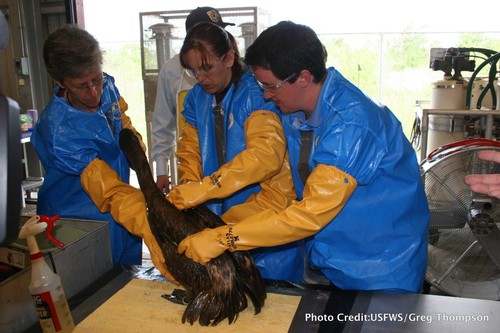
Brown Pelican
106-137 cm (42-54 in) long, 200-230 cm wingspan
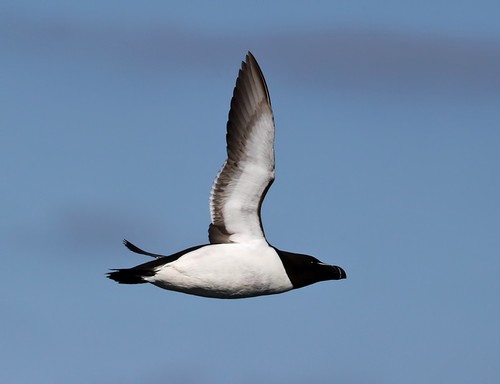
Razorbill
37-39 cm (15-15.5 in) long, 63-68 cm wingspan
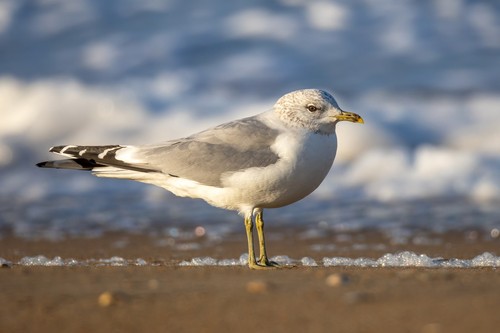
Common Gull
40-46 cm (16-18 in) long, 110-130 cm wingspan
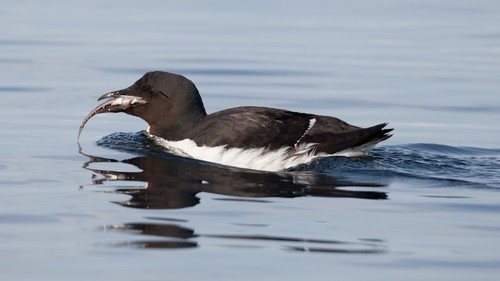
Thick-billed Murre
40-48 cm (16-19 in) long, 65-75 cm wingspan
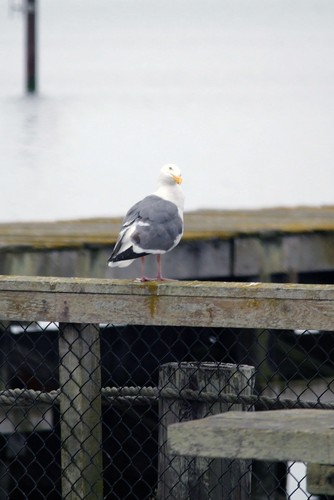
Western Gull
55-68 cm (22-27 in) long, 130-144 cm wingspan
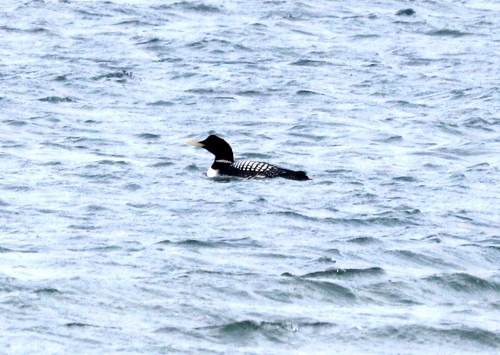
Yellow-billed Loon
76-97 cm (30-38 in) long, 135-152 cm wingspan
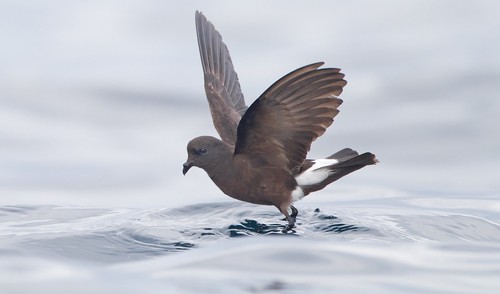
Wilson's Storm-Petrel
15-19 cm (6-7.5 in) long, wingspan 38-42 cm (15-16.5 in)
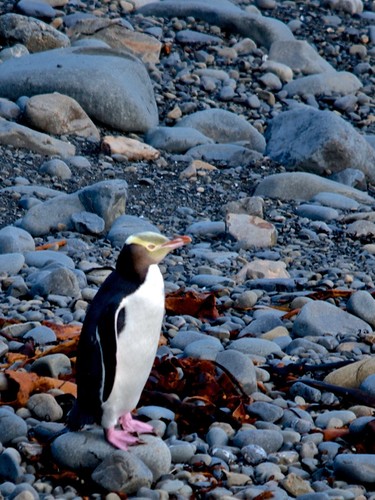
Yellow-eyed Penguin
62-79 cm (24-31 in) tall, 3-8.5 kg (6.6-18.7 lb)
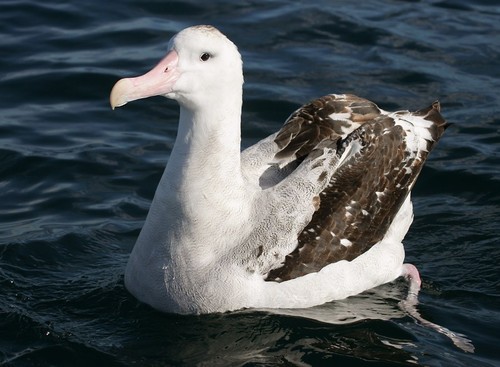
Wandering Albatross
107-135 cm (42-53 in) long, wingspan up to 3.5 m (11.5 ft)
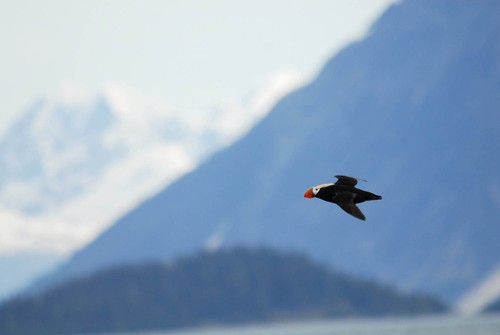
Tufted Puffin
35-41 cm (14-16 in) long, about 63-70 cm wingspan