
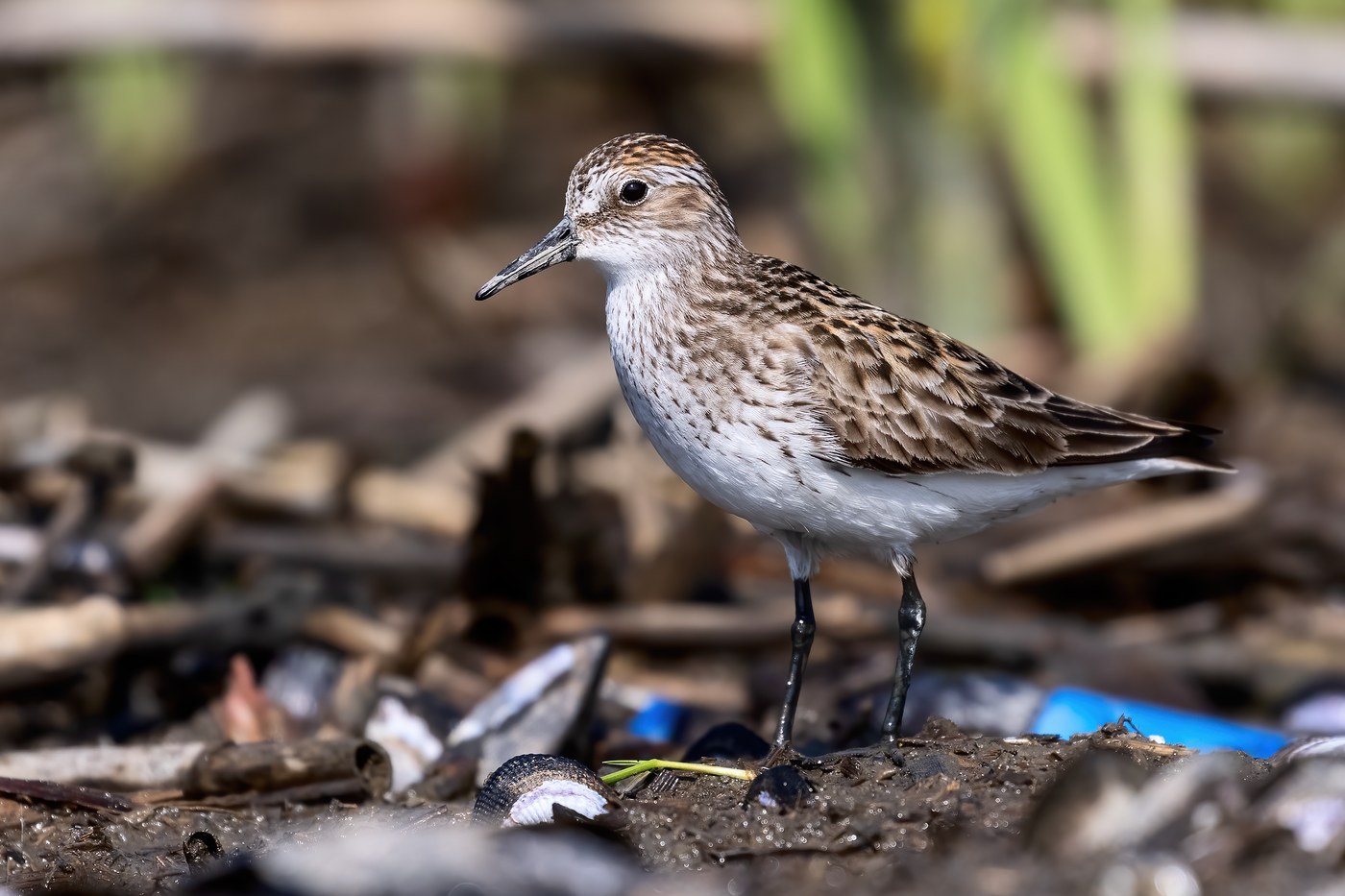
Semipalmated Sandpiper
Calidris pusilla
A small, gray-brown sandpiper with a short, straight bill and partially webbed toes, famous for forming massive migratory flocks at coastal staging sites.
- Size
- 13-15 cm (5-6 in) long, 33-37 cm wingspan
- Habitat
- coastal mudflats and estuaries, breeding on Arctic tundra
- Type
- shorebird
Spotted a bird like this?
Identify any bird from a photo, free.
Overview
The Semipalmated Sandpiper is one of the most numerous shorebirds in North America, named for the small amount of webbing between its toes ("semipalmated" meaning partly webbed), a feature shared with a few other sandpipers.
It is compact and rather plain, with grayish-brown upperparts showing only limited rufous tones even in breeding plumage, distinguishing it from the brighter Western Sandpiper. The bill is short, straight, and stubby — notably shorter than the fine, drooped bill of the Western Sandpiper — and the legs are black.
During migration, this species forms some of the largest shorebird concentrations on the planet, with hundreds of thousands gathering at key stopover sites.
How to identify it
Key field marks
- Short, straight, blunt-tipped bill
- Grayish-brown upperparts with limited rufous tones, even in breeding plumage
- Black legs
- Partial webbing between toes (semipalmated), visible only at close range
- Compact, small "peep" build
Similar species
- Western Sandpiper: longer, finer bill with a distinct droop, brighter rufous tones in breeding plumage.
- Least Sandpiper: smaller with yellowish-green legs rather than black.
- Bill length and shape are the most useful ways to separate Semipalmated from Western Sandpiper in mixed flocks.
Habitat & range
Habitat
Semipalmated Sandpipers are classic mudflat and estuary birds, gathering in dense flocks on open tidal flats during migration and winter.
Range and migration
They breed on Arctic tundra across northern Canada and Alaska. One of their most famous migratory stopovers is the Bay of Fundy in eastern Canada, where enormous flocks gather to feed before making long nonstop flights to wintering grounds, which are concentrated mainly along the coasts of South America.
Behavior & voice
Behavior
This species is highly gregarious, forming some of the densest shorebird flocks in the world at key staging areas, where birds feed intensively to build fat reserves for long overwater migratory flights.
Voice
The flight call is a short, low "chrup" or "chit," distinct from the higher, thinner calls of the Western and Least Sandpipers.
Feeding
They probe and peck rapidly in soft mud for small invertebrates, including insects and marine worms, often feeding shoulder-to-shoulder with hundreds or thousands of other individuals.
Nesting and breeding
Pairs nest on the ground on open Arctic tundra, often near water; the female lays four eggs in a shallow scrape, and both parents share incubation before the young quickly become independent and mobile.
Frequently asked questions
What does 'semipalmated' mean?
It refers to the partial webbing between the toes, a feature that gives this sandpiper its name (though it is only visible at very close range).
How do you tell Semipalmated Sandpiper from Western Sandpiper?
Semipalmated has a shorter, straighter, blunter bill and duller plumage overall, while Western Sandpiper has a longer, finer, slightly drooped bill and brighter rufous tones in breeding plumage.
Where is the Bay of Fundy stopover significant for this species?
It hosts one of the largest concentrations of migrating Semipalmated Sandpipers in the world, where birds fatten up before a long nonstop flight to South America.
Where do Semipalmated Sandpipers breed?
On Arctic tundra across northern Canada and Alaska.
What do Semipalmated Sandpipers eat?
Small invertebrates such as insects and marine worms, probed from soft coastal mud.
Semipalmated Sandpiper guides
In-depth guides for identifying, finding, and understanding Semipalmated Sandpiper.
Other birds you may enjoy
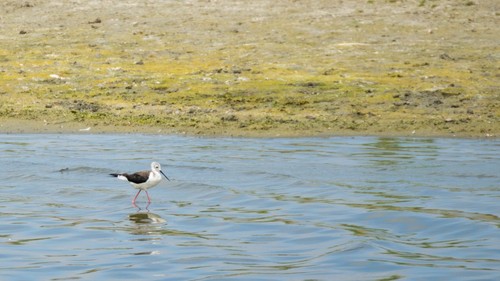
Black-winged Stilt
33-36 cm (13-14 in) long, wingspan 67-83 cm
Willet
33-41 cm (13-16 in) long, 65-70 cm wingspan
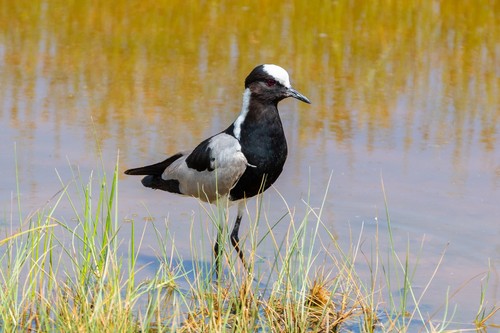
Blacksmith Lapwing
Body length about 30 cm; wingspan 55-65 cm
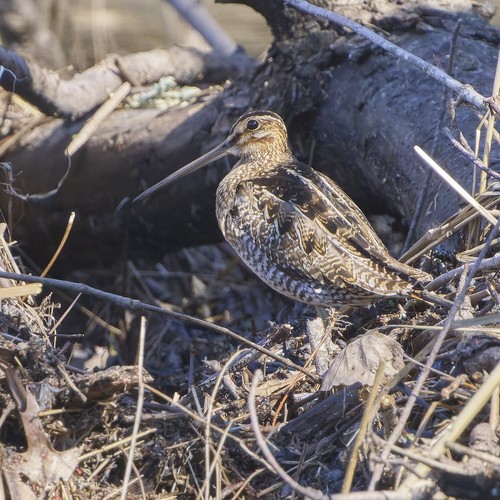
Wilson's Snipe
25-30 cm (10-12 in) long, 39-45 cm wingspan
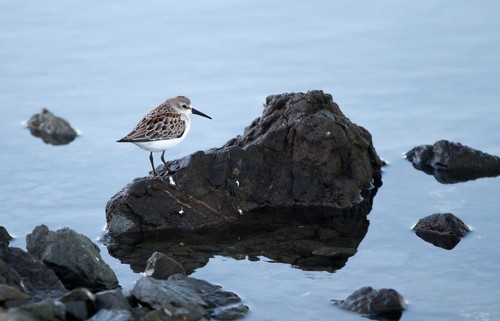
Western Sandpiper
14-17 cm (5.5-6.7 in) long, 28-37 cm wingspan
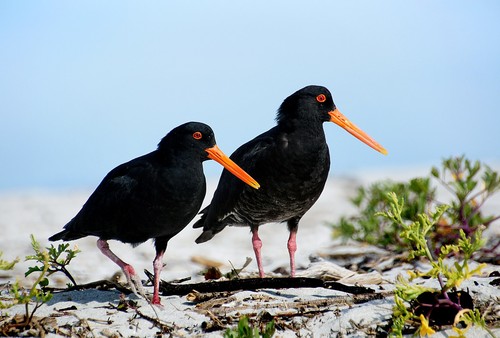
Variable Oystercatcher
46-49 cm (18-19 in) long
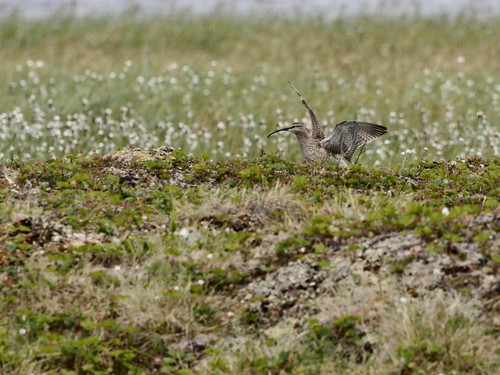
Whimbrel
40-46 cm (16-18 in) long, 76-89 cm wingspan
Wilson's Phalarope
22-24 cm (8.5-9.5 in) long, 37-43 cm wingspan
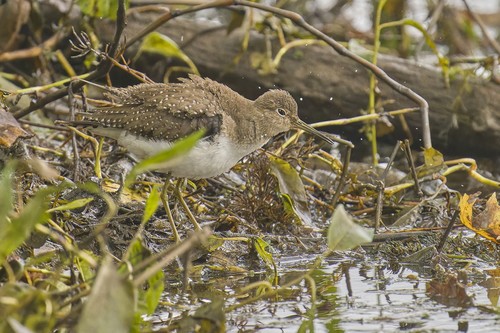
Solitary Sandpiper
19-23 cm (7.5-9 in) long, 50-56 cm wingspan
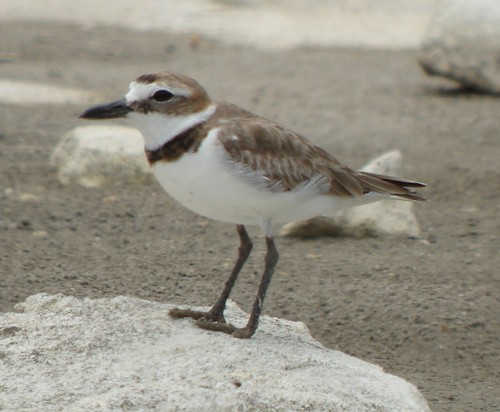
Wilson's Plover
17-19 cm (6.7-7.5 in) long, 45-50 cm wingspan
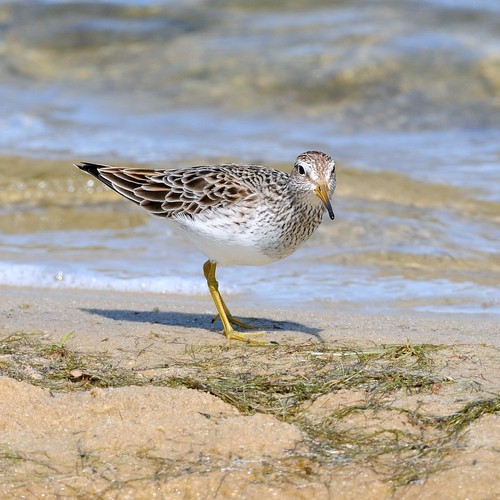
Pectoral Sandpiper
19-23 cm (7.5-9 in) long, 43-49 cm wingspan
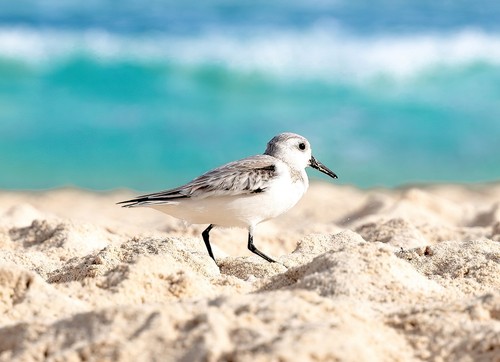
Sanderling
18-20 cm (7-8 in) long, 40-43 cm wingspan