
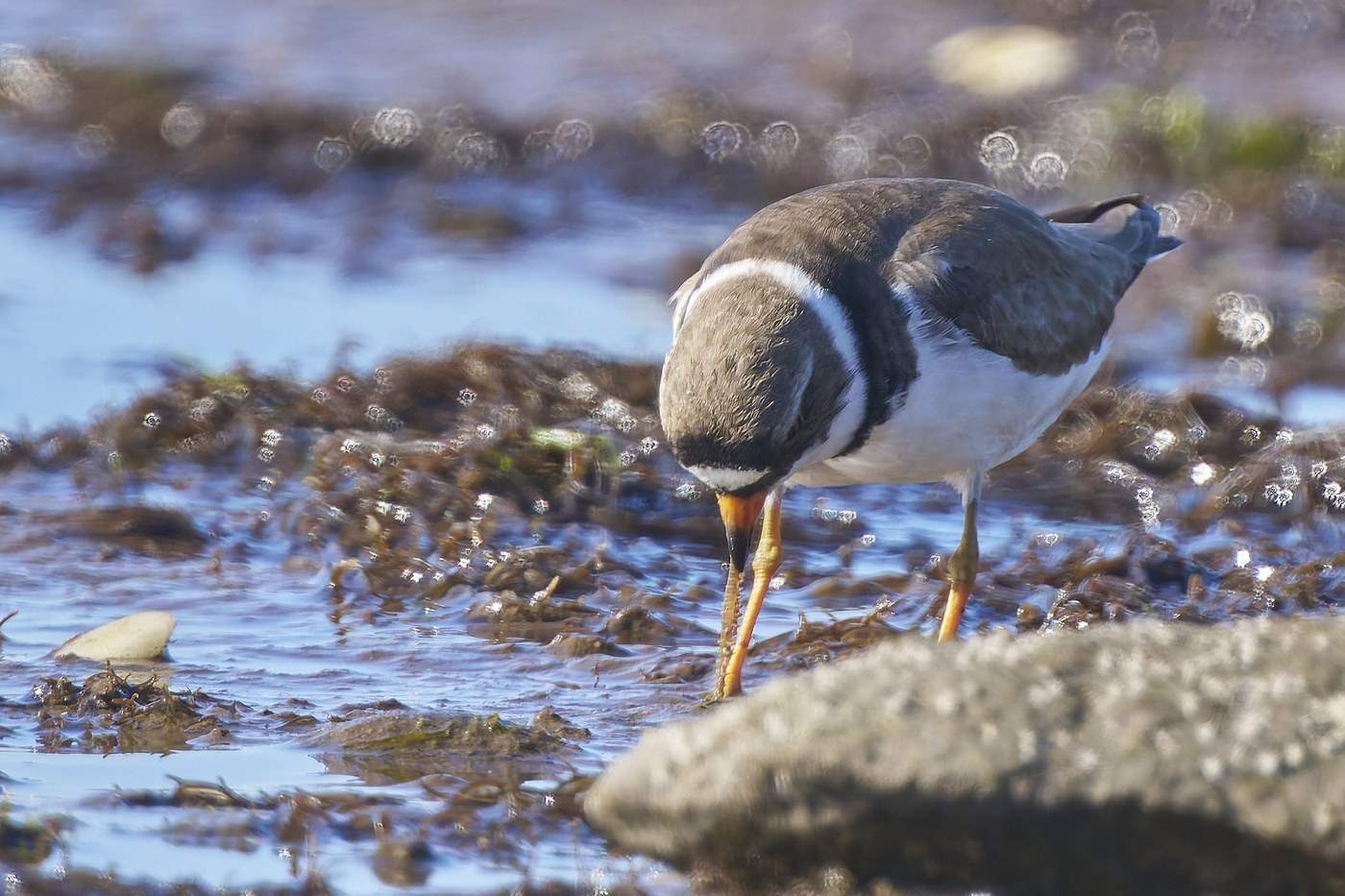
Semipalmated Plover
Charadrius semipalmatus
A small, compact plover with a single black breast band and orange legs, common on beaches and mudflats throughout the Americas during migration.
- Size
- 17-19 cm (6.5-7.5 in) long, wingspan 43-49 cm
- Habitat
- tundra for breeding, and sandy or muddy shorelines, beaches, and mudflats during migration and winter, across the Americas
- Type
- shorebird
Spotted a bird like this?
Identify any bird from a photo, free.
Overview
The Semipalmated Plover is a small, dumpy plover with brown upperparts, white underparts, a single black breast band, and a stubby orange-and-black bill. Its name comes from the partial ('semi') webbing between its toes, a feature shared with the similarly named Semipalmated Sandpiper.
One of the most common small plovers seen on beaches and mudflats throughout the Americas during migration, it breeds far to the north on Arctic and subarctic tundra.
How to identify it
Key field marks
- Single black breast band
- Brown back, white forehead and collar
- Short orange-based bill with a black tip
- Orange-yellow legs
Similar species
The Killdeer has two breast bands and is noticeably larger. The Common Ringed Plover of the Old World is nearly identical, best distinguished by range, voice, and subtle bill and eye-ring differences. The Piping Plover is much paler overall.
Habitat & range
Habitat
Breeds on open tundra and gravel riverbanks; during migration and winter, uses sandy and muddy beaches, mudflats, and estuaries.
Range and migration
Breeds across northern Canada and Alaska. Migrates through and winters along the coasts of the United States south through Central America and into South America.
Behavior & voice
Behavior
Forages with a characteristic run-stop-peck technique, picking small invertebrates from wet sand or mud; often forms flocks, sometimes mixed with other small shorebirds, during migration.
Voice
A soft, whistled 'chu-wee' call.
Feeding
Small invertebrates including insects, worms, and tiny crustaceans.
Nesting and breeding
Nests on the ground in a simple scrape on tundra or gravel, relying on cryptic egg coloration for camouflage.
Frequently asked questions
What does 'semipalmated' mean?
It refers to the partial webbing between the bird's toes, a feature shared with the similarly named Semipalmated Sandpiper.
How can you tell a Semipalmated Plover from a Killdeer?
The Semipalmated Plover has a single black breast band and is noticeably smaller, while the Killdeer has two bands.
How is the Semipalmated Plover different from the Common Ringed Plover?
The two species are very similar in appearance; they are best distinguished by range, voice, and subtle bill and eye-ring differences, since Semipalmated breeds in the Americas and Common Ringed Plover in Eurasia.
Where does the Semipalmated Plover breed?
On open tundra and gravel riverbanks across northern Canada and Alaska.
What do Semipalmated Plovers eat?
Small invertebrates such as insects, worms, and tiny crustaceans picked from sand or mud.
Semipalmated Plover guides
In-depth guides for identifying, finding, and understanding Semipalmated Plover.
Other birds you may enjoy
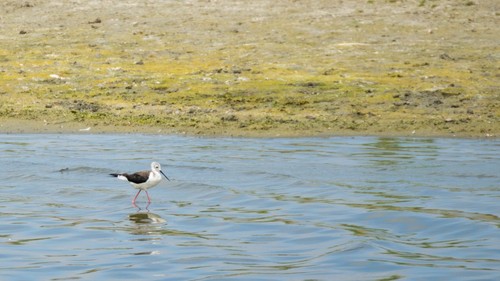
Black-winged Stilt
33-36 cm (13-14 in) long, wingspan 67-83 cm
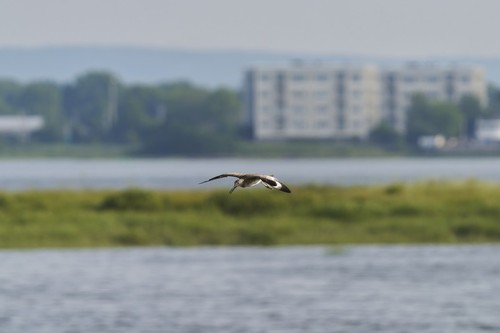
Willet
33-41 cm (13-16 in) long, 65-70 cm wingspan
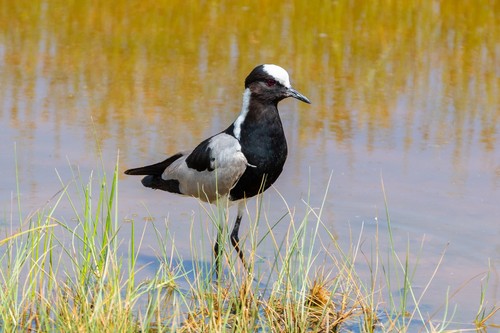
Blacksmith Lapwing
Body length about 30 cm; wingspan 55-65 cm
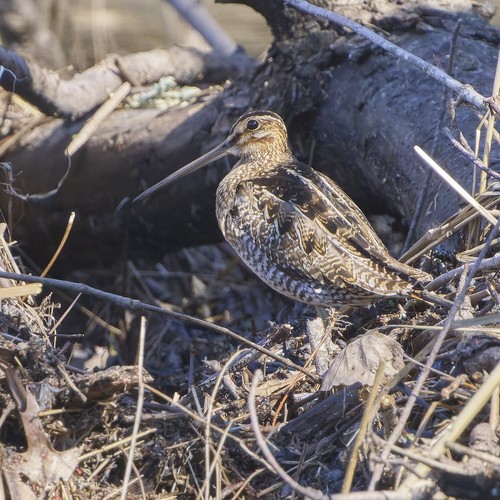
Wilson's Snipe
25-30 cm (10-12 in) long, 39-45 cm wingspan
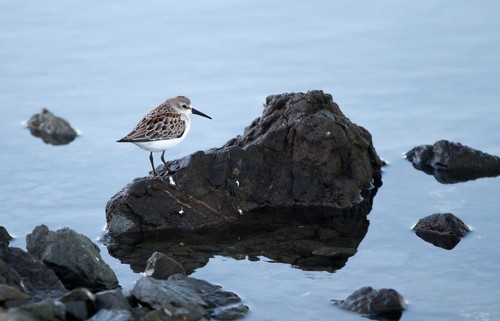
Western Sandpiper
14-17 cm (5.5-6.7 in) long, 28-37 cm wingspan
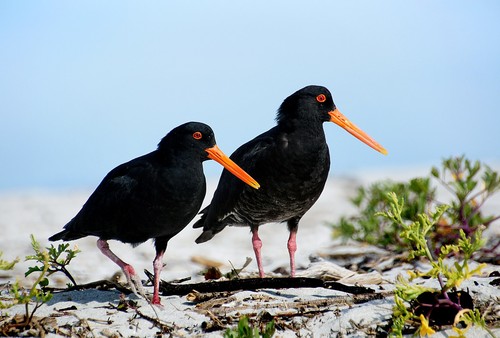
Variable Oystercatcher
46-49 cm (18-19 in) long
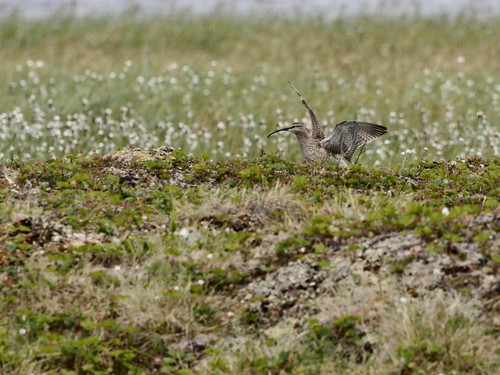
Whimbrel
40-46 cm (16-18 in) long, 76-89 cm wingspan
Wilson's Phalarope
22-24 cm (8.5-9.5 in) long, 37-43 cm wingspan
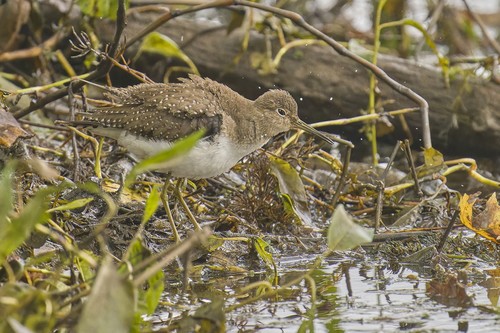
Solitary Sandpiper
19-23 cm (7.5-9 in) long, 50-56 cm wingspan
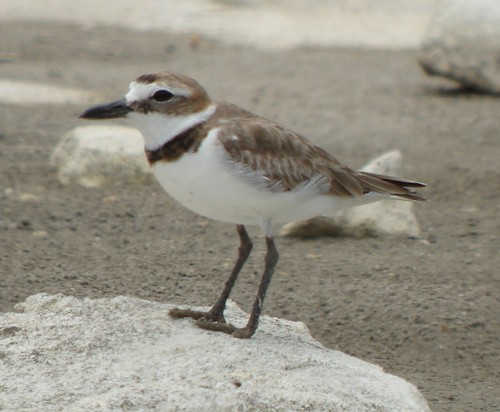
Wilson's Plover
17-19 cm (6.7-7.5 in) long, 45-50 cm wingspan
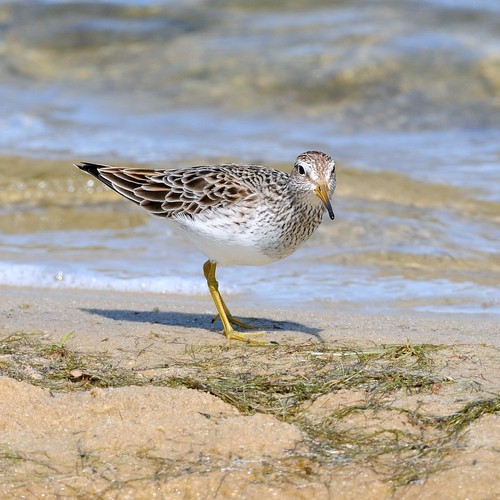
Pectoral Sandpiper
19-23 cm (7.5-9 in) long, 43-49 cm wingspan
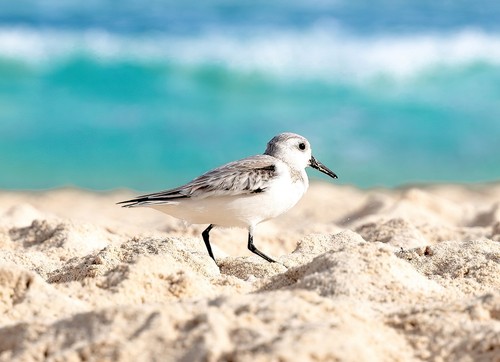
Sanderling
18-20 cm (7-8 in) long, 40-43 cm wingspan