
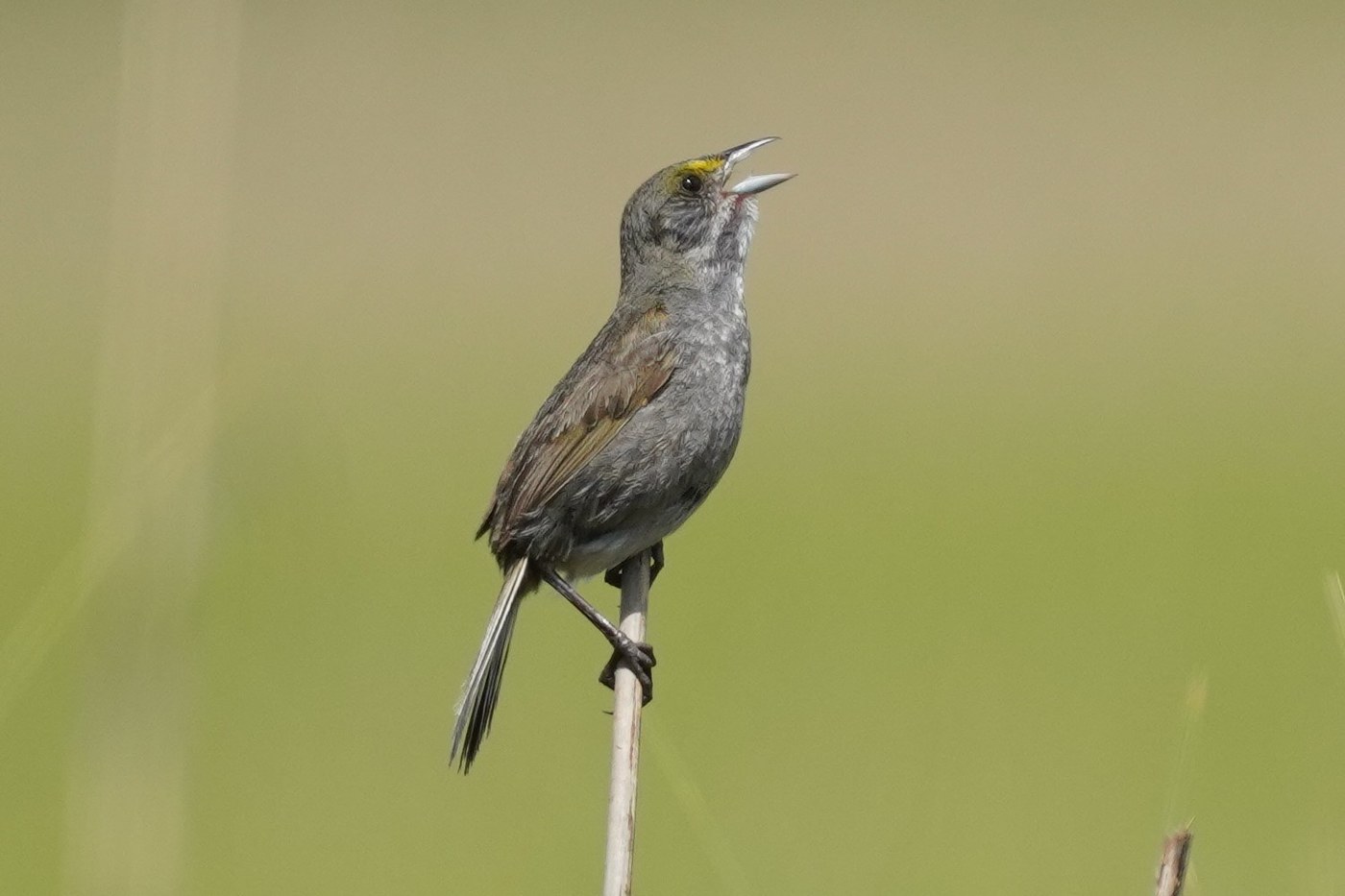
Seaside Sparrow
Ammospiza maritima
A large, dark, long-billed sparrow that never leaves the tidal salt marshes of the Atlantic and Gulf coasts.
- Size
- 15-16 cm (6 in) long, about 21 cm (8.3 in) wingspan
- Habitat
- Atlantic and Gulf Coast tidal salt marshes
- Type
- songbird
Spotted a bird like this?
Identify any bird from a photo, free.
Overview
The Seaside Sparrow is a robust, dark-toned sparrow that is a true year-round resident of coastal salt marsh, rarely if ever venturing beyond the reach of the tides. It is the largest of the marsh-dwelling Ammospiza sparrows and one of the most habitat-restricted songbirds in North America.
Adults are dark olive-gray overall with grayish streaking on the underparts, a long, spike-like bill well suited to probing marsh mud, and a distinctive small yellow spot in front of the eye (the supraloral area). Coloration varies noticeably among regional populations, with some Gulf Coast subspecies appearing notably darker or grayer than Atlantic Coast birds.
The species includes several distinctive subspecies, some of which have become critically rare as coastal marshes have been drained, diked, or lost to development; the Dusky Seaside Sparrow of Florida, an especially distinctive subspecies, went extinct in 1987 after its marsh habitat was flooded and altered for mosquito control and development.
How to identify it
Key Field Marks
- Large size and long, heavy, spike-like bill for a sparrow
- Dark olive-gray overall coloring, darker than most other sparrows
- Small yellow spot in front of the eye (supraloral)
- Grayish, somewhat blurry streaking on the underparts
Similar Species
- Saltmarsh Sparrow: smaller, with a bright orange face and crisper black streaking, lacking the yellow supraloral spot
- Nelson's Sparrow: also smaller with an orange facial triangle, unlike the plain dark face of the Seaside Sparrow
Size, dark overall tone, and the heavy bill are the most reliable distinguishing features from the smaller, brighter Ammospiza sparrows it can share marsh habitat with in winter.
Habitat & range
Seaside Sparrows are found exclusively in tidal salt marshes along the Atlantic Coast from New England to Florida and along the Gulf Coast to Texas, favoring marshes dominated by smooth cordgrass and black needlerush. The species is non-migratory across most of its range, with birds remaining on or near the same marsh year-round.
Because the species is entirely dependent on coastal salt marsh, its populations are sensitive to marsh loss from development, diking, pollution, and sea level rise, and several geographically isolated subspecies have very small, localized ranges that make them especially vulnerable.
Behavior & voice
Behavior
Seaside Sparrows forage by walking and probing in mud and low marsh vegetation, often near the marsh edge, and can be quite tame where accustomed to people, though they generally stay low in the grass.
Voice
The song is a buzzy, insect-like series often rendered as 'cut-cut-cutcutcut-zheeeeee,' typically delivered from a low perch on a marsh grass stem.
Feeding
Diet includes insects, small crustaceans such as fiddler crabs and amphipods, other marine invertebrates, and seeds, reflecting its close ties to the productive tidal marsh ecosystem.
Nesting and Breeding
Nests are built low in dense marsh grass, often just above the high tide line, as a cup woven from grasses. Clutches typically contain 2-5 pale, spotted eggs, and nests remain vulnerable to flooding during unusually high tides.
Frequently asked questions
Where does the Seaside Sparrow live?
It lives year-round in tidal salt marshes along the Atlantic Coast from New England to Florida and along the Gulf Coast to Texas.
How do you identify a Seaside Sparrow?
Look for a large, dark olive-gray sparrow with a long, heavy bill and a small yellow spot in front of the eye.
What happened to the Dusky Seaside Sparrow?
This distinctive Florida subspecies went extinct in 1987 after its marsh habitat was altered and flooded for mosquito control and development.
Does the Seaside Sparrow migrate?
Most populations are non-migratory and remain on the same marsh year-round.
What does the Seaside Sparrow eat?
It eats insects, small crustaceans like fiddler crabs, other marine invertebrates, and seeds found in the salt marsh.
Seaside Sparrow guides
In-depth guides for identifying, finding, and understanding Seaside Sparrow.
Other birds you may enjoy
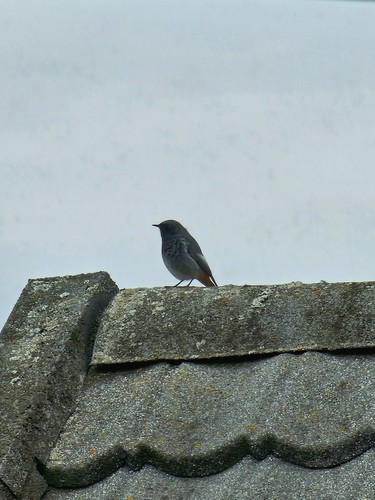
Black Redstart
13-14.5 cm (5.1-5.7 in) long, 23-26 cm wingspan
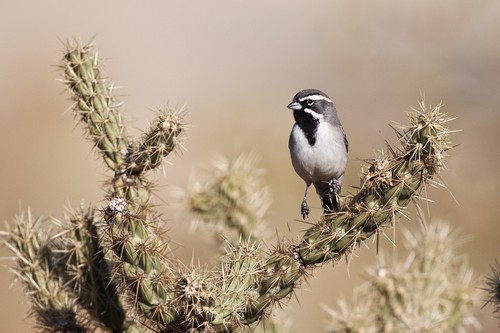
Black-throated Sparrow
12-14 cm (4.7-5.5 in) long, about 19-20 cm (7.5-8 in) wingspan
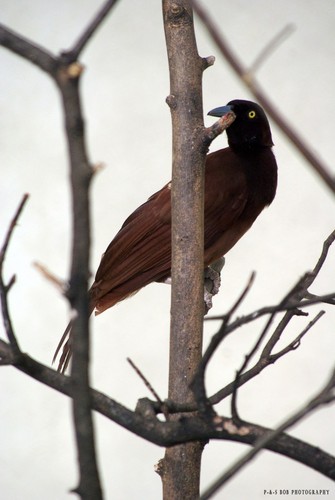
Greater Bird-of-paradise
Body about 43 cm; males with additional flank plumes up to 50 cm and long tail wires
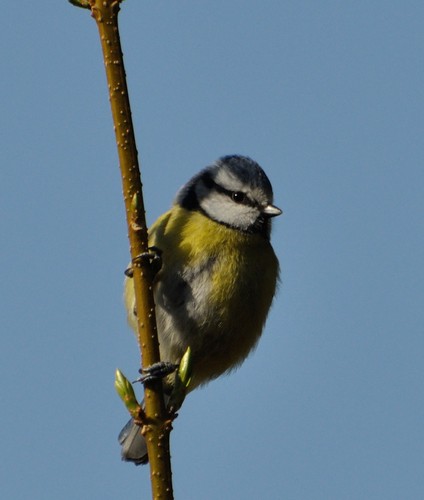
Blue Tit
11-12 cm (4.3-4.7 in) long, 17-20 cm wingspan
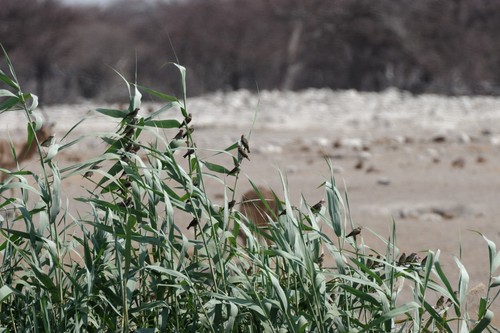
Red-billed Quelea
11.5–13 cm long, wingspan about 20–22 cm
White-plumed Antbird
13-14 cm (5-5.5 in) long
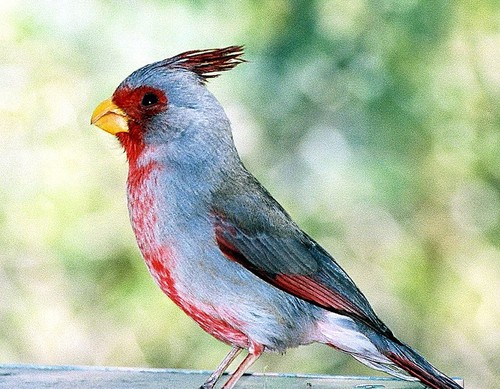
Pyrrhuloxia
19-22 cm (7.5-8.7 in) long, 30 cm wingspan
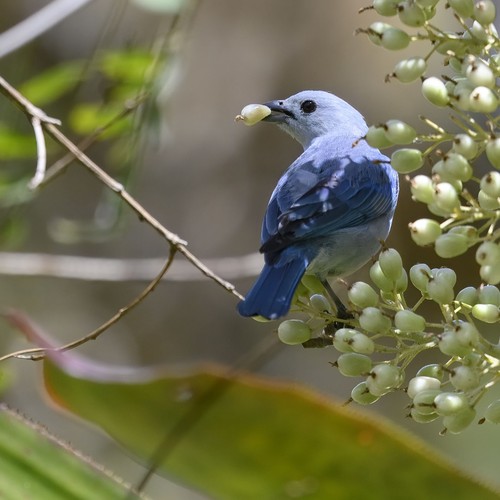
Blue-gray Tanager
16-18 cm (6-7 in) long
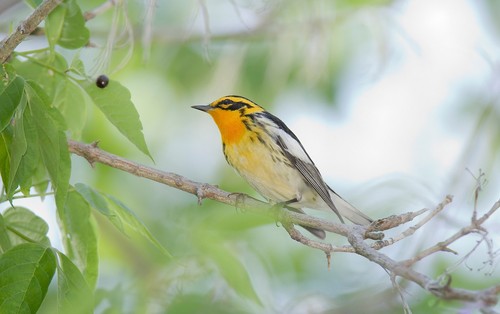
Blackburnian Warbler
11-13 cm (4.3-5.1 in) long, 20-22 cm wingspan
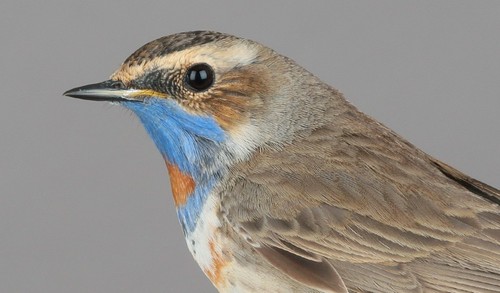
Bluethroat
13-14 cm (5.1-5.5 in) long, 20-22 cm wingspan
Eurasian Nuthatch
12-14.5 cm (4.7-5.7 in) long, 22.5-27 cm wingspan
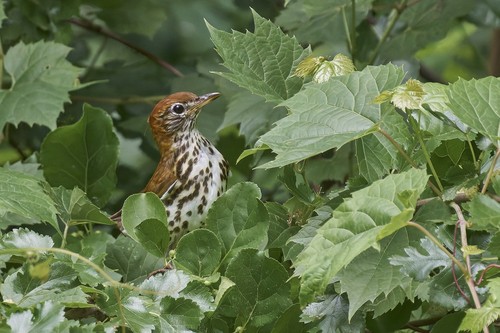
Wood Thrush
19-21 cm (7.5-8.3 in) long, about 33 cm (13 in) wingspan