
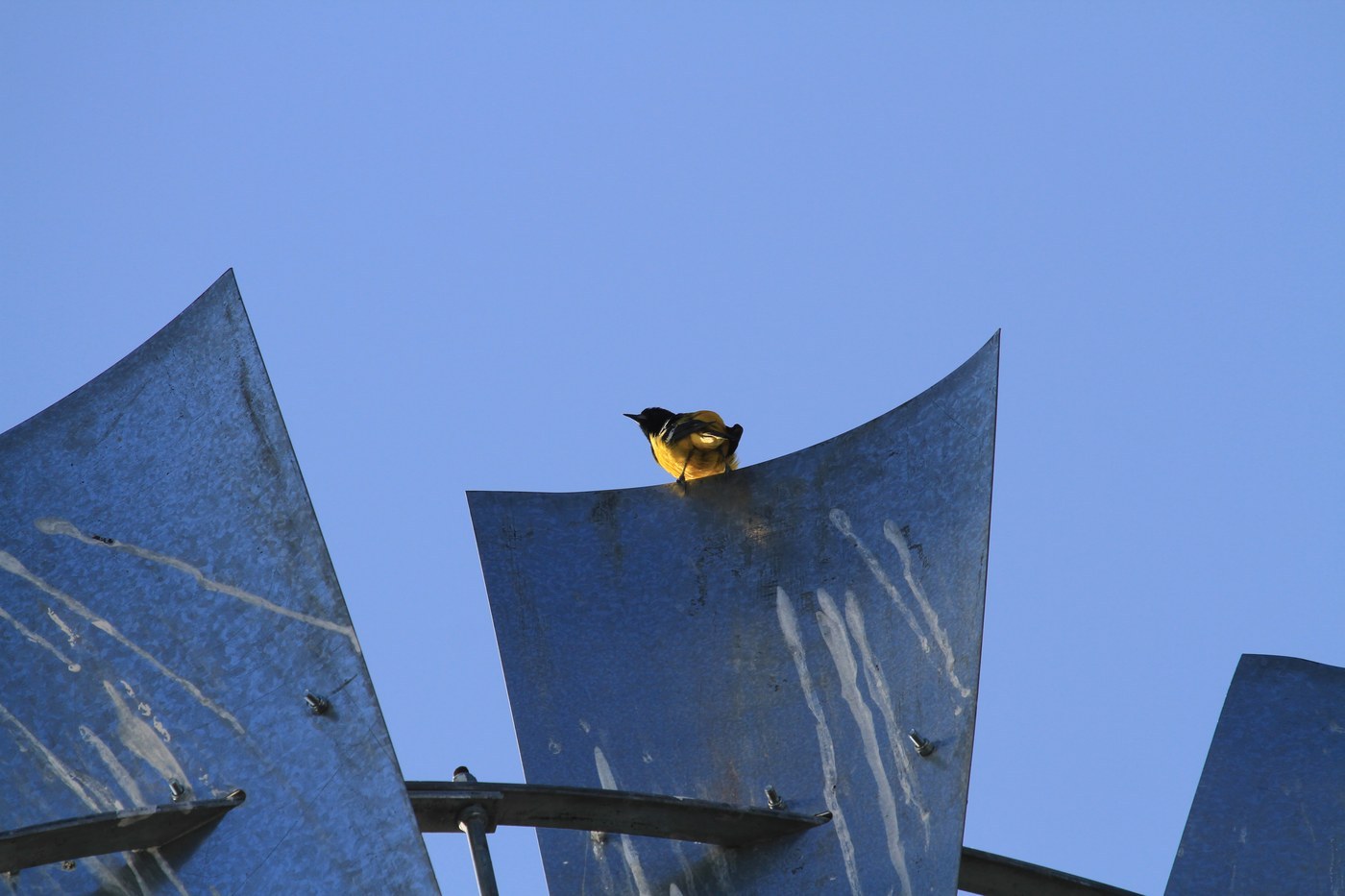
Scott's Oriole
Icterus parisorum
A yucca-loving oriole of the arid Southwest, with males showing lemon-yellow underparts contrasting against a solid black head and back.
- Size
- 20-24 cm (8-9.5 in) long, 30 cm wingspan
- Habitat
- arid mountains, desert grasslands, and yucca- or agave-dotted foothills
- Type
- songbird
Spotted a bird like this?
Identify any bird from a photo, free.
Overview
Scott's Oriole is a striking oriole of arid, mountainous terrain in the southwestern United States and Mexico, closely associated with yuccas and agaves, which it uses heavily for nesting and foraging. Adult males have a solid black head, throat, back, and tail contrasting sharply with lemon-yellow underparts, rump, and shoulder patch, along with a white wingbar. Females are more subdued, olive-yellow with variable dusky streaking on the back and a less strongly contrasting head pattern.
Named after American general Winfield Scott by ornithologist Darius Couch, this oriole favors dry, rocky slopes studded with yucca, agave, and desert scrub, often at higher elevations than other southwestern orioles, and its bold whistled song is a characteristic sound of the desert foothills.
How to identify it
Key Field Marks
- Adult male: solid black head, throat, upper back and tail; bright lemon-yellow underparts, rump, and shoulder patch; white wingbar
- Female: olive-yellow with dusky streaking on the back, less contrasting head
- Fairly long, straight, sharply pointed bill
- Often perches on yucca stalks or agave flower spikes
Similar Species
- Bullock's Oriole and Hooded Oriole males are orange, not yellow, distinguishing them readily from Scott's Oriole.
- Audubon's Oriole is also yellow-and-black but has a solid black hood extending further down and lacks the sharply demarcated black back/yellow rump pattern; ranges barely overlap in south Texas.
Habitat & range
Habitat
Scott's Oriole favors arid, rocky foothills and mountain slopes with yucca, agave, and desert scrub, typically at moderate elevations in desert mountain ranges.
Range
Breeds across the desert Southwest, including parts of California, Nevada, Utah, Arizona, New Mexico, and Texas, south through the highlands of Mexico.
Migration
Most populations migrate short distances, moving into Mexico for the winter, though some individuals in the mildest parts of the range may remain resident.
Behavior & voice
Behavior
Scott's Orioles often perch conspicuously atop yucca stalks to sing, and forage by probing flowers and gleaning insects from desert vegetation.
Voice
The song is a rich, whistled series of clear notes, often compared in quality to a Western Meadowlark's song; calls include a sharp, chattering note.
Feeding
Feeds on insects, nectar from agave and other desert flowers, and fruit, playing an important role as a pollinator of some desert plants.
Nesting & Breeding
The female weaves a hanging nest, often suspended from the underside of a yucca leaf or in a tree, using yucca fibers and grass. She incubates 3-4 eggs alone.
Frequently asked questions
Why is Scott's Oriole associated with yuccas?
Scott's Orioles rely heavily on yucca and agave plants for nesting material, nest placement, singing perches, and nectar, making these plants a defining feature of its desert habitat.
How is Scott's Oriole different from other yellow-and-black orioles?
Scott's Oriole has a solid black head, throat, and back sharply demarcated from bright yellow underparts and rump, distinguishing it from the more orange Bullock's and Hooded Orioles.
Who was Scott's Oriole named after?
It was named in honor of American general Winfield Scott by the ornithologist who first described it.
Where can you find Scott's Oriole?
It lives in arid, rocky foothills and mountain slopes of the southwestern United States and Mexico, typically where yucca and agave are common.
Scott's Oriole guides
In-depth guides for identifying, finding, and understanding Scott's Oriole.
Other birds you may enjoy
Black Redstart
13-14.5 cm (5.1-5.7 in) long, 23-26 cm wingspan
Black-throated Sparrow
12-14 cm (4.7-5.5 in) long, about 19-20 cm (7.5-8 in) wingspan
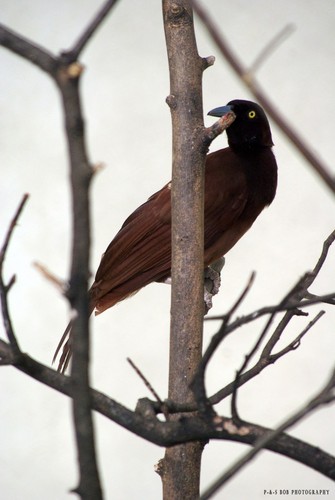
Greater Bird-of-paradise
Body about 43 cm; males with additional flank plumes up to 50 cm and long tail wires
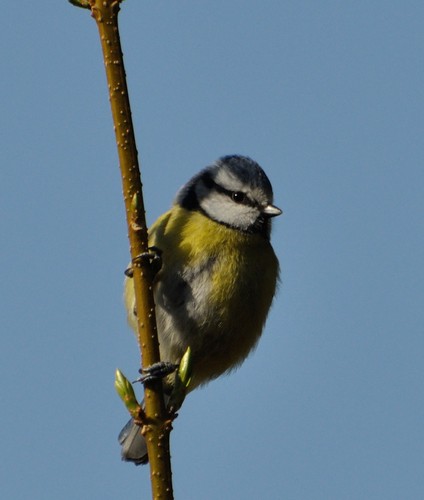
Blue Tit
11-12 cm (4.3-4.7 in) long, 17-20 cm wingspan
Red-billed Quelea
11.5–13 cm long, wingspan about 20–22 cm
White-plumed Antbird
13-14 cm (5-5.5 in) long
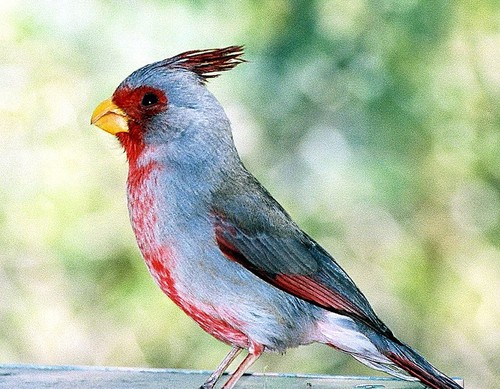
Pyrrhuloxia
19-22 cm (7.5-8.7 in) long, 30 cm wingspan
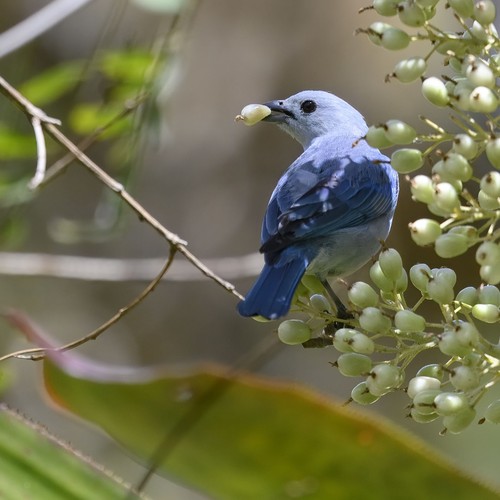
Blue-gray Tanager
16-18 cm (6-7 in) long
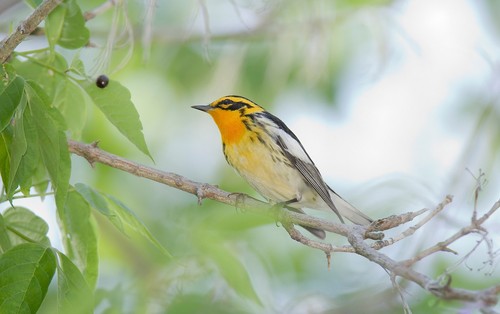
Blackburnian Warbler
11-13 cm (4.3-5.1 in) long, 20-22 cm wingspan
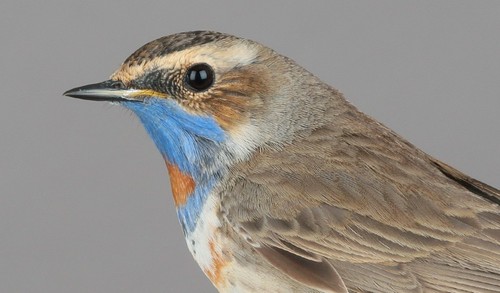
Bluethroat
13-14 cm (5.1-5.5 in) long, 20-22 cm wingspan
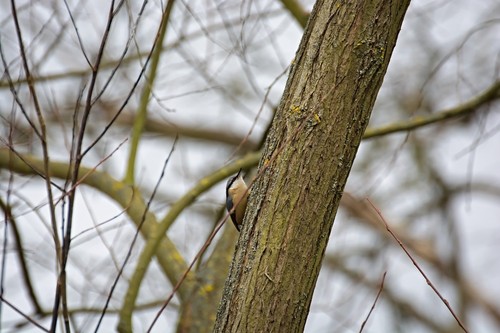
Eurasian Nuthatch
12-14.5 cm (4.7-5.7 in) long, 22.5-27 cm wingspan
Wood Thrush
19-21 cm (7.5-8.3 in) long, about 33 cm (13 in) wingspan