
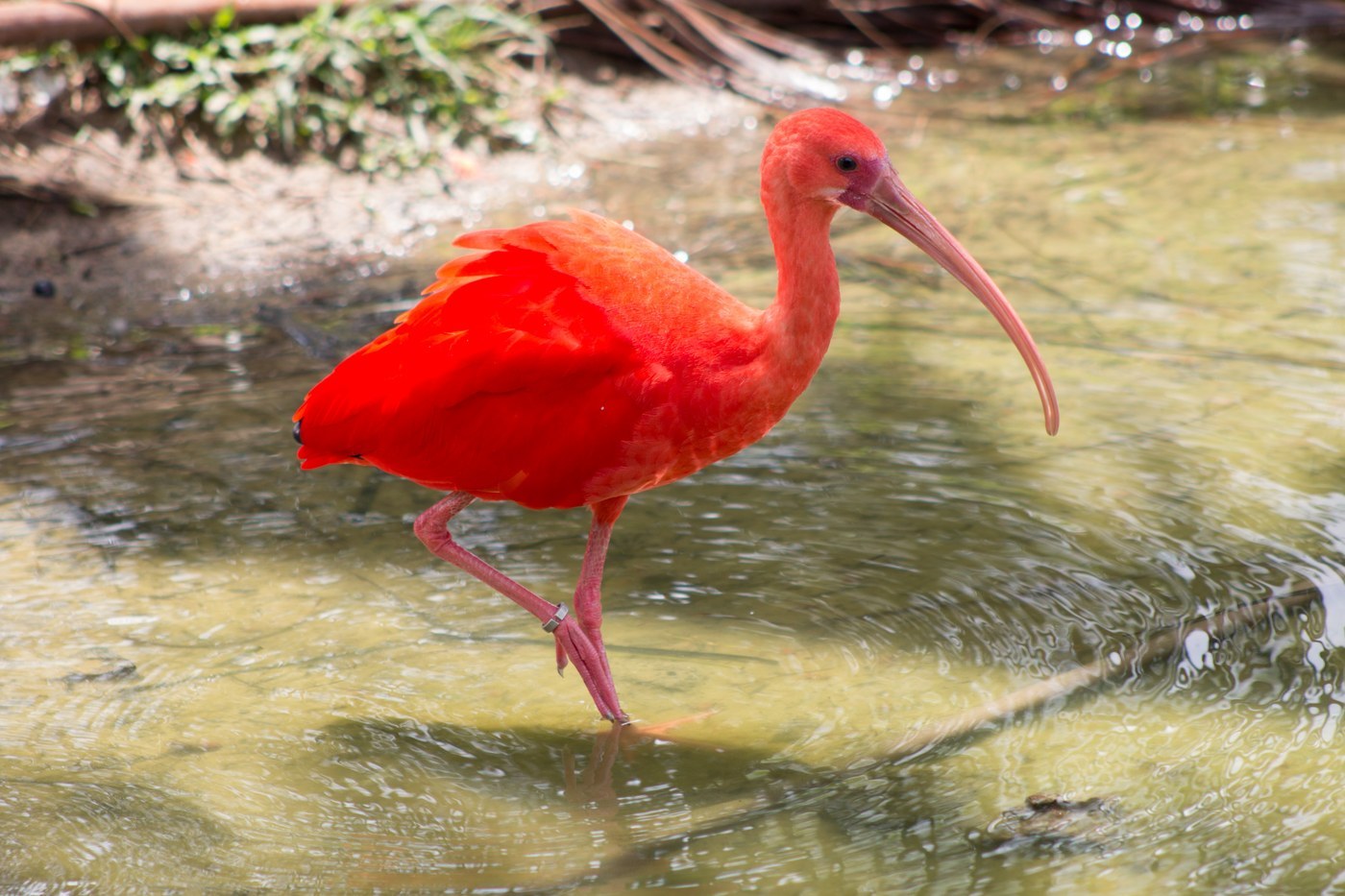
Scarlet Ibis
Eudocimus ruber
A brilliant, all-scarlet wading bird of South American mangroves, its vivid color built directly from the crustaceans it eats.
- Size
- 55-63 cm (22-25 in) long
- Habitat
- coastal mangroves, mudflats, and wetlands of northern South America and the Caribbean
- Type
- wading-bird
Spotted a bird like this?
Identify any bird from a photo, free.
Overview
The Scarlet Ibis is one of the most vividly colored birds in the Americas, with adults sporting an almost uniform, brilliant scarlet-red plumage set off only by black tips on the outer wing feathers. Its long, down-curved bill is typically dark or blackish, and its legs are red like the rest of the body.
The intense red coloration comes from carotenoid pigments in the crustaceans that make up much of its diet; birds raised on a carotenoid-poor diet, such as in some captive settings, can appear noticeably paler. Young birds are grey and white, gradually acquiring the full scarlet plumage over about two years.
How to identify it
Key field marks
- Overall brilliant scarlet-red plumage with black wingtips
- Long, down-curved dark bill
- Red legs
- Juveniles grey-brown, gradually turning red with age
Similar species
The White Ibis is its closest relative and shares the same curved-bill shape and black wingtips, but is white rather than red; the two species can hybridize where their ranges meet, occasionally producing pink or blotchy intermediate birds.
Habitat & range
Habitat
Scarlet Ibis favor coastal mangroves, mudflats, and estuarine wetlands, particularly around river deltas and coastal lagoons.
Range and migration
The species is native to northern South America, including Venezuela, Trinidad, the Guianas, and northern Brazil, with populations largely resident, though flocks may move locally in response to water levels and food availability.
Behavior & voice
Behavior
Highly gregarious, Scarlet Ibis forage, roost, and fly in tight flocks, and their communal roosts at dusk, when hundreds of birds settle into mangrove trees, create one of the most striking wildlife spectacles in South America.
Voice
A harsh, grunting croak, given mainly at roosts and colonies, similar to other ibis species.
Feeding
It probes mud and shallow water with its curved bill for crabs, shrimp, and mollusks, whose carotenoid pigments give the bird its signature color.
Nesting and breeding
Scarlet Ibis nest colonially in mangroves, often alongside other wading birds, laying clutches of 2-4 eggs in stick nests built over water.
Frequently asked questions
Why is the Scarlet Ibis so red?
Its bright red color comes from carotenoid pigments obtained from the crustaceans and shellfish it eats.
Where do Scarlet Ibis live?
In coastal mangroves and wetlands of northern South America, especially Venezuela, Trinidad, and the Guianas.
Are Scarlet Ibis born red?
No, chicks and juveniles are grey and white, gradually developing full scarlet plumage over about two years.
Is the Scarlet Ibis related to the White Ibis?
Yes, they are close relatives and can occasionally hybridize where their ranges overlap.
Scarlet Ibis guides
In-depth guides for identifying, finding, and understanding Scarlet Ibis.
Other birds you may enjoy
Demoiselle Crane
85-100 cm (33-39 in) long, 155-180 cm wingspan
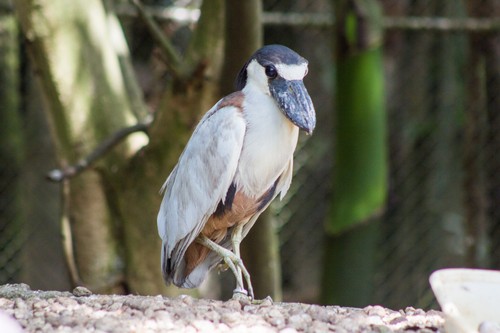
Boat-billed Heron
41-56 cm (16-22 in) long
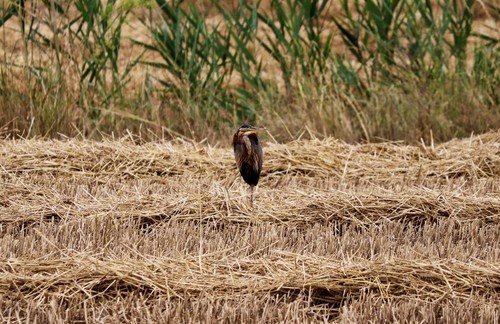
Purple Heron
78-90 cm (31-35 in) long, 120-152 cm wingspan
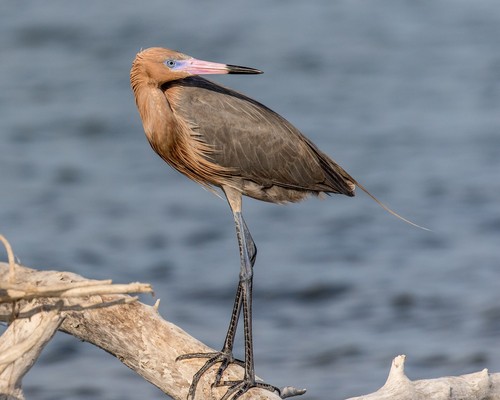
Reddish Egret
68-82 cm (27-32 in) long, 116-125 cm wingspan
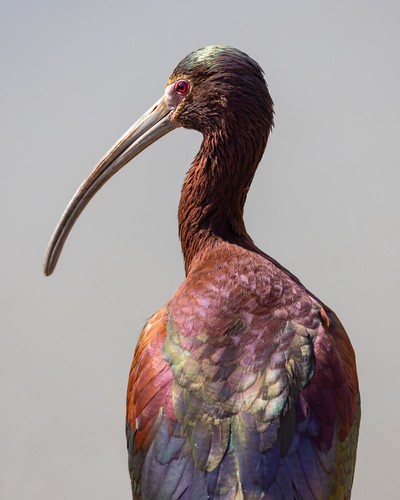
White-faced Ibis
46-56 cm (18-22 in) long, 88-93 cm wingspan
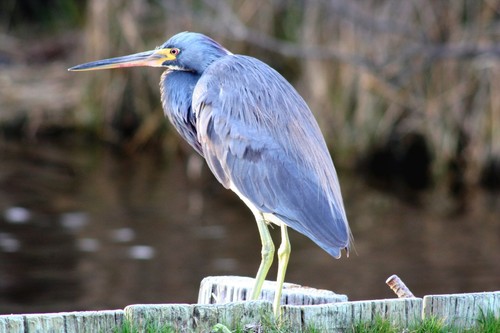
Tricolored Heron
61-76 cm (24-30 in) long, about 96 cm wingspan
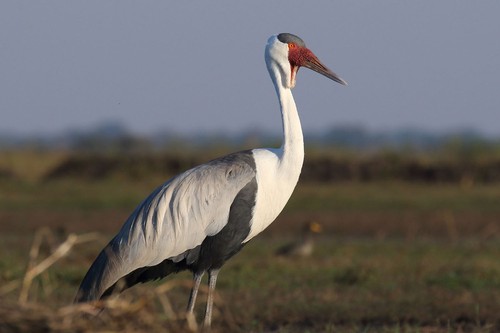
Wattled Crane
120-175 cm (47-69 in) tall, one of the tallest cranes, wingspan up to about 230 cm (7.5 ft)
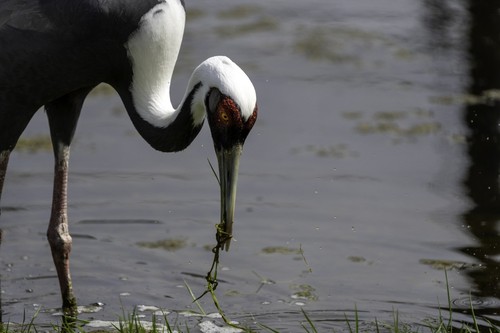
White-naped Crane
112-125 cm (44-49 in) long, 195-210 cm wingspan
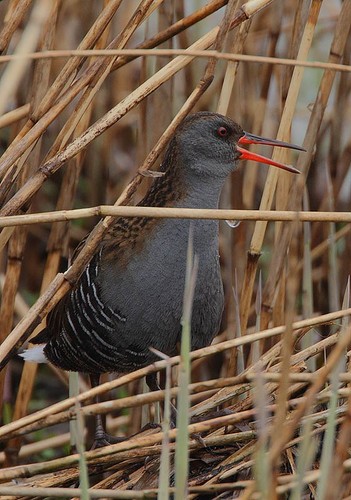
Water Rail
23-28 cm (9-11 in) long, wingspan 38-45 cm
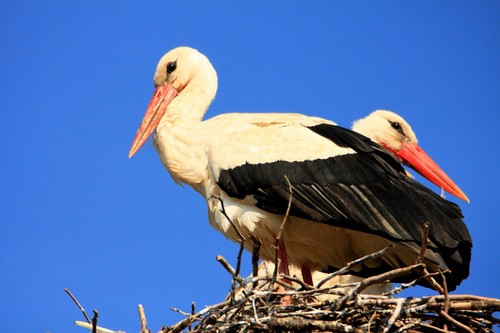
White Stork
100-125 cm (39-49 in) long, 155-215 cm wingspan
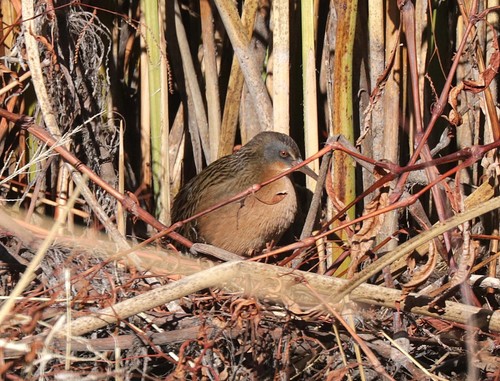
Virginia Rail
20-27 cm (8-11 in) long, wingspan 32-38 cm
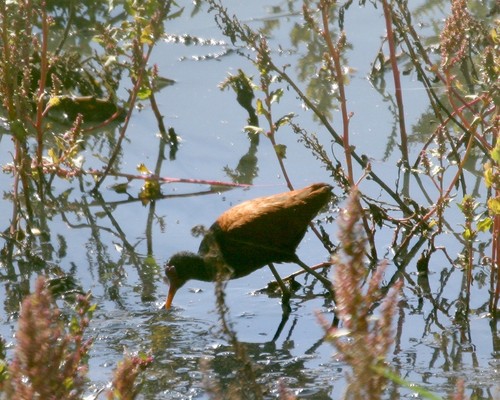
Wattled Jacana
17-23 cm (7-9 in) long