
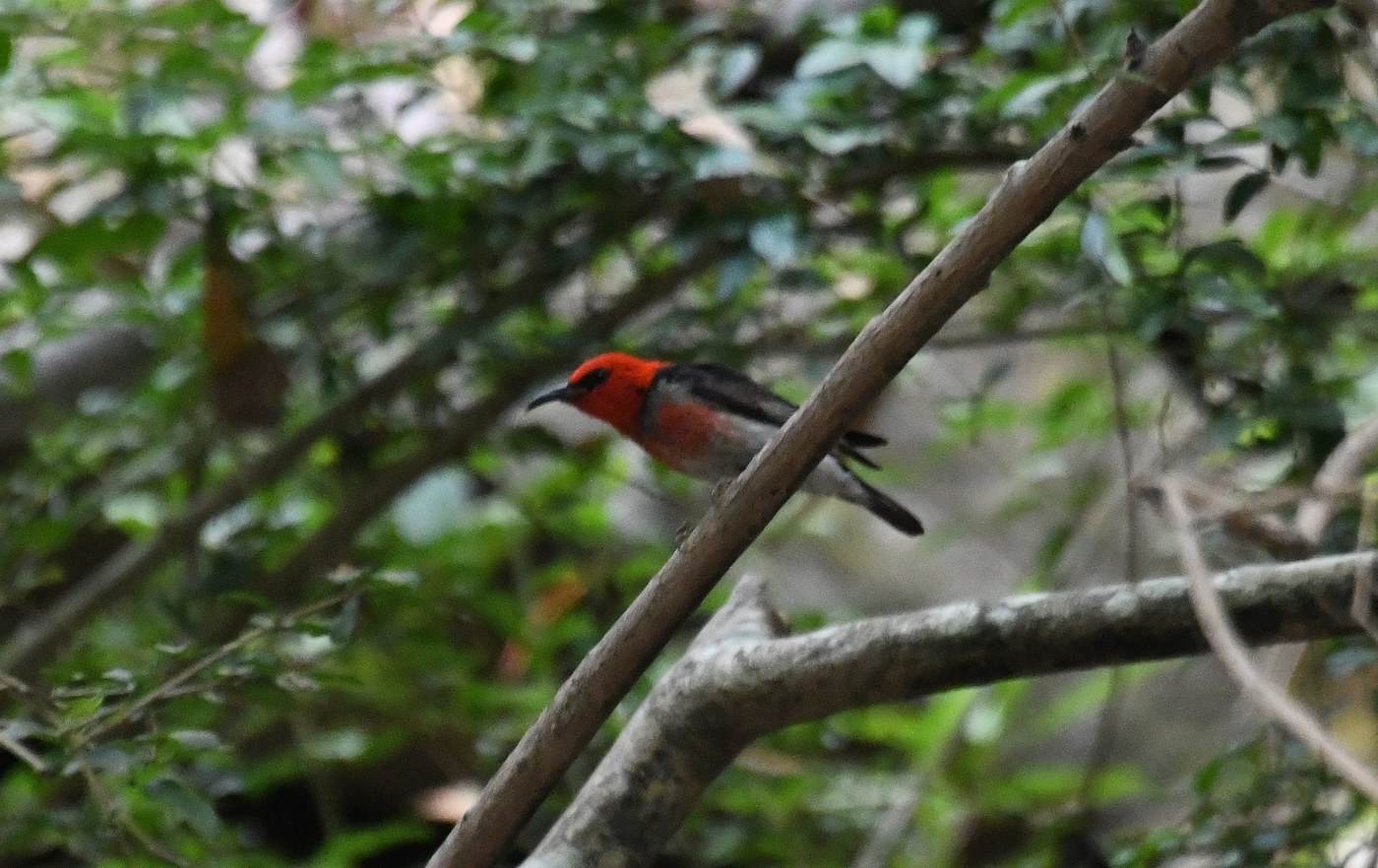
Scarlet Honeyeater
Myzomela sanguinolenta
A tiny, brilliant honeyeater in which the male is a vivid scarlet-red with black wings, one of the smallest and most colorful honeyeaters in Australia.
- Size
- 9-11 cm (3.5-4.3 in) long, 13-15 cm wingspan
- Habitat
- forests, woodlands, and gardens with flowering eucalypts
- Type
- songbird
Spotted a bird like this?
Identify any bird from a photo, free.
Overview
The Scarlet Honeyeater is a diminutive honeyeater, among the smallest in Australia, and the male is unmistakable with brilliant scarlet-red plumage covering the head, throat, and back, contrasting sharply with glossy black wings and tail. Females and immatures are far duller, mostly grey-brown above with a paler throat and a faint reddish wash sometimes present on the chin.
Despite its tiny size, the male's intense color makes it one of the most eye-catching birds of eastern Australian forests when perched in the outer canopy of a flowering eucalypt, though its small size and constant movement can still make it tricky to spot.
How to identify it
Key field marks
- Very small size, among the tiniest Australian honeyeaters
- Male: brilliant scarlet-red head, throat, and back with black wings and tail
- Female: dull grey-brown above, paler below, with little or no red
- Thin, sharply pointed bill suited to nectar feeding
Similar species
- Mistletoebird male is also small and red-and-black but has a glossy blue-black back and red confined to the throat and breast, with a stubby bill rather than a fine nectar-feeding bill.
- Female Scarlet Honeyeaters can be confused with other small brown honeyeaters but are told by their tiny size and fine bill.
Habitat & range
Habitat
Found in eucalypt forests, woodlands, coastal heath, and gardens, wherever flowering trees provide nectar.
Range
Occurs along the east coast of Australia from Cape York in far north Queensland south to Victoria, with occasional records further afield.
Migration
Partly migratory and nomadic, with southern populations generally moving north in winter to follow flowering eucalypts, while northern populations are more sedentary.
Behavior & voice
Behavior
Active and restless, moving quickly through the outer canopy of flowering trees; males are strongly territorial around good nectar sources and will chase off rivals.
Voice
A high, thin, tinkling song of sweet notes, along with sharp, high-pitched contact calls.
Feeding
Feeds almost entirely on nectar from flowering eucalypts and other native trees, supplemented with small insects caught on the wing or gleaned from foliage.
Nesting
Builds a tiny, delicate cup nest of fine plant material and spider web in the outer foliage of a tree or shrub; lays 2 small pale eggs with reddish speckling.
Frequently asked questions
How do you identify a Scarlet Honeyeater?
Look for a very small honeyeater with the male showing brilliant scarlet-red plumage on the head, throat, and back set against black wings; females are dull grey-brown.
How is the Scarlet Honeyeater different from the Mistletoebird?
The male Mistletoebird has a glossy blue-black back with red limited to the throat and breast and a stubby bill, while the male Scarlet Honeyeater is red over the head, throat, and back with a fine, pointed nectar-feeding bill.
What does a Scarlet Honeyeater eat?
Mainly nectar from flowering eucalypts and other native trees, plus small insects.
Where does the Scarlet Honeyeater live?
Along the east coast of Australia from Cape York in Queensland south to Victoria, in forests, woodlands, and gardens.
Scarlet Honeyeater guides
In-depth guides for identifying, finding, and understanding Scarlet Honeyeater.
Other birds you may enjoy
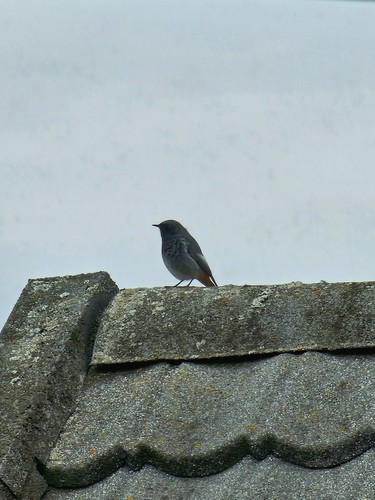
Black Redstart
13-14.5 cm (5.1-5.7 in) long, 23-26 cm wingspan
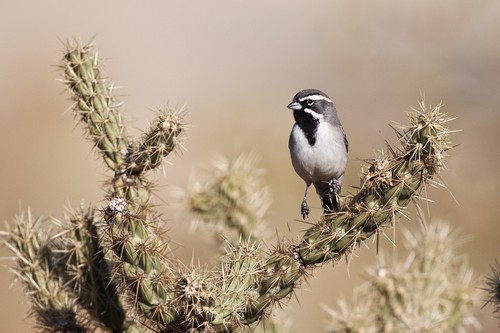
Black-throated Sparrow
12-14 cm (4.7-5.5 in) long, about 19-20 cm (7.5-8 in) wingspan
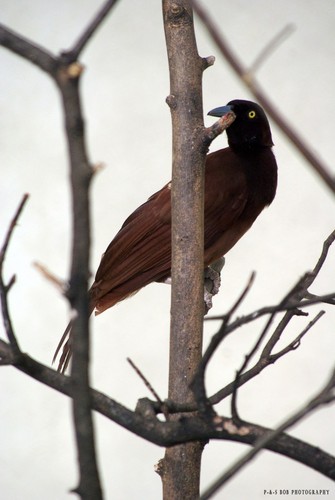
Greater Bird-of-paradise
Body about 43 cm; males with additional flank plumes up to 50 cm and long tail wires
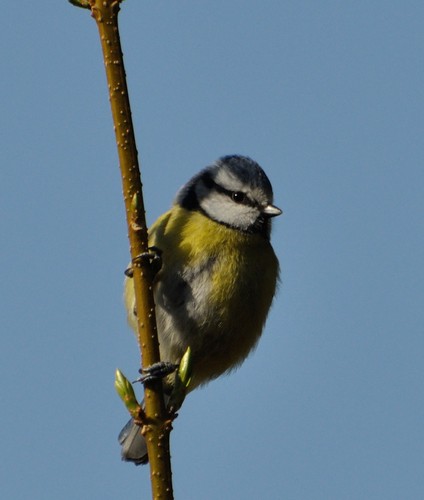
Blue Tit
11-12 cm (4.3-4.7 in) long, 17-20 cm wingspan
Red-billed Quelea
11.5–13 cm long, wingspan about 20–22 cm
White-plumed Antbird
13-14 cm (5-5.5 in) long
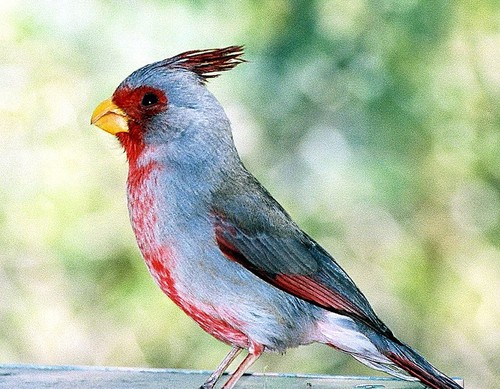
Pyrrhuloxia
19-22 cm (7.5-8.7 in) long, 30 cm wingspan
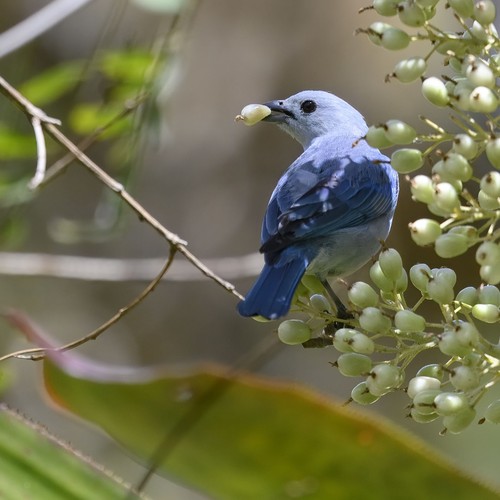
Blue-gray Tanager
16-18 cm (6-7 in) long
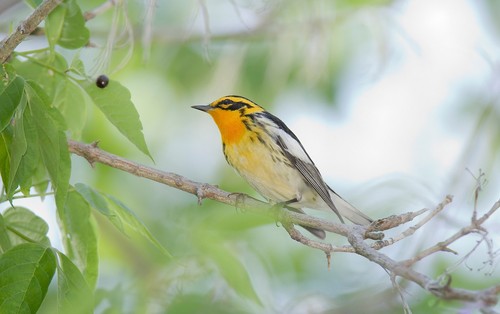
Blackburnian Warbler
11-13 cm (4.3-5.1 in) long, 20-22 cm wingspan
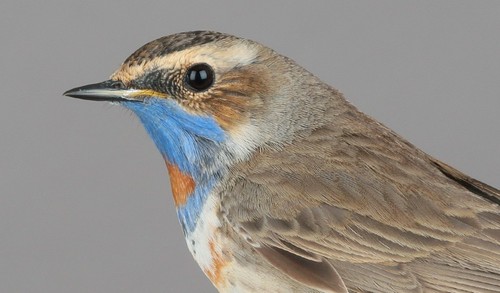
Bluethroat
13-14 cm (5.1-5.5 in) long, 20-22 cm wingspan
Eurasian Nuthatch
12-14.5 cm (4.7-5.7 in) long, 22.5-27 cm wingspan
Wood Thrush
19-21 cm (7.5-8.3 in) long, about 33 cm (13 in) wingspan