
Sarus Crane
Antigone antigone
The world's tallest flying bird, a grey crane with a bare red head and neck, revered in South Asian culture as a symbol of marital fidelity.
- Size
- 152-176 cm (60-69 in) long, 220-250 cm wingspan
- Habitat
- wetlands, marshes, and agricultural fields of South and Southeast Asia and Australia
- Type
- wading-bird
Spotted a bird like this?
Identify any bird from a photo, free.
Overview
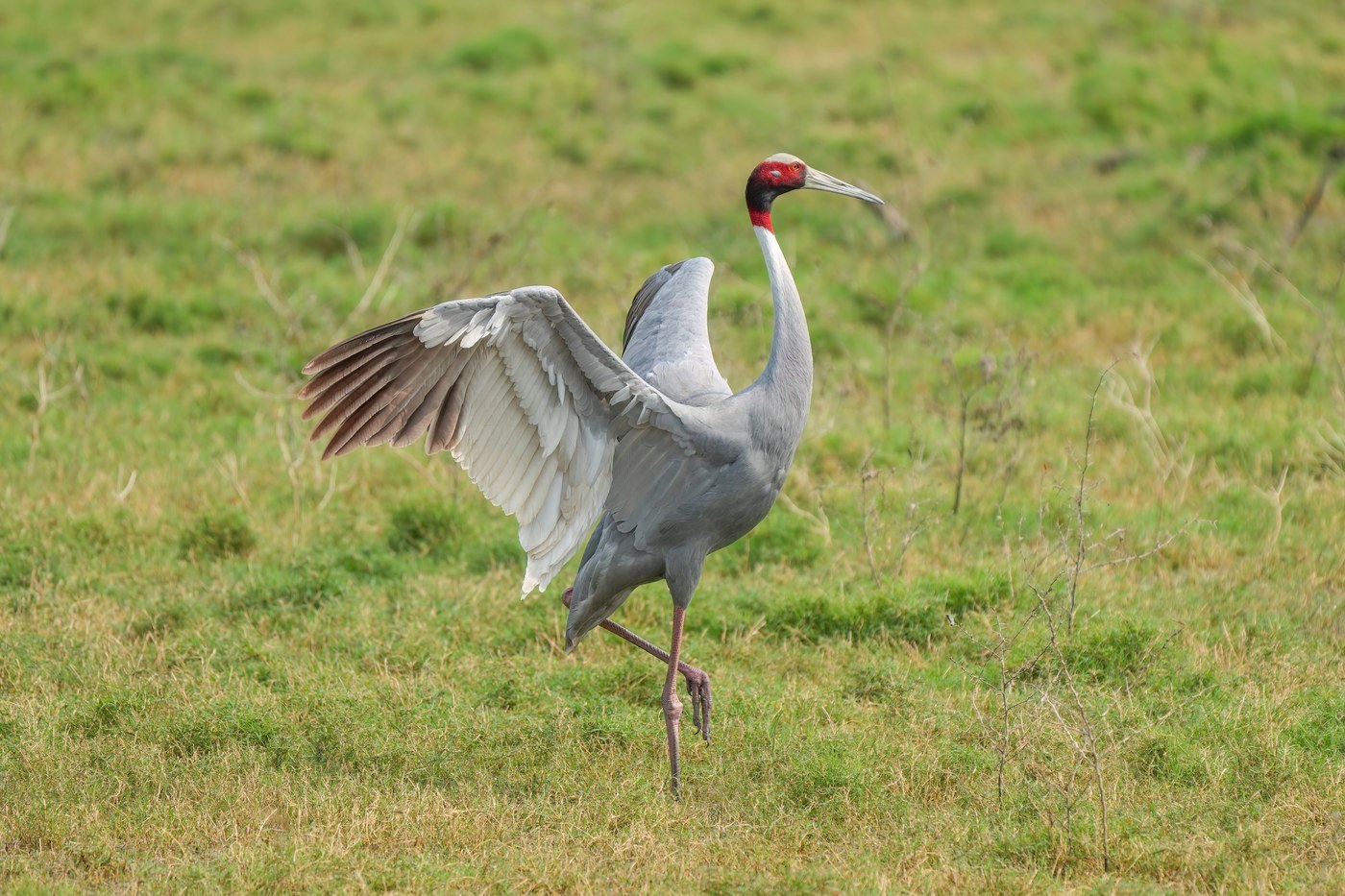
The Sarus Crane is the tallest of all flying birds, standing up to 1.76 meters, with predominantly pale grey plumage and a striking bare patch of bright red skin covering the head and upper neck. The bill and legs are pale, contrasting with the vivid red head.
The species holds deep cultural significance in South Asia, particularly in India, where it is regarded as a symbol of marital fidelity and devotion due to pairs' strong lifelong bonds and elaborate courtship dances.
How to identify it
Key field marks
- Very tall, pale grey body
- Bare bright red skin covering the entire head and upper neck
- Pale, greyish-pink legs and pale bill
- Overall taller and paler than other Asian cranes
Similar species
The Brolga of Australia looks similar with a bare red head, but has a grey (not red) crown cap and a dewlap of loose skin under the chin, features lacking in the Sarus Crane. The Red-crowned Crane has a mostly white body with a black neck, unlike the Sarus Crane's uniformly grey body.
Habitat & range
Sarus Cranes inhabit freshwater wetlands, marshes, and flooded or irrigated agricultural fields, particularly rice paddies, across the Indian subcontinent, with additional populations in Southeast Asia (notably Cambodia and Myanmar) and a distinct subspecies in northern Australia.
Unlike most crane species, many Sarus Crane populations are non-migratory or make only local seasonal movements, remaining resident within a home range year-round, closely tied to the agricultural and wetland landscapes of the Indo-Gangetic plains.
Behavior & voice
Sarus Cranes forage in wetlands and fields for grains, tubers, insects, aquatic plants, and small vertebrates such as frogs and snakes, often walking slowly through shallow water or crop fields.
Pairs are famously devoted, remaining together year-round and performing loud, synchronized duet calls and elaborate dancing displays involving bowing, leaping, and wing-flapping. Nests are large mounds of vegetation built directly in shallow wetlands, typically with two eggs, and both parents share incubation and chick-rearing. The species is classified as Vulnerable due to ongoing wetland drainage and agricultural intensification across much of its range.
Frequently asked questions
Why is the Sarus Crane culturally important in India?
It is traditionally seen as a symbol of marital fidelity and devotion because pairs form strong, lifelong bonds and perform synchronized calling and dancing displays together.
How tall is a Sarus Crane?
It is the tallest flying bird in the world, standing up to about 1.76 meters (5.8 feet).
How is the Sarus Crane different from the Brolga?
The Sarus Crane's red skin covers the entire head, while the Brolga has a grey crown cap and a loose skin dewlap under the chin that the Sarus Crane lacks.
Is the Sarus Crane endangered?
It is classified as Vulnerable, mainly due to loss and degradation of wetland habitat from agricultural expansion and development.
Do Sarus Cranes migrate?
Most populations are largely resident or make only short local movements, unlike many other crane species that undertake long-distance migrations.
Sarus Crane guides
In-depth guides for identifying, finding, and understanding Sarus Crane.
Other birds you may enjoy
Demoiselle Crane
85-100 cm (33-39 in) long, 155-180 cm wingspan
Boat-billed Heron
41-56 cm (16-22 in) long
Purple Heron
78-90 cm (31-35 in) long, 120-152 cm wingspan
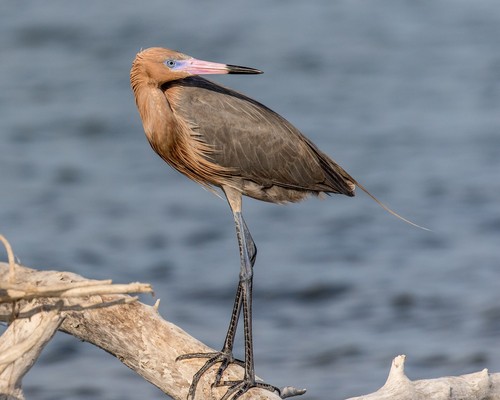
Reddish Egret
68-82 cm (27-32 in) long, 116-125 cm wingspan
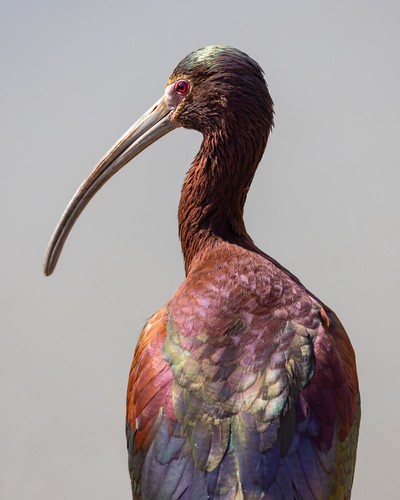
White-faced Ibis
46-56 cm (18-22 in) long, 88-93 cm wingspan
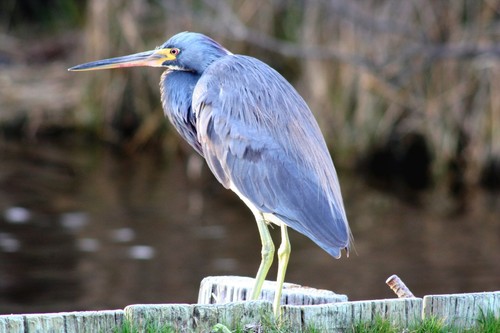
Tricolored Heron
61-76 cm (24-30 in) long, about 96 cm wingspan
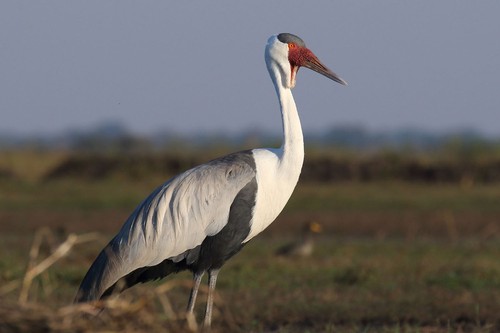
Wattled Crane
120-175 cm (47-69 in) tall, one of the tallest cranes, wingspan up to about 230 cm (7.5 ft)
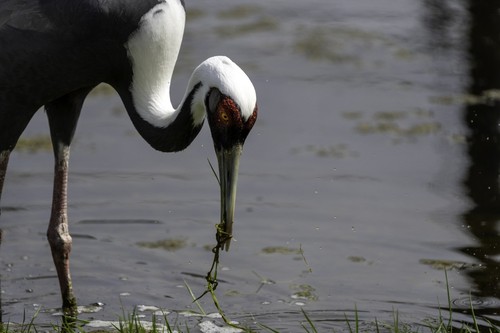
White-naped Crane
112-125 cm (44-49 in) long, 195-210 cm wingspan
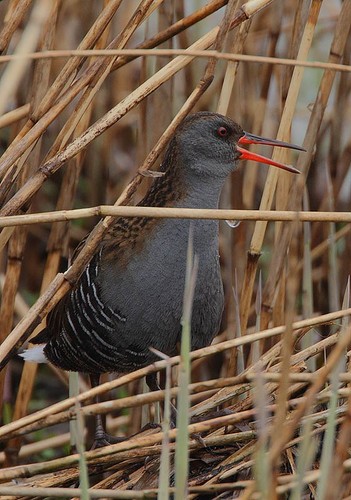
Water Rail
23-28 cm (9-11 in) long, wingspan 38-45 cm
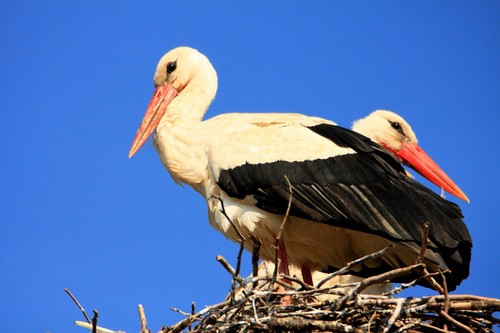
White Stork
100-125 cm (39-49 in) long, 155-215 cm wingspan
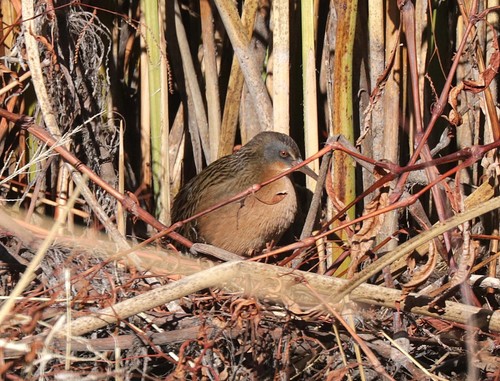
Virginia Rail
20-27 cm (8-11 in) long, wingspan 32-38 cm
Wattled Jacana
17-23 cm (7-9 in) long