
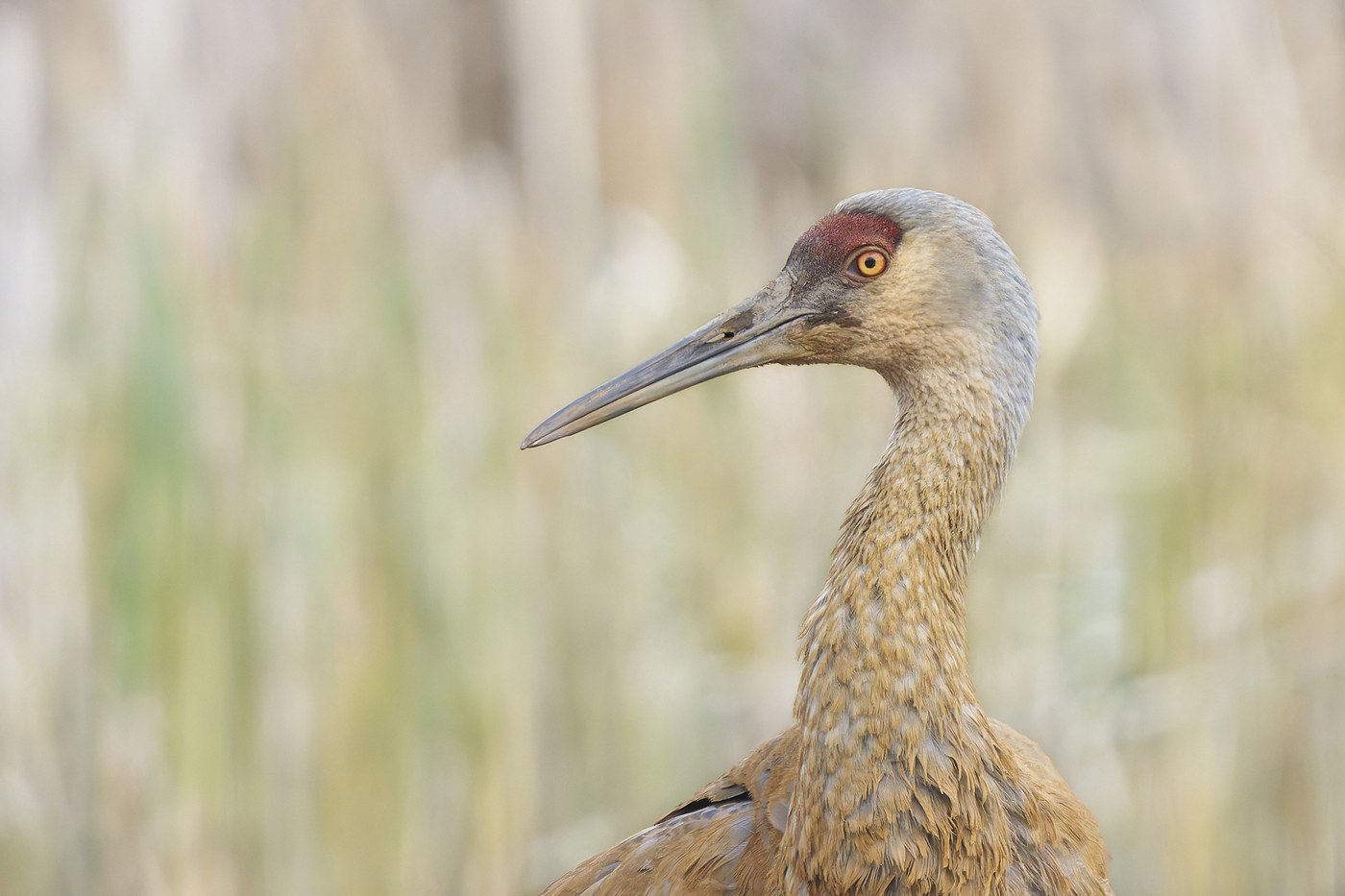
Sandhill Crane
Antigone canadensis
A tall grey North American crane with a bare red crown, best known for the spectacular mass migration gatherings along the Platte River.
- Size
- 80-122 cm (31-48 in) long, 180-200 cm wingspan
- Habitat
- wetlands, prairies, and tundra of North America
- Type
- wading-bird
Spotted a bird like this?
Identify any bird from a photo, free.
Overview
The Sandhill Crane is a tall, long-necked, long-legged bird with predominantly grey plumage that is often stained rusty-brown from preening with iron-rich mud during the breeding season. Adults have a bare patch of red skin on the crown and white cheeks contrasting with a grey face and neck.
One of the most numerous crane species in the world, Sandhill Cranes are famous for their enormous migratory staging gatherings, most notably along Nebraska's Platte River, where hundreds of thousands of birds congregate each spring en route to northern breeding grounds.
How to identify it
Key field marks
- Tall, grey-bodied crane, sometimes rust-stained on the back and wings
- Bare red skin patch on the crown
- White cheek patch
- Long black legs and a long, straight, dark bill
- Flies with neck extended, often in large V-formations, giving a distinctive rolling bugle call
Similar species
The Whooping Crane is entirely white with black wingtips, unmistakably different in color. The Great Blue Heron is superficially similar in size and grey coloration but flies with the neck folded into an S-shape (unlike the crane's outstretched neck) and lacks the bare red crown.
Habitat & range
Sandhill Cranes breed in wetlands, wet meadows, and open tundra across a broad swath of North America, from Alaska and northern Canada south through the northern United States, with additional resident, non-migratory populations in Florida, Mississippi, and Cuba.
Migratory populations winter in the southern United States and northern Mexico, funneling through key staging areas such as Nebraska's Platte River Valley, where enormous flocks gather each spring to rest and feed before continuing north.
Behavior & voice
Sandhill Cranes are omnivorous, foraging in fields and wetlands for waste grain, seeds, roots and tubers, insects, and small vertebrates such as frogs and mice. They often forage in family groups or large flocks outside the breeding season.
Their loud, rolling, bugling call carries for long distances and is produced by an elongated trachea that coils within the sternum, acting like a natural trumpet. Sandhill Cranes perform elaborate courtship dances involving bowing, leaping, and wing-flapping, and pairs typically mate for life. They nest on the ground in wetlands, building a mounded platform of vegetation, and usually lay two eggs, with both parents sharing incubation and raising the precocial chicks, known as colts.
Frequently asked questions
Why are Sandhill Cranes sometimes rust-colored?
They deliberately preen iron-rich mud into their feathers during the breeding season, staining the normally grey plumage a rusty brown, likely for camouflage while nesting.
Where is the best place to see Sandhill Crane migration?
Nebraska's Platte River Valley hosts one of the largest crane gatherings in the world each spring, with hundreds of thousands of birds staging before continuing north.
What does a Sandhill Crane's call sound like?
It is a loud, rolling, bugling or trumpeting call, produced by a specially elongated windpipe that coils within the breastbone, allowing the sound to carry for miles.
Do Sandhill Cranes mate for life?
Yes, pairs typically form long-term bonds and perform elaborate dancing displays as part of courtship.
Are Sandhill Cranes endangered?
No, most populations are listed as Least Concern and are abundant, though a few small, isolated populations such as the Mississippi Sandhill Crane are considered endangered.
Sandhill Crane guides
In-depth guides for identifying, finding, and understanding Sandhill Crane.
Other birds you may enjoy
Demoiselle Crane
85-100 cm (33-39 in) long, 155-180 cm wingspan
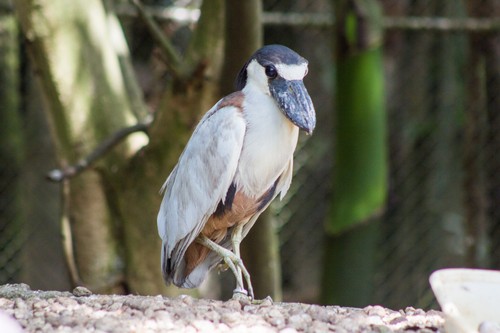
Boat-billed Heron
41-56 cm (16-22 in) long
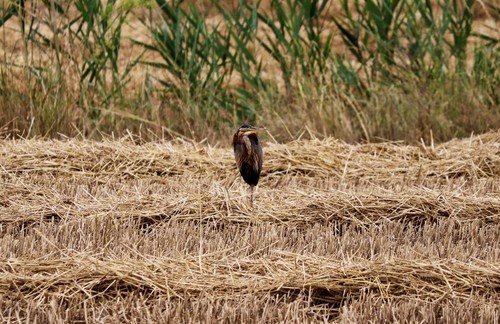
Purple Heron
78-90 cm (31-35 in) long, 120-152 cm wingspan
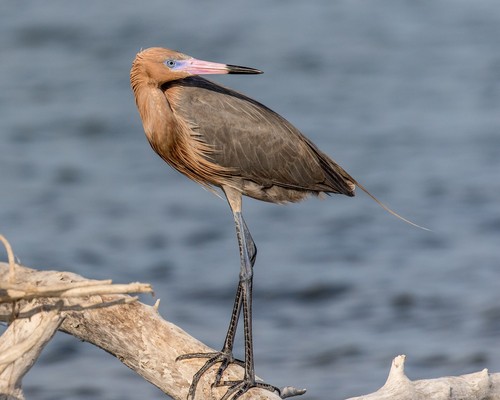
Reddish Egret
68-82 cm (27-32 in) long, 116-125 cm wingspan
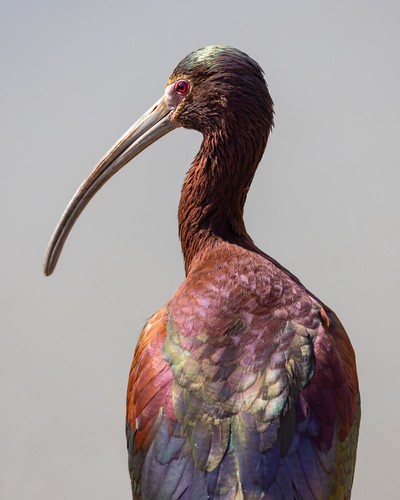
White-faced Ibis
46-56 cm (18-22 in) long, 88-93 cm wingspan
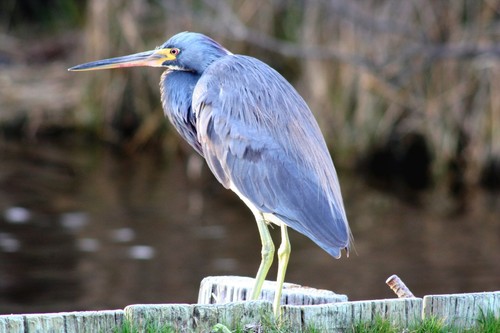
Tricolored Heron
61-76 cm (24-30 in) long, about 96 cm wingspan
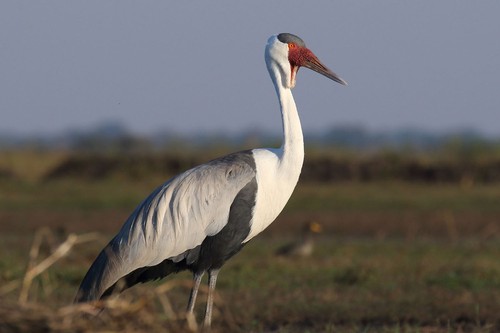
Wattled Crane
120-175 cm (47-69 in) tall, one of the tallest cranes, wingspan up to about 230 cm (7.5 ft)
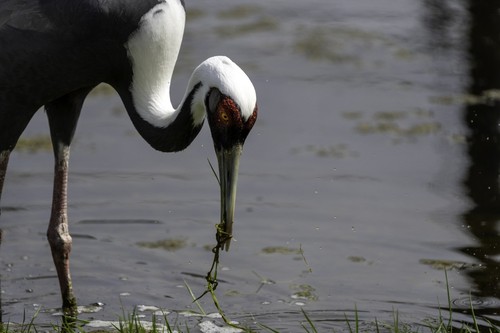
White-naped Crane
112-125 cm (44-49 in) long, 195-210 cm wingspan
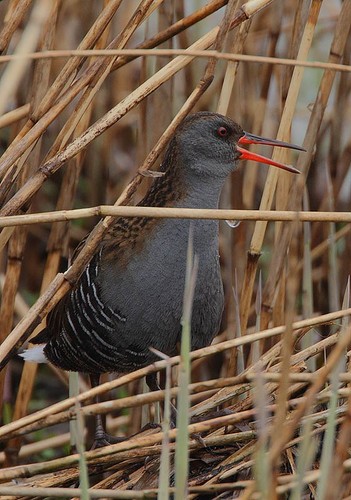
Water Rail
23-28 cm (9-11 in) long, wingspan 38-45 cm
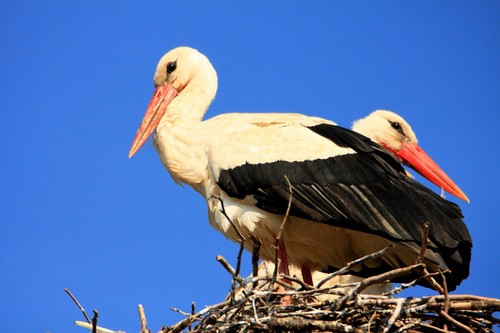
White Stork
100-125 cm (39-49 in) long, 155-215 cm wingspan
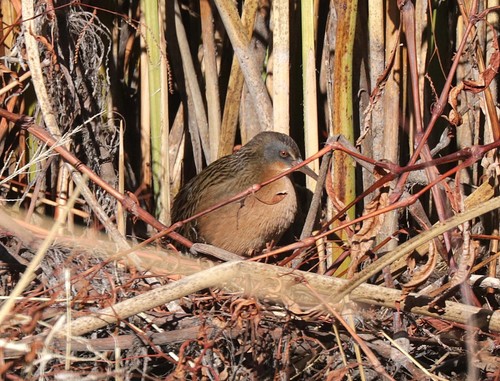
Virginia Rail
20-27 cm (8-11 in) long, wingspan 32-38 cm
Wattled Jacana
17-23 cm (7-9 in) long