
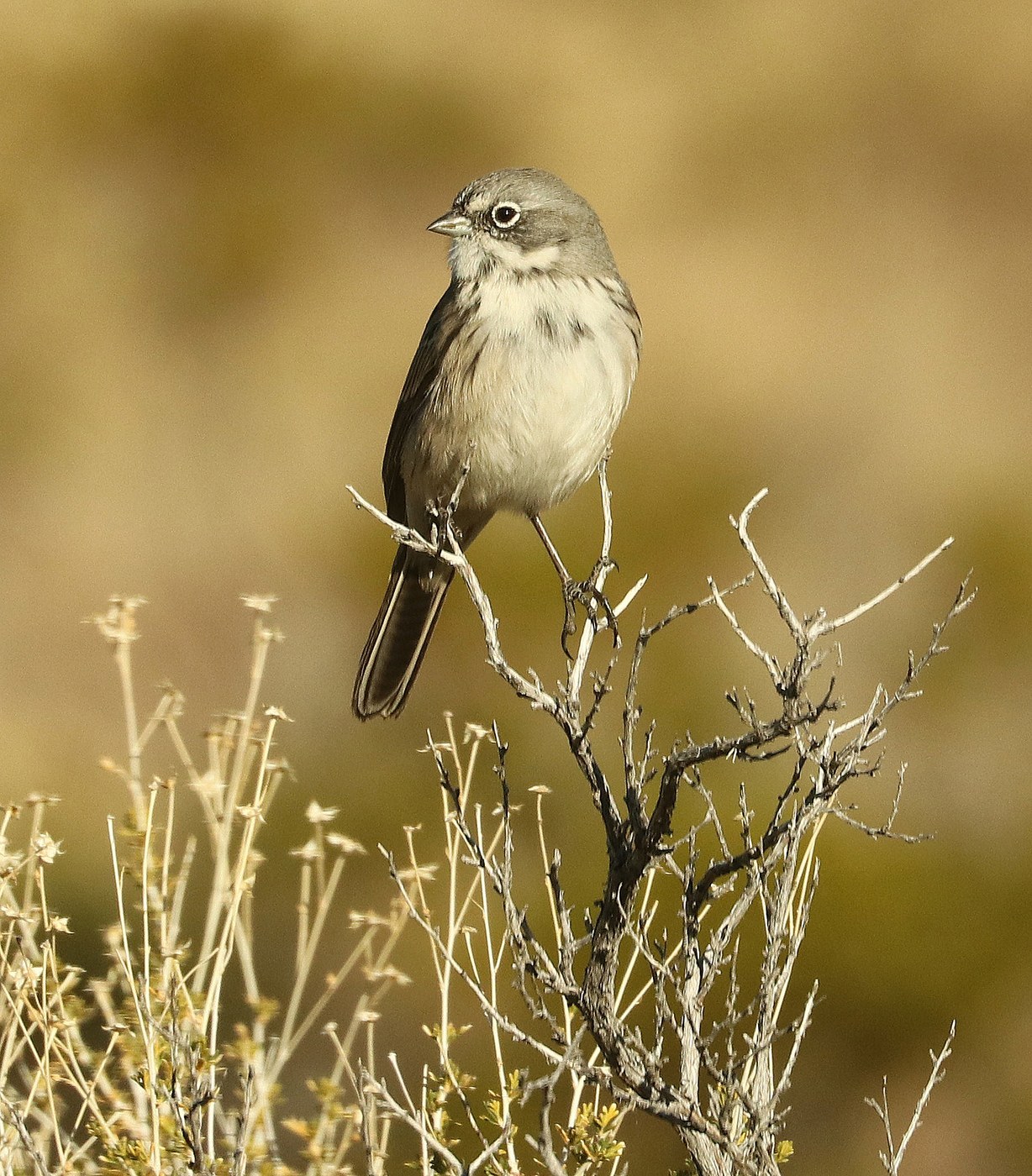
Sagebrush Sparrow
Artemisiospiza nevadensis
A gray-headed, sagebrush-obligate sparrow that runs on the ground with its tail cocked, split from Bell's Sparrow in 2013.
- Size
- 13-15 cm (5-6 in) long, about 19-21 cm (7.5-8.3 in) wingspan
- Habitat
- sagebrush flats and arid shrub-steppe of the Great Basin
- Type
- songbird
Spotted a bird like this?
Identify any bird from a photo, free.
Overview
The Sagebrush Sparrow is a ground-loving sparrow of the arid Great Basin, tightly bound to expanses of big sagebrush. Until 2013 it was considered the same species as the Bell's Sparrow of California, under the combined name Sage Sparrow, and the two remain very similar, differing mainly in subtle plumage tone and voice.
Adults have a clean gray head, a bold white eye-ring, and a dark whisker (malar) stripe bordered by a white throat. The breast is whitish with a small dark central spot, and the back is brownish-gray. The bird's habit of running rapidly across open ground between shrubs, often with its long tail cocked upward, is a distinctive behavioral field mark.
Because it depends so heavily on sagebrush, the species has declined alongside the broader loss and degradation of sagebrush ecosystems across the interior West.
How to identify it
Key Field Marks
- Clean gray head with a bold white eye-ring
- Dark malar (whisker) stripe bordered by a white throat
- Small, isolated dark spot in the center of an otherwise plain white breast
- Long tail, often cocked while the bird runs on the ground
Similar Species
- Bell's Sparrow: darker overall, with a darker gray head, a less contrasting eye-ring, a more solidly dark malar stripe, and a smaller central breast spot; ranges are largely separate (Bell's in California coastal and interior scrub, Sagebrush in the Great Basin) with limited overlap
- Brewer's Sparrow: smaller, plainer, lacking the bold eye-ring and central breast spot, and typically shyer about running in the open
Running behavior with a cocked tail, paired with the gray head and eye-ring, helps separate this species from other sagebrush sparrows.
Habitat & range
Sagebrush Sparrows breed in extensive stands of big sagebrush across the Great Basin, including parts of Oregon, Idaho, Nevada, Utah, California, and Wyoming, favoring relatively tall, dense sagebrush with an open understory for running and foraging.
In winter, the species moves into arid scrub and desert habitats of the southwestern United States and northern Mexico. Because it is such a strong sagebrush specialist, the species has been significantly affected by conversion of sagebrush steppe to agriculture, invasive cheatgrass, and increased wildfire frequency.
Behavior & voice
Behavior
This species forages mostly on the ground, running quickly between shrubs with its tail raised, and tends to duck into cover rather than fly when disturbed.
Voice
The song is a sweet, jumbled, tinkling warble, delivered from the top of a sagebrush or other low perch.
Feeding
Diet consists of insects and seeds gleaned from the ground and low shrub foliage, with insects more prominent in the breeding season.
Nesting and Breeding
Nests are built low in sagebrush, a sturdy cup of twigs and grasses. Clutches typically contain 2-4 pale bluish eggs with dark markings.
Frequently asked questions
What is the difference between Sagebrush Sparrow and Bell's Sparrow?
Sagebrush Sparrow is paler overall with a more contrasting white eye-ring and a larger central breast spot, while Bell's Sparrow is darker with a more solidly dark malar stripe; they were split from a single species, Sage Sparrow, in 2013.
Where does the Sagebrush Sparrow live?
It breeds in sagebrush steppe across the Great Basin, including Oregon, Idaho, Nevada, Utah, California, and Wyoming, and winters in arid scrub of the Southwest and Mexico.
How do you identify a Sagebrush Sparrow?
Look for a gray-headed sparrow with a bold white eye-ring, a dark whisker stripe, a small central breast spot, and a habit of running on the ground with its tail cocked.
Why is the Sagebrush Sparrow declining?
It depends heavily on sagebrush habitat, which has been lost or degraded through agricultural conversion, invasive grasses, and increased wildfire.
What does the Sagebrush Sparrow eat?
It eats insects and seeds gathered from the ground and low sagebrush foliage.
Sagebrush Sparrow guides
In-depth guides for identifying, finding, and understanding Sagebrush Sparrow.
Other birds you may enjoy
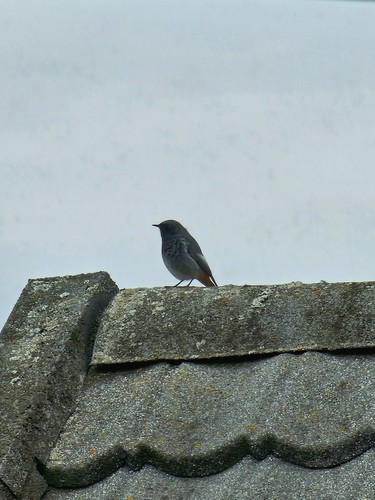
Black Redstart
13-14.5 cm (5.1-5.7 in) long, 23-26 cm wingspan
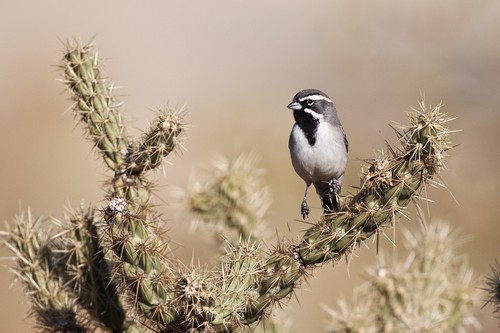
Black-throated Sparrow
12-14 cm (4.7-5.5 in) long, about 19-20 cm (7.5-8 in) wingspan
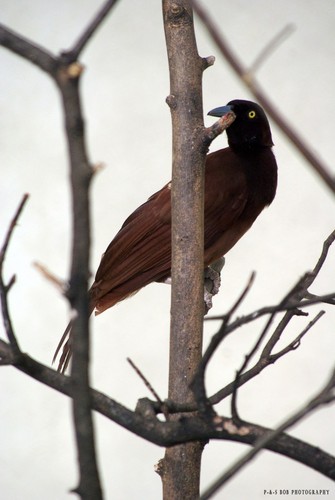
Greater Bird-of-paradise
Body about 43 cm; males with additional flank plumes up to 50 cm and long tail wires
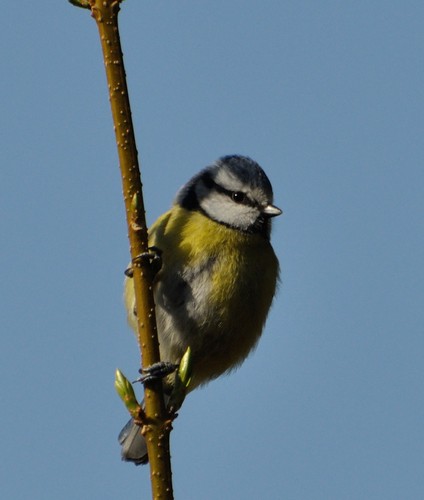
Blue Tit
11-12 cm (4.3-4.7 in) long, 17-20 cm wingspan
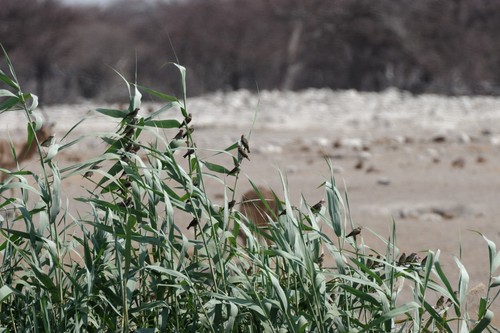
Red-billed Quelea
11.5–13 cm long, wingspan about 20–22 cm
White-plumed Antbird
13-14 cm (5-5.5 in) long
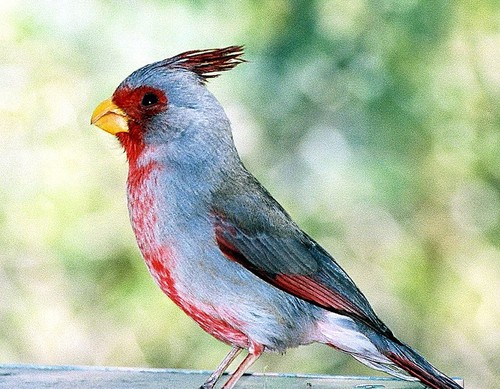
Pyrrhuloxia
19-22 cm (7.5-8.7 in) long, 30 cm wingspan
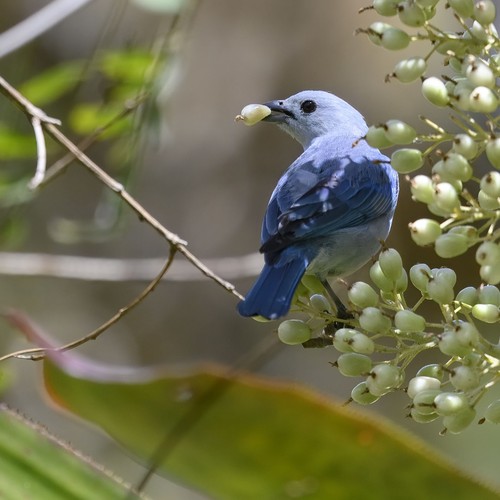
Blue-gray Tanager
16-18 cm (6-7 in) long
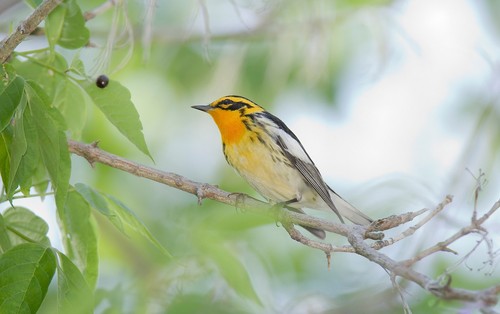
Blackburnian Warbler
11-13 cm (4.3-5.1 in) long, 20-22 cm wingspan
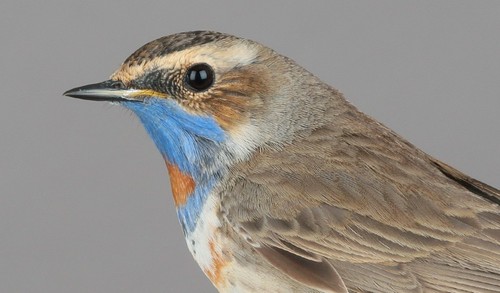
Bluethroat
13-14 cm (5.1-5.5 in) long, 20-22 cm wingspan
Eurasian Nuthatch
12-14.5 cm (4.7-5.7 in) long, 22.5-27 cm wingspan
Wood Thrush
19-21 cm (7.5-8.3 in) long, about 33 cm (13 in) wingspan