
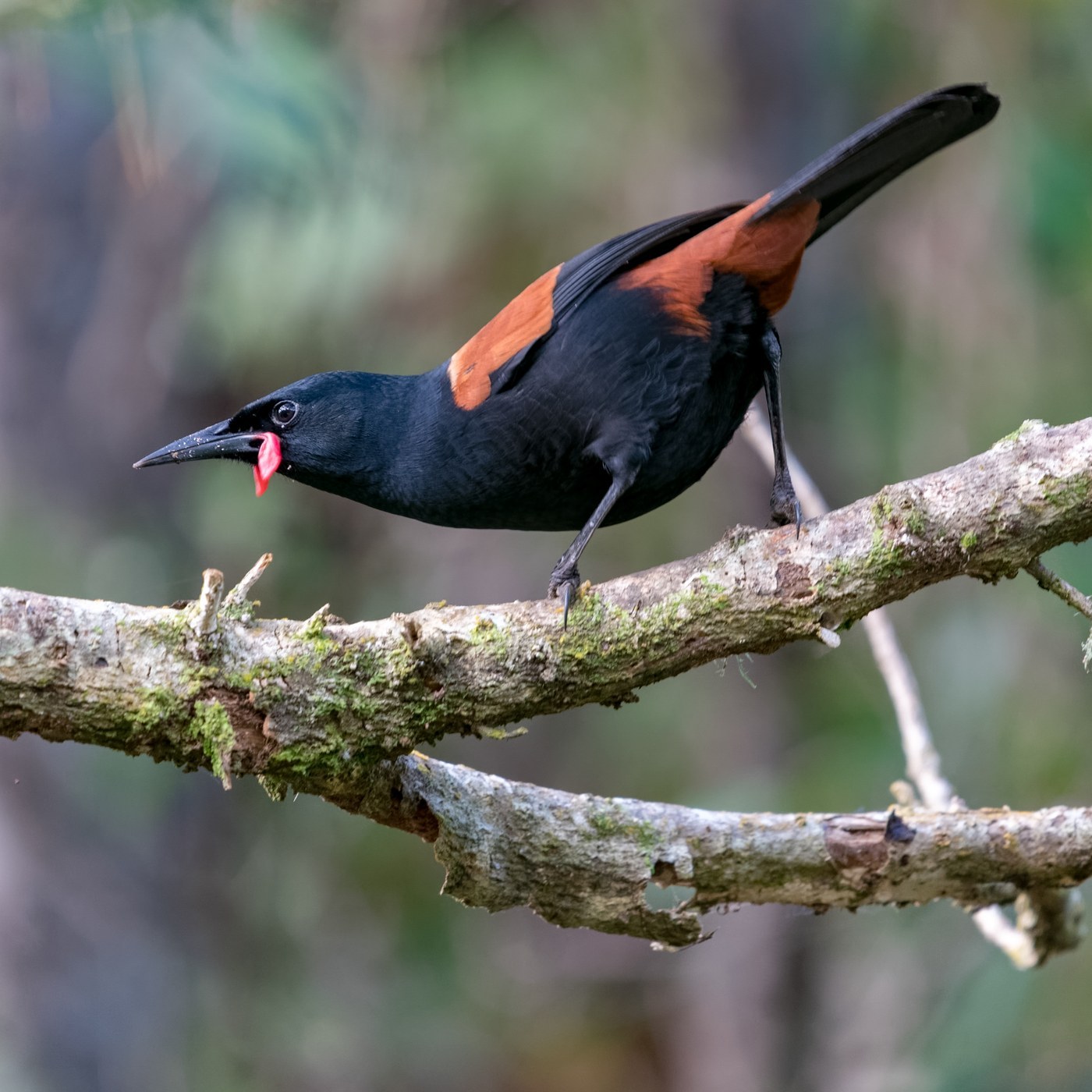
Saddleback
Philesturnus rufusater
A glossy black New Zealand forest bird with a bold chestnut "saddle" across its back and bright orange-red wattles, now surviving mainly on predator-free islands after near extinction on the mainland.
- Size
- 25 cm (10 in) long
- Habitat
- native forest, mainly on predator-free islands and fenced sanctuaries in New Zealand
- Type
- songbird
Spotted a bird like this?
Identify any bird from a photo, free.
Overview
The Saddleback, known in Maori as tieke, is a striking wattlebird with mostly glossy black plumage broken by a broad chestnut band, or "saddle," across the back and rump, along with a chestnut rump and undertail. Bright orange to red fleshy wattles dangle at the base of the bill, most vivid in adults.
Two closely related forms are recognized, the North Island Saddleback and the South Island Saddleback, differing subtly in plumage and sometimes treated as separate species. Both were pushed to the brink by introduced predators and survived only on a single predator-free island each before determined conservation translocations reestablished them on numerous other protected islands and fenced mainland sanctuaries.
How to identify it
Key field marks
- Glossy black body plumage overall
- Broad chestnut "saddle" across the back and rump
- Bright orange-red fleshy wattles at the base of the bill
- Fairly long black tail, often held cocked
- Strong legs for hopping and clambering through dense vegetation
Similar species
- North Island Kokako is much larger, blue-grey (not black), and has blue rather than orange-red wattles.
- Stitchbird is smaller, yellow and black rather than black with a chestnut saddle, and lacks wattles.
- Juvenile Saddlebacks are duller reddish-brown overall and lack developed wattles, differing from the crisp adult pattern.
Habitat & range
Range
Once widespread on the New Zealand mainland, now found mainly on predator-free offshore islands (such as Hen Island, Kapiti Island, and Ulva Island) and fenced mainland sanctuaries where it has been reintroduced.
Habitat
Inhabits native forest with dense understorey, using low vegetation and the forest floor as much as the canopy.
Migration
Sedentary and territorial, pairs holding a permanent territory within their protected habitat.
Behavior & voice
Behavior
Active and inquisitive, foraging low in dense vegetation and on the ground as well as in the canopy, often in pairs that stay together year-round.
Voice
A loud, sharp, rattling call, along with clear whistled notes; pairs often call back and forth to maintain contact.
Feeding
Forages by flicking aside bark, moss, and leaf litter to find invertebrates, and also eats fruit and nectar when available.
Nesting
Builds a bulky nest of twigs, bark, and fern in a tree cavity, dense vegetation, or rock crevice; the female incubates two to three eggs, and both parents feed the chicks.
Frequently asked questions
Why does the Saddleback only live on islands?
Introduced predators, especially rats, wiped it out on the mainland; it survived only on a single predator-free island for each of its two forms before conservation translocations reestablished it more widely.
What is the Saddleback's Maori name?
Tieke.
Are there different kinds of Saddleback?
Yes, the North Island Saddleback and South Island Saddleback are closely related forms, differing slightly in plumage details and sometimes classified as separate species.
What does the Saddleback eat?
Mostly invertebrates found by foraging through bark, moss, and leaf litter, plus fruit and nectar.
Saddleback guides
In-depth guides for identifying, finding, and understanding Saddleback.
Other birds you may enjoy
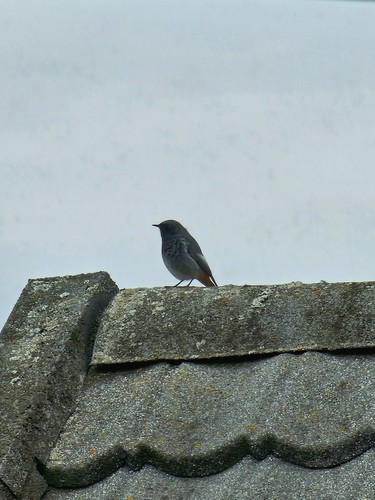
Black Redstart
13-14.5 cm (5.1-5.7 in) long, 23-26 cm wingspan
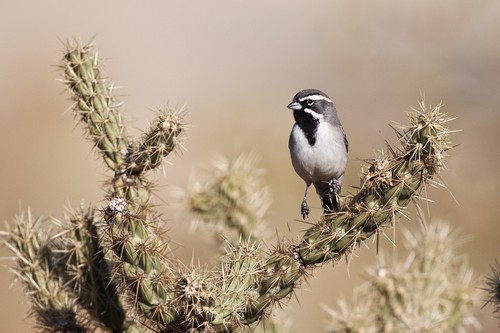
Black-throated Sparrow
12-14 cm (4.7-5.5 in) long, about 19-20 cm (7.5-8 in) wingspan
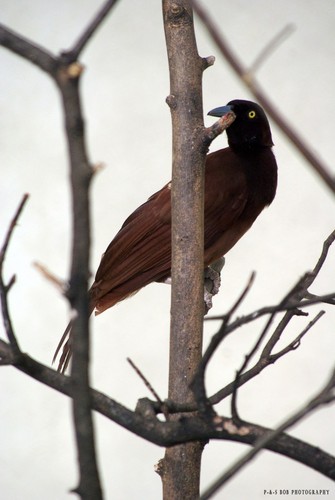
Greater Bird-of-paradise
Body about 43 cm; males with additional flank plumes up to 50 cm and long tail wires
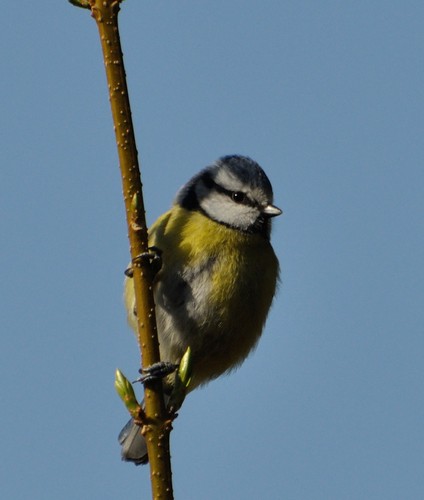
Blue Tit
11-12 cm (4.3-4.7 in) long, 17-20 cm wingspan
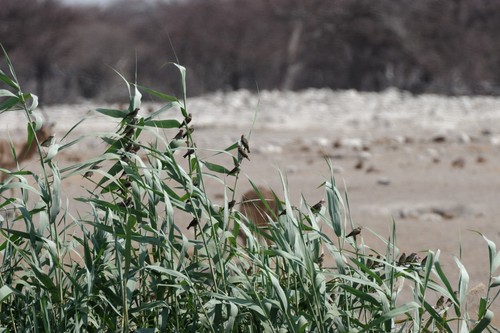
Red-billed Quelea
11.5–13 cm long, wingspan about 20–22 cm
White-plumed Antbird
13-14 cm (5-5.5 in) long
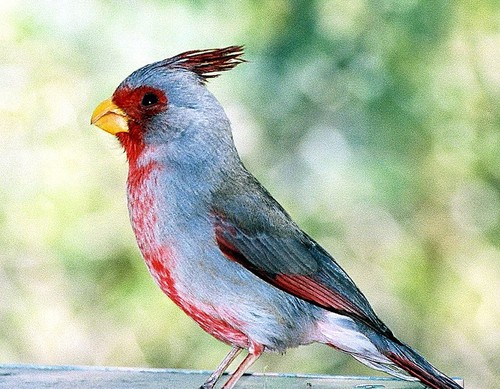
Pyrrhuloxia
19-22 cm (7.5-8.7 in) long, 30 cm wingspan
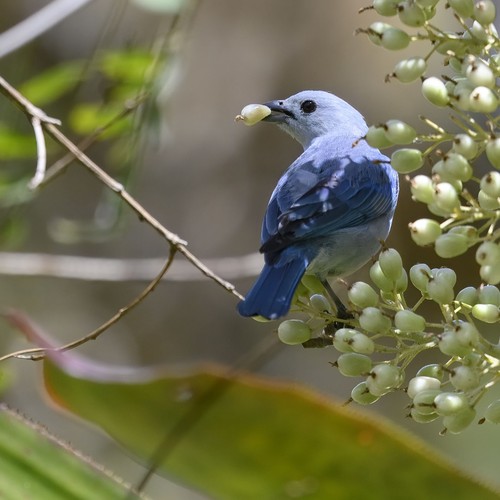
Blue-gray Tanager
16-18 cm (6-7 in) long
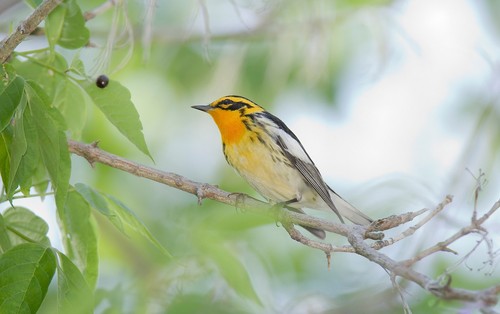
Blackburnian Warbler
11-13 cm (4.3-5.1 in) long, 20-22 cm wingspan
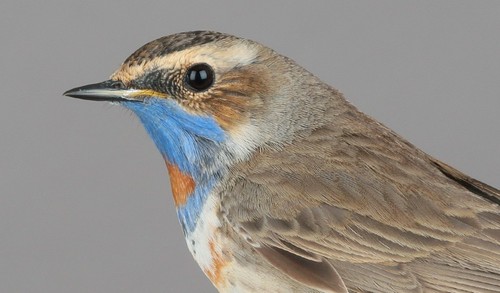
Bluethroat
13-14 cm (5.1-5.5 in) long, 20-22 cm wingspan
Eurasian Nuthatch
12-14.5 cm (4.7-5.7 in) long, 22.5-27 cm wingspan
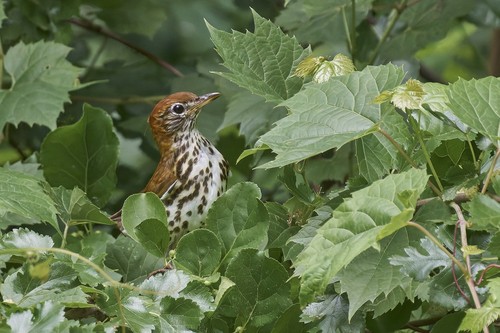
Wood Thrush
19-21 cm (7.5-8.3 in) long, about 33 cm (13 in) wingspan