
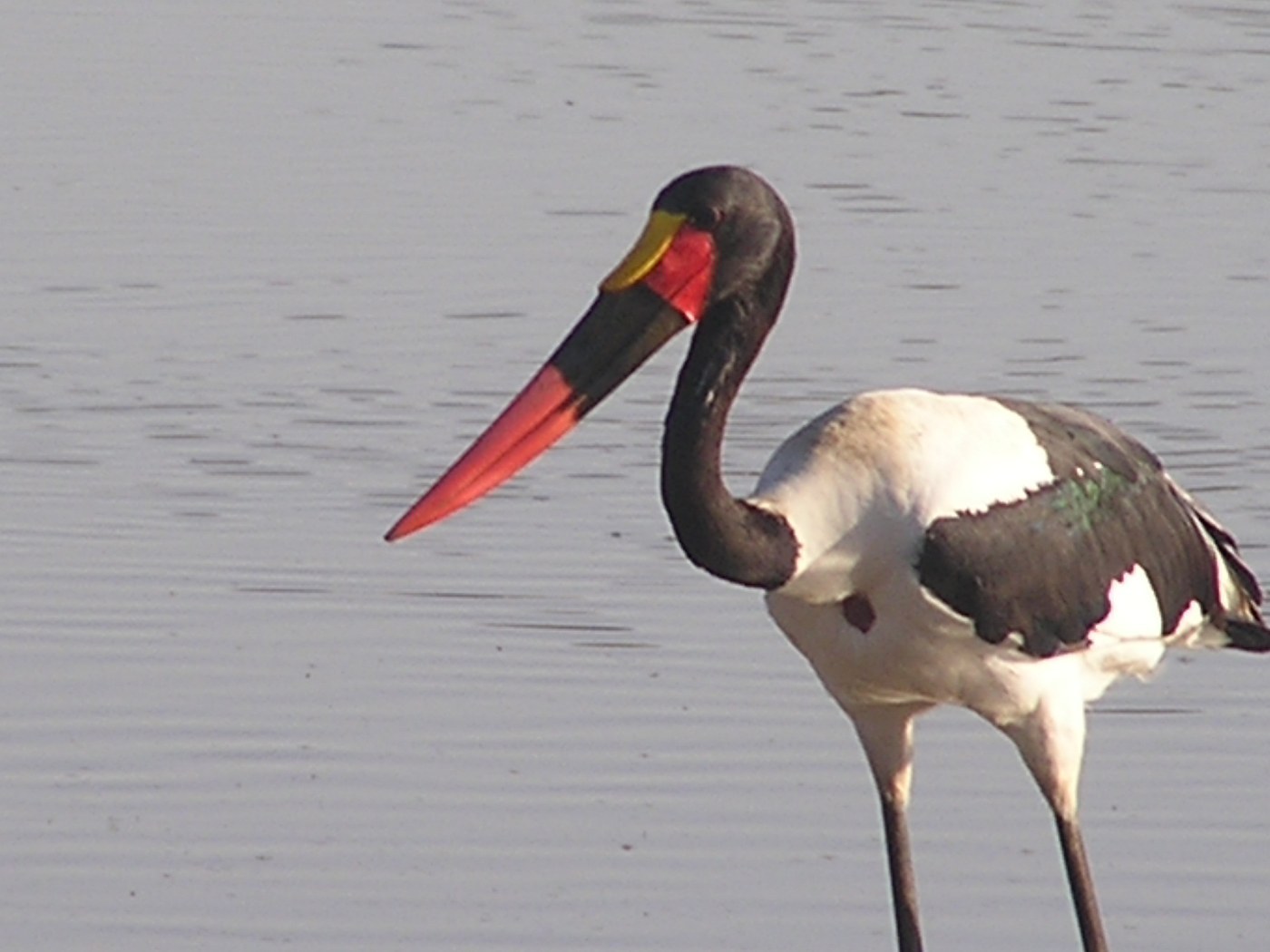
Saddle-billed Stork
Ephippiorhynchus senegalensis
A tall, dramatically colored African stork with a huge black, red, and yellow bill and a yellow frontal shield resembling a saddle.
- Size
- 145-150 cm (57-59 in) long, 240-270 cm wingspan
- Habitat
- African wetlands, floodplains, and large rivers
- Type
- wading-bird
Spotted a bird like this?
Identify any bird from a photo, free.
Overview
The Saddle-billed Stork is one of Africa's tallest and most visually striking birds, with glossy black-and-white plumage and an enormous, boldly patterned bill of black, red, and yellow. The yellow frontal shield at the base of the bill, which resembles a saddle, gives the species its name.
The sexes can be distinguished at close range: males have dark brown eyes and small yellow wattles hanging near the base of the bill, while females have bright yellow eyes and lack wattles. Both sexes have black legs with distinctive pink 'knee' joints.
How to identify it
Key field marks
- Very tall stork with glossy black head, neck, and wing band on an otherwise white body
- Massive bill patterned in black, red, and yellow with a yellow frontal shield
- Black legs with pink joints
- Males have dark eyes and small wattles; females have yellow eyes and no wattles
Similar species
The Black-necked Stork of Asia and Australia is similar in shape and pattern but has a plain black bill without the colorful saddle marking. The Marabou Stork is bulkier with a bald pink head and dull grey bill rather than a feathered head and colorful bill.
Habitat & range
Saddle-billed Storks are found across sub-Saharan Africa in a variety of wetland habitats, including large rivers, floodplains, swamps, and lake margins, generally favoring areas with clear, shallow water and low human disturbance.
The species is largely resident and territorial, with breeding pairs defending large wetland territories year-round. It occurs at relatively low densities throughout its range and is considered a good indicator of healthy, undisturbed wetland ecosystems.
Behavior & voice
This stork forages by walking slowly and deliberately through shallow water, striking with its long bill to catch fish, frogs, and other prey, sometimes stirring up prey with its feet first. Pairs typically forage and remain within a defended territory throughout the year rather than gathering in flocks.
Saddle-billed Storks are largely silent, using bill-clattering for communication at the nest. They build very large stick nests high in trees, often reused over multiple seasons, and typically lay 1-3 eggs. Both parents share incubation and chick-rearing duties, and pairs often mate for life, maintaining strong pair bonds within their territory.
Frequently asked questions
How do you tell a male from a female Saddle-billed Stork?
Males have dark brown eyes and small yellow wattles at the base of the bill, while females have bright yellow eyes and no wattles.
What is the yellow patch on a Saddle-billed Stork's bill?
It is a fleshy frontal shield at the base of the bill, resembling a saddle, which gives the species its name.
Where do Saddle-billed Storks live?
They are found throughout sub-Saharan Africa in large rivers, floodplains, and wetlands, usually in pairs defending a territory.
How tall is a Saddle-billed Stork?
It is one of Africa's tallest storks, standing around 1.45-1.5 meters, with a wingspan that can exceed 2.4 meters.
Saddle-billed Stork guides
In-depth guides for identifying, finding, and understanding Saddle-billed Stork.
Other birds you may enjoy
Demoiselle Crane
85-100 cm (33-39 in) long, 155-180 cm wingspan
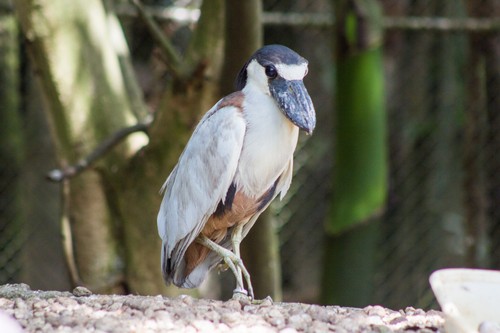
Boat-billed Heron
41-56 cm (16-22 in) long
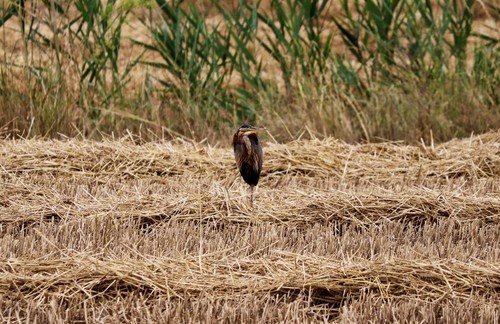
Purple Heron
78-90 cm (31-35 in) long, 120-152 cm wingspan
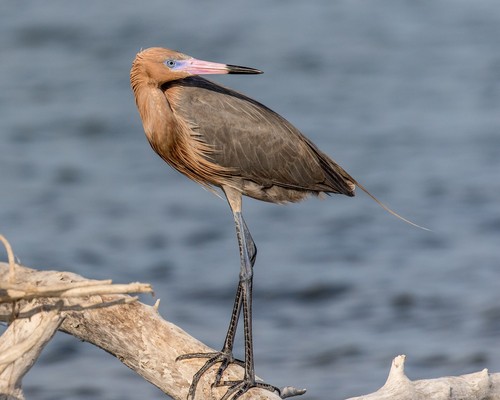
Reddish Egret
68-82 cm (27-32 in) long, 116-125 cm wingspan
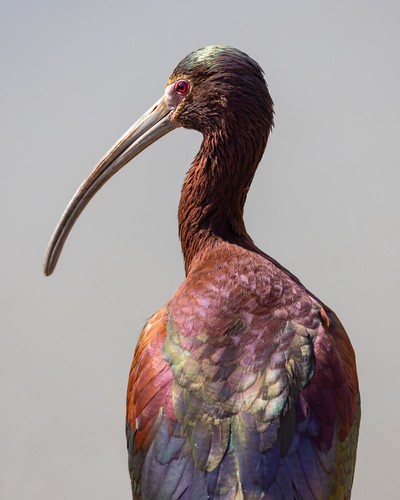
White-faced Ibis
46-56 cm (18-22 in) long, 88-93 cm wingspan
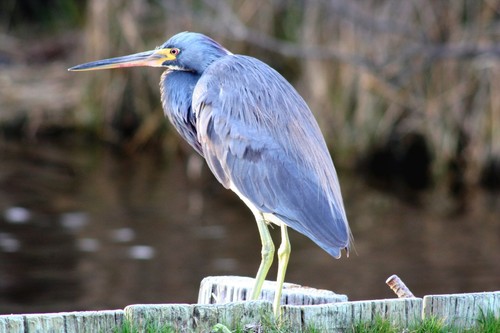
Tricolored Heron
61-76 cm (24-30 in) long, about 96 cm wingspan
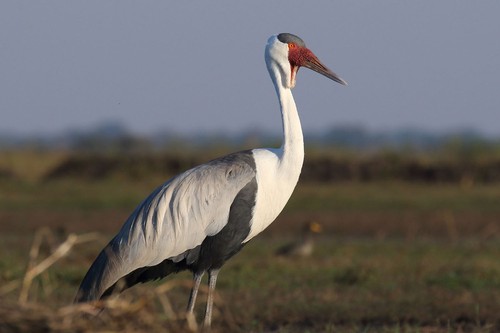
Wattled Crane
120-175 cm (47-69 in) tall, one of the tallest cranes, wingspan up to about 230 cm (7.5 ft)
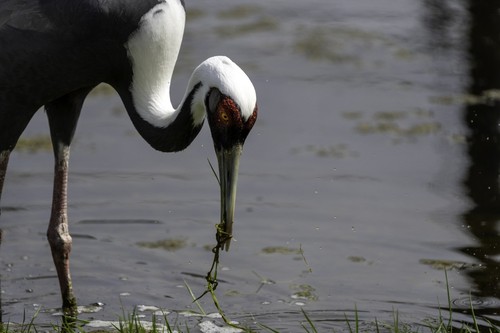
White-naped Crane
112-125 cm (44-49 in) long, 195-210 cm wingspan
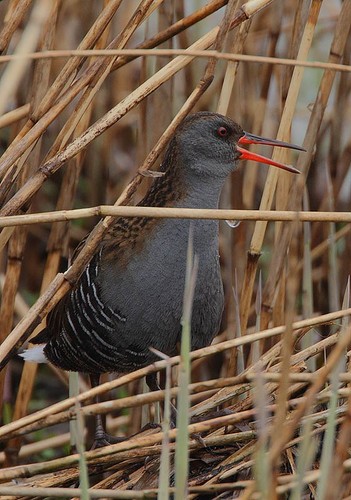
Water Rail
23-28 cm (9-11 in) long, wingspan 38-45 cm
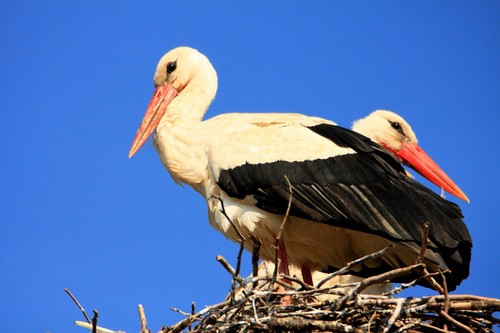
White Stork
100-125 cm (39-49 in) long, 155-215 cm wingspan
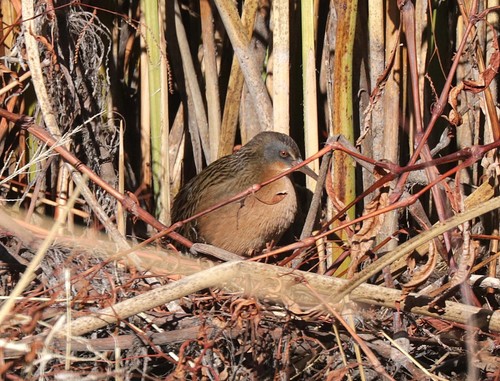
Virginia Rail
20-27 cm (8-11 in) long, wingspan 32-38 cm
Wattled Jacana
17-23 cm (7-9 in) long