
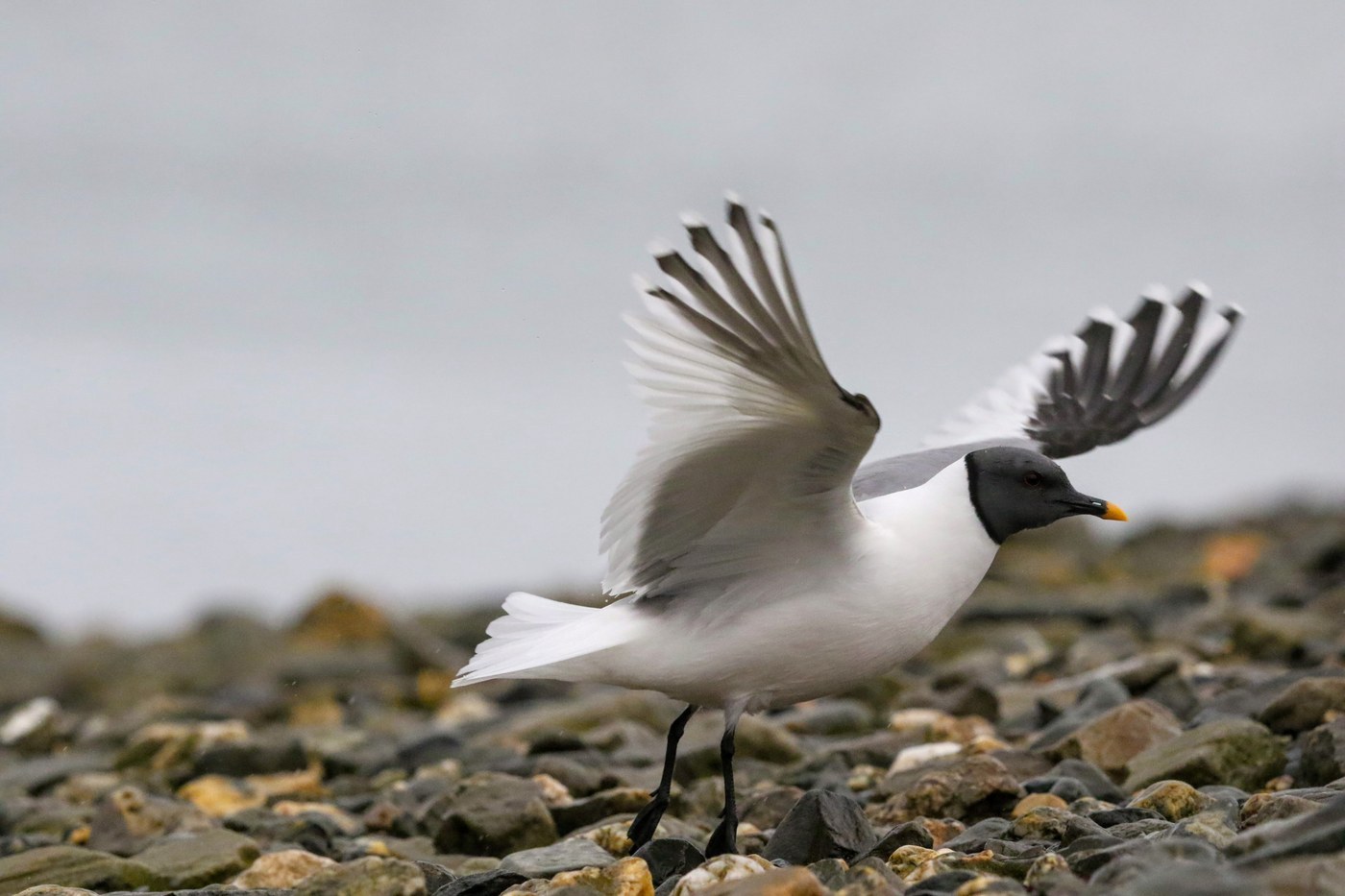
Sabine's Gull
Xema sabini
A strikingly patterned Arctic gull with a bold tricolored wing and forked tail, spending most of the year far out at sea and undertaking one of the longest migrations of any gull.
- Size
- 27-33 cm (11-13 in) long, 81-91 cm wingspan
- Habitat
- Arctic tundra for breeding; open ocean during migration and winter
- Type
- seabird
Spotted a bird like this?
Identify any bird from a photo, free.
Overview
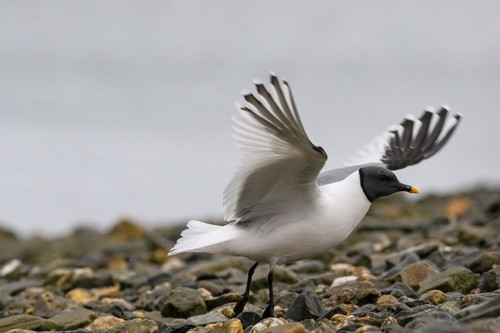
Sabine's Gull is a small, elegant, and unmistakably patterned gull that breeds on High Arctic tundra and spends the rest of the year as a true pelagic wanderer over open ocean. In flight, it shows one of the most striking wing patterns of any gull: a bold triangular pattern of black outer primaries, a white triangle across the inner primaries and secondaries, and gray-brown forewing coverts, creating a distinctive three-toned effect visible at a great distance.
Breeding adults have a sooty gray hood bordered by a thin black collar, a black bill with a bright yellow tip, and a notably forked tail, unusual among gulls. Non-breeding birds lose the hood, showing a white head with dusky markings on the nape.
Sabine's Gull undertakes one of the most impressive migrations of any gull, traveling from High Arctic breeding grounds to wintering areas in the rich upwelling waters off western South Africa and off Peru and Chile in the Pacific.
How to identify it
Key field marks
- Bold tricolored wing pattern: black outer primaries, white inner-wing triangle, gray-brown coverts
- Distinctly forked tail
- Black bill with a yellow tip
- Sooty gray hood with a thin black border in breeding plumage
Similar species
- No other gull shares this precise tricolored wing pattern, making adult and most juvenile Sabine's Gulls readily identifiable in flight even at a distance; juvenile Black-legged Kittiwakes show a somewhat similar dark "M" pattern across the wings but lack the sharp white triangle and forked tail.
Habitat & range
Habitat
Breeds on low-lying Arctic tundra, often near coastal lagoons or wet meadows. Outside the breeding season it is almost entirely pelagic, ranging over open ocean far from land.
Range and migration
Breeds in scattered colonies across the High Arctic of North America, Greenland, and Eurasia. Migrates offshore, with North American breeders generally moving south along the Pacific coast to winter in the productive waters of the Humboldt Current off Peru and Chile, while other populations winter off southwestern Africa.
Behavior & voice
Behavior
Buoyant and tern-like in flight, Sabine's Gull forages by picking food from the surface of the water while in flight, and is often seen well offshore, sometimes associating with feeding flocks of other seabirds.
Voice
Calls include a harsh, tern-like grating note, quite different from the calls of most other gulls, mainly given at the breeding grounds.
Feeding
On the tundra it feeds largely on insects and their larvae; at sea it takes small fish, planktonic crustaceans, and other marine invertebrates picked from the surface.
Nesting and breeding
Nests on the ground in small, loose colonies, often near or among nesting Arctic Terns, which may offer some protection from predators. Clutches typically contain two to three eggs, incubated by both parents.
Frequently asked questions
How do you identify a Sabine's Gull?
Look for its bold tricolored wing pattern in flight (black outer primaries, white inner-wing triangle, gray-brown coverts) and its distinctly forked tail.
Where does Sabine's Gull spend the winter?
It winters far out at sea, mainly in the rich upwelling waters off Peru and Chile in the Pacific, or off southwestern Africa in the Atlantic.
Is Sabine's Gull often seen from shore?
It is mostly pelagic outside the breeding season, so it is usually seen well offshore, though storms can occasionally push birds closer to coastlines.
What does Sabine's Gull eat?
Insects on its Arctic breeding grounds, and small fish and marine invertebrates picked from the ocean surface during migration and winter.
Sabine's Gull guides
In-depth guides for identifying, finding, and understanding Sabine's Gull.
Other birds you may enjoy
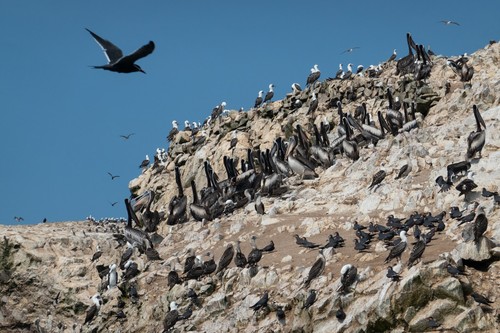
Peruvian Pelican
137-152 cm (54-60 in) long, up to 228 cm wingspan
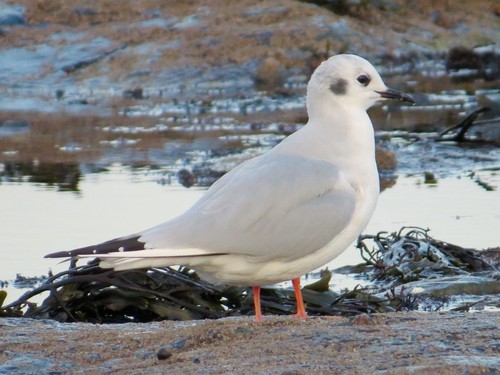
Bonaparte's Gull
28-33 cm (11-13 in) long, 76-84 cm wingspan
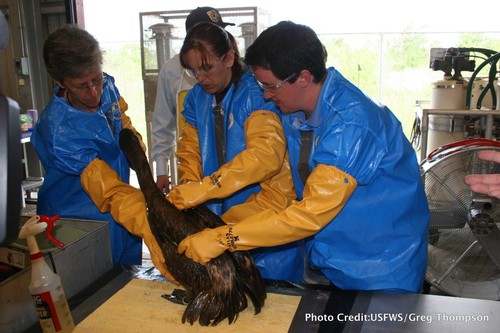
Brown Pelican
106-137 cm (42-54 in) long, 200-230 cm wingspan
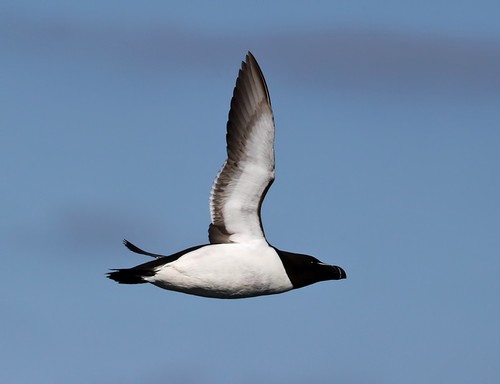
Razorbill
37-39 cm (15-15.5 in) long, 63-68 cm wingspan
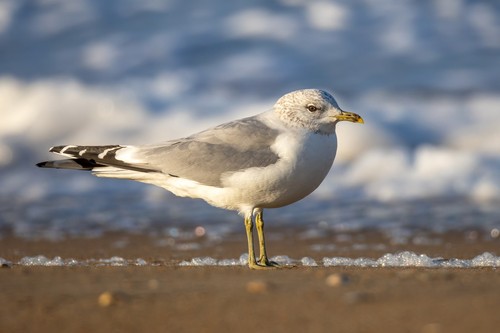
Common Gull
40-46 cm (16-18 in) long, 110-130 cm wingspan
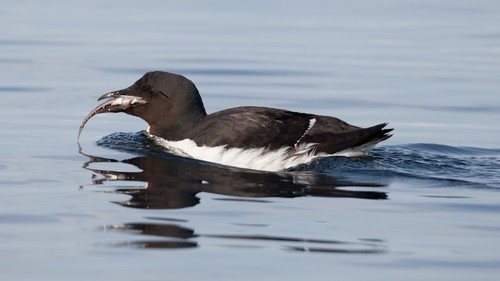
Thick-billed Murre
40-48 cm (16-19 in) long, 65-75 cm wingspan
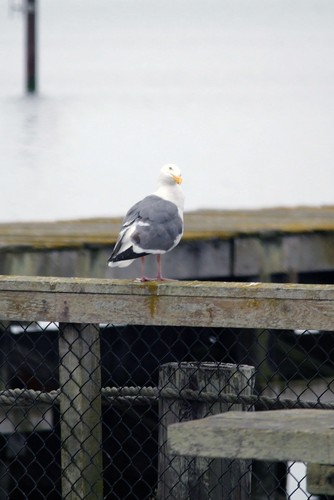
Western Gull
55-68 cm (22-27 in) long, 130-144 cm wingspan
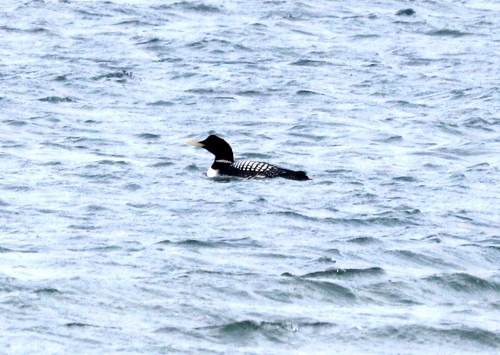
Yellow-billed Loon
76-97 cm (30-38 in) long, 135-152 cm wingspan
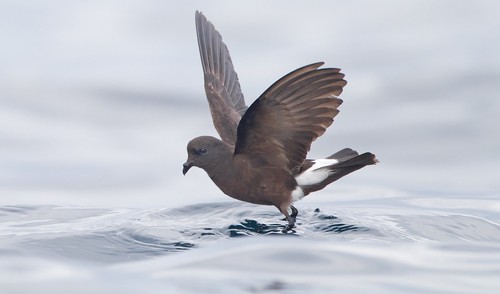
Wilson's Storm-Petrel
15-19 cm (6-7.5 in) long, wingspan 38-42 cm (15-16.5 in)
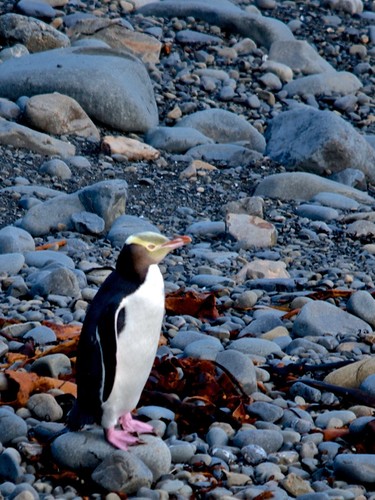
Yellow-eyed Penguin
62-79 cm (24-31 in) tall, 3-8.5 kg (6.6-18.7 lb)
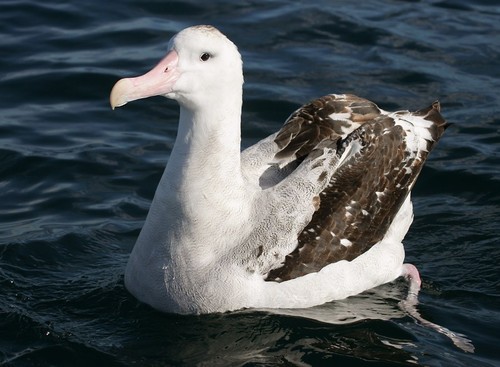
Wandering Albatross
107-135 cm (42-53 in) long, wingspan up to 3.5 m (11.5 ft)
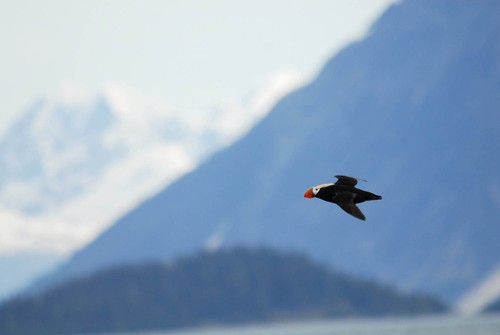
Tufted Puffin
35-41 cm (14-16 in) long, about 63-70 cm wingspan